REVIEW · KULA HAWAII
Haleakala Daytime Self-Guided Express Bike Tour w/ Bike Maui
Book on GetYourGuide →Operated by Bike Maui · Bookable on GetYourGuide
This ride has two world-famous descents. You get Kona mountain bikes, safety-minded gear, and a guided build-up before the switchbacks start.
I especially like the way the day pairs Haleakala Ranch switchbacks with Upcountry Maui towns instead of treating it like a one-note downhill photo op. One note to consider: it is not for people who can’t confidently ride a bike and it has a minimum age of 15.
My other favorite part is the guide-led context. The vehicle time is an informative tour of Haiku, Makawao, Kula, and Haleakala Ranch, and you’ll hear stories that make the scenery make more sense. When Daniel led my ride, the vibe was funny but still practical and helpful, which matters when you’re deciding how cautious to be on a fast road.
If you want the pure thrill only, this still delivers. But you’ll also spend real time absorbing Upcountry Maui, not just strapping in and zooming downhill.
In This Review
- Key things to know before you go
- Why this Haleakala Express bike tour feels so worth it
- Getting started: Haiku Marketplace and the guided ride-up
- The main event: Kona bikes and two Haleakala Ranch switchback descents
- After the first descent: board the vehicle and reach Triangles above Makawao
- Upcountry Maui feels different when you ride through it
- Gear check: what’s included (and why it matters)
- Who this tour is for (and who should skip it)
- Price and value: is $138 a good deal for 5 hours?
- Tips to make your Haleakala day go smoother
- Should you book the Haleakala Daytime Self-Guided Express Bike Tour?
- FAQ
- How long is the Haleakala Daytime Express bike tour?
- Where do we meet for the tour?
- What kind of bikes and safety gear are included?
- Is there a live guide during the tour?
- What is the ride route like?
- Does the tour include time for Makawao?
- What is the group size?
- What are the age and fitness requirements?
- What restrictions should I know about before booking?
- Who should not do this tour?
Key things to know before you go
- Two switchback descents on Haleakala Ranch for a bigger pay-off than a single run
- Upcountry Maui stops (Haiku, Makawao, Kula, and Haleakala Ranch area) so the day feels more complete
- Certified interpretive guides with an informative vehicle tour that adds context
- Kona mountain bikes plus helmet and rain gear to reduce day-of hassles
- Small group size (limited to 10) for a calmer, more watchful experience
- Triangles stop above Makawao that sets you up for a town explore and bite to eat
Why this Haleakala Express bike tour feels so worth it
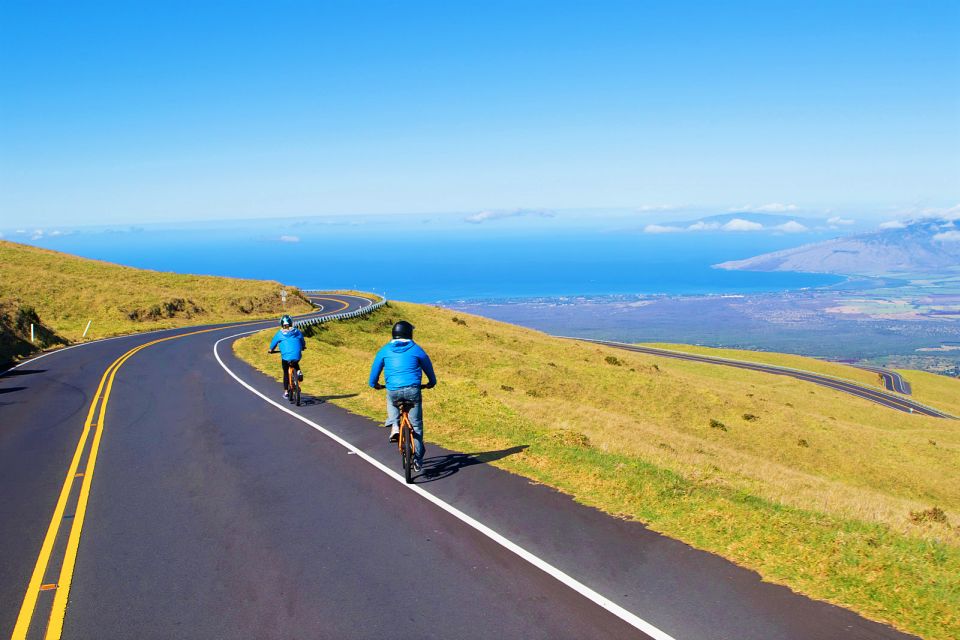
Haleakala has a reputation, but biking gives you a different relationship with it. A scenic drive is mostly about looking. This tour is about moving, braking, and choosing your line through switchbacks. That changes how you notice the island.
What makes this day feel especially well balanced is the structure. You’re not thrown straight into downhill chaos. You go up first with an interpretive vehicle tour, then you start riding down Haleakala Ranch through the switchbacks. After the first big descent, you’re not done either. You continue with another ride segment above Makawao at an area called Triangles, then you roll back toward Haiku.
Two other details help a lot. First, the bikes and protective gear are part of the package, not something you have to scramble for. Second, the group is small, so the guides can actually keep an eye on everyone’s pacing.
You can also read our reviews of more tours and experiences in Kula Hawaii.

Getting started: Haiku Marketplace and the guided ride-up
Your day starts at the historic Haiku Marketplace. That matters because it keeps things simple: you’re not piecing together half the morning across town.
From there, you head up toward the staging area at 6,500 ft. The climb isn’t just transport. It’s an informative interpretive vehicle tour covering Haiku, Makawao, Kula, and Haleakala Ranch. This is where you’ll learn what you’re seeing, including the way the area’s vegetation and island character change with elevation.
In a place like Haleakala, it helps to know what you’re looking at before you start riding. Even if you’re just there for the switchbacks, this guided context can turn a bunch of roadside views into something you can name and explain.
Practical feel: the tour is about 5 hours and usually runs in the morning. That timing tends to work well for clear viewing and a calmer start with fewer crowds around town.
The main event: Kona bikes and two Haleakala Ranch switchback descents
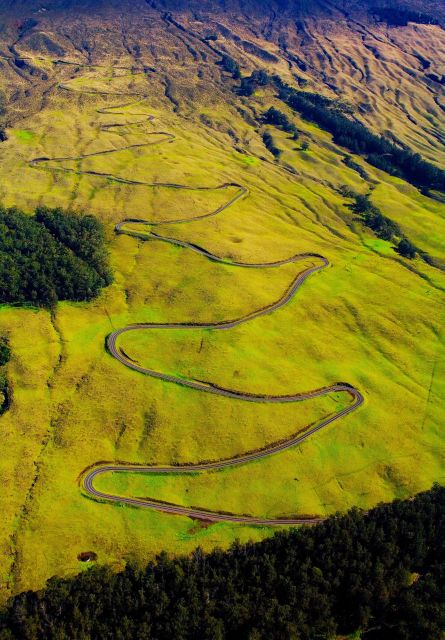
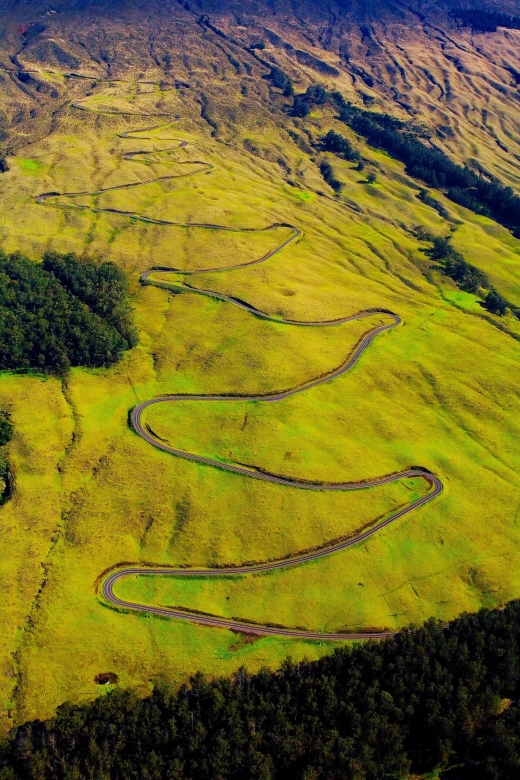
The heart of this tour is the ride down the legendary Haleakala Ranch switchbacks. And the big standout is that you do it twice.
That means the day isn’t just one dramatic downhill burst followed by a long, anticlimactic sit. Instead, you get a proper “start running, focus, breathe” first descent, then you’re back in motion again afterward. In my book, doing switchbacks twice also helps you settle into the rhythm. After the first run, you understand the pace the guides expect and how cautious you personally need to be.
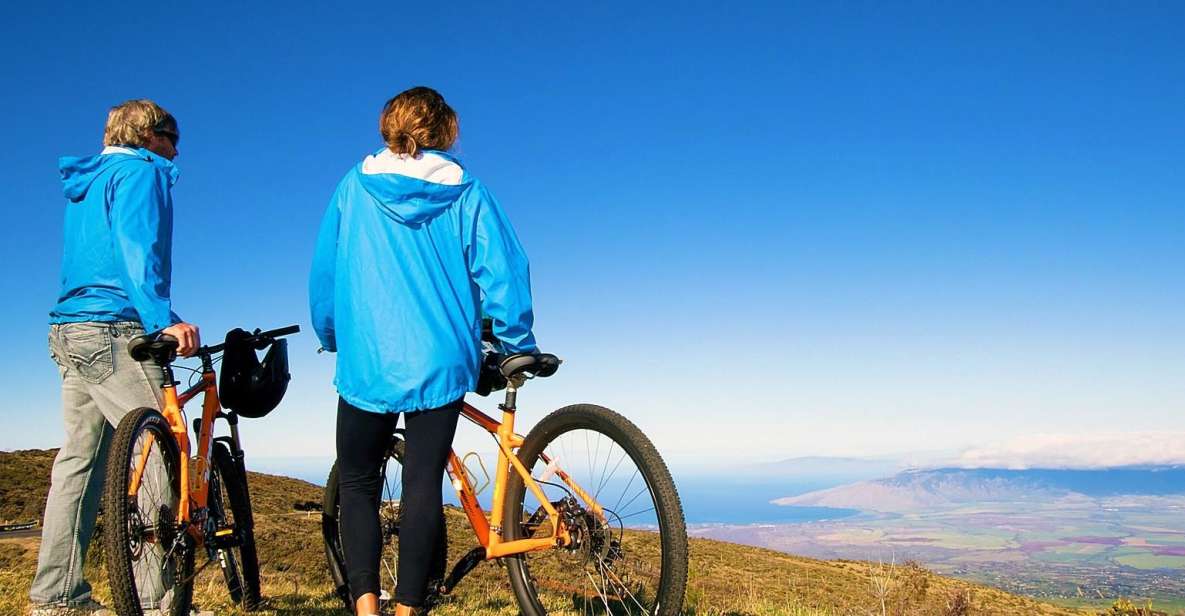
You’ll be on Kona mountain bikes, and the tour includes Bell helmets, Dakine backpacks, and Helly Hansen rain gear. That gear combo is what makes the ride more comfortable and safer than a bare-minimum bike rental.
What to watch for: switchbacks are all about attention. Even if you’re an OK cyclist, you’ll want to stay alert to changes in road feel, turns, and speed. The tour’s structure helps, because you’re guided and set up, but you still need to ride actively.
Also pay attention to your footwear. Open-toed shoes and bare feet aren’t allowed, which is sensible for both comfort and control. Closed-toe options are the obvious move.
After the first descent: board the vehicle and reach Triangles above Makawao
Once you and the group complete your Haleakala Ranch switchback ride, you switch gears: you board the vehicle and head to an area called Triangles, which sits above the historic paniolo town of Makawao.
This is a smart break in the pacing. It gives your legs a reset while you’re still close to the excitement. Then you resume cycling from Triangles for the next segment of the day.
The Triangles stop also sets up the best kind of add-on: a town moment. The tour specifically recommends you stop to explore Makawao town and grab a bite to eat. That’s not just a nice suggestion. It’s what turns this from a pure activity into a Maui day you remember.
In one rider’s experience, they paired the route with lunch at Freshies and called it very tasty. You don’t have to copy that exact plan, but it’s a good reminder that Makawao is a great place to stretch your legs and refuel.
Upcountry Maui feels different when you ride through it
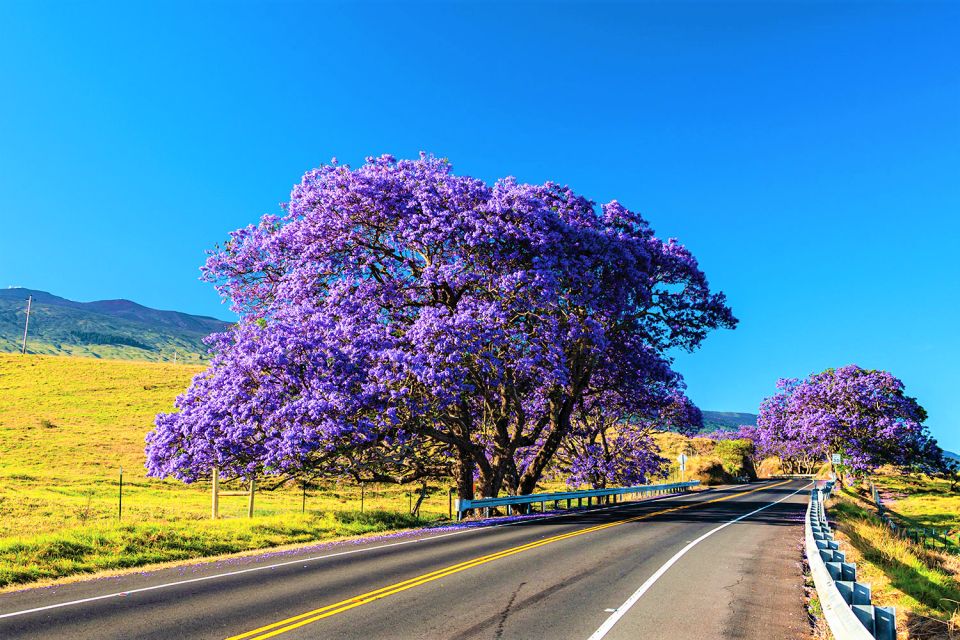
After Makawao, you keep rolling back toward the North Shore, finishing at the shop in Haiku.
Upcountry Maui is not one single view. It’s a set of neighborhoods and elevation bands that change how the air feels and what the vegetation looks like. The vehicle tour helps you “read” the area, and the bike segments let you experience it at your own speed.
This is also where the interpretive part pays off. One of the strongest themes in the ride experiences is that the guide shared information about the island and the vegetation, not just random facts. When a guide connects plants and terrain to elevation and local history, you end up looking more carefully instead of just rushing from point to point.
And because the day includes multiple towns—Haiku, Makawao, and Kula—you’re not limited to a single scenic draw. You get a fuller sense of Maui’s Upcountry side.

Gear check: what’s included (and why it matters)
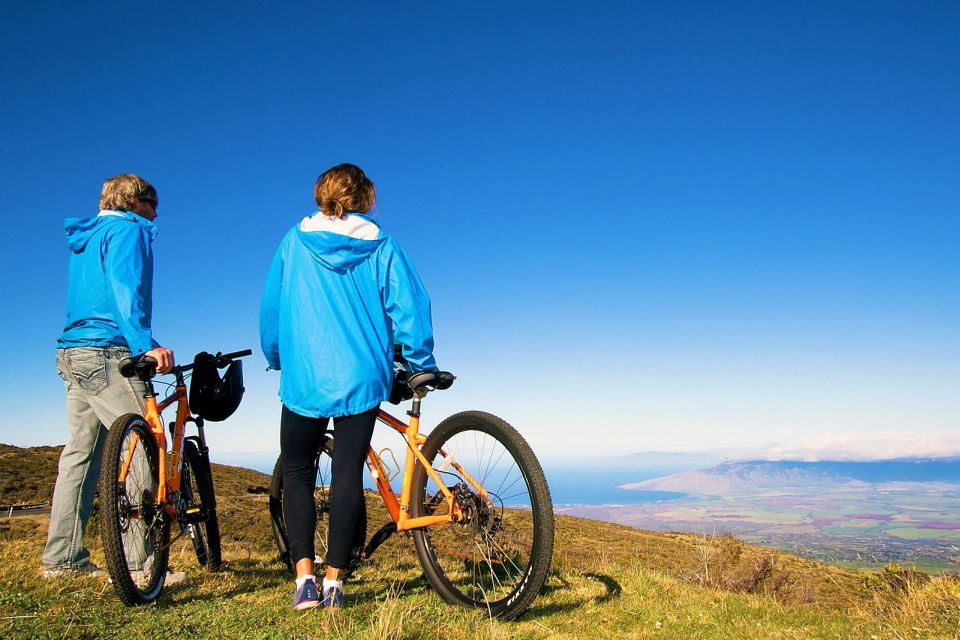
A good bike tour isn’t about having “cool stuff.” It’s about reducing decisions on a day that already has enough going on.
Here’s what’s included:
- Kona mountain bikes
- Helly Hansen rain gear
- Bell helmets
- Dakine backpacks
- Certified interpretive guides
- Informative and interpretive vehicle tour
The bike choice is important. In the feedback, riders specifically praised the bike quality and felt confident and safe. That lines up with the idea that this isn’t meant to be a wobbly starter setup. It’s designed for the kind of terrain where braking and stability matter.
Rain gear is also a big deal on Haleakala. Even if the morning looks fine, elevation can change conditions fast. Having Helly Hansen rain gear included helps you avoid the classic problem of showing up optimistic and then regretting it.
And the helmet isn’t optional. It’s included, and riders called out how protective the head gear felt. That’s exactly what you want on a day involving switchbacks.
No alcohol or drugs is part of the rules, and that’s also a safety and comfort issue. When everyone’s sharp, the ride is better.
Who this tour is for (and who should skip it)
This is an active tour. It’s not a stroll, and it’s not for people who need to be carried.
It’s a great fit if you:
- Can ride a bike comfortably and want an organized, guided downhill experience
- Want to spend part of the day in Upcountry towns like Makawao and Kula
- Appreciate a tour with real interpretation, not just photos
It may not be a good fit if you:
- Are under 15 years old
- Can’t ride a bike
- Are pregnant
- Are over 300 lbs (136 kg)
- Have had a dive within the prior 24 hours
- Are looking for an alcohol-friendly day (it isn’t allowed)
One more useful angle: if you’re nervous but willing, you still might be okay. A rider who wasn’t an avid bike cyclist said they were nervous beforehand but ended up having a great time. That suggests the guides do a good job setting people up.
Still, you should be honest with yourself. If you’re on the edge of bike comfort, focus on safety and follow the guide’s pace.
Price and value: is $138 a good deal for 5 hours?
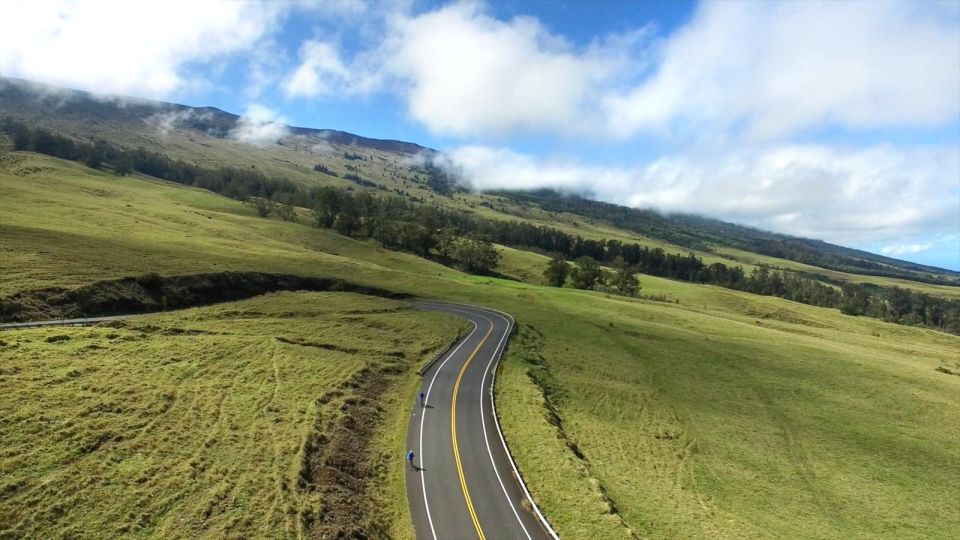
At $138 per person for a 5-hour day, you’re paying for a package: bikes, protective gear, a guide, interpretation, and transport up to the staging area.
To me, the value comes from three things:
- Equipment you actually need is included: helmet, rain gear, backpacks, and the Kona bikes. That reduces the cost and hassle of cobbling together rentals.
- The day has more than one “experience moment”: switchbacks twice plus Upcountry riding and the guided vehicle tour through multiple areas.
- Small group size (limited to 10) means the guide attention is more realistic. You’re not squeezed into a huge crowd where your personal safety can get diluted.
If you compare this to booking a bike rental alone, you’d still need a plan for interpretation and transport up the mountain. Here, it’s baked in.
So yes, it’s not a cheap activity. But it also isn’t just bike time. You’re buying a structured Haleakala day that connects the descent to the island beyond it.
Tips to make your Haleakala day go smoother
You’ll get the gear, but you still control the basics. Here are the practical things that matter most:
- Wear closed-toed shoes. Open-toed shoes and bare feet are not allowed.
- Know you’re doing downhill switchbacks twice. That means you should be prepared to stay focused for the ride segments.
- Bring the right mindset: this is a guided ride with interpretive storytelling. Listening helps you get more out of the views.
- If weather changes, use the rain gear provided. Don’t try to “tough it out” if conditions shift.
- Arrive at the Haiku Marketplace meeting point ready to start on time. The whole day depends on hitting the staging area and keeping the group moving.
Should you book the Haleakala Daytime Self-Guided Express Bike Tour?
Book it if you want a Haleakala bike day that feels organized and meaningful, not just a downhill sprint. The best reasons to choose it are the two switchback descents, the quality Kona bikes plus helmets and rain gear, and the Upcountry Maui focus on Haiku, Makawao, and Kula. If you also enjoy guides who talk about what you’re seeing, this is built for you.
Skip it if you don’t meet the basics: you can’t ride a bike, you’re under 15, you’re pregnant, you’re above the weight limit, or you can’t follow the rules like no open-toed shoes and no alcohol/drugs. And if you had a dive within 24 hours, this isn’t the right plan.
If you’re on the fence because you’re nervous, that’s normal. Just make sure you can ride with control and comfort. This tour is set up to help you do that.
FAQ
How long is the Haleakala Daytime Express bike tour?
The tour duration is 5 hours and it is usually available in the morning.
Where do we meet for the tour?
The meeting point is the historic Haiku Marketplace.
What kind of bikes and safety gear are included?
You get Kona mountain bikes, Bell helmets, and Helly Hansen rain gear, plus a Dakine backpack.
Is there a live guide during the tour?
Yes. The tour includes certified interpretive guides and a live tour guide in English.
What is the ride route like?
You’ll ride Haleakala Ranch switchbacks down from a staging area at 6,500 ft, then continue from an area called Triangles above Makawao, and ride back toward the shop in Haiku.
Does the tour include time for Makawao?
Yes, after the first ride down the switchbacks you’ll head to Triangles above Makawao, and you’ll have a chance to explore Makawao town and grab a bite to eat.
What is the group size?
This is a small group limited to 10 participants.
What are the age and fitness requirements?
The minimum age is 15. It’s not suitable for people who can’t ride a bike.
What restrictions should I know about before booking?
Alcohol and drugs are not allowed. Open-toed shoes and bare feet are also not allowed.
Who should not do this tour?
It is not suitable for pregnant women, people over 300 lbs (136 kg), and people who dive up to 24 hours prior.