REVIEW · KULA HAWAII
Maui: Alpaca Farm Visit with Hands-On Activities
Book on GetYourGuide →Operated by Maui Alpaca LLC · Bookable on GetYourGuide
One of Maui’s best small-farm mix-and-match tours. You get alpaca time for feeding and photos, then a short, hands-on education about fiber and yarn. After that, you finish with a visit to the Angora Bunny Village, where soft bunnies steal the show.
Two things I really like: first, the alpacas are up close and personal, so feeding them feels calm and fun. Second, you don’t just look at the animals; you learn what makes alpaca fiber useful and you watch a traditional spinning wheel demonstration. A guide named Erin is specifically mentioned as being lively and great with kids, which matches the overall family-friendly vibe.
One consideration: it’s only about 1 hour, so you’ll get a taste of each part rather than a long, slow barn-to-barn experience. If you want hours of animal-only time or a deeper textile workshop, this may feel a bit fast.
In This Review
- Key highlights worth planning for
- Your 1-Hour Maui Farm Flow on Haleakalā Slopes
- Meeting Alpacas, Feeding Time, and Photo Moments That Feel Easy
- Alpaca Fiber Lessons That Actually Connect to Real Life
- The Spinning Wheel Demonstration: Turning Fiber Into Yarn
- Angora Bunny Village: Soft Interactions and Bunny Care Basics
- Upcountry Atmosphere and the Feeling of ‘Āina
- Price and Value: How $79 for 60 Minutes Stacks Up
- Who Should Book This (and Who Might Want a Different Fit)
- How to Get the Most Out of Your Alpaca and Bunny Hour
- Should You Book This Maui Alpaca Farm Tour?
- FAQ
- How long is the alpaca farm visit?
- What does the tour include?
- Is transportation to the farm included?
- Are food and drinks provided?
- What language is the live tour guide?
- How big is the group?
- How does booking work if I want flexibility?
- Where does this take place?
Key highlights worth planning for
- Up-close alpaca feeding with plenty of moments for photos
- Alpaca fiber education covering different fiber types and their uses
- Spinning wheel demo showing how fiber becomes yarn
- Angora Bunny Village interactions focused on bunny care and fiber traits
- A small-group format capped at 10 participants for a more personal feel
- Farm setting on Haleakalā slopes with time to soak in the surrounding ‘āina mood
Your 1-Hour Maui Farm Flow on Haleakalā Slopes
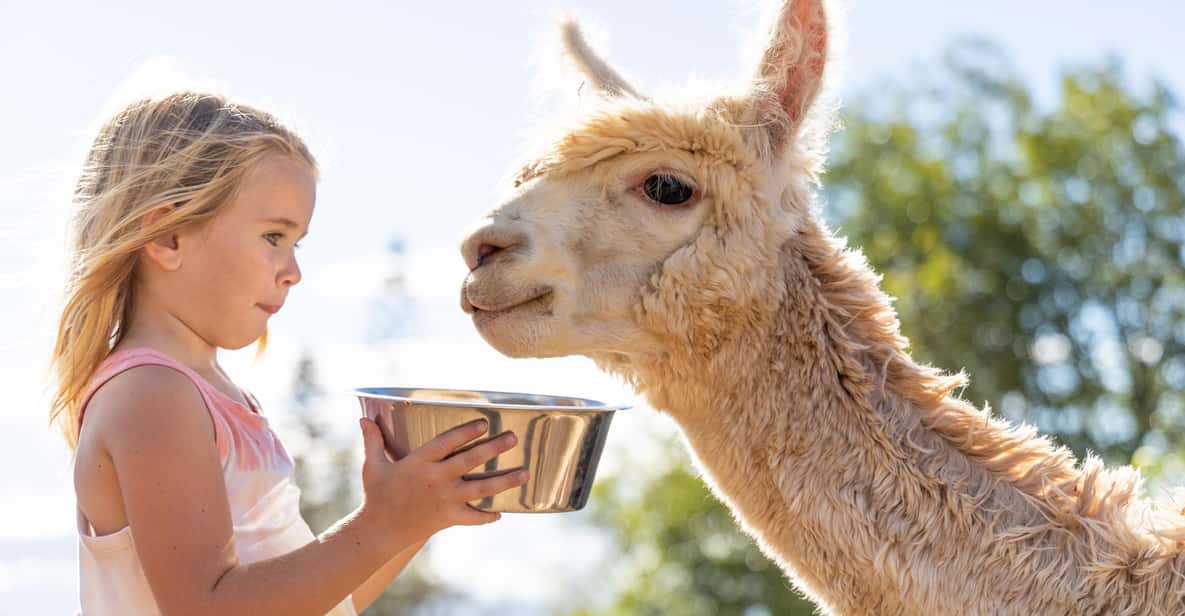
This is built to be simple: you arrive at an eight-acre farm estate on the slopes of Haleakalā National Park, then move through four main experiences back-to-back. The whole visit is about 1 hour, and the pacing keeps it family-friendly without dragging.
Because it’s a small group (limited to 10 people), you’re not lost in a crowd. That matters for animal encounters, where timing and quiet behavior make the experience better for you and the animals.
You should also plan that the tour includes education and demonstrations, not just animal time. If you’re traveling with kids, couples, or a mixed-age group, that’s often a plus because it gives everyone something to look forward to.
You can also read our reviews of more tours and experiences in Kula Hawaii.

Meeting Alpacas, Feeding Time, and Photo Moments That Feel Easy
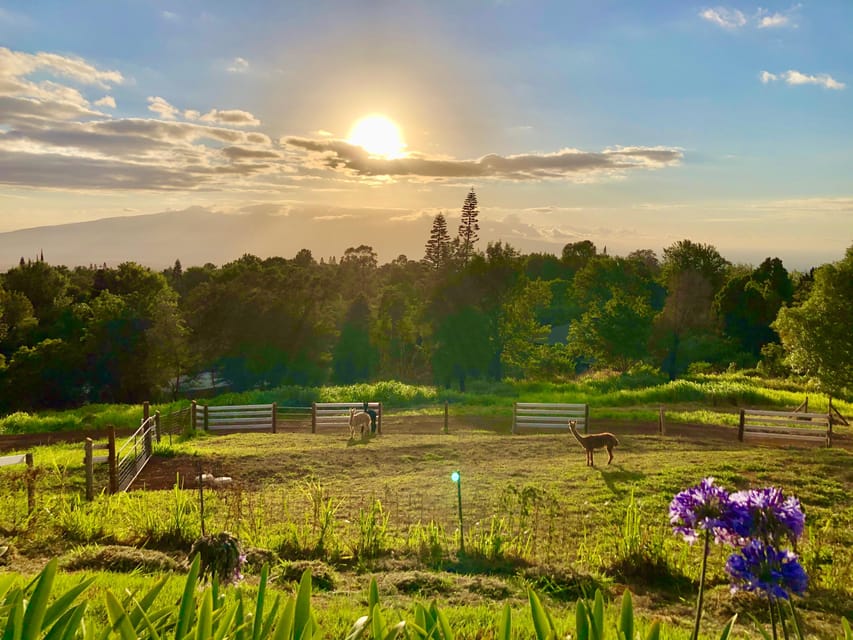
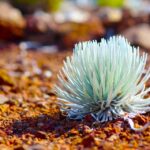
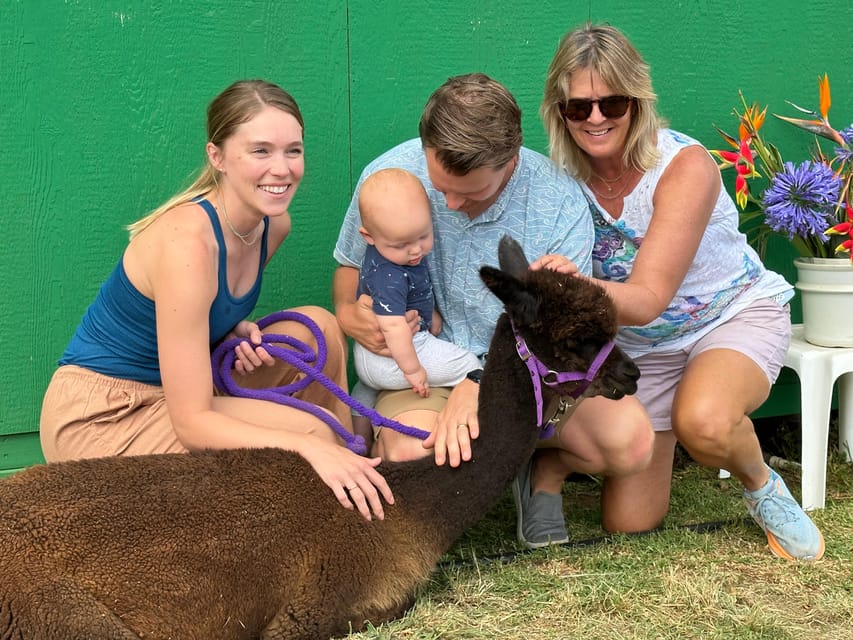
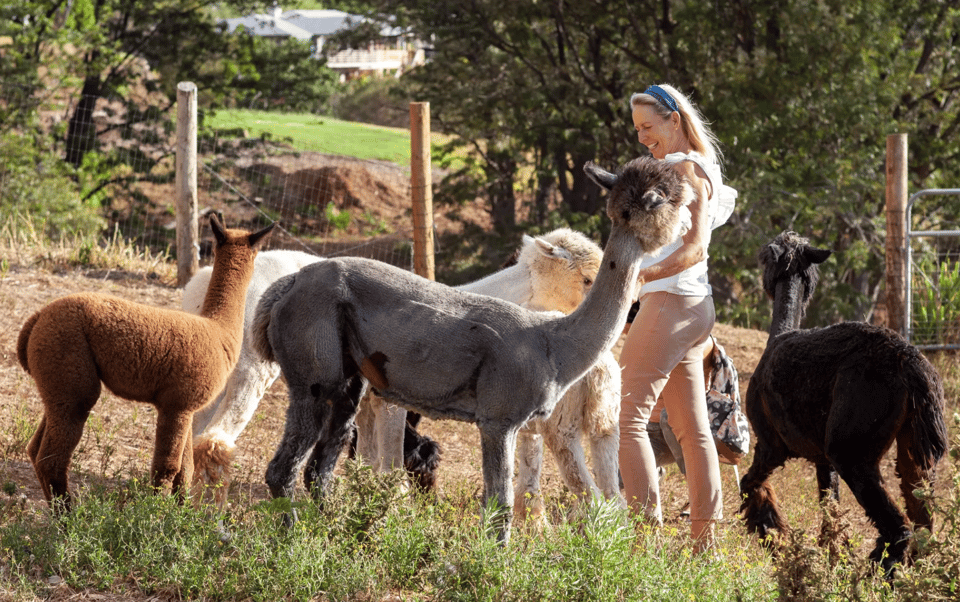
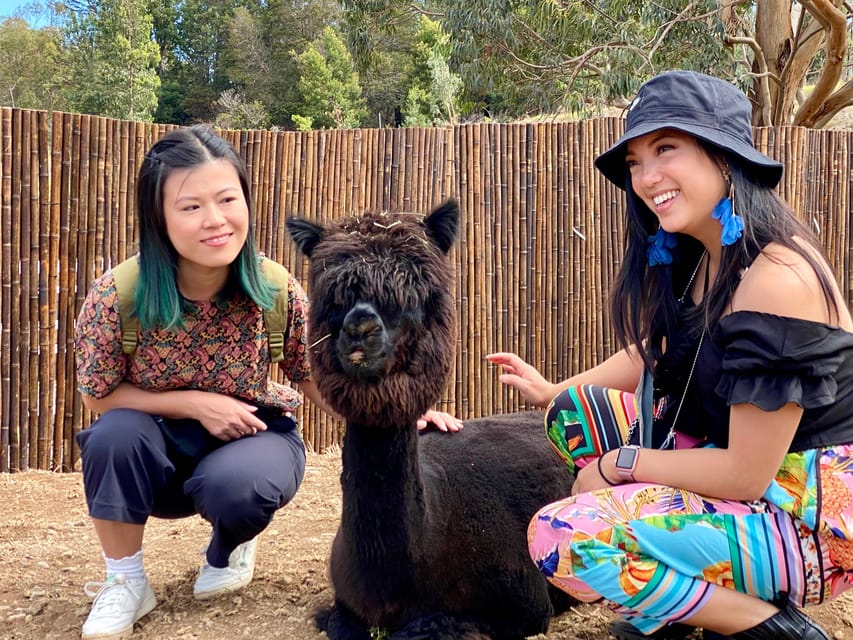
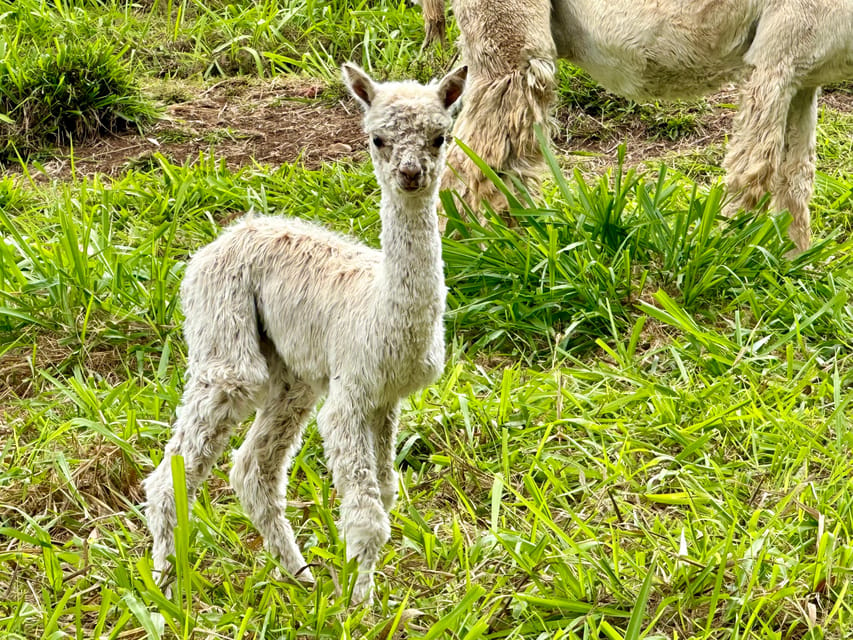
The first stop is the alpacas’ pasture, where you meet the animals and get to feed them. This is the part that most people remember, because it’s direct, tactile, and surprisingly calming once you’re standing there.
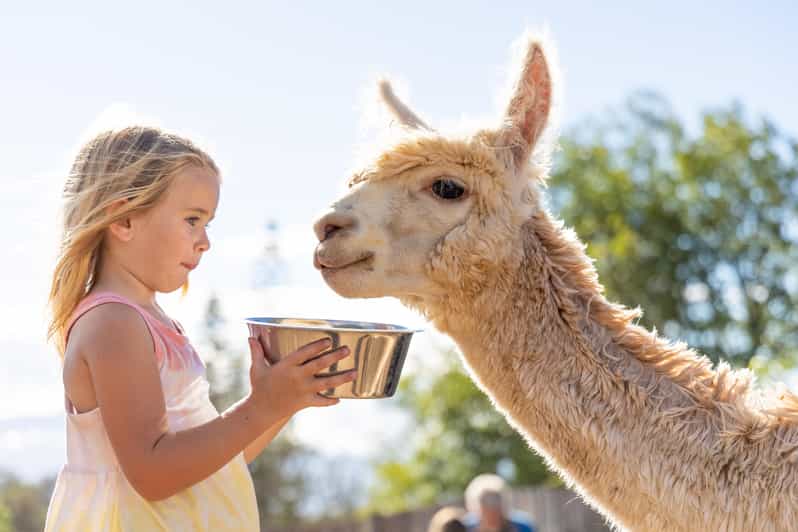
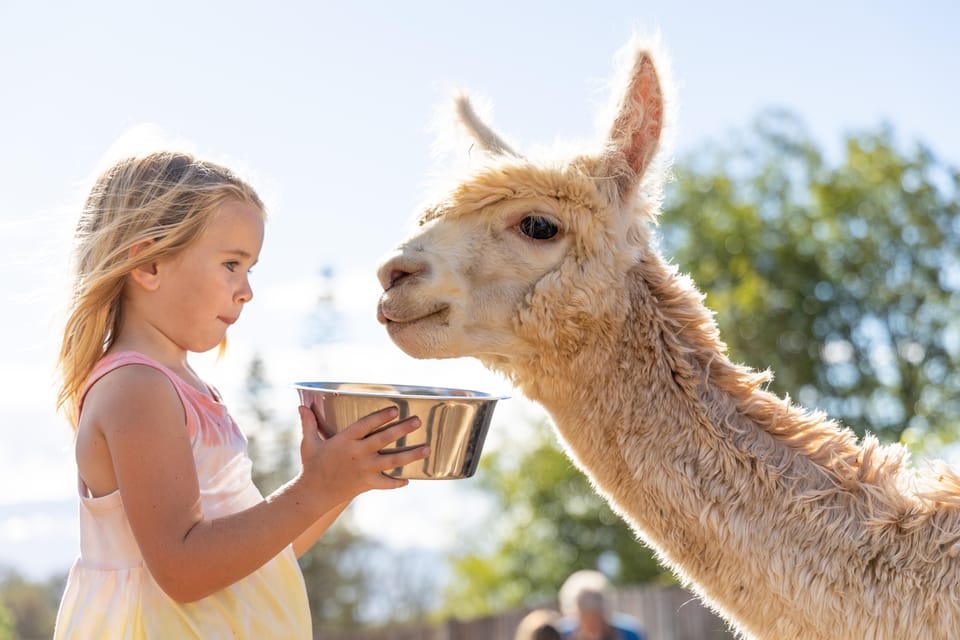
You’ll be close enough to watch their behavior up close. Alpacas are curious by nature, and feeding turns the interaction into something more than just viewing. It also makes taking photos more fun, because you’re not waiting for the animals to decide to show up.
A practical mindset helps here: go in expecting a quick rhythm. One moment you’re watching, the next you’re feeding, then you’re photographing, then you move on. The shorter length is a feature, not a flaw, as long as you’re okay with sampling rather than lingering.
Alpaca Fiber Lessons That Actually Connect to Real Life
Next comes the fiber education portion. You learn about different types of alpaca fiber and what they’re used for. This isn’t heavy textbook stuff; it’s the kind of explanation that helps you understand why alpaca products feel a certain way and why some fibers are chosen for different clothing styles.
This matters if you shop for yarn, scarves, or sweaters on Maui later. Without fiber context, it’s easy to treat alpaca purchases like a souvenir. With this part of the experience, you start to recognize the logic behind the material choice and what you might be paying for.
You’ll also learn about fiber processing and sustainable practices related to how the fiber is handled. That piece gives the tour a deeper purpose than just animals for entertainment. You leave with a better sense of where the product comes from, and why that origin matters.
The Spinning Wheel Demonstration: Turning Fiber Into Yarn
Then you watch a spinning wheel demonstration. It’s a classic craft moment: you see traditional turning methods in action, and you connect the earlier fiber talk to what actually happens next.
Why this part is so valuable: it bridges the gap between theory and the final product. Before, fiber was something you heard about. Now you see the workflow that turns material into yarn, which helps the whole experience click for both kids and adults.
Also, watching live creates a natural pace for photos and questions. If you like learning by watching and asking, this is the section that rewards curiosity.
Angora Bunny Village: Soft Interactions and Bunny Care Basics
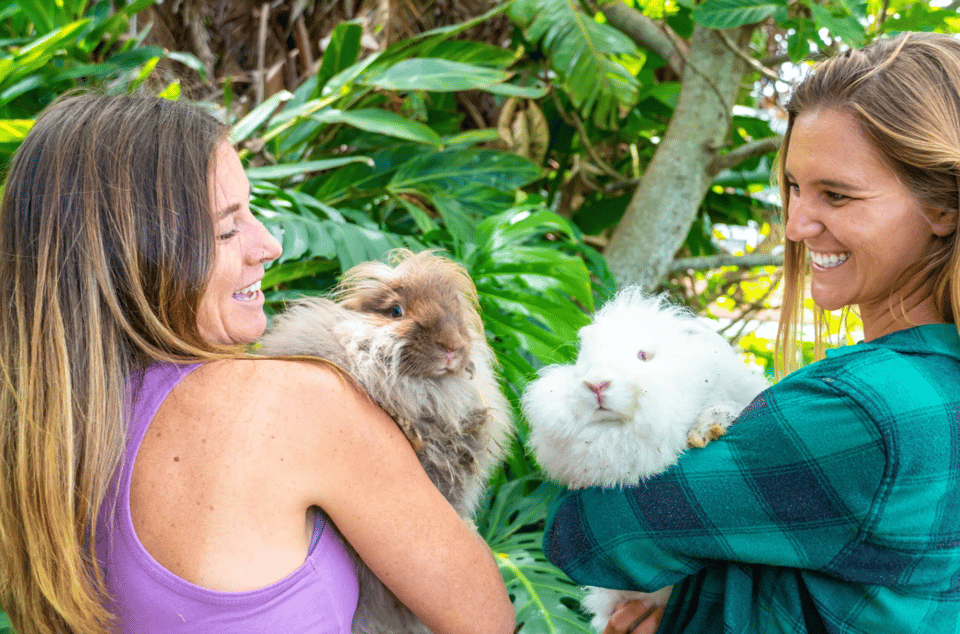
After the spinning wheel, you head to the Angora Bunny Village. Here, you can interact with soft Angora bunnies and learn about their care and the unique qualities of their fiber.
This stop is especially good for children and animal lovers, because the bunnies feel gentle and approachable. It’s one of those experiences where kids usually go from shy to confident quickly, since the activity is designed around calm interaction.
For adults, the care-and-fiber connection is the interesting angle. It keeps the focus on why the bunnies are treated a certain way and how their fiber relates to quality. If you’ve ever wondered why Angora feels different from other fibers, this gives you the human-level explanation to go with it.
Upcountry Atmosphere and the Feeling of ‘Āina
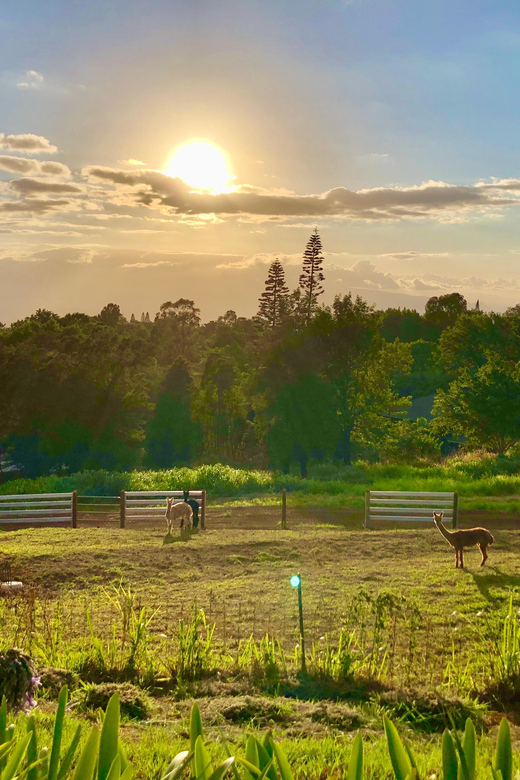
To close, you explore the surrounding Upcountry area and get a sense of the ‘āina theme: healing of the land through animals and nature, with a serene, joyful atmosphere.
This is the softer part of the tour, and it’s worth paying attention to. Animal experiences can sometimes feel like they’re all “look at this, now move on.” Here, the wrap-up gives you a calmer ending, like you’re leaving not just a farm stop, but a place with intention.
You don’t need to be overly spiritual to enjoy it. Even if you’re just there for the animals and fiber education, a quiet moment to take in the surroundings helps the whole hour feel complete.
Price and Value: How $79 for 60 Minutes Stacks Up
At $79 per person for about an hour, you’re paying for a packaged experience with multiple included components: alpaca feeding, fiber education, a spinning wheel demonstration, and the Angora Bunny Village visit.
Here’s the value logic I’d use if I were deciding: this isn’t a single-animal petting zoo. It’s four segments that teach something and show something, not just “watch and go.” If you’re traveling with kids, the mix is especially useful, because they stay engaged through variety: feed alpacas, learn about fiber, watch spinning, then meet bunnies.
The short duration is also part of the value. It’s long enough to cover the highlights, but short enough to fit into a day that may already include drive time around Upcountry.
Two things to keep in mind that affect your total spend: transportation isn’t included, and food and drinks aren’t included. If you’re budgeting tightly, plan those separately so the final day cost matches your expectations.
Who Should Book This (and Who Might Want a Different Fit)
This experience is a strong match for:
- Families, especially with younger kids who enjoy feeding and gentle animal interactions
- Couples who want something real and educational, not just a scenic stop
- People who like crafts or fibers and enjoy seeing traditional processes firsthand
- Small groups looking for a guided activity where everyone stays included
You might look at alternatives if:
- You want a long, deep animal-focused visit with lots of free time
- You’re only interested in one segment (for example, just alpacas) and would prefer a single-purpose experience
- You’re expecting a full-day farm immersion rather than a tight guided hour
The small-group size helps reduce that “we’re rushed” feeling, but the schedule is still designed to be compact.
How to Get the Most Out of Your Alpaca and Bunny Hour
A few ways to make this hour work harder for you:
- Come with questions about fiber and yarn. The educational portion is part of the payoff, and asking at the right time can make the demonstration more meaningful.
- Take photos during feeding, not only after. The pasture moments are when you’ll get the most natural interaction.
- Focus on the bunny care learning, not just the cuddling. That part ties directly to the Angora fiber qualities being discussed.
- If you like to remember a trip with something you can use, check the on-site shop. One review highlights a small gift shop with gifts for both kids and adults, which fits the farm theme well.
If you’re traveling with children, set expectations gently before you arrive: you’ll feed alpacas, watch spinning, and then visit the bunnies. Kids handle transitions best when they know what’s next.
Should You Book This Maui Alpaca Farm Tour?
If you want a short, guided activity that blends animals with real learning, this is an easy yes. The combination of alpaca feeding, fiber education, a spinning wheel demo, and an Angora Bunny Village visit gives you multiple “wow” moments in one hour.
I’d especially book it if you’re traveling with kids or you enjoy hands-on crafts and materials. The small group limit (10 people) helps it feel more personal than a typical farm stop.
One final check: if you hate time limits or you want an extended stay in the pasture, you may feel a bit rushed. But if you’re looking for a focused Upcountry experience with a friendly live guide in English, this one fits nicely.
FAQ
How long is the alpaca farm visit?
The experience lasts about 1 hour.
What does the tour include?
It includes alpaca feeding, fiber education, a spinning wheel demonstration, and a visit to the Angora Bunny Village.
Is transportation to the farm included?
No. Transportation to the farm is not included.
Are food and drinks provided?
No. Food and drinks are not included.
What language is the live tour guide?
The live tour guide provides the tour in English.
How big is the group?
The tour is limited to a small group of up to 10 participants.
How does booking work if I want flexibility?
You can reserve and pay later, and you can cancel up to 24 hours in advance for a full refund.
Where does this take place?
It takes place at an eight-acre farm estate on the slopes of Haleakalā National Park in Maui, United States.