REVIEW · HAIKU HAWAII
Haleakala Sunrise Guided Bike Tour with Bike Maui
Book on GetYourGuide →Operated by Bike Maui · Bookable on GetYourGuide
Haleakalā sunrise hits differently. This guided Haleakalā bike tour strings together a summit sunrise with a fast, scenic downhill ride on the world-famous switchbacks, and then adds time in Makawao for breakfast and local color. I like that the tour is both scenic and structured, with certified interpretive guides who explain what you’re seeing along the way. You’ll also get two crack-the-storm switchback runs, including the Fabulous 29 descent twice.
The best part for me is how the morning starts at nearly 10,000 feet and turns into a bike ride that actually makes sense, elevation and all. You’ll begin the downhill at around 6,500 feet outside the park entrance, so you feel the momentum right away without spending the whole day just climbing.
One heads-up: if you’re hoping for a full-send, high-speed downhill style, expect a more safety-first approach. The ride comes with frequent cautions about potential dangers, and the pacing may feel less “thrill-biker” than you want.
In This Review
- Key things that make this Bike Maui tour special
- Why a Haleakalā Summit Sunrise Changes the Whole Day
- The Early Timing: Predawn Setup and Nearly 10,000 Feet
- From Summit Views to a Bike Start Around 6,500 Feet
- Riding the Fabulous 29 Switchbacks Twice: What to Expect
- The Included Bikes and Gear: What You Should Know Before You Go
- Guided Stops and Interpretive Talk: How the Tour Stays Interesting
- Makawao Breakfast and Upcountry Driving: The Day After the Descent
- Price and Value: Is $295 Fair for This Kind of Morning?
- Who This Tour Fits Best (and Who It Doesn’t)
- Safety Expectations on Haleakalā: The Cautions Are Part of the Product
- Practical Tips: What to Pack and How to Plan Your Day
- Should You Book Bike Maui’s Haleakala Sunrise Guided Bike Tour?
Key things that make this Bike Maui tour special
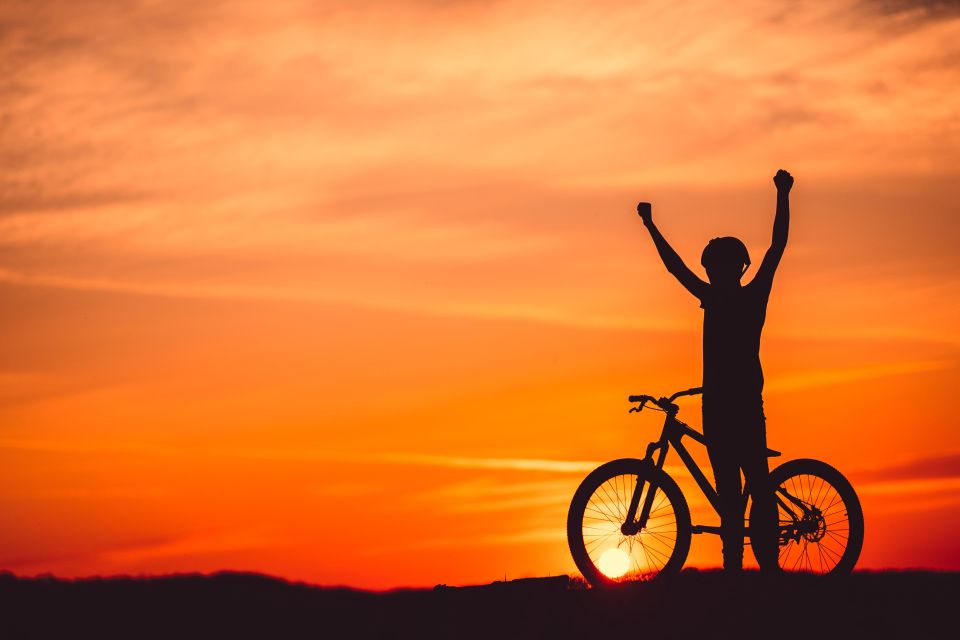
- Summit sunrise with serious elevation: you’re nearly 10,000 feet up before the sky opens.
- Downhill on the Haleakalā switchbacks, twice: the famous descent gets repeated, which you’ll feel in your legs.
- Start the ride around 6,500 feet: the timing sets you up for a long, satisfying descent.
- Interpretation built into the ride: guides talk history and Maui context during the sunrise and downhill stops.
- Included kit that matters at altitude: Kona bikes, helmets, and Helly Hansen rain gear are part of the deal.
- Makawao breakfast plus upcountry driving: you trade park views for town charm after the ride.
Why a Haleakalā Summit Sunrise Changes the Whole Day
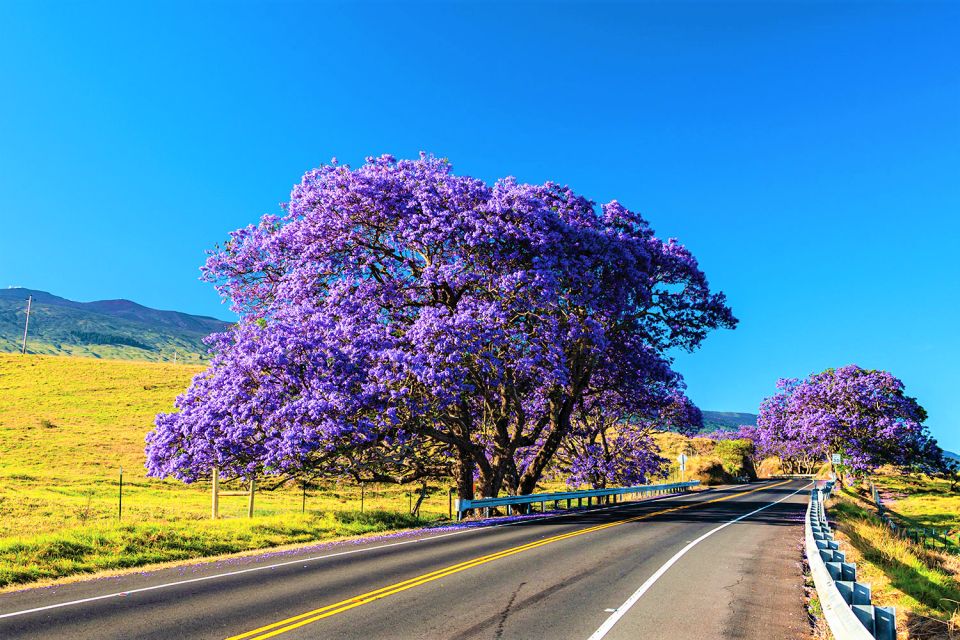
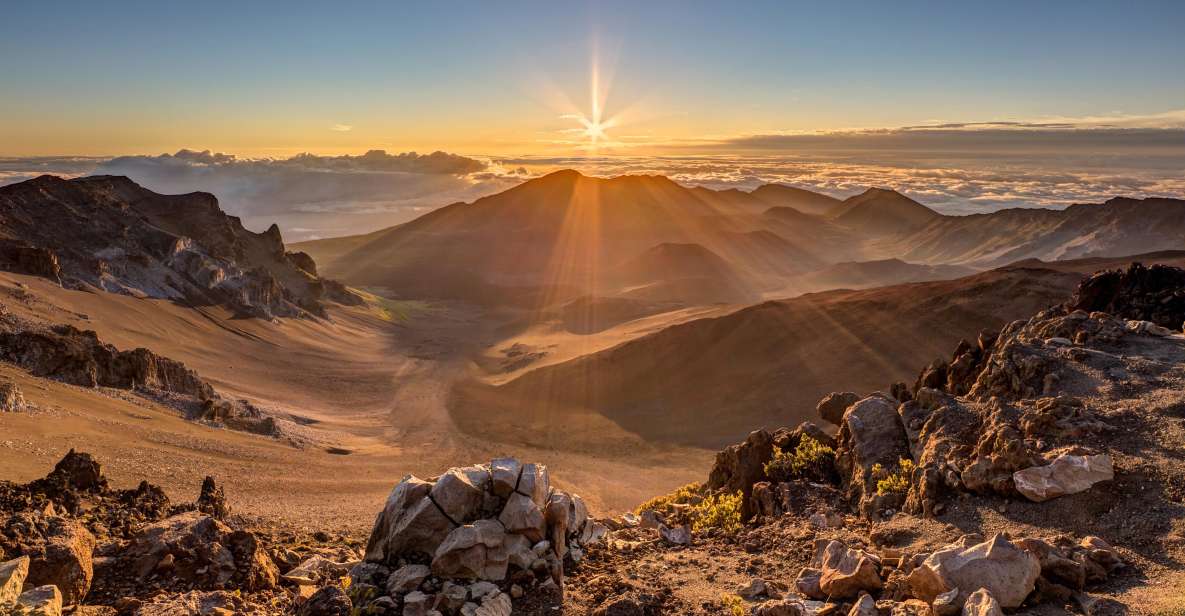
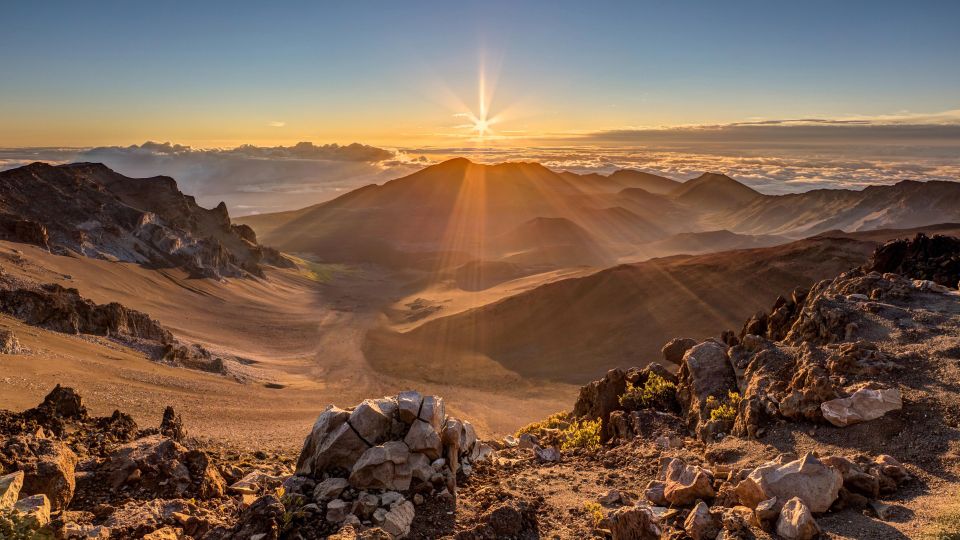
If you’ve only seen Haleakalā from the road, you’ll feel the difference immediately. The sunrise at the summit is one of those moments that reshapes your sense of scale: you’re above the clouds, looking down on a volcanic crater area that feels both vast and precise at the same time.
On this tour, the sunrise isn’t a quick photo stop. You travel early, get up to the summit area, and then watch the first light stretch across the volcanic terrain. After that, the day doesn’t stall. It transitions into a downhill ride while the view is still fresh in your mind.
The interpretation piece helps too. When guides are actively explaining what you’re looking at, the scenery becomes more than background. You end up with a story in your head, not just a camera roll.
You can also read our reviews of more cycling tours in Haiku Hawaii

The Early Timing: Predawn Setup and Nearly 10,000 Feet
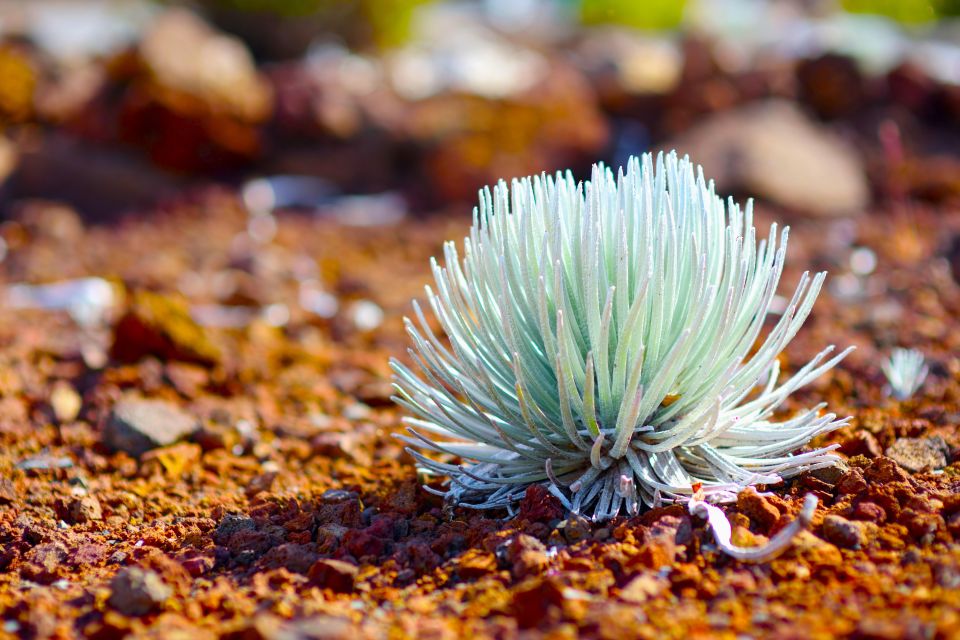
This is a morning-focused experience with an early start. You’ll head up to the summit before dawn, riding into cooler air as the elevation climbs to nearly 10,000 feet above sea level.
That “predawn to sunrise” window is more than scenic drama. At high altitude, conditions can feel sharper and more changeable, so going prepared matters. The cool start also sets up the ride: you arrive feeling alert, not sleepy, and once the light comes, you can see the road and switchbacks clearly for biking.
A smart planning note: this is not a late start “casual tour.” It’s structured around getting you positioned for sunrise first, then moving into biking right after.
From Summit Views to a Bike Start Around 6,500 Feet
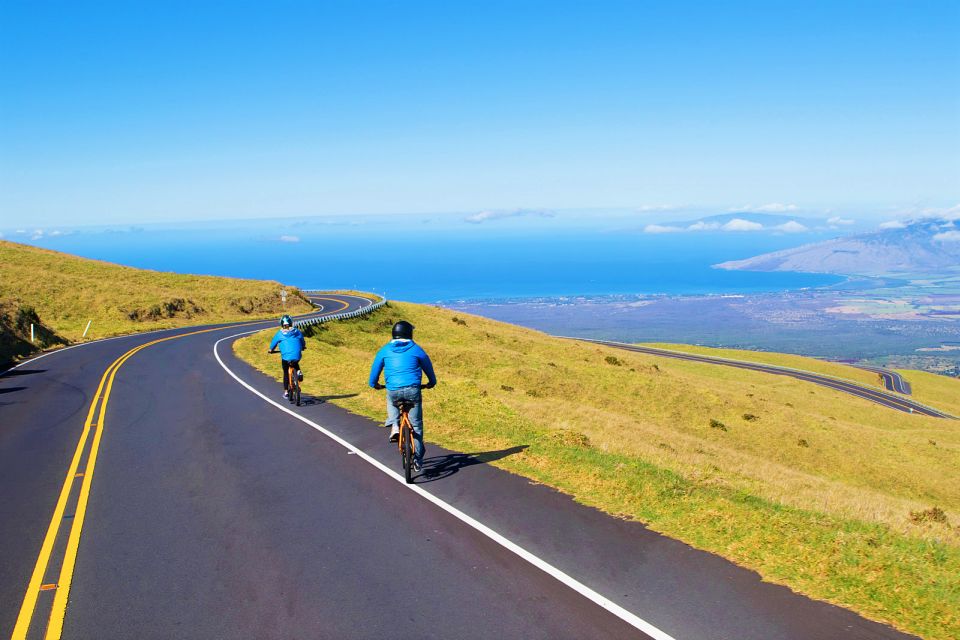
After sunrise, the biking begins at about 6,500 feet, right outside the park entrance. That detail matters because it shapes how the downhill feels. You’re not launching from sea level and hoping for the best. You’re starting high enough that you get a real descent, with views opening as the road drops away.
The air at this height can feel cool, especially in the early hours. Even if the sun comes out, you may still want layers. The tour provides rain gear, but your comfort still depends on how you dress for cold-to-bright conditions.
Once you’re geared up, you roll into a guided ride that keeps you pointed the right way, with stops built in so you can reset, look out, and understand what’s around you.
Riding the Fabulous 29 Switchbacks Twice: What to Expect
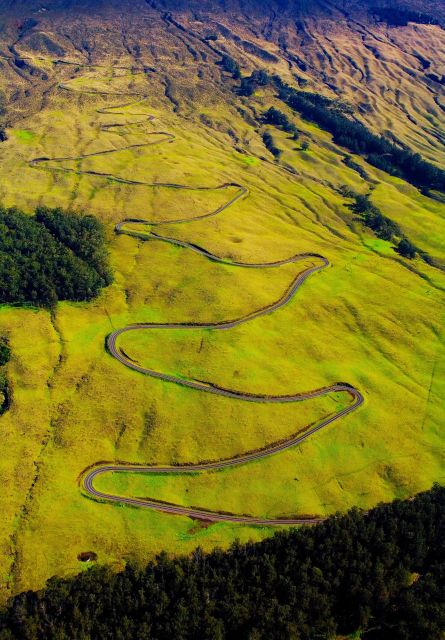
The signature thrill here is the downhill on the famous Haleakalā switchbacks, called the “Fabulous 29.” And yes, you do it twice.
That repetition is unusual. Most tours give you one full descent and move on. Here, the second run gives you a different perspective: you’ll likely recognize turns and sightlines you missed the first time, and you’ll have a better read on how the road flows.
Still, this is not a free-for-all. Expect a guided downhill experience with safety-first reminders. One thing to watch for: if you want an aggressive, fast, downhill-bike style with minimal coaching, the constant warnings can feel like overkill. The tour is designed for safe riding and viewing, not for testing your downhill limits.
Plan to focus on technique and control. On switchbacks, your biggest win is smooth, predictable movement. If you stay relaxed and follow the guidance, the route becomes a long sequence of manageable turns with huge payoffs.
The Included Bikes and Gear: What You Should Know Before You Go
You’ll get Kona mountain bikes, which is a good match for a guided downhill where the goal is stable handling and comfortable ride positioning. You’ll also wear a Bell helmet, and you’ll get Helly Hansen rain gear plus a Dakine backpack.
This is the kind of included list that makes a difference at Haleakalā. At altitude and early morning, weather can shift fast, and having rain gear included saves you from scrambling for last-minute purchases.
What’s on you is clothing and shoes. Bring closed-toe shoes. That’s not just for policy; it’s for comfort and safety on a bike where your feet need secure grip.
If you’re sensitive to cold, think beyond just rain. The tour provides rain protection, but you’ll still want layers that let you stay comfortable from predawn into sunrise and the downhill air.
Guided Stops and Interpretive Talk: How the Tour Stays Interesting
A big reason this tour works is that it doesn’t treat the ride as just transportation. The guides provide informative and interpretive commentary during the sunrise experience and throughout downhill stops.
In practical terms, that means you’re not only steering and pedaling. You’re also learning why certain views matter and how Maui fits into what you’re seeing. It’s the difference between watching scenery and understanding it.
At multiple downhill moments, expect stops that give you time to look around and absorb the crater-and-island view. That also helps manage energy. Even if the biking is downhill, your body still works: braking, balance, and staying attentive take effort.
If you like explanations tied to what you’re doing, this format will feel satisfying. If you’d rather have silence and speed, you may find the talk and cautions slow you down a little.
Makawao Breakfast and Upcountry Driving: The Day After the Descent
Once the biking wraps up, you meet the tour vehicle and head through Maui’s upcountry region. This part is more relaxed, and that’s on purpose. After an intense early start and a two-run switchback ride, you’ll want a reset.
The drive itself focuses on lush greenery, farms, and local communities. It’s a chance to see a different side of Maui than beach towns—one with agriculture and small-town rhythm.
Then comes Makawao, a quaint upcountry town where the tour includes a breakfast stop. This is a practical bonus: it gives you fuel without requiring you to research a place at sunrise hour chaos. You’ll find local cafes and eateries, art galleries, and a laid-back atmosphere built for wandering and eating.
If you’re a photo person, Makawao also works well for a slower pace. If you’re a “legs out, sit down” person, the breakfast break is your reward.
Price and Value: Is $295 Fair for This Kind of Morning?
$295 per person is not a bargain price. But it’s also not just paying for bike rentals and a sunrise viewpoint. Here’s what you’re buying, practically:
- Guided sunrise at Haleakalā with park access included
- A guided downhill biking experience with the famous switchbacks
- The “twice” factor on the switchbacks, which increases the time and effort you get from the morning
- Included gear: Kona bikes, helmets, Helly Hansen rain gear, and Dakine backpacks
- Certified interpretive guides and structured stops
- A full day arc that ends with upcountry driving and a Makawao breakfast stop
When you add it up, the value comes from the package. You avoid the hassle of arranging sunrise logistics, bike handling for a specialized route, and interpretation that makes the scenery meaningful.
The main value trade-off is this: you’re paying for a guided, safety-first experience. If you want independent speed or advanced downhill riding freedom, this may feel more structured than you hoped. If you want a high-reward morning that’s managed well, it makes more sense.
Who This Tour Fits Best (and Who It Doesn’t)
This tour is a strong match if you want a bucket-list sunrise and a guided downhill that’s more about views and guided technique than racing.
It also fits well if you enjoy learning while you travel. The interpretive component is built into the experience, not bolted on afterward.
But it’s not for everyone:
- Minimum age is 15.
- It’s not suitable for pregnant women.
- It’s not suitable for people over 300 lbs (136 kg).
- If you’ve been diving up to 24 hours prior, it’s not suitable.
So if you’re within the limits and you’re comfortable riding a bike downhill under guidance, you’re likely in the sweet spot.
Safety Expectations on Haleakalā: The Cautions Are Part of the Product
That one potential drawback deserves attention. Expect constant warnings about potential dangers. That doesn’t mean the ride is unsafe. It means the guides are managing risks on a route that demands attention.
Here’s how to think about it: Haleakalā’s switchbacks are not a parking-lot loop. You’ll be concentrating on line choice, braking, and staying balanced through turns. Warnings help keep the group aligned and prevent avoidable mistakes.
If your idea of fun is maximum speed and minimal guidance, those cautions can feel like a buzzkill. If your idea of fun is riding the switchbacks while still controlling your nerves, the reminders can feel reassuring.
Either way, treat the cautions as part of the deal. They’re there because the environment makes precision matter.
Practical Tips: What to Pack and How to Plan Your Day
You already know the basics, but on a Haleakalā sunrise tour, details matter.
Bring:
- Closed-toe shoes (required)
Consider:
- Layers for cool predawn conditions, since you’re at high elevation
- Rain-ready clothing habits, even though rain gear is included, because the morning air can still feel chilly
- A mindset for a long, structured morning: you’re starting early, biking, then driving and eating
Also, plan for focus. This is not the kind of day where you can drift into phone scrolling and show up just for photos. You’ll get more from it if you stay present and let the guide’s timing do its job.
Should You Book Bike Maui’s Haleakala Sunrise Guided Bike Tour?
Book it if you want a one-day plan that combines a true summit sunrise with the famous switchbacks, including the chance to ride the Fabulous 29 twice, and then adds upcountry Maui and Makawao breakfast afterward. The included gear and guided interpretation are the real value drivers, and the safety-first approach makes sense for a high-elevation, switchback-heavy route.
Skip it if you’re chasing a speed-focused downhill workout and dislike frequent warnings or a structured pace. If your biking expectations are more about controlled sightseeing than aggressive riding, though, this tour is an efficient way to experience the best parts of Haleakalā in one go.