REVIEW · LAHAINA
Lahaina: Group Surf Lessons for Beginners
Book on GetYourGuide →Operated by Goofy Foot Surf School · Bookable on GetYourGuide
Surfing lessons in Lahaina feel doable. This beginner group class pairs certified instructors with modern soft longboards, so you’re not starting from scratch in the lineup. I like the structure too: you get hands-on beach coaching first, then you head into the warm water for real practice.
Two things I really like: you’re capped at small teaching groups (no more than 5 students per instructor), and the lesson is built around safety plus fundamentals, not just playtime. You’ll also leave with a Beginner Surfer Diploma and a Goofy Foot Surf School sticker, which is a fun souvenir that actually matches what you worked on. One consideration: this is a group lesson (not private), so if you want one-on-one correction for a specific issue, you may find you need that extra attention elsewhere.
In This Review
- Key Things to Know Before You Go
- Why Lahaina Beginner Surf Lessons Feel Like a Smart Start
- The Two-Hour Flow: Beach Basics First, Warm-Water Practice Next
- Stage one: land + flat water (about the first 30 minutes)
- Stage two: Lahaina water (the rest of the lesson)
- Instructor Coaching That Actually Helps You Ride
- Gear Choice: Why Softboards, Booties, and Lycra Matter
- The Skills You’ll Learn: More Than Just Standing Up
- What You Get at the End: Diploma and Sticker That Feel Earned
- Meeting Point and What to Bring So Check-In Is Smooth
- Price Value: What $366 Buys (and Why It’s Not Just the Board)
- Who This Lesson Suits Best in Lahaina
- Small-Group Reality Check: The Only Potential Downside
- Should You Book This Beginner Surf Class?
- FAQ
- What age is this beginner group surf lesson for?
- How long is the lesson?
- What is provided during the lesson?
- What should I wear and bring?
- Where do I meet for the lesson?
- How many students does each instructor teach?
- What happens during the first part of the lesson?
- What do you work on in the water after that?
- Are meals and drinks included?
- Is this lesson suitable for wheelchair users?
Key Things to Know Before You Go
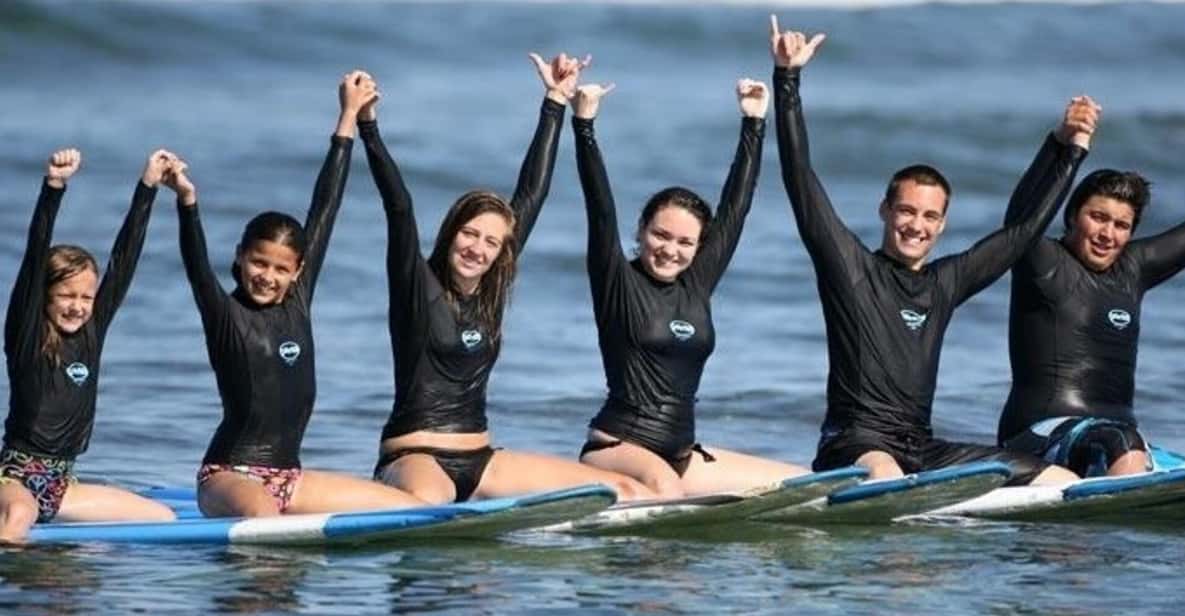
- Soft longboards and protective gear mean less stress for first-timers and safer wipeouts
- Half the lesson on land/flat water helps you get your technique before you chase waves
- Max 5 students per instructor keeps coaching personal, not generic
- Safety + ocean awareness are part of the plan, not an afterthought
- A real skills checklist covers paddling, stances, maneuvers, stopping, and wiping out
- Diploma plus sticker give you something tangible to take home
Why Lahaina Beginner Surf Lessons Feel Like a Smart Start
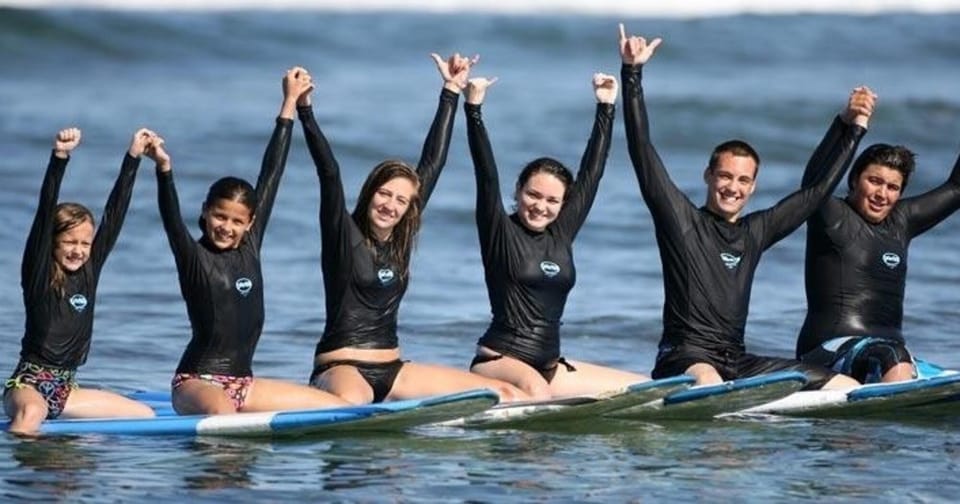
If you’re picturing your first surf lesson as pure luck, this setup is the opposite. The whole approach is designed to get you moving quickly while still keeping you safe. You’ll work with soft longboards (the kind that forgive mistakes), plus booties and a protective lycra top, which helps you feel more comfortable from the first minutes in the water.
Lahaina is also the kind of place where the water temperature and setting make it easier to focus. When you’re not fighting harsh conditions, you can actually pay attention to timing and body position. That matters, because beginner success in surfing usually comes down to a few repeatable skills: paddling efficiently, reading what the water is doing, and setting up your board at the right moment.
What I like most is the lesson doesn’t promise instant mastery. It promises skill-building. You’ll leave knowing what you should work on next, which is what makes a first lesson useful rather than just entertaining.
You can also read our reviews of more tours and experiences in Lahaina
The Two-Hour Flow: Beach Basics First, Warm-Water Practice Next
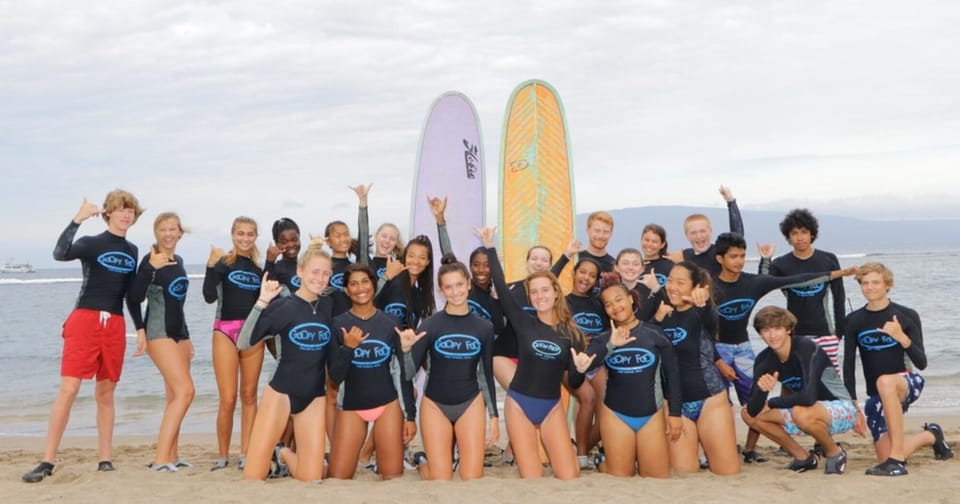
This class runs about two hours, and the time is broken into two clear stages. First comes instruction on land and in flat water. That early chunk is where you get your bearings fast.
Stage one: land + flat water (about the first 30 minutes)
You’ll start by outfitting you with gear and going over what you’re about to do. Then the focus shifts to basics:
- paddling
- navigating the surf zone
- catching waves (in simpler, manageable conditions first)
This matters because “surf zone navigation” isn’t just a safety lecture. It’s about understanding where to wait, how to position yourself, and what to watch for so you’re not guessing. When that’s handled early, you can spend the later stage actually trying to ride.
Stage two: Lahaina water (the rest of the lesson)
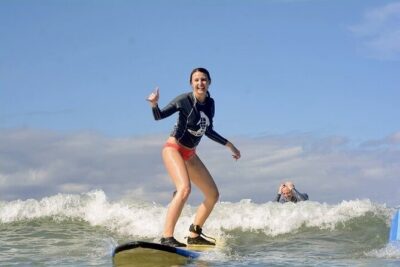
Once you’re comfortable with the fundamentals, you head into the warm water of Lahaina. This is the section most people remember: you get continuous coaching while you practice. The instructors guide you through repeating the core moves until they click.
The lesson still stays beginner-friendly and supervised. You’re not left to figure it out alone, which is often what makes first-timers stall. In the reviews, the consistent theme is that instructors keep you moving into the water quickly after a short setup—one guide pair (Junior and Fabio) is specifically called out for doing a brief demonstration on land and then getting students straight into the action.
Instructor Coaching That Actually Helps You Ride
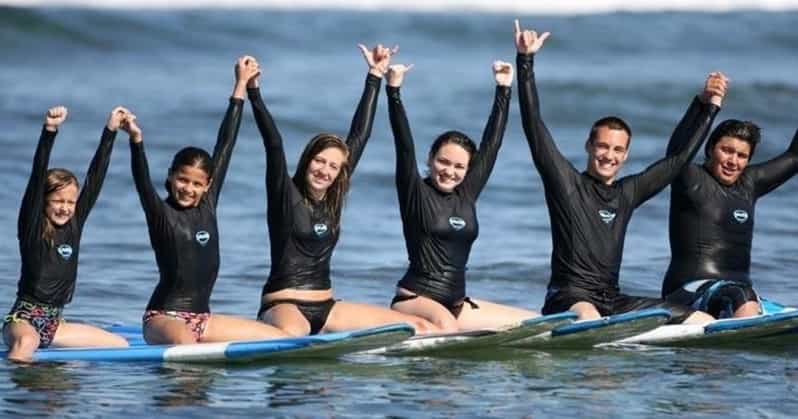
The instructors are certified and have years of experience. There’s also a strong emphasis on keeping the group small. With a maximum of 5 students per instructor, you’re more likely to get correction on your stance and timing, not just a general pep talk.
Language options are another practical win: you can be taught in English, French, Portuguese, or Spanish. If you’re traveling with kids or you’re not fully confident in English, that’s a real comfort factor.
And the review detail I found most meaningful isn’t just praise for enthusiasm. It’s the teaching rhythm. Junior and Fabio were described as giving a short land demo and then getting everyone into the water quickly. That’s a smart flow for beginners: you don’t waste time with long theory, but you also don’t skip the basics.
In another review, the guide was described as amazing, with the group able to surf several times and get up most of the time. That’s a good sign that the coaching isn’t theoretical. It’s intervention-based—helping you adjust right when you need it.






Gear Choice: Why Softboards, Booties, and Lycra Matter
This lesson provides everything you need to start:
- surfboard
- booties
- lycra t-shirt
- diploma
- sticker
The biggest practical detail is the board: modern soft longboards. Softboards reduce the fear factor for first-timers. If you’re wiping out (which you will), you’re doing it on equipment designed for safer impact. They also tend to be more stable than harder boards, so beginners can focus on balance and timing rather than instantly fighting the board.
Booties add comfort and help protect your feet. That’s especially useful in ocean conditions where surfaces can be uneven. The lycra top is also more than “extra clothing.” It’s protective, and it helps you stay comfortable while you’re sitting, paddling, and moving around in the water.
If you’re used to renting equipment that feels old or mismatched, this setup is more reassuring because it’s built around beginner safety. You’ll spend less energy worrying about gear and more energy learning what your body should do next.
The Skills You’ll Learn: More Than Just Standing Up
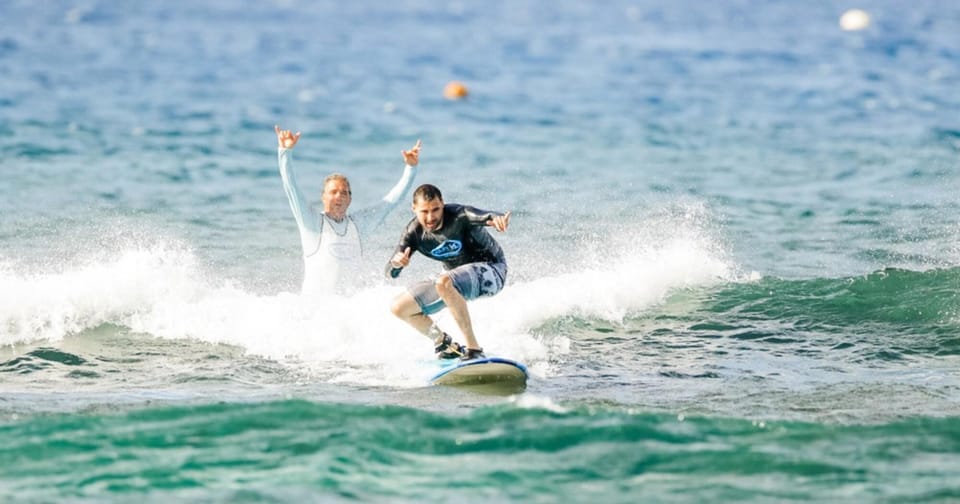
A lot of surf lessons focus on one goal: get up. This one covers a broader set of fundamentals, which is exactly what you want when you’re learning from zero.
Here’s what the instruction targets:
- paddling technique
- timing and wave selection
- catching waves
- four fundamental surf stances
- board maneuvering
- stopping
- wiping out (yes, seriously)
That last one—wiping out—deserves attention. In beginner terms, it’s not about enjoying crashes. It’s about learning how to respond so you stay calm, safe, and ready to try again. When instructors talk you through wipeouts and you practice them under supervision, you stop treating every fall like a disaster. You start treating it like part of learning.
You’ll also learn ocean awareness and how to move with more understanding in the surf zone. That’s the difference between “I rode once” and “I can keep trying without panicking.”
One small but helpful detail: you’re taught four fundamental surf stances. Even if you don’t memorize them perfectly on day one, knowing there’s a structured approach gives you something to work on later. It turns surfing from a vague dream into a set of repeatable skills.
What You Get at the End: Diploma and Sticker That Feel Earned
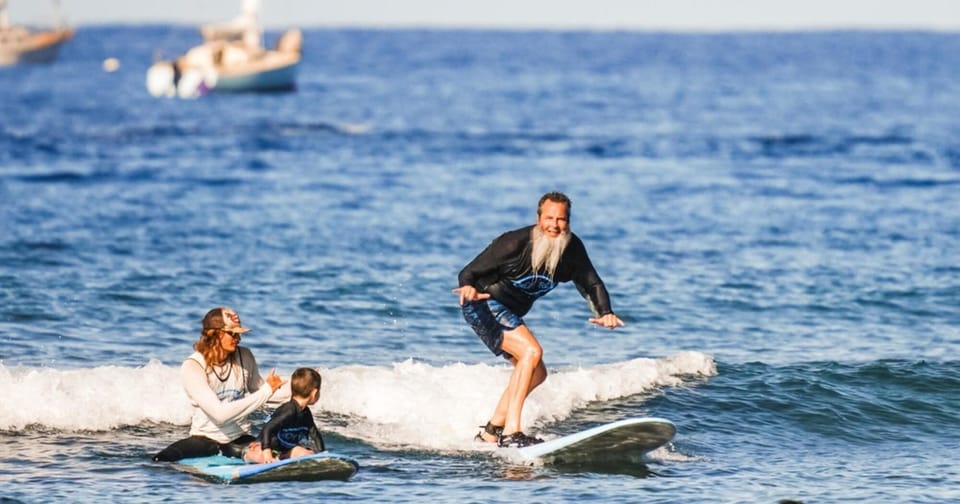
The ending isn’t just a time cutoff. You receive a Beginner Surfer Diploma and a Goofy Foot Surf School sticker. It sounds small, but it’s a nice touch because it reinforces effort. You’re not just renting an experience for a couple of hours—you’re completing a starter course.
If you’re traveling with kids (or you’re the type who likes keeping proof of activities), the diploma is a fun way to mark the day. It’s also a reminder of what you practiced: stances, paddling, timing, and surf awareness—not just random time in the water.
Meeting Point and What to Bring So Check-In Is Smooth
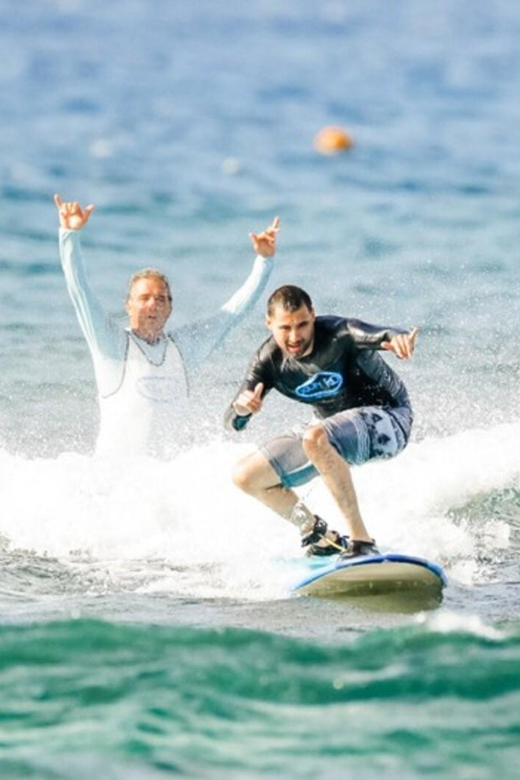
You’ll meet at Guardrails, a gravel/dirt parking lot about 400 feet south of Puamana Beach Park, off Highway 30 at Mile Marker 19. Look for a black Toyota Tundra with a black Thule surf rack on the back, and meet the staff near the lone tree.
Plan to arrive 15 minutes early for check-in. That buffer helps if parking is tight or you need a quick moment to switch into swimwear.
Bring:
- comfortable swimwear
- sunscreen
You’ll be provided the surfboard, booties, and lycra top, but you still need to show up ready to swim. If you forget sunscreen, you’ll be stuck thinking about it mid-lesson. With Hawaii sun, that’s not ideal when your goal is focus and learning.
Meals and beverages aren’t included, so if you’re doing this as part of a longer day in Lahaina, plan food around it.
Price Value: What $366 Buys (and Why It’s Not Just the Board)
The price is listed at $366 per group up to 3. That matters because it’s not priced like a huge public event. It’s aimed at keeping the teaching dynamic more controlled.
At the same time, the instruction model is built around small teaching groups: no more than 5 students per instructor. So even if you’re sharing the session with other beginners, the experience is structured to keep attention on each person.
What makes this feel like good value is the combination:
- gear provided (board, booties, protective lycra)
- certified coaching
- structured instruction time (land/flat water plus open water practice)
- safety fundamentals and ocean awareness
- beginner-focused outcomes (stances, stopping, wiping out)
- tangible take-home items (diploma and sticker)
For first-time surfers, lessons can be an expensive way to find out you hate it. This one is designed to reduce that risk. You’re set up for safer attempts and guided feedback, which means you’re more likely to walk away wanting a second go.
Who This Lesson Suits Best in Lahaina
This is a beginner group lesson for ages 9 and up. Private lessons are required for children under 9, so younger kids won’t be a fit for this format.
It’s also not suitable for wheelchair users, based on the activity requirements.
Best matches:
- kids 9+ who are excited but need structure and supervision
- adults starting from scratch who want safety and fundamentals over randomness
- families who want a guided activity that can deliver a real skill step in two hours
If you’re comfortable in the ocean and you want a fun way to learn the basics, this lesson fits. If you’re hoping for advanced technique work, you’ll likely find the focus is too foundational. This class is about building a base you can grow from.
Small-Group Reality Check: The Only Potential Downside
The only real limitation is the group format. Even with strong instructor-to-student attention, you won’t get the same amount of personalized correction you’d receive in a private lesson.
That’s the trade: you get a guided, safe, beginner-friendly experience at a group setting, but if you have specific learning needs, a private option might be better.
Also, a two-hour timeframe means you’ll learn a lot of fundamentals, but you won’t transform into a surfer overnight. The goal is confidence and technique basics, not instant mastery.
Should You Book This Beginner Surf Class?
Yes—if you want a first surfing experience that’s organized, safety-minded, and beginner-focused. The lesson structure (land/flat water first, then warm-water practice), the softboard gear, and the small teaching group size all point to a class built for your success, not just for participation.
Book it if:
- you’re age 9+ and you want guided coaching in Lahaina
- you value structured skill-building like stances, stopping, and wipeouts
- you want equipment provided so you can focus on learning
Skip it if:
- you need a private setting for a child under 9
- you require wheelchair accessibility
If you’re on the fence, I’d think of it like this: surfing is hard to learn fast. This lesson makes it safer and more teachable, which is exactly what a first session should be.
FAQ
What age is this beginner group surf lesson for?
Group lessons are for age 9 and up. Private lessons are required for children under 9.
How long is the lesson?
The lesson lasts 2 hours.
What is provided during the lesson?
Surfboard, booties, and a lycra t-shirt are included, plus you’ll receive a Beginner Surfer Diploma and a Goofy Foot Surf School sticker.
What should I wear and bring?
Wear comfortable swimwear and bring sunscreen. You’ll meet the staff for check-in and get outfitted before going into the water.
Where do I meet for the lesson?
Meet at Guardrails, a gravel/dirt parking lot 400 feet south of Puamana Beach Park, off HWY 30 at Mile Marker 19. Look for a black Toyota Tundra with a black Thule surf rack and meet near the lone tree.
How many students does each instructor teach?
The group is kept small with no more than 5 students per instructor.
What happens during the first part of the lesson?
You’ll spend about the first 30 minutes on the beach and in flat water learning paddling, navigating the surf zone, and catching waves.
What do you work on in the water after that?
In the warm waters of Lahaina, you’ll practice catching waves and learn key skills including four fundamental surf stances, board maneuvering, stopping, and wiping out, with constant supervision.
Are meals and drinks included?
No. Meals and beverages are not included.
Is this lesson suitable for wheelchair users?
No, it is not suitable for wheelchair users.