REVIEW · LAHAINA
Maui: Intro to Scuba Diving from Shore – Lahaina
Book on GetYourGuide →Operated by Dive Maui/Hawaiian Rafting Adventures · Bookable on GetYourGuide
Scuba lessons with Hawaii reef on your doorstep. This is a 3-hour intro to scuba setup in Lahaina where you learn the safety basics and core techniques under direct PADI professional supervision, with time to practice skills like clearing your mask and recovering your regulator. I love the two-step structure: short PADI eLearning before you arrive, then hands-on coaching in the water. I also love that the goal isn’t just theory; you get real practice, then you head out to see Maui’s coral reef life. One consideration: it’s not suitable for non-swimmers and it’s restricted for several health situations like heart or respiratory problems.
The best part, at least based on what I’ve seen in recent participant feedback, is how safe and calm it feels with the right instructor. Instructors like Matt and Scott came up in bookings, and both were praised for helping nervous first-timers feel in control. You’ll be in a small group of up to 4, so you’re not lost in a crowd, but the flip side is that you should be ready to follow the plan closely—especially since touching marine life is not allowed.
In This Review
- Key Moments You’ll Care About
- First-Time Scuba in Lahaina: Simple, Structured, and Hands-On
- What makes it interesting (beyond the obvious reef)
- Pre-Trip PADI eLearning: A Quick Win That Changes Everything
- Don’t wait on your medical form
- Lahaina Check-In and the Instructor Brief: Who You’re Trusting
- What the briefing tends to cover for nervous first-timers
- The Underwater Skills Segment: Mask Clears and Regulator Recovery
- You’ll also learn equipment use while swimming
- Exploring Maui’s Coral Reefs: Turtles, Tropical Fish, and Calm Water Time
- How to think about marine life rules
- Gear, Materials, and Instructor Support: What’s Included (and What Isn’t)
- Value check: is $160 reasonable?
- Timing and What the 3 Hours Really Feels Like
- Who Should Book This Intro Session in Maui (and Who Should Skip It)
- Who it suits really well
- Quick Practical Tips Before You Go
- Should You Book This Maui Scuba Intro from Shore?
- FAQ
- Do I need to complete eLearning before I arrive?
- How long is the experience?
- What does the class include before you get in the water?
- What skills will I practice?
- Is transportation or food included?
- What gear is provided?
- What should I bring?
- How big is the group?
- Is this experience safe for non-swimmers?
Key Moments You’ll Care About
- Short PADI eLearning first so you show up with the basics already in your head
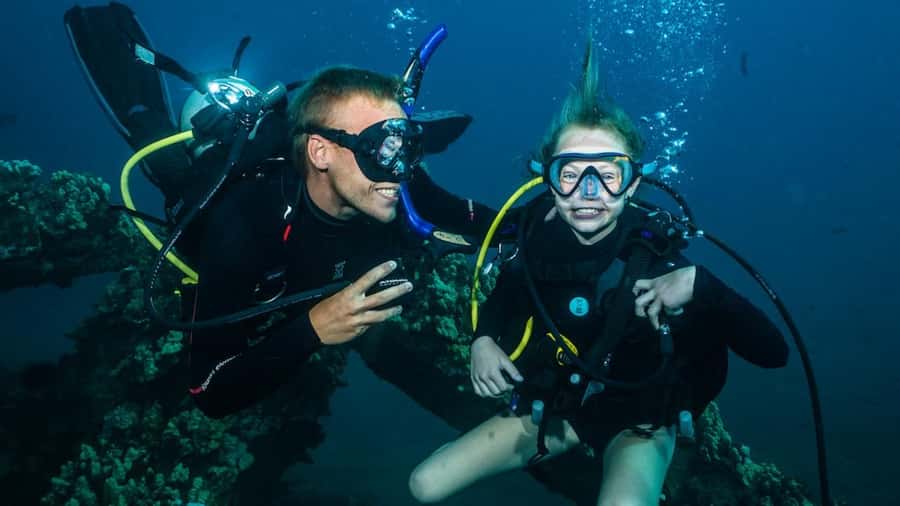
- Mask-clearing and regulator recovery practice so you can handle common moments calmly
- A real supervised water session that turns safety rules into muscle memory
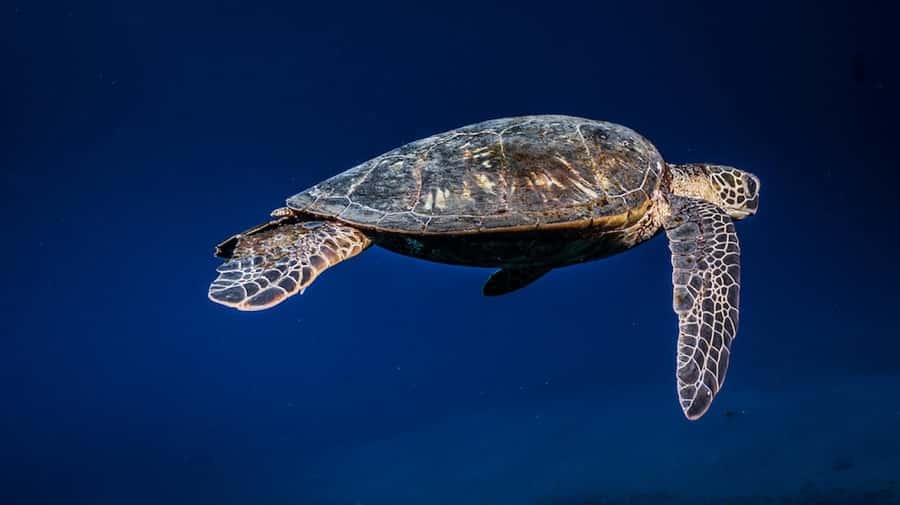
- Reef time with turtles and tropical fish in Maui’s healthy coastal waters
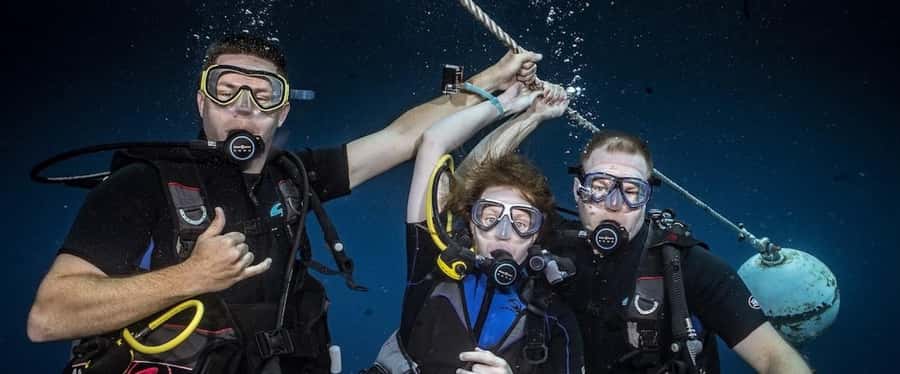
- Small group instruction (max 4) for more attention per person
First-Time Scuba in Lahaina: Simple, Structured, and Hands-On
This experience is built for people who want to try scuba without turning it into a long, confusing project. It starts with focused preparation using PADI eLearning, then moves you into a supervised skills session where you learn what to do when things feel unfamiliar underwater.
I like that the program doesn’t pretend you’ll become an expert in one afternoon. Instead, it teaches the foundational safety guidelines and the few skills you’ll use during every scuba experience—especially breathing underwater and managing equipment. If you’re the type who worries you’ll miss a step, that structure helps.
You can also read our reviews of more tours and experiences in Lahaina.



What makes it interesting (beyond the obvious reef)
Maui’s underwater world is the headline, but the training approach is the real value. You’re not just looking at fish; you’re learning the mechanics of scuba in a controlled setting, with an instructor watching you directly. That’s why first-timers often come away feeling both excited and grounded.
Pre-Trip PADI eLearning: A Quick Win That Changes Everything
Before you even reach the shop, you’ll get an eLearning login to complete some required reading and videos. Plan for about 15–20 minutes to get through what you need.
Why I think this matters: scuba feels less intimidating when you already understand the basics before you put your gear on. You’re not hearing everything for the first time underwater, when it’s harder to process new information. The program expects you to show up having covered the fundamentals so your instructor can focus on coaching, not lecturing.
Don’t wait on your medical form
One important point you’ll want to handle early: you’re asked to complete the PADI Medical as soon as you receive your eLearning. If you answer YES to any conditions, you can’t participate until you’ve been cleared by a doctor, and you’ll receive a refund if you can’t be cleared.
If you’re even slightly unsure about your answers, it’s smarter to start that form right away rather than risk losing your session.
Lahaina Check-In and the Instructor Brief: Who You’re Trusting
Your starting point is the Hawaiian Rafting Adventures location in Lahaina. The first part of the day is a short class session—about 30 minutes—where your instructor aligns you with the plan and reviews what you did in your eLearning.
This is where you’ll go from learning vocabulary to understanding actions:
- how the equipment should feel in the water
- what breathing underwater is like
- what safety guidelines you’ll follow before you’re allowed to continue further
The instructor instruction is listed as English, so you can expect clear communication. Also, the setup is built for a small group of up to 4 participants, which usually means fewer “waiting your turn” moments and more personal coaching.




What the briefing tends to cover for nervous first-timers
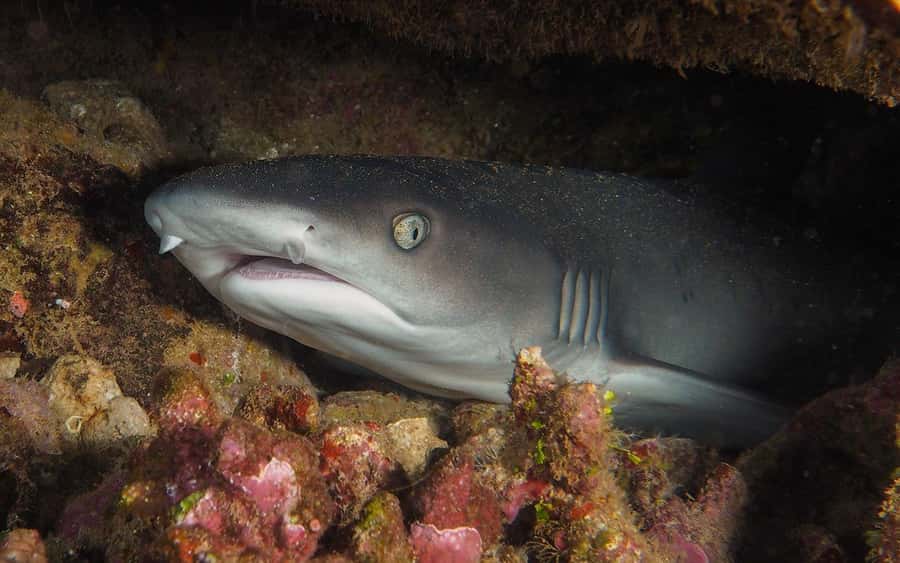
One participant shared that they were nervous after hearing about sharks during the safety talk. The same person also said the actual underwater time felt peaceful and safe. That’s a good reminder: safety training includes the responsible stuff, but the real experience is often calmer than your imagination.
The Underwater Skills Segment: Mask Clears and Regulator Recovery
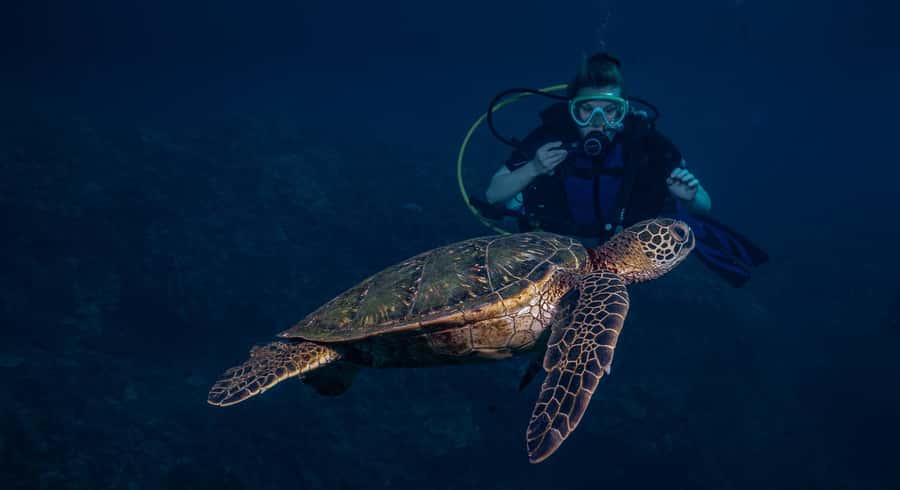
Once you reach the dive site, you’ll go into the water to practice core skills under your instructor’s direct supervision. The skills are practical and repeatable, and they’re the kinds of actions that keep first-timers from panicking when something feels off.
Two highlighted techniques are:
- clearing your mask
- recovering your regulator
Even if those sound basic, they’re huge for confidence. Most new scuba fear isn’t about the reef—it’s about losing your equipment or feeling trapped. Practicing these moves while an instructor watches you reduces that fear fast.
You’ll also learn equipment use while swimming
You should expect hands-on guidance for how your gear behaves while you move through the water. The program explicitly mentions going over how to use the equipment while swimming underwater and what it feels like to breathe underwater.
That breathing piece is the center of the whole experience. When you breathe comfortably and consistently, everything else gets easier—your body relaxes, your movement becomes smoother, and you can actually look around.
Exploring Maui’s Coral Reefs: Turtles, Tropical Fish, and Calm Water Time
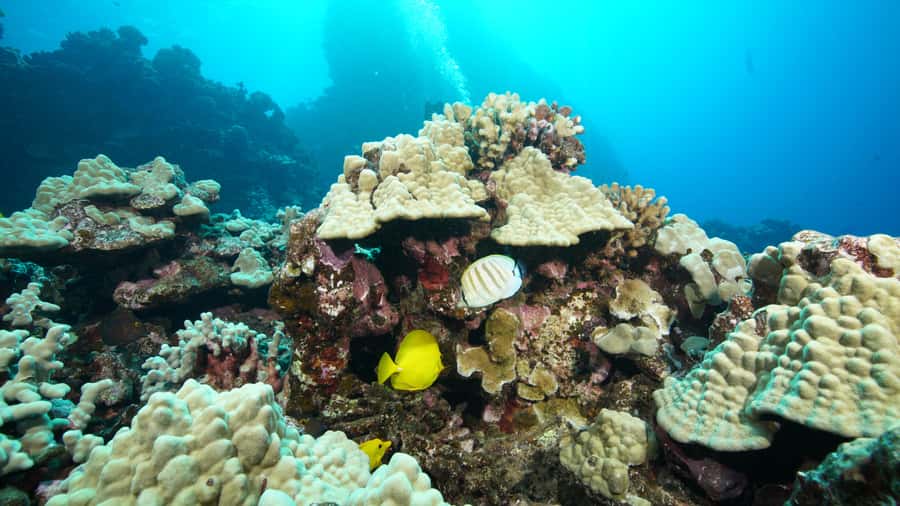
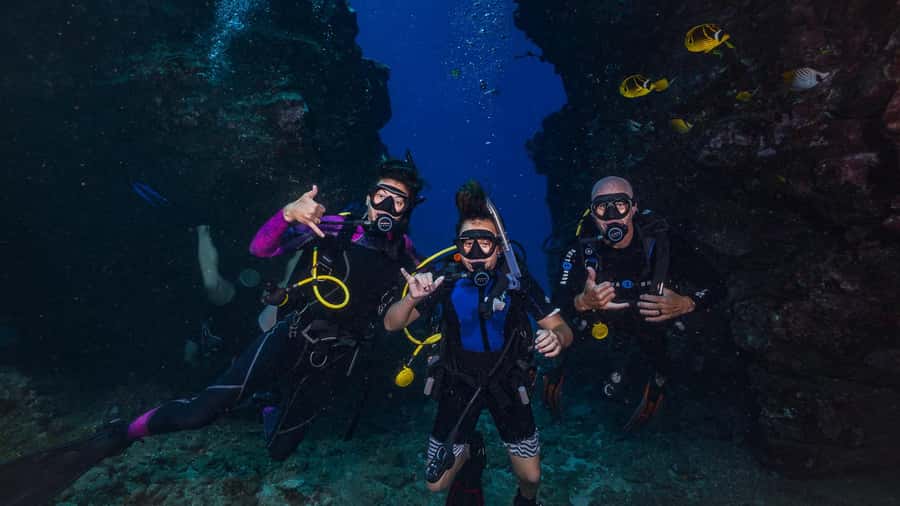
After you feel confident with the initial skills, you and your instructor continue on for an underwater exploration focused on Maui’s pristine coral reefs.
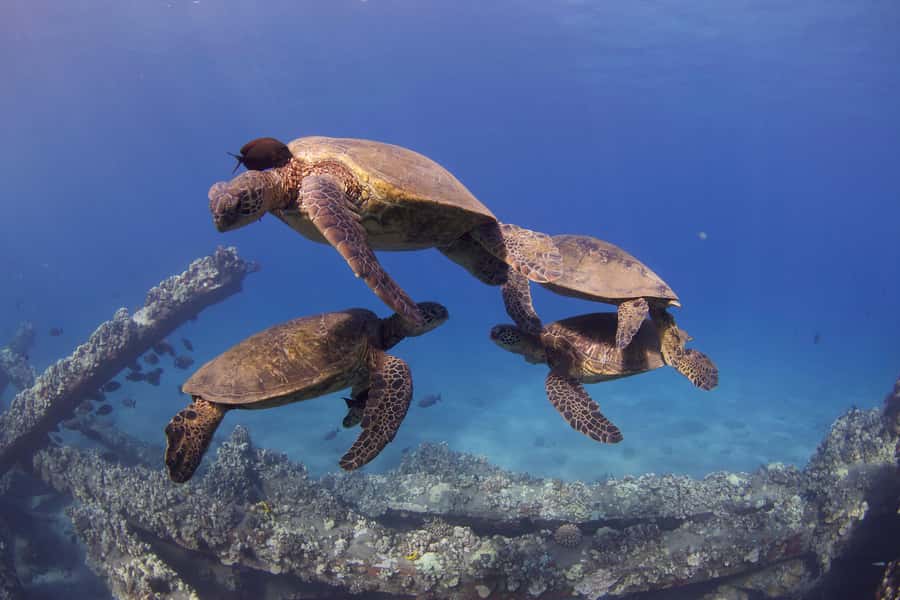
This is the part most people are picturing when they book. You’ll have the chance to encounter turtles and countless tropical fish. One participant described the turtles almost like a car wash—swimming close and doing their thing while the group watched calmly.
How to think about marine life rules
You’re not allowed to touch marine life. That’s not a buzzkill; it’s what keeps the reef healthy and keeps you from accidentally breaking a rule that’s enforced for a reason. Your best strategy is simple: look, breathe, and let wildlife do its own schedule.
If you’re hoping for a close encounter, aim for patience. Underwater, your calm movement usually matters more than stretching, reaching, or trying to steer the moment.
Gear, Materials, and Instructor Support: What’s Included (and What Isn’t)
The activity includes:
- personalized instruction from your PADI professional
- all PADI materials and scuba gear rentals
So you’re not responsible for sourcing equipment or printing paperwork. That’s part of the value, because scuba rentals can add up quickly if you handle them yourself.
What’s not included is equally important:
- transportation
- food
For most people, Lahaina logistics mean you’ll want to plan on arriving on your own and grabbing a meal afterward. Since the total duration is about 3 hours, you won’t need a half-day break from food—but you do need to think about where you’ll eat after you’re done.
Value check: is $160 reasonable?
At $160 per person for a supervised intro experience, the price makes sense if you look at what’s covered. You’re paying for trained, professional coaching, the required PADI materials, and the full gear rental setup. Add in the small group cap of 4 participants, and you’re getting more attention per person than you would in a larger group format.
If you’ve been considering renting gear separately or taking a longer course just to get comfortable, this short structured format can be a strong starting point—especially if your main goal is confidence and first-time underwater skill-building.
Timing and What the 3 Hours Really Feels Like
The total scheduled time is about 3 hours. Within that, you’ll likely notice two main blocks:
- a 30-minute class session in Lahaina
- about 75 minutes for the underwater portion
That split matters. It means you’re not waiting around all afternoon and you’re not thrown in too quickly without basics. The class briefing gives you a framework, then the water practice turns it into real experience.
Also, the program notes it’s offered at specific starting times, based on availability—so if you’re coordinating with other Maui plans, you’ll want to pick a time that doesn’t put you in a rushed headspace.
Who Should Book This Intro Session in Maui (and Who Should Skip It)
This experience is not suitable for:
- pregnant women
- people with back problems
- people with heart problems
- non-swimmers
- people with respiratory issues
- people prone to seasickness
That list is a big deal. If any of those apply, you should treat it as a safety boundary, not a suggestion.
Who it suits really well
This is a strong fit if you:
- want a beginner-friendly introduction that focuses on basics
- like structure (eLearning first, then supervised skills)
- want a small group so you can ask questions and get individual coaching
- are excited to see turtles and tropical fish without needing prior scuba experience
It’s also ideal if you’re the kind of person who hears scuba horror stories and wants reassurance through hands-on practice. The feedback about feeling safe and peaceful with instructors like Matt and Scott is a good signal that anxiety can settle quickly once you’re guided step by step.
Quick Practical Tips Before You Go
You only need swimwear listed as what to bring. Beyond that, think like a person training their body for water work.
A few practical mindset points:
- Plan to be focused on instructions. The water skills come first for a reason.
- Expect the underwater part to feel different than the surface. Your job is to stay calm and follow your instructor’s cues.
- Don’t treat the reef visit like a free-for-all. The rule about not touching marine life means you’ll enjoy it best by watching closely, not grabbing anything.
If you’re prone to anxiety, consider that the safety talk may include mention of sharks (at least one participant felt nervous because of that). Your best move is to listen, ask questions, and remember that the underwater time is meant to feel controlled and peaceful.
Should You Book This Maui Scuba Intro from Shore?
If your dream is to see Maui’s coral reef life—especially turtles and tropical fish—and you want to learn the basics in a supervised, confidence-building way, this is an excellent “start here” option. The combination of PADI eLearning, hands-on skills practice, and a small group setup makes it feel approachable without sacrificing safety.
I’d skip it only if you fall into the listed “not suitable” categories, or if you know you get seasick and you can’t manage it. In that case, you’d be better off choosing an experience that matches your comfort level.
Overall, I think this works because it teaches what you need (breathing, mask, regulator recovery) and then lets you enjoy what you came for—Maui underwater life—while an instructor keeps everything steady.
FAQ
Do I need to complete eLearning before I arrive?
Yes. You’ll be assigned an eLearning login with reading and videos to complete before you get to the dive shop. It should take about 15–20 minutes.
How long is the experience?
The total duration is about 3 hours.
What does the class include before you get in the water?
You’ll review basic safety guidelines and go over equipment use and what it’s like to breathe underwater. Then you’ll brief about the skills you’ll practice in the water.
What skills will I practice?
You’ll practice clearing your mask and recovering your regulator, under your instructor’s supervision.
Is transportation or food included?
No. Transportation and food are not included.
What gear is provided?
All PADI materials and scuba gear rentals are included.
What should I bring?
Swimwear is what you’re asked to bring.
How big is the group?
It’s a small group limited to 4 participants.
Is this experience safe for non-swimmers?
No. Non-swimmers are listed as not suitable.