REVIEW · LAHAINA
Road to Hana: Full-Day Scenic Drive with Blacksand & Waterfalls
Book on Viator →Operated by Dynamic Tour Hawaii · Bookable on Viator
Road to Hana hits fast. One long day, one famous road, and you get the best sights without wrestling parking or turn-by-turn directions. I like it for Wai‘anapanapa’s black sand beach and caves and for the built-in food plan (breakfast options, lunch, snacks, and bottled water) plus guides who keep the day moving. On-road, you’re taking in Hana Highway’s 59 bridges and hundreds of turns, crossing Kalepa Bridge toward Kīpahulu and the Pi‘ilani Highway.
Still, plan for time and motion: this drive is slow, curvy, and long—right around 8 to 10 hours for most departures, with some pickups running closer to 11 hours. If you get carsick, bring protection and ask your guide for the best spot on the vehicle early.
In This Review
- Key takeaways before you go
- Road to Hana without the stress: what you’re actually buying
- Price and value: is $209.99 a good deal?
- Your morning start: pickup, breakfast choices, and group size
- Stop-by-stop: Hana Highway, Kalepa Bridge, and the turns that do the work
- Ho‘okipa Beach Park: turtles, wind, and surf watching
- Ke‘anae Point: village life, taro farms, and the Halfway snack culture
- Bamboo forest and the drive-thru waterfall photo breaks
- Wai‘anapanapa State Park: black sand plus caves
- Hana Farms stands and Aunty Sandy’s banana bread moment
- Pua‘a Ka‘a State Park: waterfall access and getting your swim ready
- Final viewpoints: Wailua Valley, rainbow eucalyptus, and quick photo stops
- What I’d pack and plan for (based on the real road conditions)
- Notes that people overlook: black sand beach cats and lunch timing
- Who this tour fits best
- Should you book this Road to Hana tour?
- FAQ
- FAQ
- How long is the Road to Hana full-day tour?
- What does the tour include for food?
- Is pickup from Maui hotels included?
- Are the stops like black sand beach and other viewpoints included?
- Are there opportunities to see sea turtles and surfers?
- Where can you swim or get into the water?
- Do I need to bring an umbrella or towels?
- Is the tour good for carsick passengers?
- What happens if the tour is canceled?
Key takeaways before you go
- Black sand beach at Wai‘anapanapa State Park plus the chance to explore volcanic freshwater caves and lava tubes
- Small group feel (max 11) with air-conditioned transport and frequent photo stops
- Hana favorites built into the route, including Ke‘anae Point, Hana Farms stands, and Aunty Sandy’s banana bread
- Ho‘okipa Beach Park for sea turtles and surf energy (it’s the windsurfing capital vibe)
- Real waterfall time at Pua‘a Ka‘a State Park, with a chance to cool off
- Curves and single-lane bridges mean you should prepare for a longer day and motion
Road to Hana without the stress: what you’re actually buying
This tour is best understood as a way to spend your day on the road instead of managing the road. The schedule is built around the classic Road to Hāna highlights: ocean views, rainforest turns, photo stops, and the big-ticket stops like Wai‘anapanapa and the caves. You get round-trip transportation from many Maui hotel areas (plus a port pickup option), bottled water, snacks, and a picnic-style lunch—so you aren’t hunting food every time you stop.
The other thing you’re buying is safety and confidence on the road. The reviews have a strong theme: guides like Justin, Ed, Jeff, Lepa, Kristie, Malia, and Heavenly are praised for handling the narrow, twisty driving with calm control, while also telling stories that make the stops feel personal. It turns Hana into more than a checklist.
You can also read our reviews of more tours and experiences in Lahaina
Price and value: is $209.99 a good deal?
At $209.99 per person for roughly 8 to 10 hours, it’s not a bargain. But it often feels fair once you price out what’s included: pickup/transport, air-conditioned vehicle, bottled water, chips, and a full lunch with choices. You also get a narrated tour and admission-free stops listed on the schedule.
For me, the value comes down to this: Hana is the kind of trip where a guide can remove stress you didn’t notice you had. The cost buys you less time planning, less time driving and parking, and more time at the sights—especially at the places that need timing (caves) or have limited patience for chaos (black sand beach).
One watch-out: if you’re only staying in one area like Wailea, a review note suggests your actual day may run closer to 11 hours than the listed 8 to 10. That’s still normal for Hana, but it matters if you’re timing dinner plans.
Your morning start: pickup, breakfast choices, and group size
Pickup is offered from a long list of Maui lodging areas—examples include Four Seasons Resort Maui at Wailea, Grand Wailea, and many Kihei properties. There’s also a meet option at the Maui airport area: meet at 7:15am at Safeway on Ho‘okele St in Kahului for select routes.
The group is capped at a maximum of 11 people, which is small enough to feel like a shared day rather than a huge bus situation. You’ll be riding in an air-conditioned vehicle, and you’ll have guides who keep you moving and updated (they also tell you to check text messages for updates).
Breakfast is part of the included plan, but with a catch: breakfast options (Spam musubi or yogurt) are noted as not available for bookings made after 3:00pm the day before the tour. If that matters to you, lock it in early and text meal choices as requested.
Stop-by-stop: Hana Highway, Kalepa Bridge, and the turns that do the work
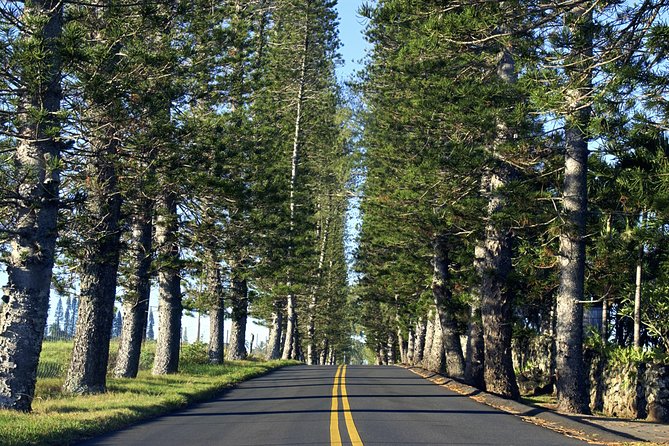
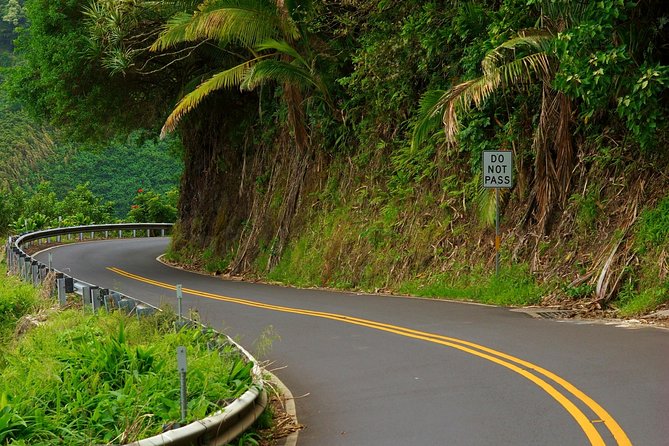
The heart of the day starts on Hana Highway, a coastal scenic route that runs 64.4 miles (103.6 km). East of Kalepa Bridge, the highway becomes Route 31 (the Pi‘ilani Highway). This stretch is famous for a reason: 59 single-lane bridges, plus hundreds of curves as you go in and out of tropical foliage and rainforest.
A practical bonus of having a guide here is pacing. Your schedule is built around where you can reasonably stop and still enjoy the ride. Also, the bridges and roadwork matter: many of the concrete and steel bridges date back to 1910, so you’re crossing infrastructure that’s been shaping this coast for a very long time.
If you’re prone to motion sickness, this is the main decision point. Reviews say not to do it if you get carsick easily. I’d treat that as a serious warning and choose your seat wisely once you’re on board.
Ho‘okipa Beach Park: turtles, wind, and surf watching
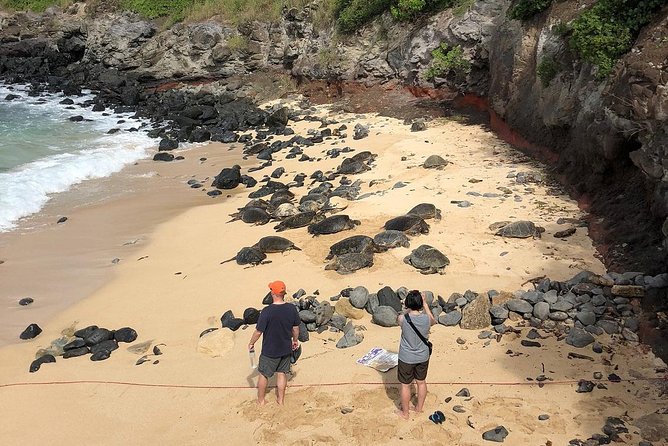
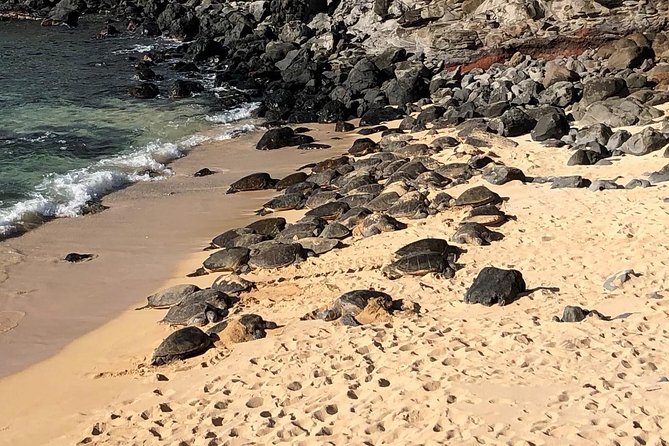
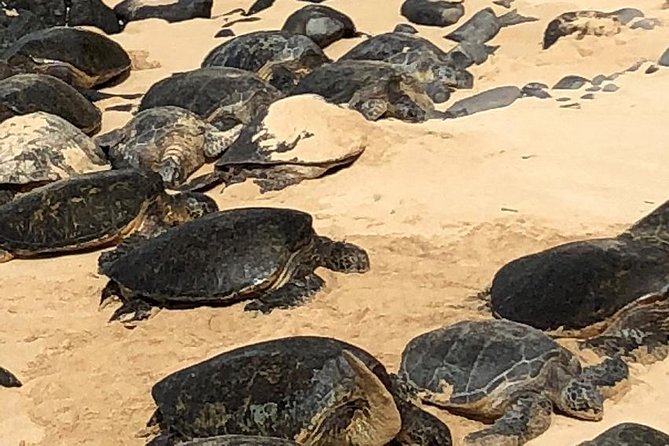
Next up is Ho‘okipa Beach Park, about 20 minutes. This place pulls double duty. It’s known as a windsurfing hub, and it’s also a Hawaiian green sea turtle hotspot.
The schedule note says turtles can be seen feeding and basking along the shoreline. On the ocean side, you’ll usually see surfers, kiteboarders, and windsurfers working the conditions. If your group is split between people who want movement and people who want wildlife, this stop tends to please both.
A tip: ask your guide about stopping. The tour schedule notes stops may be made upon request.



Ke‘anae Point: village life, taro farms, and the Halfway snack culture
Ke‘anae Point is one of those stops where you can feel the “old Hana” rhythm. You’ll see small village life and farming details like taro, breadfruit, and bananas, plus the overlook and peninsula view of one of Hawaii’s larger taro farms.
There’s also the famous Halfway to Hana snack stand moment—fresh-baked banana bread, shave ice, fresh coconut, and drinks. Even if you don’t buy much, it’s a nice reset: you get a view, a culture stop, and a predictable place to grab something sweet.
Time here is about 20 minutes, so keep your purchases quick. And if you’re hoping to photograph specific angles, mention it early so you don’t feel rushed.
Bamboo forest and the drive-thru waterfall photo breaks
Between the bigger stops, you’ll get small moments that add up: a popular bamboo forest stretch along the roadside on the way to Hana, plus several waterfall photo stops.
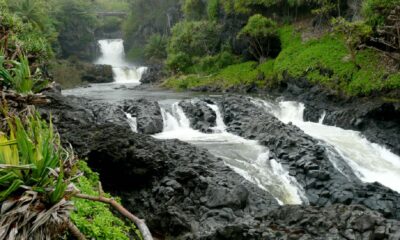
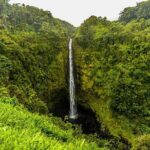
The itinerary includes a very popular set of falls that’s photogenic and basically positioned like a drive-thru on the road—plus an upper waterfall also called the Three Bears Waterfalls. There’s also another waterfall stop along the highway.
Here’s how to treat these stops: use them for photos and quick looks, not long hikes. You’ll appreciate having a guide because they can choose safe parking and the best side-of-the-road viewing moments without turning the day into parking-lot chaos.
Wai‘anapanapa State Park: black sand plus caves
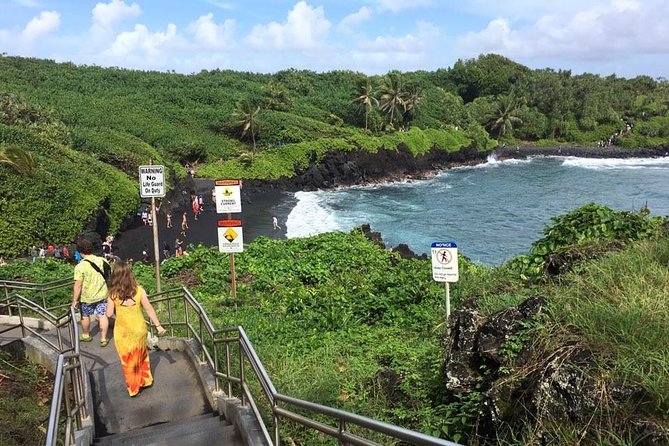
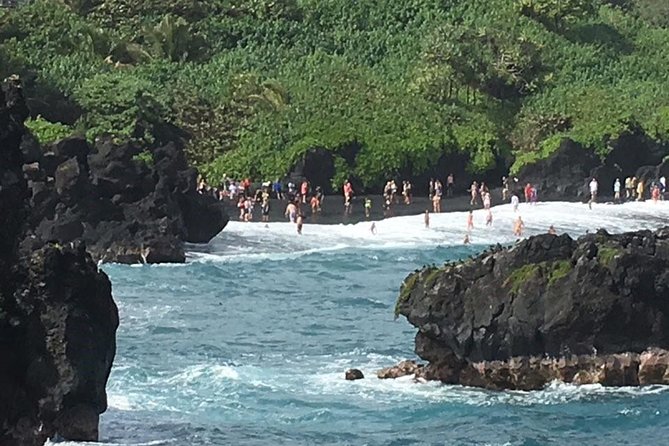
Wai‘anapanapa State Park is the headline stop. You’re heading to Maui’s famous black sand beach: cobalt-blue water framed by black sand and lava rocks. The lava rock is tied to a flow that happened about 10,000 years ago, and the contrast is exactly why this place has such a reputation.
You’ll have about an hour here, which is a good chunk of time in a schedule built for a full day. You can walk the bay edge, check the ocean, and relax under shade trees.
Then comes the part many people don’t plan for enough: freshwater caves and lava tubes. You’ll go to volcanic caves to explore, and the schedule notes that in certain times of year red shrimp may appear, turning the water red. You’ll also hear legends connected to the caves (including Princess Popoalaea). The key word is might—nature controls the timing here—so treat it as a bonus, not a guarantee.
Bring shoes you can trust. Even if the ground looks manageable, cave and cave-adjacent areas can be slick or uneven.
Hana Farms stands and Aunty Sandy’s banana bread moment
The stops at Hana Farms Roadside Stand (and a second time later) are the easy “yes” in the itinerary. You’re looking at Hana-made products—cookies, banana bread, and other local items. The schedule suggests picking up a couple things to support the local community, and it’s usually one of the simplest ways to bring a real flavor of Hana home.
Then there’s Aunty Sandy’s Banana Bread, about 15 minutes. If you’ve ever heard people talk about banana bread from Hana, this is the stop behind the hype—one review even mentions Gordon Ramsey filmed Uncharted here, and he was impressed by the bread.
Time is short, so don’t expect a shopping marathon. This is a quick taste-and-buy moment that fits perfectly in a road trip schedule.
Pua‘a Ka‘a State Park: waterfall access and getting your swim ready
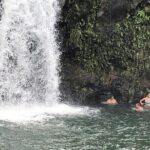
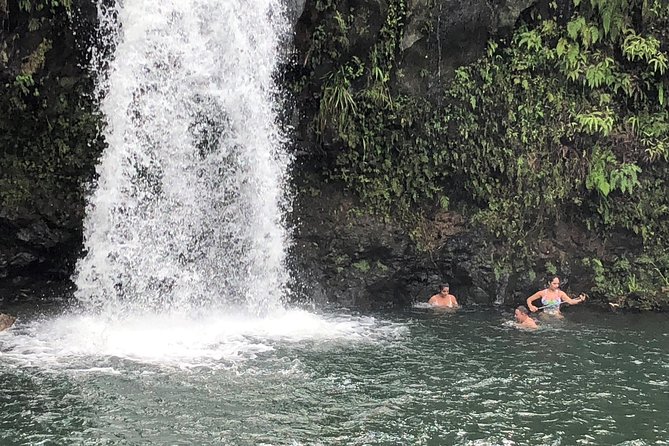
Pua‘a Ka‘a State Park is scheduled for about 30 minutes, and it’s the spot where you’ll likely want to get your feet wet. The itinerary calls out that it’s fairly easy to access the waterfall, and some people like to take a dip in the chilly water.
If you think you might swim, plan like you’re going to: wear a swimsuit under layers, bring a change of clothes, and have towels. Reviews also reinforce packing for the weather—towel and umbrella came up as helpful—and this whole route can shift from sunny to rainy without much warning.
Even if you don’t swim, this stop is worth it for the waterfall payoff. You’ll be glad you built time into the day for a cooling break.
Final viewpoints: Wailua Valley, rainbow eucalyptus, and quick photo stops
After the Hana-waterfall and food stops, the ride rounds out with lighter, scenic photo moments.
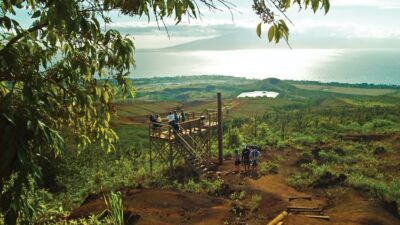
You’ll stop at Wailua Valley State Wayside Park for a 360-degree lookout with views of Wailua Valley and oceanfront Wailua Town below—about 10 minutes, with stops made upon request. There’s also an Eucalyptus Rainbow Trees roadside stop, again around 10 minutes and usually request-based.
These aren’t long stops, but they’re a nice change of pace. By this point you’ve seen black sand, caves, waterfalls, and rainforest turns; a simple lookout gives your legs a break while still getting you something photogenic.
What I’d pack and plan for (based on the real road conditions)
Road to Hana is famous, but it’s also physically demanding in a very specific way: constant turns, occasional rain, and stops on uneven ground.
I’d pack:
- A small towel and an umbrella (rain can show up during the day)
- Good water-friendly shoes if you plan to swim or walk around falls
- A backup layer for cooler cave areas
- A plan for motion sickness if you’re sensitive
One review detail is worth repeating: avoid mesh water shoes if you can. A firmer sole is easier on your feet for this kind of walking.
Also, plan your expectations: don’t build the day around a perfect schedule. Hana runs like a natural rhythm—rainforest weather and crowd flow can affect how long you linger.
Notes that people overlook: black sand beach cats and lunch timing
At Wai‘anapanapa, lunch timing can matter. One review noted lunch may be eaten while at the black sand beach area, and that there can be feral cats and kittens near the parking and picnic areas that may approach when they smell food.
That doesn’t mean you should avoid the picnic. It just means you should be ready: keep food covered and choose where you eat. If you’re sensitive to that, you can coordinate with your guide so you’re not caught off guard mid-meal.
Who this tour fits best
This is a strong match for:
- People who want the Road to Hana experience but don’t want the logistics headache
- Groups that want both scenery and structured stops (wildlife, caves, waterfalls, food)
- Anyone who values a guide’s storytelling—names like Lepa, Malia, Heavenly, Kristie, Justin, Jeff, and Ed come up repeatedly in reviews, and the consistent theme is cultural context plus safe driving
It may be less ideal for:
- Anyone who gets carsick easily (the road is extremely curvy)
- People who need a very short day or want zero flexibility
Should you book this Road to Hana tour?
If you’re deciding between driving yourself and taking a guided day, I’d lean guided—especially if you care about seeing the major highlights without figuring out timing, parking, and where to stop next. With pickup included, snacks and lunch handled, and stops at Wai‘anapanapa plus the caves, you’ll likely feel like you got more out of your day than you would solo.
But if motion sickness is a big issue for you, treat that as a deal-breaker risk. This tour is built on the reality that Hana is slow and twisty. If you’re okay with that (and you pack for weather and walking), this is one of the better ways to experience Maui’s most famous drive.
FAQ
FAQ
How long is the Road to Hana full-day tour?
It runs about 8 to 10 hours on average, depending on your pickup area. Some departures from Wailea may run closer to 11 hours.
What does the tour include for food?
You’ll get bottled water, chips/snacks, and lunch with meal choices (turkey sandwich, ham sandwich, roast beef sandwich, veggie wrap no cheese, or Spam musubi). Breakfast is also offered with options of Spam musubi or yogurt, with a note that breakfast may not be available for bookings made after 3:00pm the day before.
Is pickup from Maui hotels included?
Yes. Round-trip transport from Maui hotels or the port is included, and pickup is offered from a long list of lodging locations. There is also a Kahului meet location at Safeway for certain pickup times.
Are the stops like black sand beach and other viewpoints included?
The schedule lists admission tickets as free for the stops shown (with the cave exploration included as part of the planned activities).
Are there opportunities to see sea turtles and surfers?
Yes. The tour includes Ho‘okipa Beach Park, where the schedule describes sea turtles basking along the shoreline and surf/windsports activity.
Where can you swim or get into the water?
Pua‘a Ka‘a State Park is the main swim-friendly stop. The tour notes that the waterfall is fairly easy to access and some people like to take a dip, and it advises bringing swimwear and a change of clothes.
Do I need to bring an umbrella or towels?
You might want to. A review specifically recommended bringing a towel and an umbrella because it can rain part of the day, and the tour also advises bringing towels if you plan to swim.
Is the tour good for carsick passengers?
It’s not great if you get carsick easily. The roads are very curvy and the day involves lots of turns, so consider avoiding this if motion sickness is a problem.
What happens if the tour is canceled?
This experience is non-refundable and cannot be changed once booked. It also requires good weather; if it’s canceled due to poor weather, you’ll be offered a different date or a full refund.