REVIEW · KIHEI
Maui: Molokini Express Snorkeling Tour – 2 hours
Book on GetYourGuide →Operated by Blue Water Rafting · Bookable on GetYourGuide
Snorkeling at Molokini hits different. This 2-hour express trip is built for prime water time away from crowds, with a crater-and-reef setting that makes you feel like you’re floating over the edge of the world. What I like most is the guided, safety-first setup and the chance to glide the reef—then look over dramatic drops while the visibility stays crystal clear. One drawback to think about: it’s not a fit if you’re a non-swimmer or if you’re prone to seasickness.
You’ll leave later in the morning on purpose, so by the time you reach the island the boat traffic has already moved on. That timing matters. It helps you get a calmer drift and more space to explore the rim and outer reef where the water can be shallow, then suddenly fall away.
Once you’re in the water, the snorkel experience is all about movement and light. You can drift across the rim, and if conditions line up you may also get a look at the backside wall where depths plunge and the water can feel especially dramatic.
In This Review
- Key highlights you’ll care about
- Molokini’s crater view: the part that hooks you fast
- How the 2-hour express format protects your time in the water
- Getting geared up: your comfort starts before you hit the water
- Where you’ll snorkel: outer reef rim, then maybe the backside wall
- The outer reef rim: shallow, bright, and perfect for drifting
- The backside: big wall energy and calmer conditions when winds shift
- Marine life sightings: what’s common and what’s a bonus
- Safety, guidance, and why the guide names matter
- Price and value: what $140 gets you on this express format
- Practical tips so your snorkel feels smooth, not stressful
- Who should book this Molokini Express tour
- Should you book the Maui Molokini Express Snorkeling Tour?
- FAQ
- How long is the snorkeling time?
- Is snorkel gear included?
- Is food included?
- What is the meeting/check-in time?
- What should I bring?
- Can I touch marine life or plants?
- What if conditions are not favorable?
- Is it suitable for young children?
- Is it okay if I’m prone to seasickness?
Key highlights you’ll care about
- Later-than-usual departure helps you snorkel with less crowd pressure
- Over one hour in the water focused on prime reef areas
- Outer reef rim drift with shallow sections (about 2–3 feet) before a steep drop
- Backside wall option with plunging depths (300–400 feet) that can be calmer when winds shift
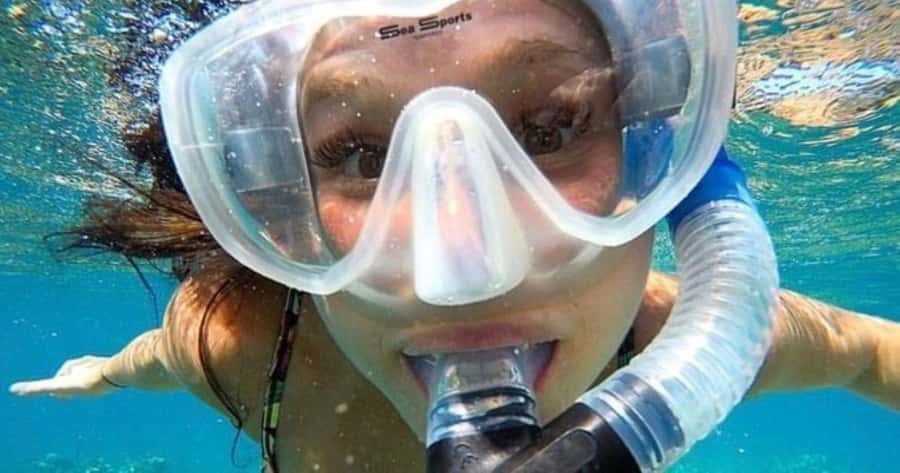
- Top-quality snorkel gear plus clear instructions before you enter the water
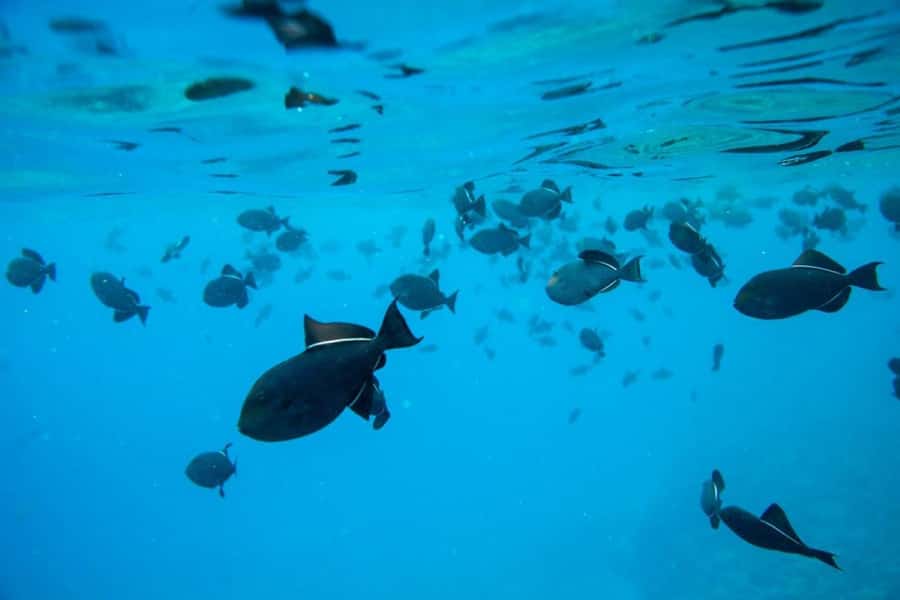
- Tons of tropical fish with chances for other wildlife sightings (like turtles)
Molokini’s crater view: the part that hooks you fast
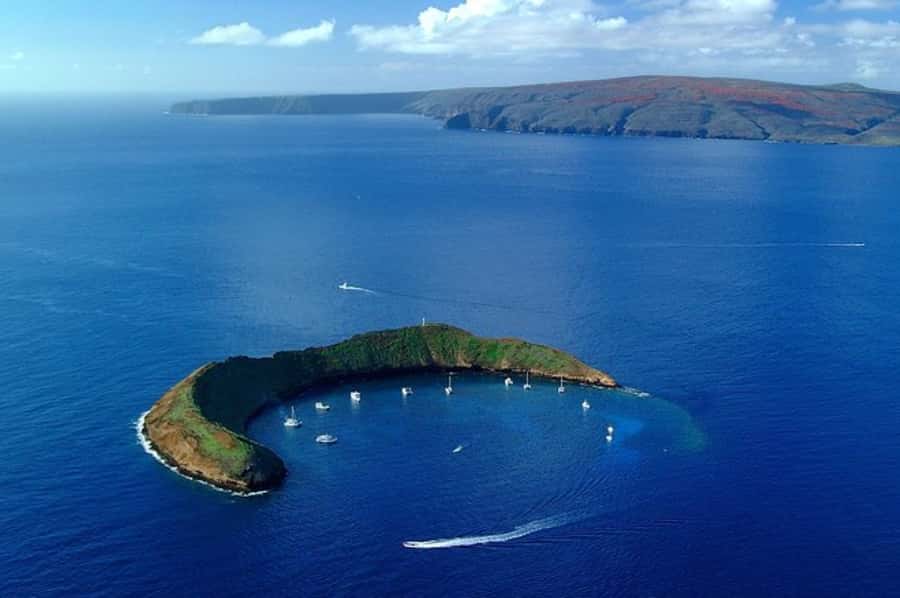
Molokini is a crescent-shaped, partially submerged volcanic crater, forming a small islet in Alalakeiki Channel between Maui and Kahoʻolawe. The whole point of going here is the combination of clear water and serious vertical features: shallow reef edges that you can glide across, plus drop-offs that make you stare down like the ocean is an elevator shaft.
The best “wow” moments tend to happen when you’re drifting. When you look toward the outer reef, you can feel that off-the-edge perspective—the feeling of flying—because the rim sits close to the surface and then falls away to deep water. In some spots the reef is only about 2 or 3 feet deep, then it drops out on the outside to roughly 200 feet. That contrast is exactly what turns a simple snorkel into a guided, choreographed-feeling drift.
If you get access to the backside, it brings a different kind of drama. The wall can plunge to around 300 to 400 feet, and people describe it like a full-on big blue wall scenario. If wind picks up in the right way, the inside of the crater can become the calmer water for snorkeling, which is why the “front vs back” choice can matter based on conditions.
You can also read our reviews of more tours and experiences in Kihei.

How the 2-hour express format protects your time in the water
This tour is short by design: you’re out for 2 hours total, with over one hour of actual snorkeling time. That’s the main value. Instead of spending most of your day transporting, waiting, and shuffling between stops, you get a focused block where your time is spent in the water.
Here’s how the flow usually feels:
- You check in 15 minutes before departure.
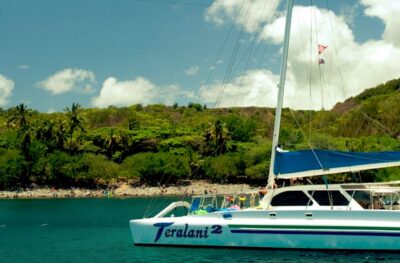
- You board and head toward Molokini.
- You get a briefing and fitted with snorkel gear.
- You enter the water and snorkel at prime spots away from other boats.
- If conditions aren’t favorable, you may go to an alternate snorkeling location.
That last detail is important. Ocean conditions can change quickly, and a good tour keeps the snorkeling part working rather than forcing you into rough water just to hit a name on a map.
Also, that later-morning departure isn’t just a marketing line. It’s what helps you reach the crater after many other boats have left, so you’re more likely to find the snorkeling area close to empty. When you’re drifting along a rim, less crowding is huge. You can take your time to look into the shafts of light, watch fish behavior, and reposition without feeling like you’re constantly sharing space.
Getting geared up: your comfort starts before you hit the water
You’ll be fitted with snorkel gear and briefed before you enter. Even if you’ve snorkeled before, a quick reminder of hand signals, staying together, and where not to go makes a difference—especially in water with steep edges and changing currents.
Bring the basics so you don’t have to improvise:
- Swimwear
- Towel
- Camera
- Snacks
- Sunscreen
- Water
Food isn’t included, so plan to bring a snack you can eat before or after you snorkel. A short tour still leaves you hungry if you’re out in sun and you’re expecting to spend energy gliding over reef.
In-water behavior matters here. You won’t want to touch marine life or plants. That rule protects the animals and also keeps you from kicking up sand when you shift your fins. When visibility is excellent, small disturbances stand out. A little discipline helps you see more.
Where you’ll snorkel: outer reef rim, then maybe the backside wall
This is the heart of the experience: the way the tour lets you snorkel the inside and outer reef and/or the backside depending on conditions.
The outer reef rim: shallow, bright, and perfect for drifting
One of the most popular drifts is over the outer reef formed by the rim of the volcano. In places it can be extremely shallow—around 2–3 feet—which is great for comfort if you prefer keeping your depth controlled. Then, as you drift, the reef drops off dramatically to about 200 feet outside.
Why you’ll like this: shallow water keeps you relaxed enough to look up and around. You can watch fish patterns and then glance outward to see the bigger drop. That combination creates the signature Molokini feeling—half snorkeling, half sky-and-ocean viewpoint.
You can also read our reviews of more tours and experiences in Kihei
The backside: big wall energy and calmer conditions when winds shift
If you head to the backside, expect a deeper, more wall-like feel, with depths around 300–400 feet. Some people compare it to a movie-style abyss effect, because your brain registers distance fast when there’s a vertical wall beneath you.
There’s also a practical reason the backside can be worth it: if the wind picks up on the inside of the crater, that area often becomes calmer for snorkeling. So the tour may choose the calmer side to help you get the best experience with the least effort.
No matter where you snorkel, the big visual payoff is the way light shafts move through the water. When visibility is strong and the water is clear, those light beams and towering cliffs make the reef look like a living aquarium with depth.
Marine life sightings: what’s common and what’s a bonus
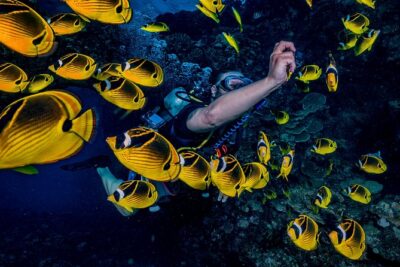
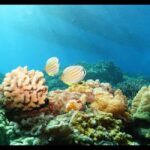
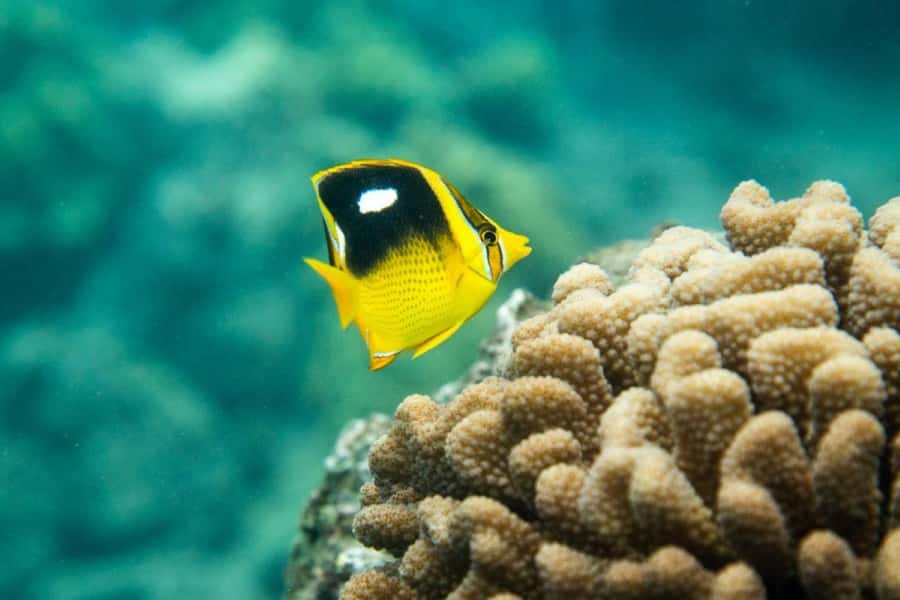
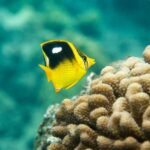
Molokini is known for abundant marine life, and on this tour you should expect tropical fish pretty much everywhere you look. The reef structure and clear water make it easy to spot them, especially as you drift rather than stopping and standing still.
Beyond fish, you might get standout wildlife moments. Based on guide and guest stories, sightings can include:
- Turtles (often seen in good numbers)
- Baby sharks and other larger sharks
- A monk seal
- Lots of fish at multiple depths
Not every group will see every animal. But the odds are helped by the quality of snorkeling locations and the guided approach that gets you to productive areas while the water is calm enough to enjoy slow gliding.
Your best “wildlife mindset” is to watch behavior, not just search for a target. Look for movement near the reef edge, watch how fish react when you drift closer, and keep your fins gentle. That’s how you see more without stressing the ocean.
Safety, guidance, and why the guide names matter
This tour includes a live tour guide in English. What stands out in the experience is not just the gear, but the way the guides help you feel settled before you splash in.
Some guests specifically praised guides named Joey and Angela for being amazing, especially for experienced snorkelers who wanted to focus on the water instead of fussing with logistics. Others highlighted that the instructions were clear enough for older participants, including people in their 70s and mid-60s, to enjoy the trip and still feel well supported.
That’s the kind of help you want on a site like Molokini, where there are steep drop-offs and the best viewing often comes from drifting. Good guidance reduces the guesswork—where to go, how to stay safe, and how to enjoy the reef without taking risky shortcuts.
Price and value: what $140 gets you on this express format
At $140 per person for a 2-hour tour, this is not a bargain trip. But it can be good value if you want the Molokini experience without turning it into a whole-day project.
Here’s what you’re paying for:
- A short, focused outing that prioritizes snorkeling time
- Top-quality snorkel gear included
- Guided access to prime spots away from crowded areas
- A later departure designed to give you space to drift and look
What’s not included: food. That’s normal for many water tours, but it does mean you should budget for your snack and stay hydrated.
In other words, if your goal is to get in the water, see the reef, and enjoy that crater-and-light show with minimal hassle, the express format is the selling point. If you’re hoping for long hang time, multiple stops, and a full meal included, you may feel like you’re paying a premium for a tight schedule.
Practical tips so your snorkel feels smooth, not stressful
The difference between a great snorkel and a frustrating one is usually preparation.
- Pack sunscreen early. You’ll be in sun. Put it on before you board so you’re not doing it mid-chaos.
- Bring your own towel. You’ll want it when you’re back on the boat.
- Carry water and a snack. Food isn’t included, and sun + motion adds up fast.
- Have a camera plan. Molokini’s light shafts and drop-offs are photo-friendly, but you’ll want to keep handling simple once you’re in the water.
- Respect the no-touch rules. Touching marine life or plants isn’t allowed, and it also helps keep the ecosystem healthy and the water clearer.
One more piece of reality: this isn’t listed as suitable for everyone. It’s not suitable for non-swimmers, and if you’re prone to seasickness, skip this one. A calmer schedule won’t fix a body that reacts badly to boat movement.
Who should book this Molokini Express tour
This is a strong match if you want:
- A fast, safe, and affordable snorkeling adventure focused on Molokini
- A later-morning departure that helps you snorkel with less crowd pressure
- Guided time in clear water where drifting over the rim is the main event
It’s also a good fit for experienced snorkelers who like clear instructions and want to spend energy on the water, not on figuring things out. And it works for older adults who can swim and follow guidance, since guests in their 60s and 70s have enjoyed the attentive support.
Skip it if:
- You’re under 4 years old
- You’re a non-swimmer
- You’re prone to seasickness
Should you book the Maui Molokini Express Snorkeling Tour?
If you’re choosing between doing Molokini “properly” and doing it in a way that doesn’t swallow your whole day, I’d lean toward booking. The best reasons are the structure: included gear, a guide, a later departure that often means a quieter crater, and over an hour in the water focused on reef and drop-off scenery.
The price can feel steep until you remember what’s included and what the express format gives you: time in clear water plus prime locations without hours of waiting. For many people, that turns $140 into a sensible vacation trade.
My final advice: if you can swim and you don’t expect seasickness to be a problem, this is one of the more direct ways to get that signature Molokini feeling—shafts of light, cliff views, and the sensation of drifting over a living edge.
FAQ
How long is the snorkeling time?
You’ll have over one hour of snorkeling time during the 2-hour tour.
Is snorkel gear included?
Yes. Snorkel gear is included.
Is food included?
No. Food is not included.
What is the meeting/check-in time?
Check-in is 15 minutes before departure.
What should I bring?
Bring swimwear, a towel, a camera, snacks, sunscreen, and water.
Can I touch marine life or plants?
No. Touching marine life or plants is not allowed.
What if conditions are not favorable?
If conditions aren’t favorable, an alternate snorkeling location may be chosen.
Is it suitable for young children?
It’s not suitable for children under 4 years.
Is it okay if I’m prone to seasickness?
It’s not suitable for people prone to seasickness.