REVIEW · KIHEI
Maui: Whale Watching Tour – 1.5 hours
Book on GetYourGuide →Operated by Blue Water Rafting · Bookable on GetYourGuide
Singing whales, right off Maui. This 90-minute whale watching tour from the Kihei Boat Ramp focuses on what you came for: close-up humpbacks and a way to hear their “songs” through a hydrophone sound system. It’s timed well for the Maui south shore, where humpbacks often stick around and are sometimes seen with their young.
I especially like the built-in confidence of a guaranteed whale sighting (or the next ride is free). I also love that the guide keeps it practical—explaining whale behavior you can actually look for on the water, including the kinds of patterns tied to migration and nursing.
The main consideration is simple: this boat tour isn’t suitable for everyone. It’s not recommended for pregnant women or people with back problems, and you should plan for check-in early (and a calmer experience by choosing a morning departure).
Guaranteed whale sighting, or you go again free
Hydrophone listening lets you hear whale calls while you watch
Kihei Boat Ramp is close to Kihei and Wailea resorts with free parking
Calm morning departures increase your odds of easy viewing
Close encounters are part of the plan, within 100 yards
Live English guide shares what to look for without turning it into a lecture
In This Review
- Kihei Boat Ramp: Quick Access and Easy Parking Before You Go
- Guaranteed Whale Sighting: What “Free Ride” Means for Your Value
- On the Water With a Hydrophone: Hearing Whale Songs While You Watch
- The 90-Minute Itinerary: Calm Morning Water and Time to Enjoy It
- Close Encounters Within 100 Yards: How to Think About Safety
- What the Live English Guide Adds (Without Taking Over the Trip)
- Comfort on a Fast Boat: What to Plan For During 90 Minutes
- Price and Value: Is $82 Worth It on Maui?
- Quick Packing Tips That Actually Help on the Water
- Who This Tour Fits Best—and Who Should Skip It
- Should You Book This 1.5-Hour Whale Watch from Kihei?
- FAQ
- How long is the Maui whale watching tour?
- Where does the tour depart from?
- Is whale watching guaranteed on this tour?
- What makes this tour different from typical whale watches?
- How close will you get to humpback whales?
- Are morning departures calmer?
- What time should I check in?
- What should I bring?
- What’s not allowed during the tour?
- Is the tour suitable for everyone?
Kihei Boat Ramp: Quick Access and Easy Parking Before You Go
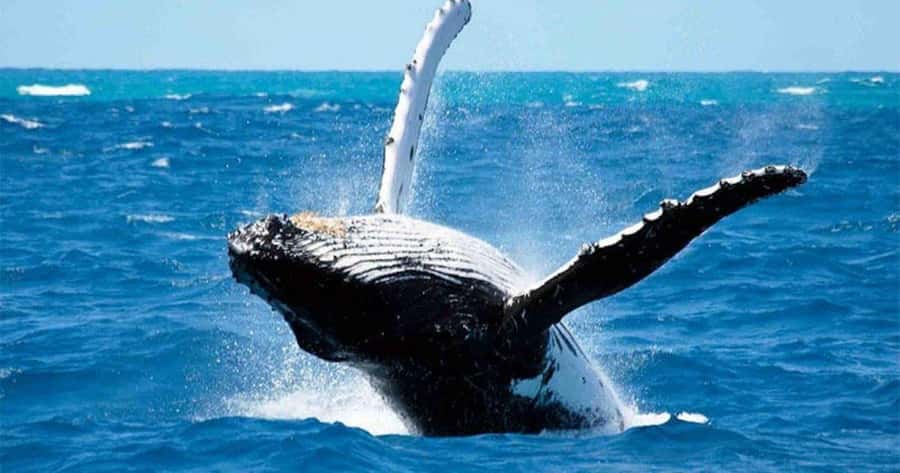
If you’re staying in Kihei or Wailea, this is a smart launch point. The tour departs from the Kihei Boat Ramp, about 10 minutes from most Kihei and Wailea resorts, and you get ample free parking right at the ramp. That means less time fighting traffic and more time getting eyes on the ocean.
Check-in is 30 minutes before departure. I like that this tour builds in extra time between trips for safety and federal compliance, because it usually leads to a more orderly boarding process. Translation: don’t treat this like a “show up whenever” kind of outing.
For a smooth start, I recommend using that half hour to do the basics: water bottle refills (if you have it), sunscreen on any exposed skin, and camera settings sorted before you’re out at sea. Once you see a pod, you don’t want to be fumbling with your phone.
Guaranteed Whale Sighting: What “Free Ride” Means for Your Value
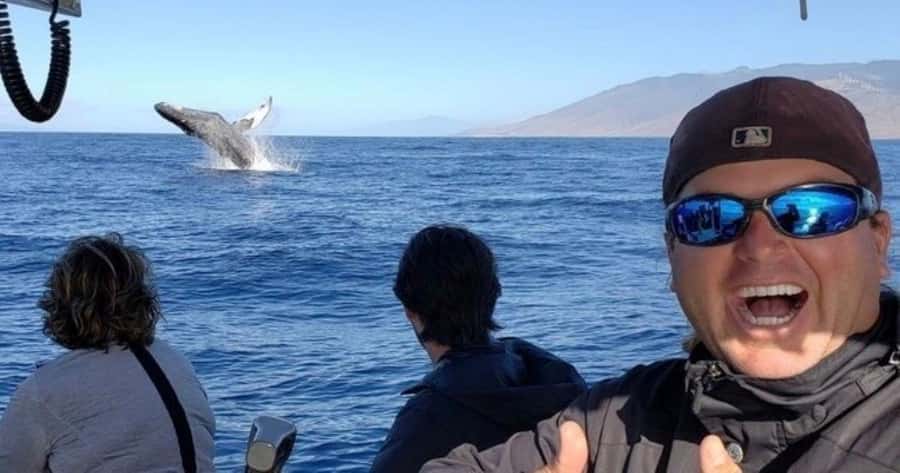
Most whale watching feels like a gamble: you pay, and the ocean decides. This one tries to remove that stress. It’s a guaranteed whale watch—if whales aren’t spotted during your ride, you receive a free ride on the next tour.
That matters for two reasons. First, it reduces the emotional roller coaster of wondering whether you’ll get your money’s worth. Second, it helps you plan with confidence on Maui, where your schedule can get crowded with beaches, hikes, and sunrise plans.
Is it magic? No. You’re still heading into open water, and marine life isn’t on a stopwatch. But a guarantee is a meaningful value signal: it’s a tour designed around actually finding humpbacks, not just driving around and hoping.
One more practical tip: since the tour has morning options with calmer conditions, I’d pick a morning departure whenever you can. Calm water makes spotting easier and makes the whole experience less “brace yourself.”
You can also read our reviews of more whale watching tours in Kihei
On the Water With a Hydrophone: Hearing Whale Songs While You Watch
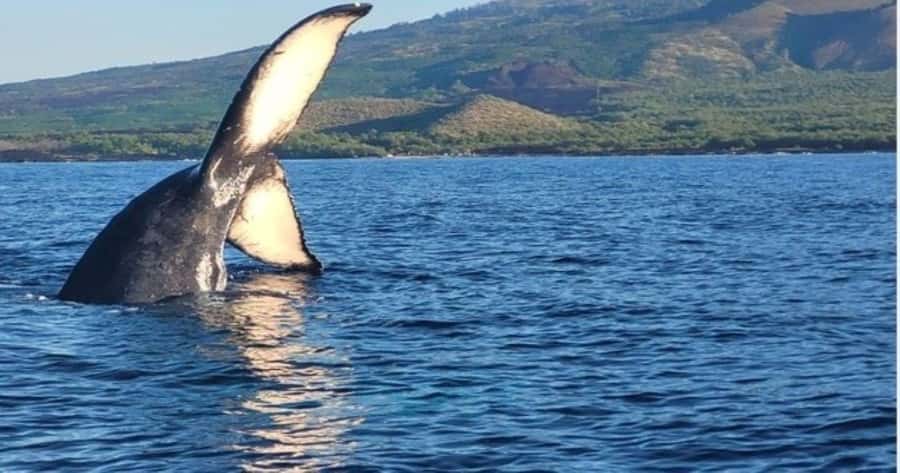
The headline for this tour is the hydrophone sound system—a way to listen to whales through underwater microphones. Instead of just looking for motion, you can also hear the vocalizations that give humpbacks their reputation.
That’s a big deal for the “first-timer” experience. If you’ve never heard whale calls before, it can turn a quick sighting into something you remember. Watching humpbacks rise, turn, and gather in pods is impressive—but hearing their calls while you track them gives the whole thing context.
What you’ll likely experience is a two-track “spot and listen” rhythm:
- You keep your eyes on the water for spouts, turns, and clusters.
- At the same time, you hear the calls through the hydrophone as your guide helps interpret what’s happening.
The tour is designed around humpback behavior, including the possibility of seeing young whales nearby. That’s tied to feeding and nursing patterns, which can be more common on Maui’s south shore during visits. Even when your sighting isn’t a perfect Hollywood moment, the combination of visuals plus sound makes it feel complete.
The 90-Minute Itinerary: Calm Morning Water and Time to Enjoy It
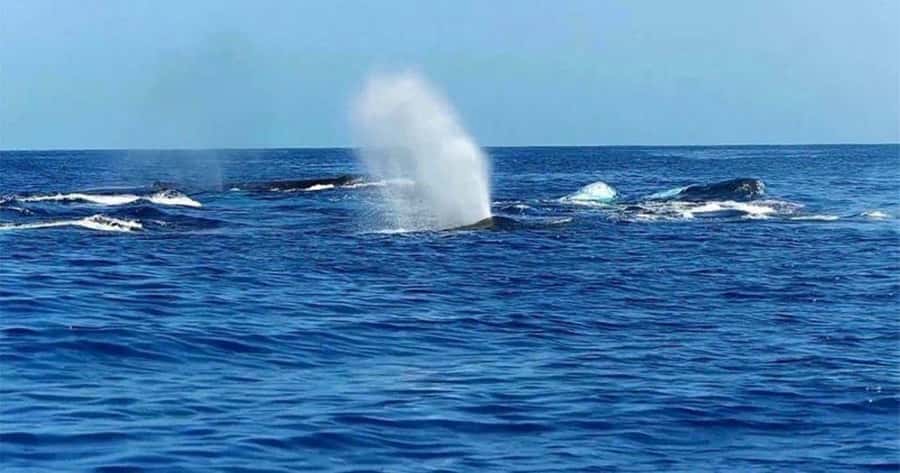
This tour runs about 90 minutes. That timing is excellent: long enough to get out, spot whales, and enjoy repeated viewing, but short enough that you’re not stuck on the water all day.
Maui’s south shore is the focus, and morning departures are emphasized because conditions are often calmer. I like this approach because whale watching is a “eyes and patience” activity. When the water is calmer, it’s easier to:
- track a moving pod without constantly losing the sightline
- keep the hydrophone experience steady instead of fighting the ride
- take photos without chaos
The typical experience is straightforward: you head out, spot pods of humpback whales quickly (when conditions are right), and you get ample time for viewing and listening once they’re found. The “quick finding” part matters—because it keeps the excitement from dragging.
Also, the tour includes an appropriate safety buffer between runs. That’s why you might see schedule flexibility. I’d plan your day with a little slack around your departure, especially if you’re fitting this between beach time and dinner.
Close Encounters Within 100 Yards: How to Think About Safety
The tour includes close encounters with humpback whales, within 100 yards. That’s close enough to feel the excitement without needing to guess from far away.
But here’s the healthy mindset: you’re getting proximity, not contact. You still keep your distance and let the whales do their thing. That balance is why tours exist—your job is to observe, listen, and enjoy the moment responsibly.
From a practical standpoint, being within 100 yards changes how you experience the animals:
- You can watch their movement patterns more clearly.
- You can tell when a pod is staying together versus dispersing.
- The hydrophone experience becomes more meaningful because you’re hearing vocal activity in the same moment you’re seeing behavior.
If you care about photography, this is one of the best features to look for in a Maui whale watch. Close viewing usually means better chances of decent shots, even if your camera isn’t perfect at tracking motion.
What the Live English Guide Adds (Without Taking Over the Trip)
This is a live guided tour in English, and the guide role is important. The goal is not a long speech—it’s interpretation you can use while you’re actively watching.
I like the way this kind of guide input works: it helps you understand what you’re seeing in real time. Expect explanations tied to humpback behavior and patterns that connect to migration. If you’re the kind of person who wants more than just spotting, this is your sweet spot.
A good guide also keeps the pace right. When information is timed well, you learn something without missing the best moments on the water. The tour experience is short, so the guide’s job is to stay useful, not to fill every second with narration.




Comfort on a Fast Boat: What to Plan For During 90 Minutes
The boat ride is described as fast and convenient, which usually means quicker time to the best viewing zone. That’s a plus on a 90-minute outing.
Still, you’re on open water. Bring a practical mindset:
- expect wind exposure (even when the sun feels manageable on land)
- plan for spray
- be ready for the boat to move, especially once you’re out farther
Even though no special gear is listed, the “comfort checklist” is covered by what you’re told to bring:
- Hat
- Sunscreen
- Water
- Camera
If you’ve got a sensitive back, again, this one is not suitable for people with back problems. That’s not a “maybe.” It’s an intentional restriction for a reason.
Price and Value: Is $82 Worth It on Maui?
At $82 per person, this tour isn’t the cheapest option on Maui—but it also isn’t trying to be. Here’s how I’d judge the value in plain terms.
You’re paying for four things that most bargain whale watches don’t guarantee:
- A guarantee: whale sighting or the next ride is free
- Hydrophone audio: turning silence into whale-song listening
- A close viewing standard: within 100 yards
- A focused duration: 90 minutes, so your time isn’t eaten by long cruising
That combination can justify the price if you care about more than just “seeing something.” If you want an experience that feels complete—visual plus sound plus guidance—then $82 starts to look reasonable.
Also, because morning departures often offer calmer conditions, choosing the right time can improve your outcome. In whale watching, conditions can be the difference between “we saw a spout” and “we watched a pod.” This tour’s structure is designed to maximize that.
Quick Packing Tips That Actually Help on the Water
This tour gives you a short and sensible list of what to bring. Follow it. The ocean and sun don’t care about good intentions.
Bring:
- Hat (wind and sun happen fast on the water)
- Camera (and make sure it’s protected from spray)
- Sunscreen (apply before you board)
- Water (hydrate so you enjoy the ride)
Not allowed:
- Smoking
- Feeding animals
A small practical tip: if you’re planning to use your phone for photos, consider stowing it securely before the ride gets choppy. You’ll want both hands free for grabbing your camera and tracking whales once they appear.
Who This Tour Fits Best—and Who Should Skip It
This whale watch is built for people who want a straightforward, high-probability humpback experience on Maui’s south shore. It’s a strong match if you:
- want a guaranteed sighting approach
- like learning while you watch (live English guide)
- care about whale “songs,” not just spouts
- prefer a morning outing for calmer conditions
It’s not for everyone. The tour is not suitable for:
- pregnant women
- people with back problems
If either applies, you’ll be happier choosing a different activity that doesn’t involve a boat ride.
Also, it’s a good idea to go into it expecting real nature—not staged animals. This is about watching humpback whales where they naturally show up, including the possibility of seeing young near nursing activity.
Should You Book This 1.5-Hour Whale Watch from Kihei?
I’d book this tour if you want a Maui whale experience with three key ingredients: a guarantee, hydrophone whale-song audio, and close viewing within 100 yards. At 90 minutes, it’s also a manageable block of time that won’t wreck your whole day.
I’d think twice if you’re in either of the restricted categories (pregnancy or back problems), since the tour explicitly isn’t suitable. And if your schedule is extremely tight, leave room around check-in and departure—this experience works best when you arrive early and don’t rush.
If you’re coming to Maui and want one outing that gives you both spectacle and meaning—sound plus sight—this is the kind of whale watch that earns its place.
FAQ
How long is the Maui whale watching tour?
It’s about 90 minutes (listed as 1.5 hours).
Where does the tour depart from?
The tour departs from the Kihei Boat Ramp.
Is whale watching guaranteed on this tour?
Yes. It’s a guaranteed whale sighting tour, or the next ride is free.
What makes this tour different from typical whale watches?
You’ll use a hydrophone sound system to listen to the whales, plus you’re guided by a live English tour guide.
How close will you get to humpback whales?
The tour includes close encounters with humpback whales within 100 yards.
Are morning departures calmer?
Morning departures offer calmer conditions on Maui’s south shore.
What time should I check in?
Check in 30 minutes prior to departure.
What should I bring?
Bring a hat, camera, sunscreen, and water.
What’s not allowed during the tour?
Smoking and feeding animals are not allowed.
Is the tour suitable for everyone?
It’s not suitable for pregnant women or people with back problems.