REVIEW · KAANAPALI
Maui: Waterfalls of West Maui and Molokai Helicopter Tour
Book on GetYourGuide →Operated by Blue Hawaiian Helicopters · Bookable on GetYourGuide
Waterfalls look different from the sky. This West Maui and Molokai flight strings together 88 miles of coastline with misty mountain valleys and towering drops into the sea, all paired with Bose Aviation-grade noise-cancelling headsets for clear listening. You get a tight, high-impact aerial route that feels built for views, not waiting around.
I especially like that the pilot is also a State of Hawaii Certified Tour Guide, so you hear explanations that connect what you’re seeing to how the islands work. That matters on a short flight, because the narration helps you recognize places fast instead of just admiring scenery.
One consideration: at 50 minutes, it’s a lot of flying and spotting, not a slow, on-the-ground tour. If you want time to hike, browse, or linger, this won’t be your match—plus the check-in window is firm.
In This Review
- Key Things You’ll Notice Fast
- Setting Off From Kahului: Where the Flight Begins
- Getting Your Bearings: Kahului, Wailuku, and Waihee From Above
- Kahakuloa Bay and Puu Kukui: Remote Coastlines and High-Peak Views
- Pailolo Channel to Molokai: The Moment the Route Turns
- Molokai North Shore and Kalaupapa: Waterfalls Meet Sea Cliffs
- Back Over Maui: Ka’anapali, Kapalua, and Pelekunu Bay
- How the “State-of-the-Art” Setup Actually Helps (Eco-Star + Headsets)
- What’s Included in the Ticket (And What You Should Budget Extra)
- Price and Time: Is $419 Worth It for 50 Minutes?
- Small Group Reality: Up to 6 People Means Less Crowding
- Quick Tips Before You Go: What to Wear and How to Prepare
- Final Call: Who Should Book This and Who Should Skip It
- FAQ
- How long is the Maui: Waterfalls of West Maui and Molokai helicopter tour?
- Where does the tour depart from?
- What time should I arrive?
- What is included with the ticket?
- Is the tour wheelchair accessible?
- Is it a small group?
- What should I bring, and what can’t I bring?
- Are there any weight or seating rules?
Key Things You’ll Notice Fast
- 88 miles of coastline over untouched shoreline, built around waterfall and sea-cliff views
- Eco-Star helicopter designed for touring comfort and strong sightlines
- Two-way pilot communication plus recorded narration through aviation-grade headsets
- West Maui landmarks from the air like Puu Kukui and Kahakuloa Bay
- Molokai north shore drama: world-famous sea cliffs and Kalaupapa community area
- Small group of up to 6 for a less crowded feeling from the start
Setting Off From Kahului: Where the Flight Begins
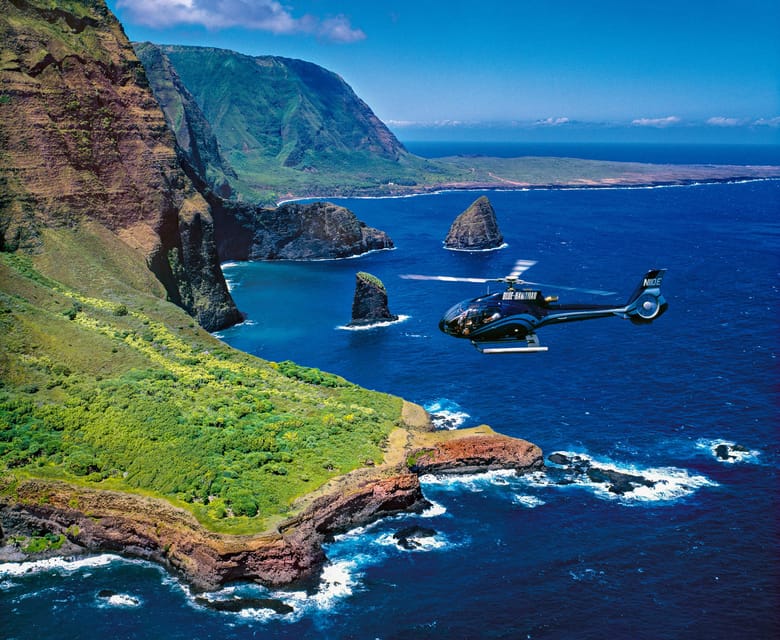
Your tour departs from Kahului Heliport, and you’ll check in 45 minutes before your scheduled time. Late arrivals may not be accepted, and the ticket is non-refundable if you miss that window—so build in breathing room. If you’re coming by rental car, plan for parking on your side since parking fees aren’t included.
Once you’re checked in, you’ll get set up with the headset system used for the narrated route. The tour includes microphones with 2-way communication with the pilot, which is handy if you’re trying to hear directions or ask for something during flight (within what’s allowed).
The helicopter ride is only 50 minutes, and that short duration is part of the pitch: you get a big visual “greatest hits” loop without spending half a day in transit.
You can also read our reviews of more tours and experiences in Kaanapali.



Getting Your Bearings: Kahului, Wailuku, and Waihee From Above
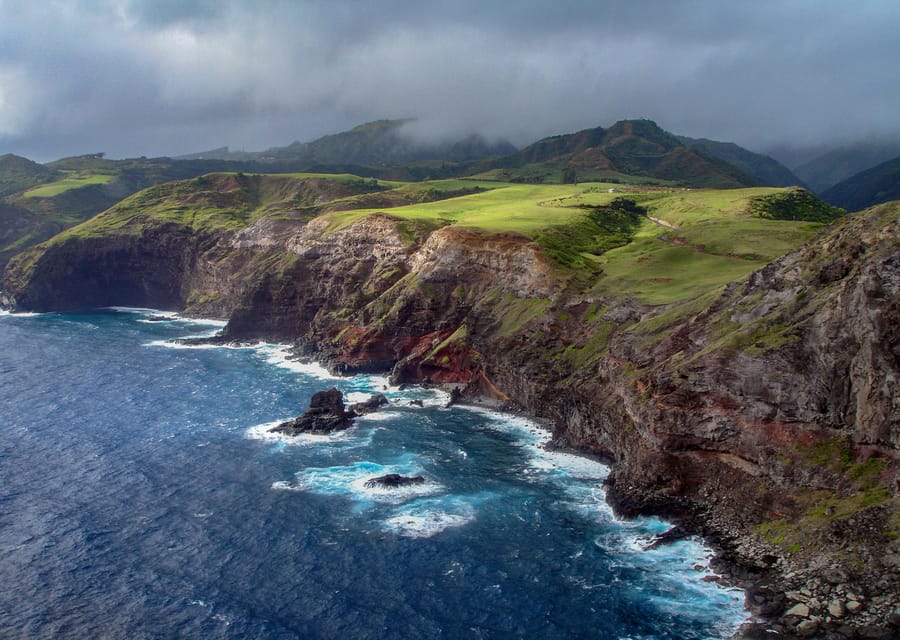
The flight starts by passing key areas around Maui, and the narration is timed to help you orient quickly. First up is Kahului, the island’s economic center, used as a launching point for bigger views toward Haleakalā and the West Maui Mountains.
Next is Wailuku, described as an ancient population center and a gateway to ‘Iao Valley and West Maui Mountains. From the air, this kind of reference point is useful because you can track where valleys and ridges begin—so later landmarks feel less random.
Then you’ll move toward Waihee, known for lush ridge lines and dramatic terrain. Even if you’ve never visited before, you can watch how the ridges and valleys slice the island, not just how they look.
A small practical note: wear clothing that won’t bounce light back in photos. The tour recommends dark-colored clothing to reduce reflections.
Kahakuloa Bay and Puu Kukui: Remote Coastlines and High-Peak Views
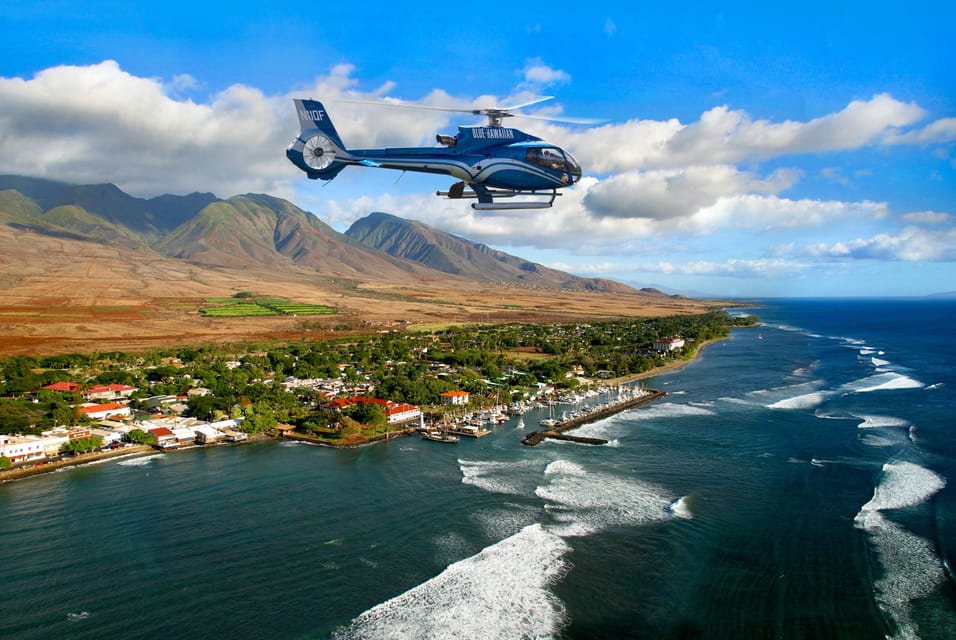
One of the more “wait, where am I?” stops is Kahakuloa Bay, a remote former fishing village with striking scenery. Being airborne changes how you understand places like this—coastlines that seem simple on a map become shaped by cliffs, bends, and access points.
After that, you’ll hear about Puu Kukui, listed as the highest peak of Mauna Kahālāwai in the West Maui Mountains. You don’t need to be a geography expert here. The narration gives you the mental label so you can spot the highest ground features quickly as you move along the range.
If you like looking for visual cues—sharp peaks, knifepoint ridges, or mist hanging on higher elevations—this section is the kind of flight that trains your eye.
Pailolo Channel to Molokai: The Moment the Route Turns
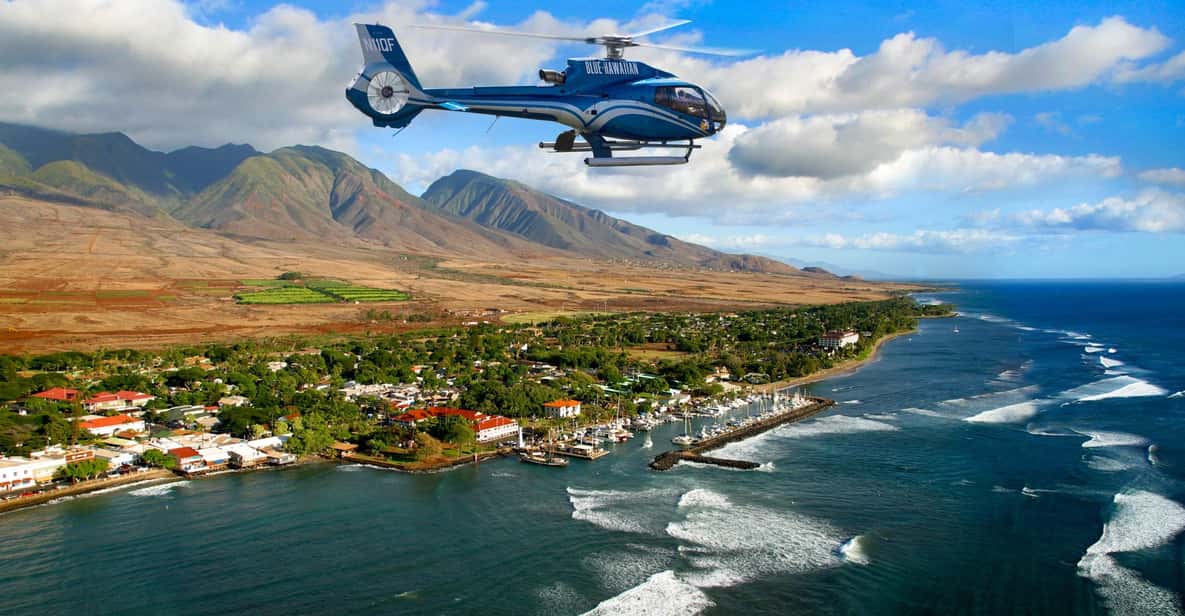
Midway, you cross the Pailolo Channel, and this is where the trip shifts from Maui-only scenery to a true two-island perspective. The channel itself is a helpful line in the day: it’s the physical divider you can see, and it keeps the narration from feeling like a random list of named places.
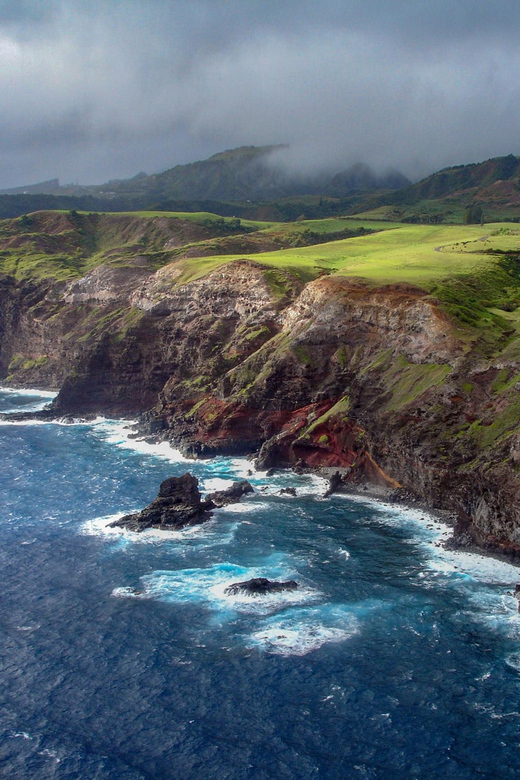
As you approach Molokai, the big theme is cliff height. Molokai is home to the world’s highest sea cliffs, and the tour frames what you’re seeing around those sheer drops.
Molokai North Shore and Kalaupapa: Waterfalls Meet Sea Cliffs
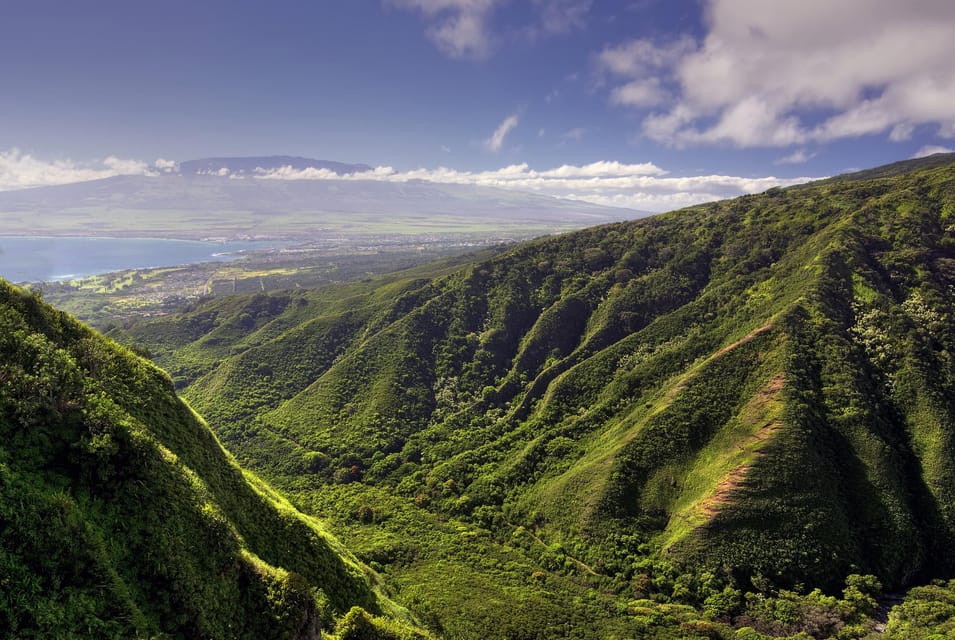
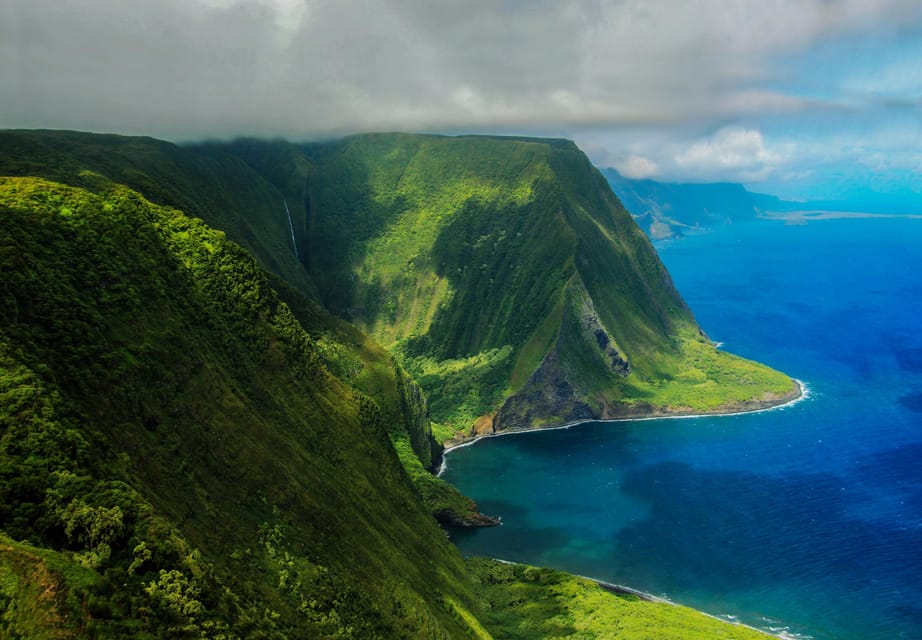
This is the headline portion for a reason. You’re flying over tall waterfalls plunging from sea cliffs into the turquoise water on Molokai’s north shore. Even in a short flight, the combo of water + sheer cliff gives you that “how is that even possible?” reaction quickly.
The tour also calls out the Kalaupapa community, mentioned as part of Molokai’s famous north-shore context. From above, it’s less about buildings and more about how settlements relate to geography—where life sits beside extreme terrain.
Because this part is the most dramatic, I’d treat it like the main event: keep your phone/camera ready, but don’t get so locked on gadgets that you miss the narrated wayfinding.


Back Over Maui: Ka’anapali, Kapalua, and Pelekunu Bay
After Molokai, you swing back over Maui with more recognizable coastal areas. Ka’anapali comes next, known for beaches and clear water. Then you head toward Kapalua, associated with beaches, golf courses, and varied views—basically a faster-moving segment where you catch broad coast patterns and resort-area geometry from above.
Then there’s Pelekunu Bay, described as flanked by the world’s highest sea cliffs, and home to one of Hawaii’s last free-flowing streams. That detail is worth listening for because it turns a view into a living system. You can look for the thin line of water moving down and remember that it isn’t just a dramatic backdrop.
This stretch is great if you like comparing coasts: some look calm and wide, others look razor-edged and steep, and the flight makes those differences feel obvious.
How the “State-of-the-Art” Setup Actually Helps (Eco-Star + Headsets)
The helicopter used is an Eco-Star, described as a modern touring aircraft designed for good sightseeing. What you’ll likely feel right away is how the seating and window access work with the route. With a small group, it’s easier to keep your sightline and avoid constant shifting.
For sound, the key piece is the headset system: electronic noise-cancelling headsets with clear listening for both recorded narration and what the pilot says through the microphones. That’s more than comfort; it’s how you actually catch the route story during flight instead of guessing.
The tour narration is provided through the audio system as you fly, so you don’t need to constantly look down at a guidebook. You can keep your eyes up and let the commentary label what you’re seeing.
At the end, you return to Kahului Heliport and get the chance to preview a video of your adventure.
What’s Included in the Ticket (And What You Should Budget Extra)
Included:
- Helicopter flight
- A State of Hawaii Certified Tour Guide / pilot
- Narration
- Bose Aviation-grade electronic noise-cancelling headsets
- Microphones with 2-way communication
- After-tour video preview at the heliport
Not included:
- Transportation to/from the heliport
- Parking fees at the heliport
- Photo/video packages via USB after the flight (available for purchase)
There’s also a clear list of what not to bring: hats, luggage or large bags, and selfie sticks aren’t allowed. If you’re packing carry-on style, travel light so you don’t spend time worrying at check-in.
For photo strategy, the recommendation to wear dark clothing helps reduce glare in windows and makes it easier to capture less-reflective images.
Price and Time: Is $419 Worth It for 50 Minutes?
At $419 per person for a 50-minute flight, this isn’t the kind of price you treat like casual entertainment. You’re paying for three things: access to viewpoints that are hard or impossible by car, the narrated structure that helps you identify what you’re seeing, and the high-comfort headset setup.
The value improves if you match your expectations to the format. If you’re time-limited and want West Maui waterfalls plus Molokai sea cliffs in one outing, this tour is built for that goal. If you’re hoping for hours of walking or lots of stops on the ground, the short duration is going to feel limiting fast.
A practical way to decide: ask yourself what you’d spend your day on instead—most alternatives won’t give you a direct aerial route over waterfalls dropping into the sea and those extreme north-shore cliffs.
Small Group Reality: Up to 6 People Means Less Crowding
This is a small-group experience limited to 6 participants, which matters for comfort and attention. In a helicopter, small-group size helps reduce bottlenecks around sightlines and makes it easier for the guide and pilot to manage the flight.
It’s also wheelchair accessible, which is a meaningful plus if you’re looking for an aviation-based option.
There’s one additional seating rule tied to safety: if a person weighs over 240 pounds (108 kg), an adjacent empty seat is required to balance the aircraft. The second seat for that adjacent space is discounted (half off the regular tour price), and you’ll arrange that after booking. This can affect availability, so it’s worth confirming early.
Quick Tips Before You Go: What to Wear and How to Prepare
Bring:
- Passport or ID card
Avoid:
- Hats
- Luggage or large bags
- Selfie sticks
Wear:
- Dark-colored clothing is recommended to reduce reflection in photos.
And one more planning note: the tour says no scuba diving within 24 hours of departure. If you’ve got a dive day on your schedule, line things up so you’re not cutting it too close.
Also, infants up to 23 months sit on laps and are free of charge, so families may find the pricing friendlier than some other helicopter formats.
Final Call: Who Should Book This and Who Should Skip It
Book this if:
- You want West Maui waterfalls and Molokai sea cliffs in one tight trip
- You value narration that helps you recognize what you’re seeing
- You like the idea of small-group helicopter time over long driving days
Skip it if:
- You’d rather spend your time on foot and don’t want a flight-only experience
- You’re sensitive to strict check-in timing and baggage rules (because the operation is firm)
- You’re looking for a budget-friendly activity—this is a premium view payoff
If you’re on Maui and want one outing that feels genuinely different from beaches and roadside lookouts, this is one of the most focused ways to do it.
FAQ
How long is the Maui: Waterfalls of West Maui and Molokai helicopter tour?
The flight duration is 50 minutes.
Where does the tour depart from?
The tour departs from Kahului Heliport.
What time should I arrive?
Check-in is 45 minutes prior to the tour time. Late arrivals may not be accepted and are non-refundable.
What is included with the ticket?
Included are the helicopter flight, a State of Hawaii Certified Tour Guide/pilot, tour narration, Bose Aviation-grade electronic noise-cancelling headsets, microphones with 2-way communication, and an after-tour video preview at the heliport.
Is the tour wheelchair accessible?
Yes, the tour is wheelchair accessible.
Is it a small group?
Yes. The group is limited to 6 participants.
What should I bring, and what can’t I bring?
Bring a passport or ID card. Hats, luggage or large bags, and selfie sticks are not allowed.
Are there any weight or seating rules?
For each guest weighing over 240 pounds (108 kg), an adjacent empty seat is required for safe balancing of the aircraft. The second seat charge is half off the regular tour price, and you must arrange the additional seat after booking.