REVIEW · MAUI
Classic Haleakala Sunrise Tour
Book on Viator →Operated by Haleakala Ecotours · Bookable on Viator
Waking up for Haleakala pays off fast. This classic sunrise tour takes you from near sea level up to the Haleakala summit before dawn, then back down with a certified guide explaining the island’s geology and living landscapes along the way.
I especially like the hotel pickup and the built-in local breakfast after the cold waiting. It’s one ticket that handles the logistics, so you can focus on the big moment and the stops that fill in Maui beyond the beach.
The main thing to plan for is the early start and the summit cold. Layers matter, and wind can make it feel a lot colder than you expect at that hour.
In This Review
- Key things to know before you go
- Why Haleakala Sunrise Can Feel Like a Reset Button
- Tour Logistics: Pickup, Group Size, and a Real Start Time
- Entering Haleakala National Park: From Sea-Level to Summit Views
- A quick reality check: cold and wind
- The Sunrise Moment: What to Look For and How to Enjoy It
- Photo tip that actually helps
- Paia: Surf Town Energy With a Plantation Past
- Kula: Upcountry Farms, Ranching, and the Cool-Weather Contrast
- Makawao: Paniolo Town and That Western-Rails Detail
- Guide Style: The Difference Between Hearing and Learning
- Breakfast After the Summit: Comfort Food With a Purpose
- Price and Value: Is $243.55 a Smart Spend?
- When This Tour Fits Best (and When It Might Not)
- One more thing: weather can change everything
- Packing Checklist for Summit Cold and Dawn Waiting
- Should You Book This Classic Haleakala Sunrise Tour?
- FAQ
- How long is the Classic Haleakala Sunrise Tour?
- Does the tour include hotel pickup and drop-off?
- What meeting point does the tour use?
- Is breakfast included?
- What group size should I expect?
- Is admission included for the stops?
- What happens if the weather is bad?
Key things to know before you go
- Small group size (max 24) keeps the morning more personal than the big-bus experience.
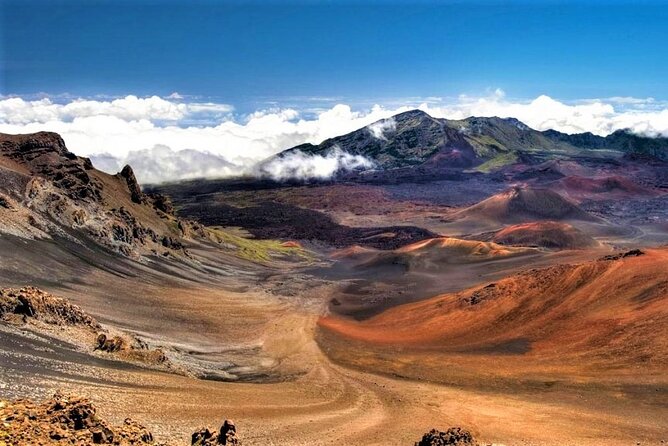
- Sunrise at the Haleakala summit includes the full climb and crater views from high up.
- Certified guide storytelling ties together volcano science, plants, and island culture as you drive.
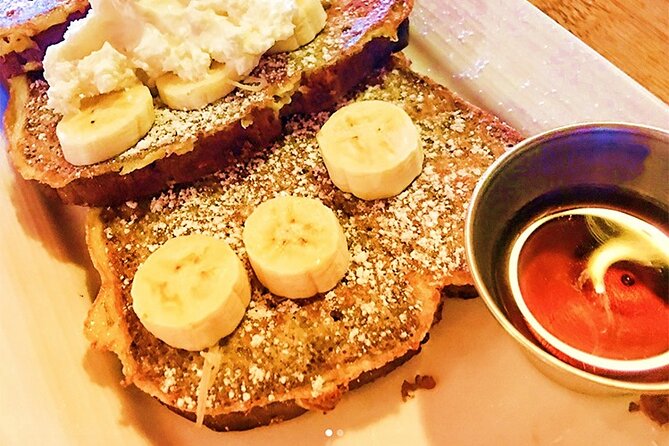
- Breakfast is part of the deal, and at least some departures include comfort-food favorites like banana nut bread French toast.
- Cold-weather comfort helps: jackets may be provided, but you still need your own warm layers.
- Clear skies change everything: if the sky cooperates, you can catch great stargazing time before the sun arrives.
Why Haleakala Sunrise Can Feel Like a Reset Button
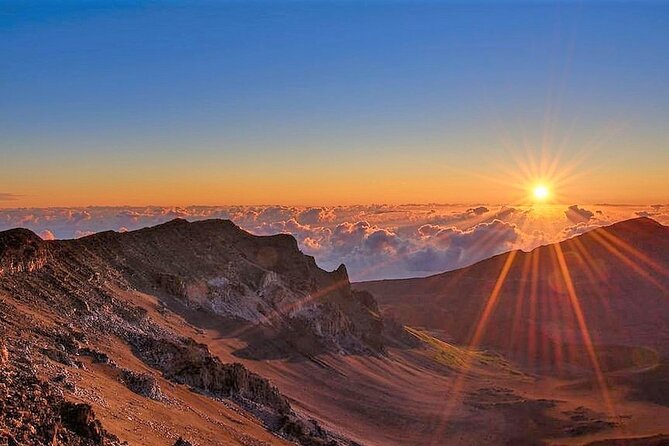
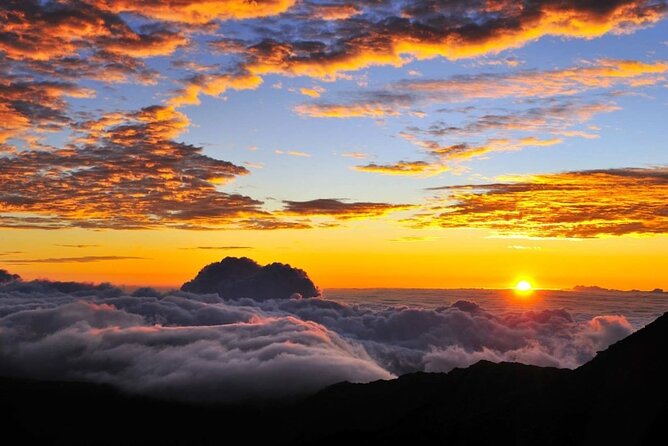
Haleakala sunrise is one of those rare natural events where the setting changes how you see the day. You start in darkness, then slowly the whole crater area brightens. It’s not just pretty. It feels big, like you’re watching the island wake up from the inside.
This tour is built around that contrast. You get a guided, scheduled run-up to the summit, plus stops that show you Maui’s different faces: surf-town Paia, upcountry ranch and farm country near Kula, and the paniolo (Hawaiian cowboy) vibe in Makawao. It’s a full arc from sunrise to real-world Maui.
You can also read our reviews of more tours and experiences in Maui
Tour Logistics: Pickup, Group Size, and a Real Start Time
This is a group tour with a maximum of 24 travelers, so you’re not stuck in a huge crowd staring at one another’s shoulders. That matters at Haleakala, where space and timing feel tight. The group size also helps for questions, photo stops, and moving through viewpoints without chaos.
You’ll have pickup offered and the day ends back at the meeting point. The start point listed is 1090 Ho’okele St, Kahului, HI 96732. You’ll also get a mobile ticket, which cuts down on fumbling paper in the dark.
One practical note: this is the kind of morning where you want to be ready before you think you need to be. Even if the tour runs smoothly, sunrise timing depends on road conditions and the sky. The best move is to dress and be set to go the night before.
If you’re sensitive to sound, you’ll want to know that a previous departure had issues with music volume changes during pre-dawn pickup. That’s not the same as something broken with the tour, but it’s a good reminder to bring earplugs if quiet helps you sleep on trips.
Entering Haleakala National Park: From Sea-Level to Summit Views
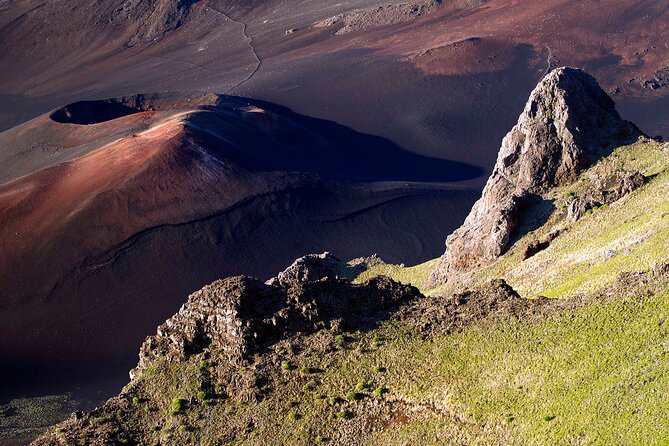
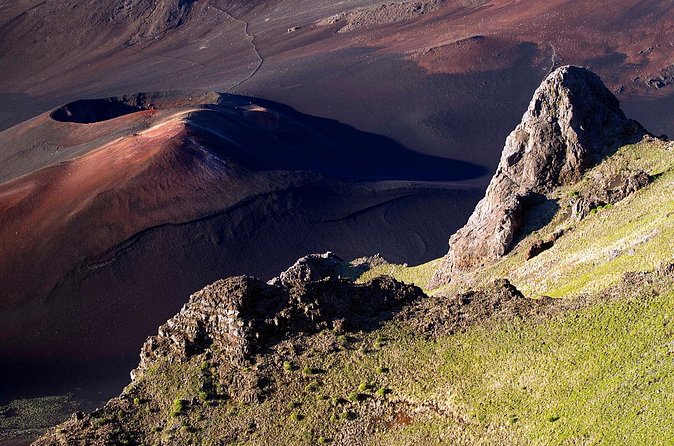
The main stop is Haleakala National Park, and it’s the star of the show. The drive climbs quickly from very low elevation to the summit area around 10,023 feet. You go from humid coastal air to crisp, thin-sky cold fast, so your clothing choices matter more than you think.
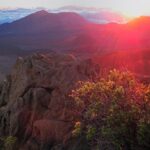
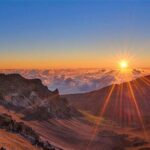
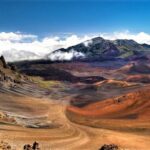
At the summit, you get the payoff: views down into the crater. The crater is described as about 3,000 feet deep, stretching roughly 7 miles long and about 2 miles across. It’s the kind of view that makes you stop trying to compare it to other places. You’re looking at a massive volcanic bowl, with the light slowly revealing its scale.
Also, the park entry is listed as free for this stop. Translation: you don’t have to add another line item in your head while you’re rushing to make the dawn moment.
A quick reality check: cold and wind
At that altitude, it can be very cold. One rider specifically advised layering up and bringing a wind jacket. Another noted that jackets are often provided for the summit cold, but don’t assume that means you’ll be fine in a hoodie only.
What I recommend: bring a warm base layer, a mid layer, and a windproof outer layer. Add gloves if you get cold hands. You’ll thank yourself during the waiting time, not after sunrise.
The Sunrise Moment: What to Look For and How to Enjoy It
Sunrise at Haleakala isn’t instant. It’s a process. You watch the horizon brighten, then the sun becomes a clear shape, then the crater details start popping as the light lifts.
This is also where you’ll see why a good guide matters. Several guides are known for adding cultural touches as the sun peaks—like Hawaiian song—and even chanting to welcome the dawn. That doesn’t just entertain. It sets a tone that makes the moment feel more respectful than a quick photo stop.

Photo tip that actually helps
Take a few photos early, then spend a minute looking with your eyes only. The temptation is to keep shooting because it’s beautiful. But you’ll get more out of it if you also notice the crater edges and how the light changes the shadows.
And if you want your group’s experience to feel calm: keep voices low once people start settling in. The sunrise is the point. Loud talking can be distracting fast, especially if the morning is chilly and people are focused on getting comfortable.
Paia: Surf Town Energy With a Plantation Past
After the summit, the tour shifts from peak drama to everyday Maui. The stop in Paia is about context—how the island developed.
Paia is known as a popular surf destination today, but the stop highlights the town’s deeper roots tied to sugar plantations and how that shaped culture on Maui. That gives you a lens for what you see: the town doesn’t feel random. The streets and stories point back to an era when agriculture drove the island economy.
This stop is listed with free admission. Realistically, you’ll use this time for a short walk and a chance to get your bearings after the height and cold of the summit.
If you like places where modern beach life overlaps older history, this is one of the better stops on the route. It’s not just a scenic pull-off. It helps you understand why Maui looks the way it does.
Kula: Upcountry Farms, Ranching, and the Cool-Weather Contrast
Next comes Kula, upcountry Maui, where the air cools down and the scenery shifts to ranch and farm land. This area is described through farming and ranching history, with pastures stretching along the mountain slopes.
Kula is also tied to agriculture that thrives in volcanic soil. The tour notes cool weather and rich volcanic ground, including places known for lavender. Even if you don’t shop, the point is to show you how Maui’s climate zones create totally different ways of living.
Why this stop is worth your attention: it breaks the morning out of the “one viewpoint, one theme” rhythm. Sunrise can dominate your brain. Kula gives you variety, plus a better sense of Maui as a place with multiple economies and ecosystems.
Makawao: Paniolo Town and That Western-Rails Detail
The final highlighted stop is Makawao, known for its Hawaiian cowboy roots, or paniolo culture. This is one of those towns where you can see history in the design details.
The tour description calls out hitching rails at storefronts—an old-school feature tied to how locals once secured horses. That’s the kind of small visual detail that makes a town feel lived-in rather than staged for tourists.
Like the other stops, the admission entry is listed as free. And unlike some “photo stop towns,” Makawao is the sort of place where you can browse a bit, take photos, and feel the vibe shift from surf and upcountry farming into working-community energy.
Guide Style: The Difference Between Hearing and Learning
The strongest repeated theme is guide quality. The narration seems to be a big part of the value.
Guides like Michael Reed, Michael, Cory, and Eddie Buddy are named in past departures, and the comments consistently point to clear explanations and entertaining delivery. Some guides add Hawaiian song or chanting at dawn, and others focus on geology and nature as you climb.
What you should do as a passenger: listen for the guide’s “why” moments, not just the dates and facts. Haleakala is a volcano, but the more you understand how it formed, the more the sunrise makes sense. You’ll look down into the crater with more than just awe.
Breakfast After the Summit: Comfort Food With a Purpose
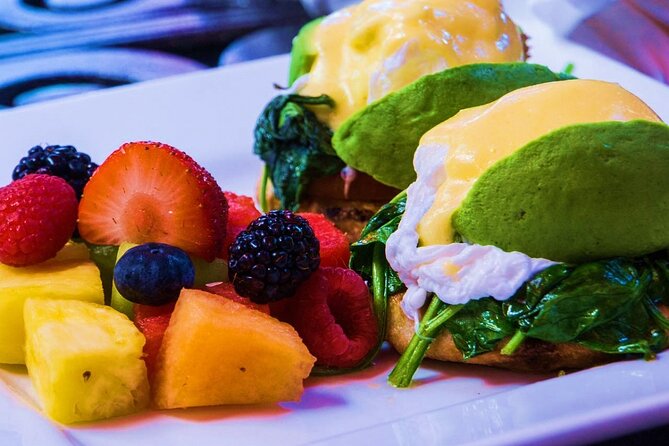
This tour includes breakfast, typically at a local spot. It’s not a random add-on. Breakfast matters on a sunrise tour because you’re cold, tired, and hungry in a way normal breakfast schedules don’t prepare you for.
Some departures include items like banana nut bread French toast, and riders note it as delicious. Even if your breakfast differs, the important part is that you’re eating before the long stretch of driving and sightseeing feels even longer.
Practical advice: keep a little room in your stomach for coffee and extra bites. You’ll likely burn more energy than you think. The day starts early, and the cold can do a number on your appetite.
Price and Value: Is $243.55 a Smart Spend?
At $243.55 per person, this isn’t the cheapest way to see Haleakala sunrise. But it’s also not just a seat on a van.
You’re paying for:
- Pickup and drop-off coverage
- A certified guide for the drive and stops
- Breakfast included
- A structured route across Paia, Kula, and Makawao after the summit
In other words, you’re buying time and know-how. Sunrise logistics on Maui are tricky: you’re dealing with early departures, weather variables, and a tight schedule to reach the summit at the right moment. A guided, planned approach tends to reduce stress.
If you’re a budget traveler and you’d rather drive yourself, you might compare costs. But if you want the easiest path with coaching and context, this price can feel fair.
Also note the tour is often booked about 43 days in advance on average. That’s a clue that people plan ahead for weather and timing. If you have fixed travel dates, booking sooner can help.
When This Tour Fits Best (and When It Might Not)
This tour is a strong match for:
- People who want sunrise plus a guided tour across multiple Maui towns
- Travelers who like learning as they go, not just taking photos
- Anyone who wants small-group comfort without a huge bus crowd
- Visitors who value included breakfast after the summit cold
It might be less ideal if:
- You’re extremely price-sensitive and want a self-drive option
- You hate very early starts and cold outdoor waiting
- You need a quiet ride from pickup onward (music volume has been an issue on at least one past departure, so bring earplugs)
One more thing: weather can change everything
This experience requires good weather. If it’s canceled due to poor conditions, you’ll be offered a different date or a full refund. That’s common for sunrise tours, but it’s still important to understand: your plan lives and dies by the sky.
Packing Checklist for Summit Cold and Dawn Waiting
You don’t need to overthink it, but you do need warmth. Here’s what makes sense for a Haleakala sunrise day:
- Warm layers (base + mid layer)
- Windproof outer layer
- Gloves and a hat if you get cold easily
- Sunglasses (sunrise glare can be strong)
- Comfortable shoes for short walks to viewpoints
- Earplugs if you’re sensitive to sound during pickup or waiting
- A camera setup you can hold steady in chilly fingers
And remember: jackets may be provided, but your own layers are what keep you comfortable from first pickup to the moment the sun climbs.
Should You Book This Classic Haleakala Sunrise Tour?
Book it if you want the easiest, guided sunrise day with real stops after the summit. The small group size, hotel pickup, breakfast, and guide narration all point to solid value for a full-day experience.
Skip it (or at least consider alternatives) if your priority is cheapest possible cost or if you dislike cold and pre-dawn waiting. Sunrise is the main event, and everything else supports that.
If you’re going to Haleakala, don’t treat it like a quick checkbox. Give yourself the full morning, let the crater light change, then enjoy the towns on the way down. That’s where this tour earns its keep.
FAQ
How long is the Classic Haleakala Sunrise Tour?
It runs for about 8 hours.
Does the tour include hotel pickup and drop-off?
Pickup is offered, and the activity ends back at the meeting point.
What meeting point does the tour use?
The start location listed is 1090 Ho’okele St, Kahului, HI 96732, USA.
Is breakfast included?
Yes. Breakfast is provided at a local spot.
What group size should I expect?
This tour has a maximum of 24 travelers.
Is admission included for the stops?
The tour details list admission ticket free for the highlighted stops.
What happens if the weather is bad?
The experience requires good weather. If it’s canceled due to poor weather, you’ll be offered a different date or a full refund.