REVIEW · MAUI
Maui Eco-Raft Tour: Eye-Level Whale or Dolphin Watching – Lahaina
Book on Viator →Operated by Hawaii Ocean Rafting · Bookable on Viator
Eye-level whales off Lahaina feel almost unfair. I loved the zodiac raft setup because you’re close to the waterline, not craning your neck from a big deck, and the hydrophone lets you hear whale songs in season.
I also like the way the crew runs the trip: you’re not stuck in a long parade of people. On past outings with captains like Jack and Mark and marine naturalists such as Jess and Olivia, the focus stayed on finding active areas and sharing what you’re seeing as you go.
One real consideration: this isn’t a casual boat ride. It’s not suited for pregnant people or anyone with back/neck issues, kids must be 3+, and you should expect to get wet with low-water spray or light rain.
In This Review
- Key highlights worth planning for
- Why This Eye-Level Raft Beats Big Boats off Lahaina
- Seasons and What You’ll Actually See: Whales vs Dolphins
- The 2.5-Hour Flow: Front Street Check-In to Time on the Water
- How the Hydrophone Whale Songs Work (and Why It’s Not Just Sightseeing)
- What You Need to Bring: Sun, Spray, Shoes, and Reef-Safe Rules
- Crew and Small-Group Vibe: The Difference You Feel on Board
- Price and Logistics: Is $85.16 Worth It?
- Who Should Book This Raft Tour—and Who Should Skip
- Quick Practical Tips for Your Best Chances
- Should You Book This Maui Eco-Raft Tour?
- FAQ
- When is whale watching offered on this tour?
- When is dolphin watching offered?
- Is the tour suitable for children?
- Is this tour suitable for pregnant people?
- Do I get life jackets?
- What should I bring for the trip?
- Is food included, and can I bring my own drinks?
Key highlights worth planning for
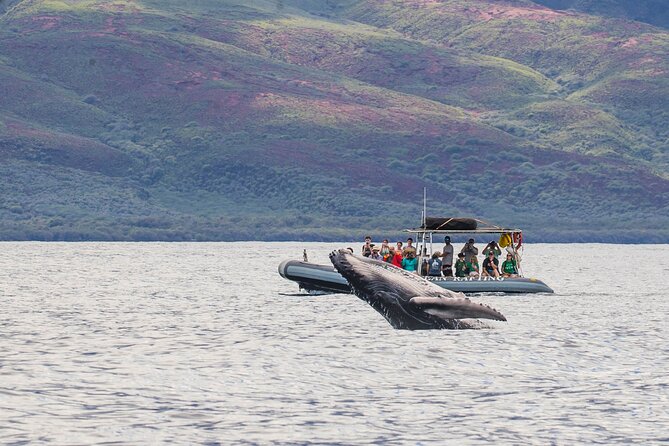
- Eye-level views from a zodiac raft for photos and spotting spouts faster
- Hydrophone whale songs in season, turning sightings into something you can hear
- Marine naturalist narration with real-time explanations of behavior and habitat
- Small-group atmosphere (max 25) so the captain can position the raft at sightings
- Dolphin-season option with coastal sightseeing plus snacks on board
Why This Eye-Level Raft Beats Big Boats off Lahaina
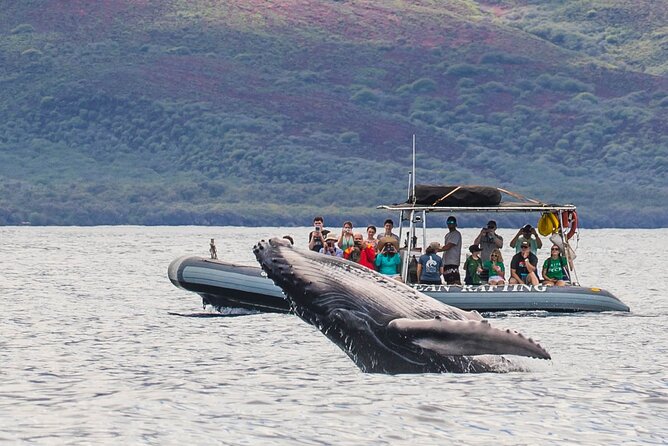
Lahaina’s shoreline has plenty of tour choices, but this one is designed around a simple idea: better sightlines. You ride in a small zodiac-style raft, low in the water, so when a spout pops up, it’s right there at your eye level. That matters more than you’d think. From the wrong height, whales become “a dot you might find.” From this setup, they become the main event.
The raft also gives you a more natural feel of how whales move through the water. When the captain spots activity, the boat can stop at the sighting area for photos and viewing time. That pause is part of what makes the whole outing feel less rushed and more interactive.
The vibe is also calmer than you’d expect from a “tour.” It’s capped at a max of 25 people, and the crew runs things efficiently from check-in to boarding. If you hate standing around in crowds, this size helps.
You can also read our reviews of more whale watching tours in Maui
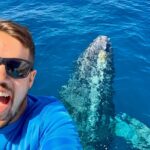
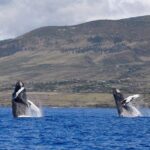
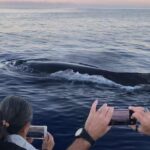
Seasons and What You’ll Actually See: Whales vs Dolphins
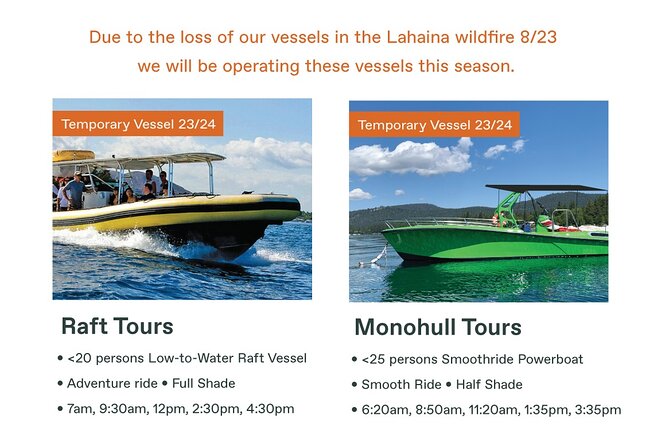
This tour is seasonal, and that’s the whole strategy. From December to April, you go out for eye-level whale watching. During summer months, you switch to dolphin watching and coastal sightseeing.
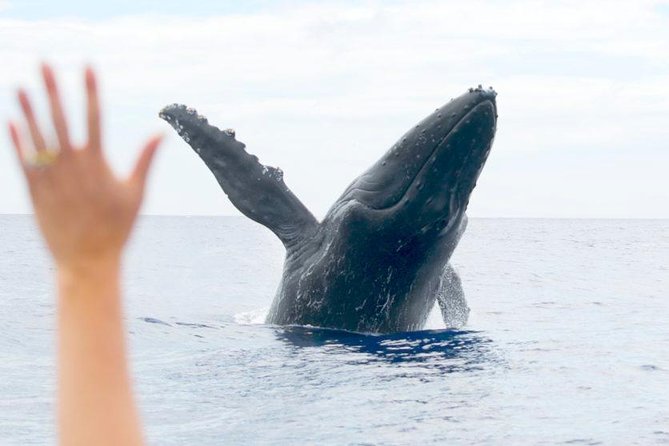
If you’re traveling in whale season, plan for humpback whale encounters. The outing is built around searching migrating whales off Lahaina and positioning when sightings happen. The marine naturalist narration ties the behavior to the Hawaiian ecosystem, so you’re not just scanning—you’re learning what you’re looking at.
If you’re going in summer, you’ll get dolphins plus coastal scenery, and you’ll also have snacks and beverages included. In dolphin months, it can feel like a different kind of outing: more about quick bursts of activity and the thrill of spotting fins and surfacing behavior near the coast.
One honest note: wildlife encounters are not guaranteed, since animals choose where they swim. The good part is that the crew’s job is to keep searching and stay with activity when it shows up.
The 2.5-Hour Flow: Front Street Check-In to Time on the Water
The experience is about 2.5 hours total, and it follows a straightforward rhythm.
You meet at 1223 Front Street in Lahaina. Check-in is fast, and you’ll get a mobile ticket and a boarding pass-type setup so you can get moving without a long scramble. The tour operator departs promptly, and you should plan to arrive at least 30 minutes early. This matters because boarding requires physical mobility, and the boat leaves on time.
Once you’re on the raft, the work begins: the crew searches for whales (or dolphins, depending on your season). The narration continues while you look out—spotting is easier when someone is pointing out what to scan for and why certain areas tend to produce activity.
When a whale is spotted, the captain stops the raft at the sighting area. This is the moment most people remember: eye-level viewing with enough time to get photos and see the behavior before the next movement. After the tour ends, you return to shore back near your starting point in Lahaina.
How the Hydrophone Whale Songs Work (and Why It’s Not Just Sightseeing)
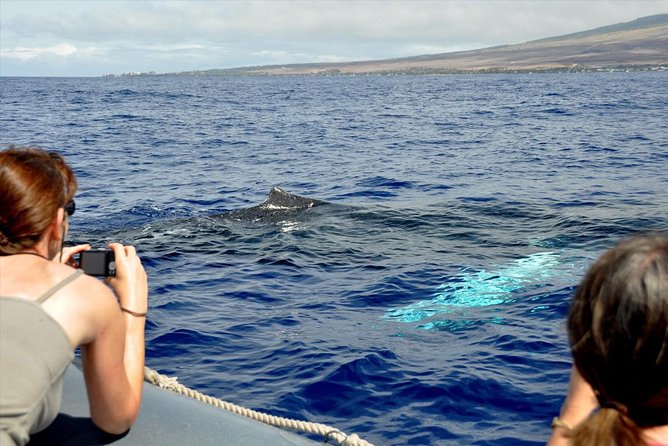
The hydrophone is a standout feature, and it changes how you experience the ocean. In whale season, you don’t just hear about humpbacks—you can listen to real whale sounds through the hydrophone.
Why it’s valuable: sighting moments can be brief. A spout, a fin, a flip of a tail—then it’s gone. The hydrophone adds context and continuity. Even when you’re scanning, the sound can help you feel connected to what’s happening under the surface.
The marine naturalist narration is also part of why it clicks. When guides like Jess and Olivia explain behavior while you’re seeing it, the outing becomes less about luck and more about understanding. You learn why whales surface, what different actions can suggest, and how this species uses the Hawaiian waters.
If you love nature experiences that engage more than one sense, this is one of the better setups in Maui. You get both the visual and the audio layer.
What You Need to Bring: Sun, Spray, Shoes, and Reef-Safe Rules
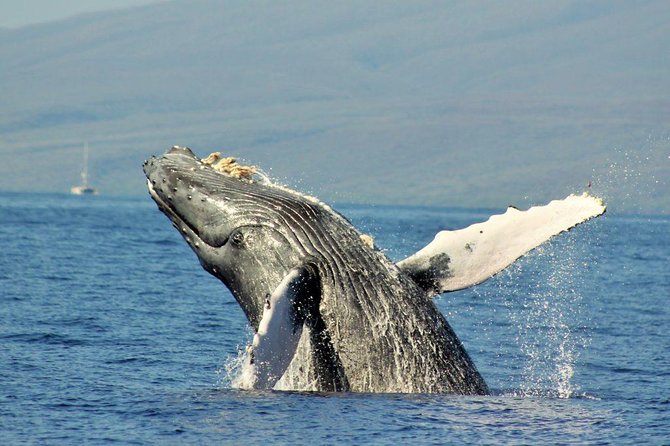
Bring the right gear and you’ll enjoy the ride more. The tour is a low-water boat, and you should plan to get wet. Ocean spray and light rain are possible, and shade can vary on board. That means sun protection is not optional.
Here’s what I’d pack:
- Hat and sunglasses for glare off the water
- Reef-safe sunscreen only, and specifically reef safe rub-on. No spray sunscreen is permitted
- A light rain layer or jacket. The raft may get chilly if it’s wet, and you’ll likely want something warm enough once the breeze kicks in
- Slip-on shoes. Boarding can involve removing footwear when you enter the raft, so choose something easy to take on and off
On board, life jackets are provided for emergencies, but they’re not required to be worn during the tour. You’ll still want to move carefully and listen to crew instructions—rafts handle differently than decks on larger boats.
If you’re doing the dolphin-season version, snacks and beverages are included. Still, you should treat it as an ocean outing, not a picnic. Wind and spray are part of the deal.
You can also read our reviews of more dolphin watching tours in Maui

Crew and Small-Group Vibe: The Difference You Feel on Board
Small group sizes can be a marketing line. Here, it matters practically.
With a max of 25 travelers, the captain can work positions more deliberately when whales show up. You’re not packed shoulder-to-shoulder. You can actually shift your viewing angle when someone spots a spout or when the guide asks everyone to look in a certain direction.
Crew efficiency also shows up in the flow of the day. People consistently talk about how the crew stays focused on the search and how smoothly check-in and boarding run. If weather forces a rebooking, the operator is also described as accommodating—because nature controls the schedule, not the calendar.
Guide names that come up often include Captain Jack, Captain Mark, and Captain Steve, with marine biologists like Jess, Olivia, Meredith, Diana, and Shay. Even if you don’t get the exact team, the pattern is the same: the crew is there to help you spot, understand, and stay safe while you’re out in the water.
One more small but useful detail: the crew will manage seating and shared viewing. If you want the best views, pay attention when they remind people when to sit and where to position.
Price and Logistics: Is $85.16 Worth It?
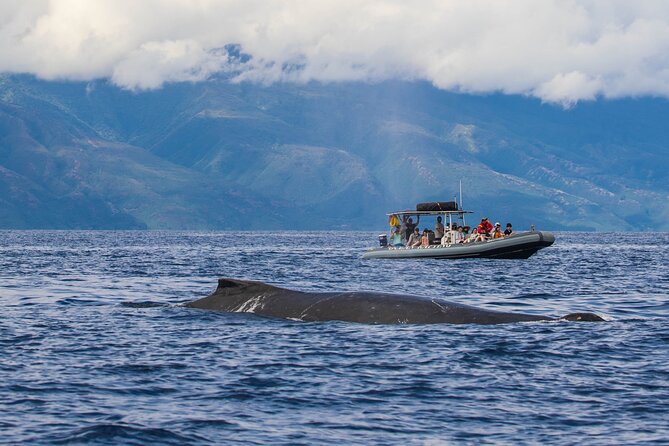
At $85.16 per person, you’re paying for two things: time on the water and a specific kind of viewing experience. If you’ve ever watched whales from shore or from a higher deck, you already know how thin the experience can feel. This raft brings you down closer, and that’s where the value lands.
You also get:
- Marine naturalist narration
- Hydrophone for whale songs in whale season
- Life jackets provided
- And for dolphin tours (summer), snacks and beverages
On top of that, the small-group cap means your money isn’t buying “more people between you and the ocean.” It’s buying a better shot at actual viewing time and a better chance to feel connected to what’s happening.
The main downside for value is also the main downside for the entire concept: it’s wildlife watching. Up-close encounters are not guaranteed, since animals are wild. You’re buying a guided search and smarter positioning, not a factory-produced sighting.
Still, if your goal is “I want the ocean experience that feels real,” this price often feels fair.
Who Should Book This Raft Tour—and Who Should Skip
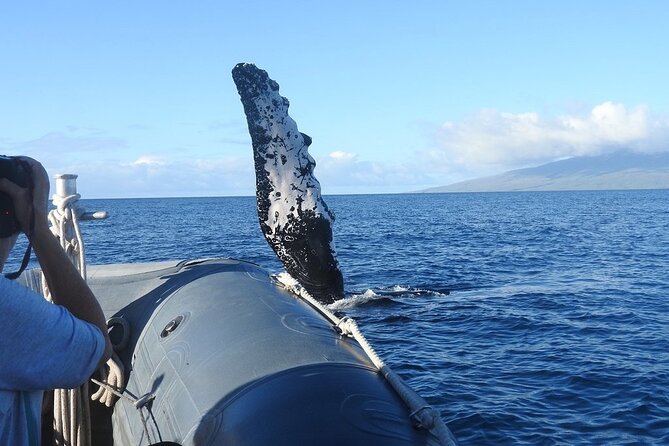
This is a great fit if you:
- Want eye-level wildlife viewing from a smaller craft
- Like being guided with marine naturalist narration
- Care about hearing whale songs through a hydrophone
- Prefer calmer group size over big-boat chaos
Book with extra thought if you:
- Are pregnant (not suited for pregnant people)
- Have back/neck injuries or mobility limits, since boarding needs physical mobility
- Are traveling with kids under 3 (no children under 3 allowed)
Also consider weather. The tour requires good weather to run. If conditions are unsafe, you’ll be offered a different date or a full refund. That’s not a surprise with ocean tours, but it’s still something to plan around if you’re on a tight itinerary.
Quick Practical Tips for Your Best Chances
If you want the best overall experience, do these:
- Arrive early for check-in. Parking can be limited and the meeting location may be easier to miss than you expect if you don’t know the exact company name.
- Dress for spray, even if the forecast looks good. Ocean winds change quickly.
- Use reef-safe rub-on sunscreen only—save yourself the stress of being turned away for the wrong product.
- Ask your crew questions. The narration isn’t just background. The more you pay attention to what they’re pointing out, the more the trip becomes a guided nature lesson.
One more tip: if you’re sensitive to the idea of getting wet, treat the trip like a rain-or-shine experience. It’s still enjoyable—just plan for it mentally.
Should You Book This Maui Eco-Raft Tour?
If you’re choosing between a bunch of Maui ocean options, I’d lean toward booking this one if your top priority is eye-level whale or dolphin viewing plus marine narration. The zodiac raft layout and hydrophone whale songs give you a two-sense experience that larger boats often can’t replicate.
Skip it if your main needs are a very gentle, fully dry ride, stroller-friendly boarding, or if you’re in the categories listed as not suited (pregnancy, under-3 kids, back/neck injury concerns). Also keep your expectations realistic: whales and dolphins are wild, so up-close encounters can’t be guaranteed.
Bottom line: for people who want the ocean up close and a guide-led experience that feels intentional, this is one of the stronger values in Lahaina for a short 2.5-hour outing.
FAQ
When is whale watching offered on this tour?
Whale watching is offered from December to April.
When is dolphin watching offered?
Dolphin watching and coastal sightseeing are offered during the summer months.
Is the tour suitable for children?
No. Children must be 3 years of age or older, and no babies are allowed on the raft.
Is this tour suitable for pregnant people?
No. This tour is not suited for pregnant individuals.
Do I get life jackets?
Yes, life jackets are provided for emergencies, but they are not required to be worn during the tour.
What should I bring for the trip?
Bring sun protection like a hat and sunglasses, and use reef safe rub-on sunscreen (no spray sunscreen is permitted). Plan for getting wet, so a jacket or rain layer can help.
Is food included, and can I bring my own drinks?
Snacks and beverages are included on the dolphin tour option. Hotel pickup is not included, and BYOB is not listed as included; only plastic or cans are noted for BYOB, if applicable.