REVIEW · MAUI
Maui: Surf Lessons for Families, Kids, and Beginners
Book on GetYourGuide →Operated by Surf Yoga Maui · Bookable on GetYourGuide
One quick wobble can change your whole Maui morning. These 2-hour surf lessons near Wailea are built for families, kids, and total beginners, with friendly, patient coaching that helps you progress fast. I like that you get a land lesson first, then you hit the water with gear handled and safety explained in plain language. The other big win is the teaching style, which works even if your confidence is doing the back-and-forth thing. One thing to consider: surfing is physical, so nervous kids (and adults) should expect falls and give the safety advice real attention.
The lessons run in the morning, and they’re set up at Kalama Park in Kihei, where the water is easier to learn in thanks to a gentle break and semi-shallow conditions. You’ll check in at the surf van, get outfitted, and spend your time learning pop-up technique and how to handle the basics of the wave. A small drawback: this is not set up like a long beach hang, so you’ll want to arrive ready to move and listen.
If you want a Maui activity that actually gets you on the water (not just near it), this is one of the most practical ways to do it.
In This Review
- Key things to know before you go
- Why Kihei’s Kalama Park makes first-time surfing easier
- Two hours at a time: the lesson flow you should expect
- Safety and pop-up basics: how you learn without panic
- Gear included: what you get and why it helps
- Families and kids: what makes this lesson work for beginners
- Meet the instructors: why coaching style matters
- Beach time while others watch you learn
- Timing your Maui morning for calmer waves
- Price and value: is $172 per person worth it?
- Should you book this Maui surf lesson?
- FAQ
- How long is the Maui surf lesson?
- Where are the surf lessons held?
- What’s the meeting point?
- What’s included in the price?
- What should I bring?
- What should I wear or bring that isn’t provided?
- Is the lesson suitable for kids and beginners?
- What language are the instructors?
- Is there a cancellation policy?
- Are there any flexible booking options?
Key things to know before you go
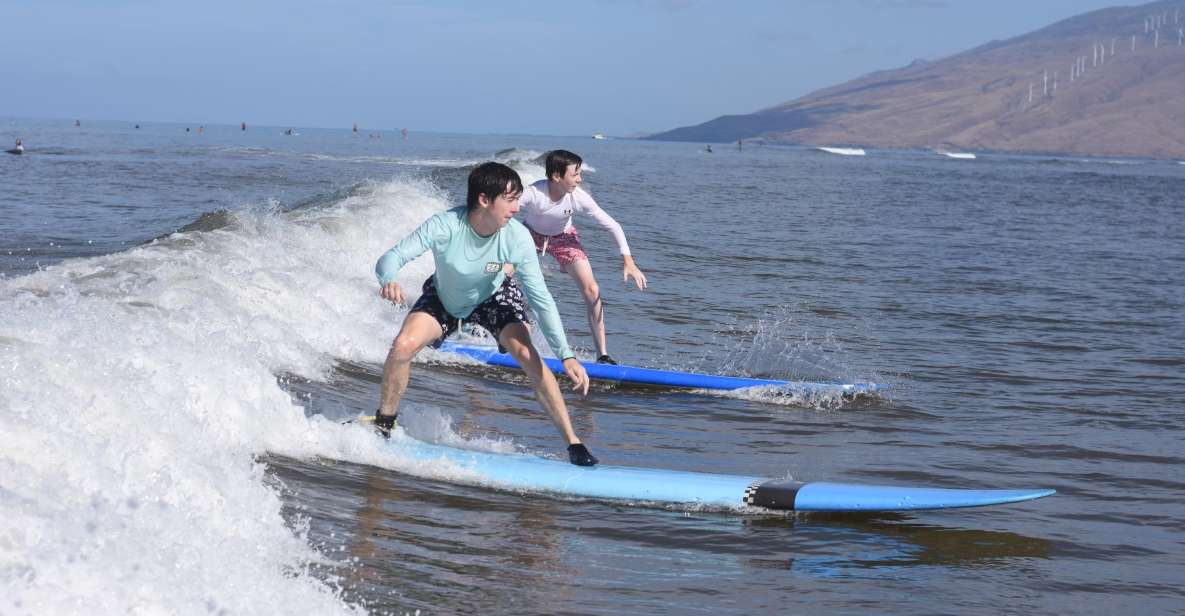
- Kalama Park setup in Kihei is chosen for first-timer surf conditions, with a gentler, semi-shallow learning zone.
- Private family instruction means you get your own instructor and attention, not a crowded class shuffle.
- Land lesson before water covers safety and the pop-up sequence so you’re not guessing once you hit the waves.
- All gear included: surfboard plus reef shoes and rash guard, which keeps the start-to-surf process simple.
- Mom-friendly beach visibility: there’s a big grassy viewing area so friends and family can watch from shore.
- Instructor care and communication is a recurring theme, including Eddie’s calm, respectful teaching for beginners.
Why Kihei’s Kalama Park makes first-time surfing easier
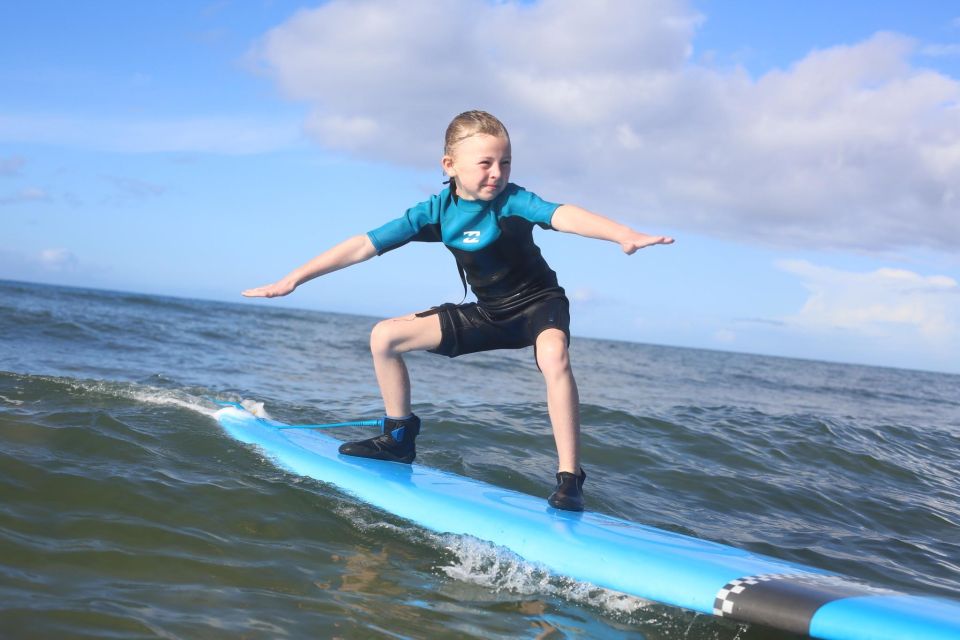
For beginners, the hardest part of surfing is not the board. It’s the timing, the balance, and figuring out what the ocean is doing while your nerves are doing their own version of chaos. That’s why the location matters. These lessons run near Wailea, at Kalama Park in Kihei, where conditions are described as among the best for learning on Maui.
Here’s what that means for you in real-world terms: you’re not fighting a wild, steep wave where one mistake turns into a full-body reset. Instead, the wave is set up with a more gentle break and semi-shallow water, so you can focus on the “how” of surfing rather than constantly surviving the “what if.”
You’ll also appreciate the overall beach setup. Kalama Park has public restrooms, an outdoor shower, an oceanfront walking path, and a playground. Plus there are little food options across the street, which makes mornings easier if you’re feeding the whole crew before or after.
If your Maui goal is to spend time in authentic ocean motion, while keeping the learning curve realistic, this location is a strong match.
You can also read our reviews of more tours and experiences in Maui


Two hours at a time: the lesson flow you should expect
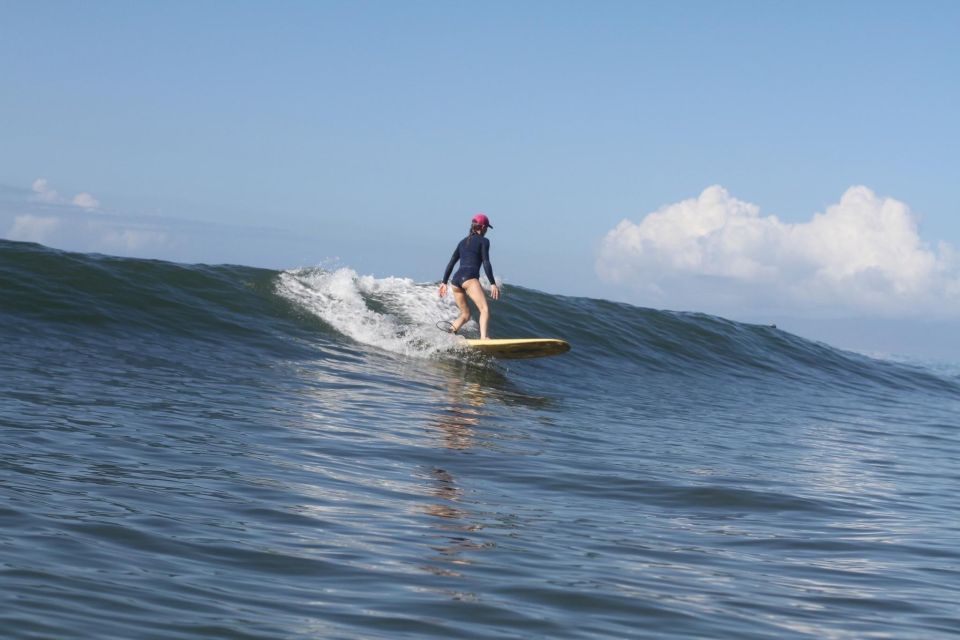
Think of this as a structured 2-hour block that moves you from learning to doing, step by step. Surf lessons are in the mornings, and your experience starts with check-in at the surf van.
Once you arrive, your instructor helps your family get the surf equipment and get ready to go into the water. You’re not expected to figure out reef shoes and boards under pressure. Then you do a land lesson first. This matters because it gives your brain something to hold onto before you’re balancing on a moving surface.
The land lesson covers safety and pop-up technique. In other words, you practice how to get from lying on the board to standing—smoothly, not just “standing somehow.” Then you head into the water and work on reading the wave and connecting your timing to that pop-up.
A key detail: this is listed as a private group, with your family with your own instructor. That typically means less waiting around and more focused coaching while you’re trying to catch your first waves. For beginners, that can be the difference between feeling lost and feeling supported.
Safety and pop-up basics: how you learn without panic
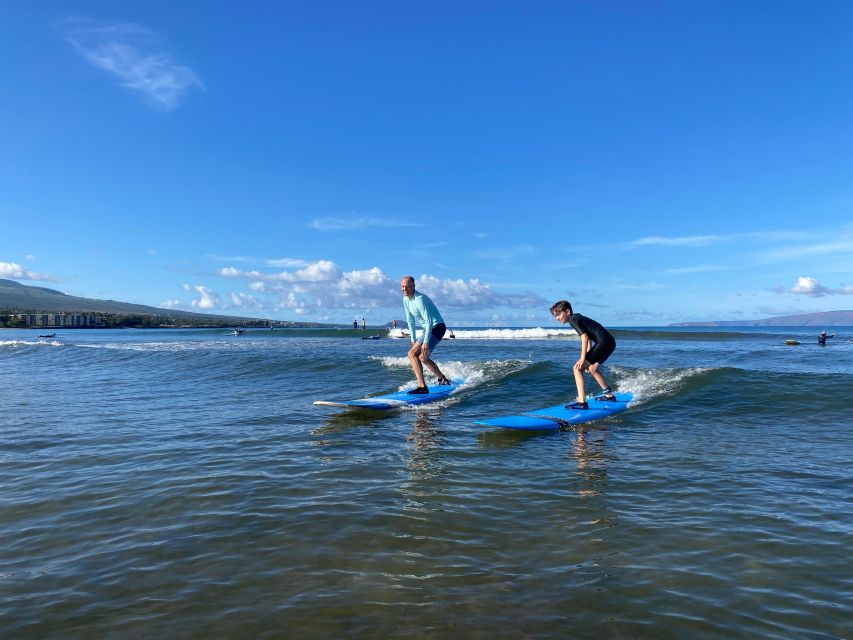
Surfing lessons work best when safety is taught like a helpful checklist, not a scary lecture. In this lesson format, you get a land session specifically to go over safety and the pop-up. That sets the tone: you learn what to do, what to avoid, and how to recover when you fall.
Pay extra attention to the falling and coral-related guidance. In one recent lesson, safety instructions were something a family felt mattered a lot—especially for a younger beginner who was excited but underestimated the physical side of surfing. That’s normal. Most first-timers think it will be like standing on a board at the pool. Ocean waves fix that.
After safety basics, you’ll focus on the pop-up sequence. The goal isn’t perfection. It’s building muscle memory so you can respond quickly when the wave lifts you. When the pop-up feels doable on land, it becomes much easier to attempt in the water.
If you’re taking a kid, this part is even more important. You want them to understand that falling is part of learning, not a failure. With clear instructions and encouragement, you’ll spend more time trying and less time worrying.
Gear included: what you get and why it helps
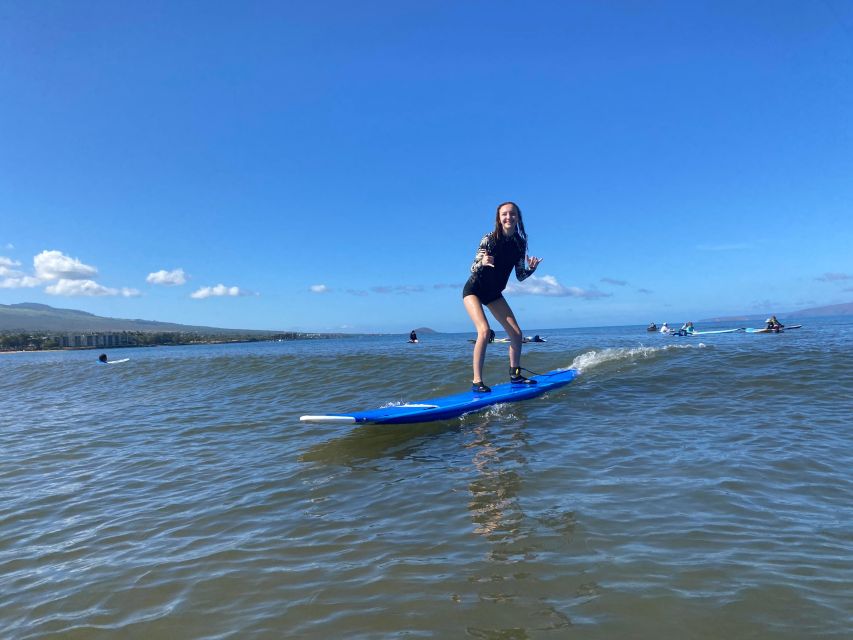
One of the most practical parts of this surf lesson is that equipment is included. You don’t have to pack or rent the basics, and you won’t waste time figuring out what works for your feet or body type.
Included gear:
- Surfboard
- Reef shoes
- Rash guard
That matters for comfort and for safety. Reef shoes help with traction and reduce worry around what’s under the water. A rash guard adds comfort and helps protect your skin as you move around the board and the ocean.
What’s not included:
- Beach towel
- Sunscreen
- Swimming suit
- Transportation
So plan to show up with a towel and your swim gear ready. Bring biodegradable sunscreen, since that’s specifically recommended. Also, mornings on Maui can still be bright and intense—so don’t treat sunscreen as optional just because you’re not baking on a beach for hours.
If you’re traveling with kids, getting all the “surf setup” handled in advance is a big value. It keeps the morning simple, and that helps everyone show up calmer.
Families and kids: what makes this lesson work for beginners
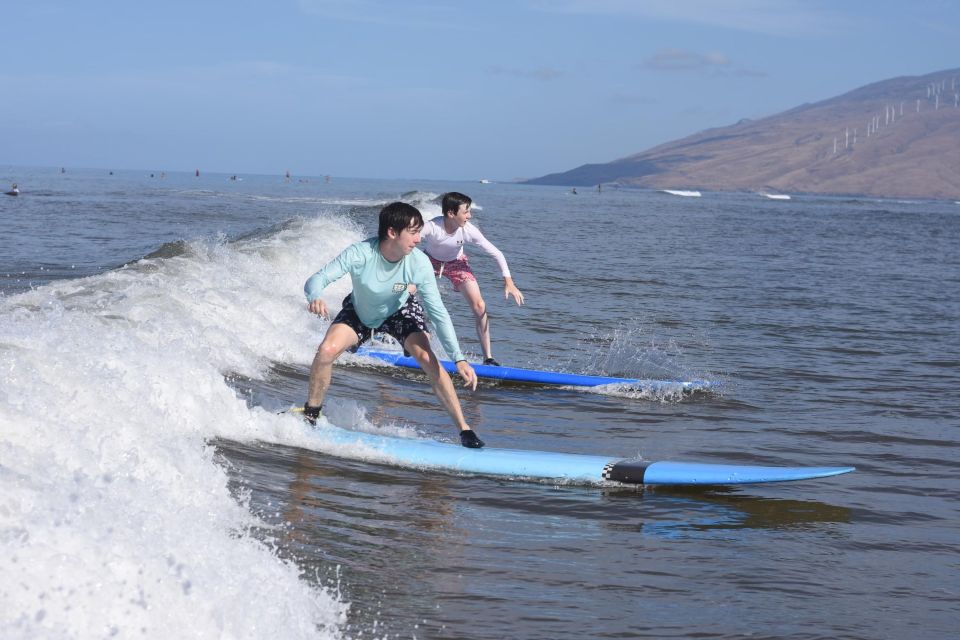
A lot of “beginner surf” options can still feel overwhelming for families—too fast, too loud, too many rules at once. This one is built around families, kids, and absolute first-timers.
You’ll notice the teaching approach in the way it’s described: friendly, patient, and encouraging instructors. And the pattern holds up in real examples. One family shared that Eddie was especially wonderful with their 5-year-old, keeping the experience positive and helping her learn a lot through patience and instruction.
Another key point from a family’s experience: the instructor tailored the lessons to the student. When a beginner underestimates the physicality of surfing, the best response is not to push harder. It’s to adjust pacing, reframe safety, and keep the learner engaged after falls.
If your kid is nervous, don’t hide that. Surf works better when adults are honest about the difficulty and kids are given a clear plan. Your best move is to listen closely during the safety talk and follow the instructor’s cues for the water part. That’s how you turn a scary start into a confidence-building session.






Meet the instructors: why coaching style matters
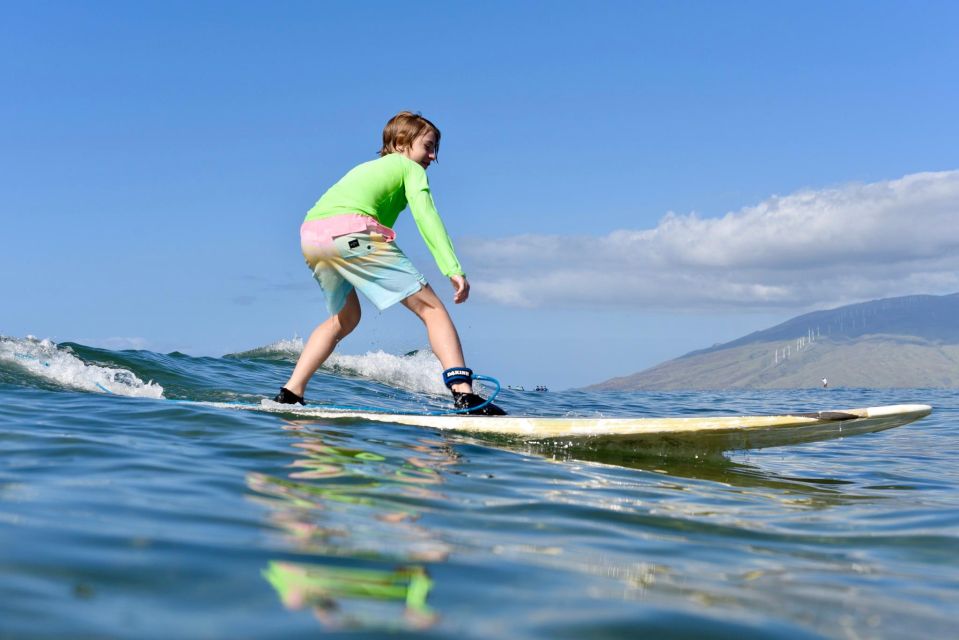
The most consistent praise centers on instructor responsiveness. Eddie is specifically named in the feedback I received, and the themes are clear: he tailors lessons to the student, communicates respectfully, and works with families who run behind schedule.
In one case, a family mentioned being delayed due to debris being hauled out of Lahaina, and Eddie and the team stayed in contact with the surf school. They arrived a few minutes late for a private lesson, and Eddie worked with them anyway. That kind of flexibility can matter on Maui, where traffic and unexpected disruptions are part of real life.
Why this coaching style matters to you: surfing is one of those sports where small corrections can change everything. If an instructor can quickly read what’s going wrong—pop-up timing, stance, or wave timing—you’ll feel progress sooner. And for beginners, feeling progress is the fuel that keeps you trying instead of quitting after one bad wave.
Also, the program includes a CPR certified instructor. That’s not the fun part, but it is a comfort. You’re in the water, and knowing the staff is trained for emergencies is good sense.
Beach time while others watch you learn
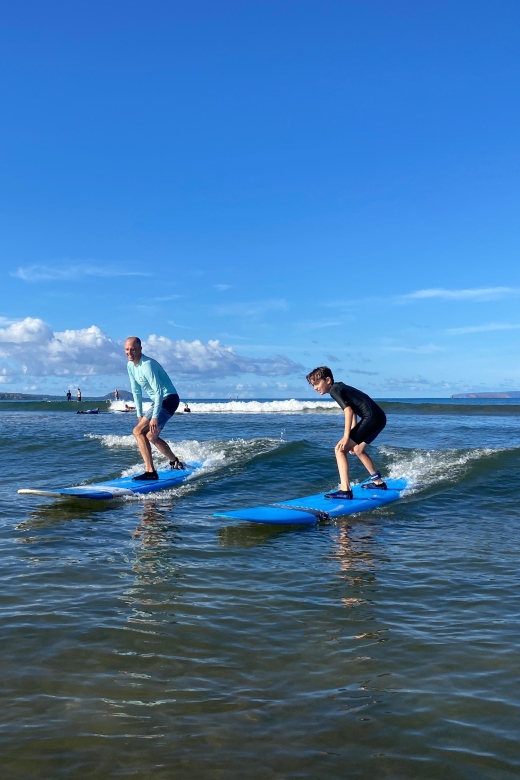
Here’s a detail many families love: you don’t have to treat this as a drop-off. Friends and family can watch from shore.
At Kalama Park, there’s a big green grassy area where spectators can see surfers from a comfortable distance. It’s a simple setup, but it helps. Kids who are the watchers first often feel less anxious about joining in next time. Parents get a break too, and you can turn the morning into a mini family outing.
If you want to stay active while you wait for your turn, the park layout helps. There’s an oceanfront walking path and a playground. There are also public restrooms and an outdoor shower, so you can rinse off after your water time.
This is one reason the whole experience feels easier than doing a surfing day at a remote beach with no facilities nearby.
Timing your Maui morning for calmer waves
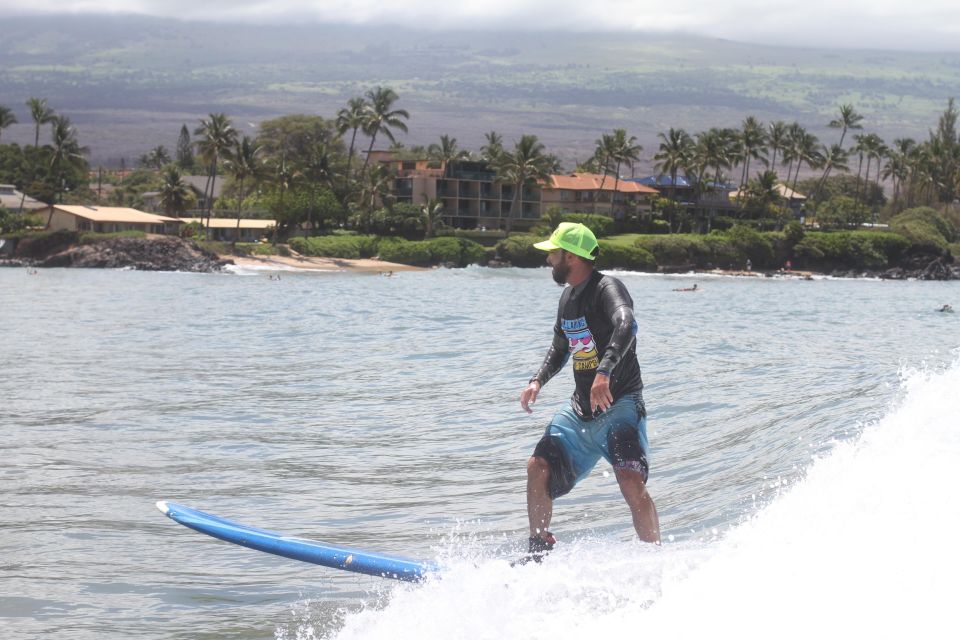
This lesson runs in the mornings, and you’ll get better conditions earlier. That’s the advice given, and it makes sense. Maui mornings tend to be more manageable for first-timers—less chaos, calmer light, and less chance of you arriving after the ocean’s mood has already shifted.
Plan to book early too. Lessons can fill up weeks in advance, especially during peak travel seasons. If your Maui trip spans popular dates, lock this in early so you don’t end up chasing last-minute availability.
Practical suggestion: build in buffer time getting to Kihei. Even if you think traffic will be fine, you’ll be glad you gave yourself extra minutes. One family’s experience included a schedule disruption, and staying in contact helped smooth the timing.
Price and value: is $172 per person worth it?
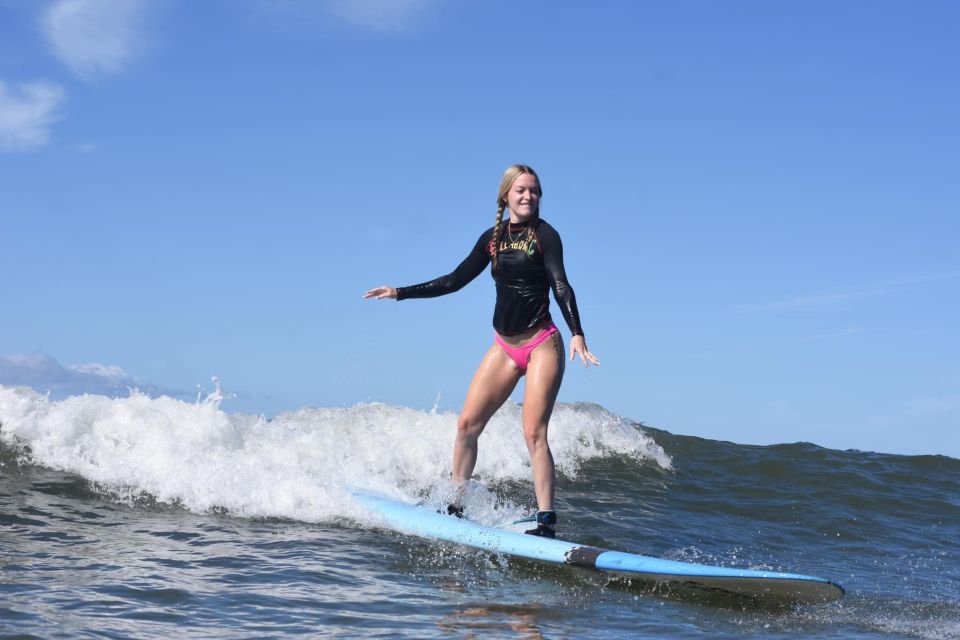
At $172 per person for a 2-hour session, the price can feel like a splurge—until you break down what you’re actually paying for. You’re not just buying access to a beach. You’re buying coaching, supervision, and the equipment setup that makes learning realistic.
You get:
- An instructor (CPR certified)
- A land lesson for safety and pop-up technique
- A private family setup with your own instructor
- Surfboard, reef shoes, and rash guard
That combination often adds up in value for beginners. Equipment included means you’re not scrambling with rentals. Private instruction means you’re not waiting for turns in a group that’s too big for your attention span. And the land lesson means you start with a method, not only vibes.
Also, surfing is one of those experiences where the real payoff is the first time you catch a wave on your own. A good instructor helps you build toward that quickly, and 2 hours is usually long enough to learn without turning the morning into a grind.
If you’re traveling as a couple or family and want an activity that’s both active and memorable, this is a solid value category.
Should you book this Maui surf lesson?
Book it if you want:
- A beginner-friendly way to learn to surf near Wailea
- A morning activity that’s active, not passive
- A private family experience with patient, encouraging coaching
- Gear included, so you can travel lighter and start faster
Consider booking carefully if:
- You or your kids hate physical challenges. Surfing involves falls and core work. The more you can accept that it’s part of learning, the better the experience will feel.
- You’ll struggle to arrive ready. This is a 2-hour session, so show up prepared with the right items (towel, swimwear, biodegradable sunscreen).
If you want a Maui morning with real ocean time, supportive instruction, and a chance to progress beyond just standing on the shore, this is one of the better bets.
FAQ
How long is the Maui surf lesson?
The surf lesson lasts 2 hours.
Where are the surf lessons held?
The lessons are in Kihei at Kalama Park, near Wailea. The check-in is by the surf van.
What’s the meeting point?
Look for the white van that says WAVES HAWAII Surf School. It’s in the parking lot at Kalama Park across the street from the 76 Gas Station and Kihei Caffe.
What’s included in the price?
You get a surf instructor, surfboard, reef shoes, and rash guard, plus a land lesson covering safety and pop-up technique. It’s a private lesson for your family with your own instructor.
What should I bring?
Bring a towel and biodegradable sunscreen.
What should I wear or bring that isn’t provided?
You should bring a swimming suit. A beach towel and sunscreen are also not included, and transportation is not included.
Is the lesson suitable for kids and beginners?
Yes. It’s described for families, kids, and beginners, and instructors are described as friendly, patient, and encouraging.
What language are the instructors?
The instructor speaks English.
Is there a cancellation policy?
There is free cancellation up to 24 hours in advance for a full refund.
Are there any flexible booking options?
Yes, you can reserve now and pay later, booking the spot without paying today.