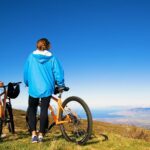
Haleakala downhill feels like a holiday cheat code. With a 9am start and a local guide, you get the big crater views without the worst sunrise chaos. I like that it pairs guided biking with a trailing safety vehicle, plus it includes gear so you can show up ready.
Two things I really like: the guides—Seth and Forrest in particular—bring a laid-back vibe while still keeping things under control, and you get the full set of bike basics (bike, helmet, gloves, protective gear). The ride also includes stops for photos and food, which turns the trip from just transportation into an actual outing.
One consideration: there’s no hotel transportation, and you’ll want a moderate fitness level for a 4-hour downhill experience. If you’re expecting a turnkey pickup at your resort, you’ll need to plan your own ride to 810 Haiku Rd in Haiku.
In This Review
- Key Points to Know Before You Go
- A 9am Haleakala Bike Ride That Dodges the Sunrise Grind
- Getting Ready at 810 Haiku Rd (and Why “No Hotel Pickup” Matters)
- The Climb Up: Local Lore While You’re Not Yet Out of Breath
- The Descent: A Real Safety Setup for a Steep, Long Ride
- Photo Stops and the Food Break That Makes It Feel Like a Day Out
- Your Bike and Protective Gear: What’s Included (and What That Changes)
- The Group Size: Why Max 20 Usually Feels Better
- Price and Value: What $149 Buys on Haleakala
- What This Tour Is Best For (and Who Should Rethink It)
- Should You Book the 9am Haleakala Guided Downhill Tour?
- FAQ
- What time does the Haleakala 9am Guided Downhill Tour start?
- Where do I meet for the tour?
- How long is the tour?
- What’s included in the price?
- Is hotel transportation included?
- Is there a group size limit?
- What fitness level do I need?
- Do I get a mobile ticket?
- What is the cancellation policy?
Key Points to Know Before You Go
- 9am departure helps you skip the thick sunrise crowd energy
- Seth and Forrest (and other local guides) balance fun stories with real safety
- Trailing SAG vehicle keeps traffic off your back during the descent
- All bike basics included: Trek Marlin 5, helmet, gloves, protective gear
- Photo and food stops make the experience feel like a day trip, not a sprint
- Small group limit (max 20) usually means less waiting and more guide attention
A 9am Haleakala Bike Ride That Dodges the Sunrise Grind
Starting at 9:00am is the genius part of this tour. Haleakala is popular, and the early hours can turn into a long line of people chasing the same view. By rolling out later, you still get the crater ride with a calmer pace around the top.
This timing also helps you enjoy the day in a more Maui-friendly way. You’re not burning your morning just to “be there for sunrise,” and you can still fit other activities afterward. It’s a practical choice if you want the thrill without the rush.
You can also read our reviews of more guided tours in Maui
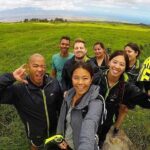
Getting Ready at 810 Haiku Rd (and Why “No Hotel Pickup” Matters)
You meet at 810 Haiku Rd, Haiku, HI 96708, and the tour ends back at that same meeting point. The fact that there’s no hotel transportation is a big deal for planning. If you’re staying far from Haiku, line up your ride ahead of time so you’re not stressed at check-in.
The good news: the meeting point is near public transportation, so you might have options if you’re not driving. You’ll also receive a confirmation at booking, and the tour uses a mobile ticket, which keeps things simple on your phone.
The Climb Up: Local Lore While You’re Not Yet Out of Breath
Before you’re on the bike, you’ll drive up with your local Hawaiian guide. This part matters because it sets the tone: you’re learning local lore on the way, not just staring at the scenery and hoping for the best.
It also helps that the vibe is relaxed. In the experience I’ve heard about, guides like Seth and Forrest stay professional while keeping it fun, so the ride up doesn’t feel like waiting for the main event. You’ll get context for what you’re seeing as you head toward the crater top.
The Descent: A Real Safety Setup for a Steep, Long Ride
The downhill is the headline, but the way it’s run is the difference between fun and frightening. You’re led by your guide as you ride, and there’s a trailing vehicle behind you for added safety. That vehicle is doing more than “looking important”—it helps manage the traffic situation around you during the descent.
One practical detail that really sticks: the SAG driver can radio the leader if cars start to bunch up behind the van. That kind of communication means you’re not guessing what’s happening behind you, and it reduces the stress of unexpected movement on the road. If you like controlled chaos (the fun kind), this approach delivers.
And yes, the ride can feel like you’ve got a need for speed—but with structure. You’re still on a bike, still moving fast downhill, and still dealing with real mountain conditions. The guiding and vehicle support are what keep it from turning into a free-for-all.
Photo Stops and the Food Break That Makes It Feel Like a Day Out
You’ll have stops for photos and food, which turns the experience into more than a single straight run downhill. Photo stops also make sense on Haleakala—there’s a lot to see, and a guided plan helps you avoid the awkward moment of stopping wherever you feel like it.
The food stop is especially valuable because it keeps energy up for the ride and the timing afterward. Even if you’re not a huge snacker, having it built into the tour reduces decision fatigue. You don’t have to figure out where to eat mid-adventure.
The main drawback here is also the nature of guided tours: timing is set by the route and the guide. If you’re the type who hates any schedule at all, you might feel a bit boxed in. But if you want less thinking and more riding, it’s a plus.




Your Bike and Protective Gear: What’s Included (and What That Changes)
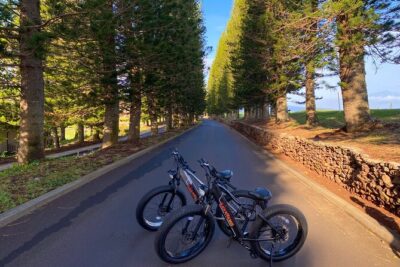
This tour includes a Deluxe Trek Marlin 5 bike, plus a helmet and gloves, and bike protective gear. That’s not a small detail. It means you don’t have to hunt down rentals, pay extra, or show up in questionable gear and hope it works out.
The specific bike model matters because it suggests you’re getting a stable, ready-to-ride setup rather than a random rental. Even if you’re an experienced cyclist, it’s calming to know the equipment is provided and fitted for the tour’s demands.
Protective gear is also the difference between riding with confidence and worrying about what you’d do if things went wrong. Downhill biking on a big volcano is serious enough that having the right basics included is part of the tour value, not an add-on.
The Group Size: Why Max 20 Usually Feels Better
The tour has a maximum of 20 travelers. That sweet spot often means you’re not fighting for attention from the guide and you’re less likely to get swallowed up by a giant group.
With guided riding, fewer people usually means smoother pacing—less waiting at stops and less confusion about where everyone is supposed to be. It’s one of those details you don’t notice until you’ve been on tours with huge crowds.
Price and Value: What $149 Buys on Haleakala
At $149 per person for an approximately 4-hour tour, you’re paying for a lot more than just “downhill biking.” You get the bike, helmet, gloves, protective gear, and the guided experience from top to bottom. You also get transport up to the starting point for the ride, plus the trailing vehicle safety support.
When you compare that to the cost of bike rental plus guide time plus transport, the math usually looks more reasonable. The big value driver is that safety setup with the SAG vehicle and the guide leading the group. That’s hard to replicate solo, especially if you’re not local and don’t know the traffic realities of the route.
Is it the cheapest way to experience Haleakala? Probably not. But it’s priced for an organized, lower-stress ride where you can focus on the descent and the views.
What This Tour Is Best For (and Who Should Rethink It)
This one fits travelers with moderate physical fitness. Since it’s a downhill ride, your legs and balance still matter, and you’ll want to be comfortable staying engaged through the full session. It also helps if you like guided structure—someone is steering you, and the vehicle support is part of the plan.
You’ll probably enjoy it most if you want a “Maui highlight” that mixes adventure with local storytelling. The drive up includes local lore, and the guides like Seth and Forrest are known for keeping things fun while staying on top of safety.
If you’re someone who gets anxious in traffic-heavy areas or dislikes being in a group setting, the guide-led approach may actually feel relieving. The trailing vehicle and communication reduce uncertainty. But if you’re very sensitive to schedule timing, you might prefer a different style of activity.
Should You Book the 9am Haleakala Guided Downhill Tour?
Book it if you want the thrill of Haleakala on a bike with the comfort of a guided plan. The 9am timing, the gear included, the small group size, and the trailing vehicle support are the reasons this feels like good value instead of just another tour ticket.
Skip it (or at least think carefully) if you can’t manage a moderate fitness requirement or if you rely on hotel pickup and don’t want to arrange your own ride to 810 Haiku Rd. The good news is that the meeting point is near public transportation, so you might still be able to make it work.
If you’re aiming for an authentic Maui adventure that doesn’t require you to be a cycling logistics expert, this tour is a strong pick.
FAQ
What time does the Haleakala 9am Guided Downhill Tour start?
The tour starts at 9:00am.
Where do I meet for the tour?
Meet at 810 Haiku Rd, Haiku, HI 96708, USA.
How long is the tour?
It lasts about 4 hours.
What’s included in the price?
Bike, helmet, gloves, and bike protective gear are included, along with the Deluxe Trek Marlin 5 bike.
Is hotel transportation included?
No. The tour does not include hotel transportation.
Is there a group size limit?
Yes. The maximum is 20 travelers.
What fitness level do I need?
The tour is recommended for travelers with a moderate physical fitness level.
Do I get a mobile ticket?
Yes, the tour uses a mobile ticket.
What is the cancellation policy?
Free cancellation is offered up to 24 hours in advance for a full refund. Canceling less than 24 hours before the experience’s start time doesn’t qualify for a refund.