REVIEW · MAUI
Haleakala Volcano Slingshot Tour from Lahaina
Book on Viator →Operated by Aloha Motorsports · Bookable on Viator
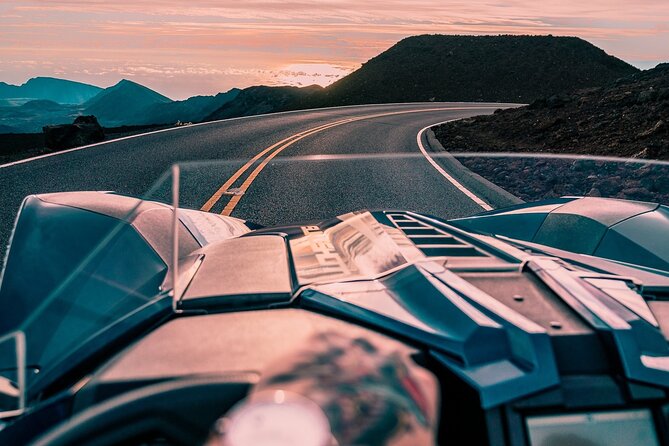
Haleakalā feels different when you’re behind the wheel. This private Polaris Slingshot day is built around freedom: you’ll drive yourself up to the summit area, with a pre-programmed route to keep you pointed the right way, plus great stops on the way back down.
I love the unobstructed views you get from an open-top ride, especially as the road climbs out of warm air and into wind and cloud. I also like that you’re not stuck on a bus schedule—you get the Slingshot for 24 hours, so you can slow down where the scenery pulls you in.
One key consideration: weather can turn fast. The Slingshot has no roof, and at higher elevations you’ll feel sun, wind, cold, and even rain, so your clothing and eye protection matter as much as your camera.
In This Review
- Key Points You’ll Care About
- Why Driving Up Haleakalā in a Polaris Slingshot Works
- The 24-Hour Freedom and the Preloaded Route
- Haleakalā Visitor Center: Set Up for Altitude and Ecosystems
- Haleakalā Crater: Big Views, Sacred Ground, and Tough Light
- Haleakalā Observatory: 360-Degree Views and Clear-Sky Timing
- Kula Botanical Garden: A Slow Down Stop That Feels Worth It
- Ali’i Kula Lavender: The Fields Are Pretty, but the Air Helps
- MauiWine Tasting: Pineapple Wine Meets Local Terroir
- Worcester Glassworks: Watch Hand-Blown Art in the Making
- Maui Tropical Plantation: Tram, Crops, and a Built-In Activity
- Price and Value: What $541 Buys for Two
- What to Pack for a Slingshot Day on Haleakalā
- Should You Book This Haleakalā Slingshot Tour from Lahaina?
- FAQ
- How long do I have the Slingshot?
- Is the national park entrance fee included?
- Do I need a sunrise reservation?
- Is this a guided tour?
- Who can drive the Slingshot?
- How much is the deposit?
- What’s included with the rental?
Key Points You’ll Care About

- 24-hour Slingshot rental means you control the tempo and stop time
- Preloaded navigation route helps you reach the summit without guessing
- Open-top driving gives serious views, but you’re fully exposed to sun and wind
- Weather swings are real on Haleakalā, so layers and rain gear are not optional
- Upcountry stops (Kula Botanical Garden, lavender, wine, glass art) make it more than just the drive
- Bring lots of sunscreen and plan for altitude effects above 10,000 feet
Why Driving Up Haleakalā in a Polaris Slingshot Works

This tour is basically: drive the best parts of Maui’s elevation change, then spend time exploring without a group herd mentality. The Slingshot makes the climb feel like a road trip with a front-row seat to the island’s changing sky.
The big win is that you’re in a vehicle that’s built for angles and corners. Once you start climbing, you’ll go from “Maui warm” to “why is the wind attacking my ears” in a hurry. That shift is part of the fun. It’s also why this isn’t the kind of outing where you can dress halfway and hope.
You also get a handy mix of nature and culture. Haleakalā is the anchor, but you’re not only doing crater-and-go. You’ll work in stops around Kula upcountry, including gardens, lavender fields, a winery tasting, and hand-blown glass.
And because it’s a private experience for your group, you can match pacing to your comfort level—especially helpful if you want time to walk a little, take photos, or just sit with the view.
You can also read our reviews of more tours and experiences in Maui.



The 24-Hour Freedom and the Preloaded Route
You keep the Slingshot for a full 24 hours, and the tour includes a self-guided route programmed into the vehicle’s on-board navigation system. That matters because Haleakalā roads can be confusing if you’re relying on random routing apps—or if you’re driving while the scenery distracts you.
In practice, the route setup is there to get you where you need to go, especially for the summit area. You still get to set your own pace on the way, and each stop has a listed average time you can use as a planning target.
One practical caution: your navigation might not be perfect in every situation. If you run into dead-end turns, use your own smartphone navigation as a backup. It’s a simple fix and keeps you from losing time when you’d rather be stopping for views.
Also, the itinerary includes some longer driving stretches than you might expect when you picture a “short tour.” That’s normal here. You’ll make the day work best if you treat it like an all-day adventure, not a quick checklist.
Haleakalā Visitor Center: Set Up for Altitude and Ecosystems
The Haleakalā Visitor Center sits near the summit area at about 9,740 feet (2,970 meters). This is the place where you’ll get park context before you head into the dramatic crater terrain—think exhibits, ranger-led programs when available, and the practical park info that keeps your visit smarter.
A solid 30 minutes here helps you understand what you’re looking at. Haleakalā isn’t just a big rock with a view. The area includes unique ecosystems and native wildlife, and the cultural significance is part of the story too.
The other benefit is timing. The Visitor Center is a good spot to slow down, take a breath, and transition mentally from “driving around Maui” to “I’m really at altitude now.” If you’re prone to getting lightheaded, this is where you want to be careful and steady.
Since admission to park sites isn’t included, budget for the park entrance fee separately. (More on that later.)
Haleakalā Crater: Big Views, Sacred Ground, and Tough Light
Next stop is Haleakalā Crater, described as a massive dormant volcanic feature. It’s often called a crater, but it’s actually a geological depression shaped by erosion rather than a classic explosion crater. Either way, the terrain feels otherworldly once you’re in it.
You’ll get about 30 minutes here. That’s enough time to take in the main views and possibly grab a few photos from key points, even if you don’t want to do a long hike.
Two things to plan for at this stop:
- Light can be intense. You’ll be higher than you think and closer to stronger sun.
- The air can feel thin and brisk, so keep your time grounded and don’t rush just to hit the next dot.
This area is considered sacred to Native Hawaiians and culturally important, so I’d treat it with extra respect—quiet footsteps, no risky behavior for a photo angle, and a mindful attitude even if you’re not into history tours.
If weather rolls in, the crater still delivers. Clouds can erase the horizon, but they also create that moody “you are on a different planet” feeling. Just make sure you’re dressed for visibility and wind.
Haleakalā Observatory: 360-Degree Views and Clear-Sky Timing

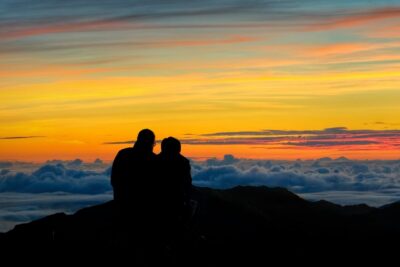
At the Summit of Haleakalā, you’ll hit the observatory area for 360-degree views. This stop is short—about 30 minutes—but it can be a highlight because you’re scanning the sky and the island view at once.
The Haleakalā Observatory is known for exceptionally clear and stable viewing conditions. Multiple research facilities use the site for scientific observation, including solar studies and sky-scanning programs. You don’t need to be an astronomer to appreciate the scale of it—you just need to stand still long enough to let the view hit you.
Timing is everything. If clouds break, they can do it in a way that changes the entire look of Maui’s coastline and the other islands in the distance. If you’re driving through fog or rain, don’t assume you’ll get a clear window later—keep your layers on and be ready to adapt.
Also, consider altitude. Above 10,000 feet, altitude sickness can happen. If dizziness or nausea strikes, don’t push through. Slow down, hydrate, and give your body a chance to reset before you drive.



Kula Botanical Garden: A Slow Down Stop That Feels Worth It
Once you’re back down from the summit area, you’ll shift from volcano altitude to gentler upcountry weather at Kula Botanical Garden. This garden spans over 8 acres, created in 1968 as a native Hawaiian plant reserve. It’s now home to 2,000+ plant species, including native Hawaiian plants and introduced varieties.
You get about 45 minutes. That’s plenty of time to walk a loop, enjoy the pathways, and pause for photos without turning it into a chore. The koi pond and water features help the garden feel calm, which is a nice contrast after hours of wind and driving.
If you’re traveling with people who don’t want constant scenic pull-offs, this is where you’ll feel like the day balanced out. It’s not just views; it’s breathing room.
Potential drawback: it’s outdoors and you’re on Maui with sun and breeze. Bring a hat and keep sunscreen going. Shade is there, but you still want consistent protection.
Ali’i Kula Lavender: The Fields Are Pretty, but the Air Helps
Next up is Ali’i Kula Lavender, spread across about 13.5 acres on Haleakalā’s slopes. You’ll see roughly 55,000 lavender plants in 45+ varieties.
This stop also runs about 45 minutes. It’s a great “reset” moment—your eyes get a color break, and you get those iconic upcountry farm views over the central valley and toward the West Maui Mountains.
A guided tour is often part of the experience, with info on lavender farming and the property’s history. Even if you don’t join every detail, you’ll get enough context from the setting to understand why this place works so well on a road trip.
Remember: you’re still at elevation and still exposed. Lavender looks romantic. The wind doesn’t care about romance. Wear long sleeves and protect your eyes.
MauiWine Tasting: Pineapple Wine Meets Local Terroir
Then it’s time for a much more mellow stop: MauiWine. The winery was founded in 1974, and its identity includes wines made from classic grape varieties and also pineapple-based wines using local Hawaiian pineapple.
You’ll have about 1 hour 30 minutes here, which is longer than the other stops. That extra time helps if you want to take your pace through tastings and walk around the grounds, including places like the King’s Cottage area.
This stop is a good value add because it turns your day from “drive and look” into “drive, learn, taste.” And it fits the upcountry theme—agriculture at altitude, shaped by the island’s conditions.
One practical tip: if you plan to drive right after tastings, pace yourself. The day already includes altitude and windy roads, so keep your body and reflexes sharp.
Worcester Glassworks: Watch Hand-Blown Art in the Making
Worcester Glassworks is an art studio known for hand-blown creations. It’s on the slopes of Haleakalā, and the pieces often reflect local themes through vibrant colors and fluid forms.
You’ll have about 30 minutes. That’s just right for watching glassblowing if it’s operating and for browsing the finished pieces without turning it into an hour-long shopping detour.
This is a smart stop for rainy weather too, since you’re not completely at the mercy of outdoor conditions. If you like crafts, it’s a satisfying way to end the day’s nature-heavy momentum.
If you’re thinking of buying something fragile, factor in travel and packing. It’s gorgeous, but moving glass is always a logistics moment.
Maui Tropical Plantation: Tram, Crops, and a Built-In Activity
Your final stop is Maui Tropical Plantation, an estate focused on tropical crops. Expect fields and demonstrations connected to plants like coconuts, papayas, mangoes, and more. A tram tour is the centerpiece, giving you a guided flow through the grounds.
This stop also includes a place called the Mill House for farm-to-table dining, so you can work in food without scrambling for a restaurant. It lists 1 hour here, plus other activities like zipline options, artisan shopping, and cultural demonstrations.
Even if you don’t do every activity, it’s a nice way to finish with something lively. It breaks up the idea that a Haleakalā trip is only about volcano extremes.
Keep in mind: this stop can feel more “attraction-driven,” so if you’re chasing quiet and solitude, spend your time on the tram and settle into that pace.
Price and Value: What $541 Buys for Two
The price is $541 per group (up to 2) for about a 1-day experience. At first glance, that’s not cheap. But the value comes from what’s included.
You’re paying for:
- 24-hour use of the Polaris Slingshot
- a pre-programmed navigation route (listed as a $25 value)
- helmets
You’re not paying for a guided bus or standard rental car that just gets you from A to B. You’re paying for a driving experience that’s part transportation, part adventure, with a planned route that hits multiple “worth it” locations.
Now factor in the extras:
- National Park entrance fees are $30 (per vehicle / per booking)
- Sunrise reservations (3am to 7am) are $1 per booking
Those fees are normal for this kind of summit access. If you’re thinking about sunrise, budget that small reservation cost and remember the big planning piece is when you’ll actually start.
Also note the rental deposit: a fully refundable $750 or $1,500 is required at pickup. That’s common for vehicle rentals, but it’s real cash flow, so be prepared.
What to Pack for a Slingshot Day on Haleakalā
If I had to pick one thing that makes or breaks this day, it’s your clothing. Multiple people stress that sun protection is the make-or-break item, and that matches the reality: the Slingshot is open, so there’s nowhere to hide from wind and sun.
Bring:
- heavy sunscreen and plan to reapply often
- a hat or visor, plus eye protection
- long sleeves for sun and wind
- a warm layer or sweatshirt for the summit area
- rain gear if the forecast turns—rain up high can be intense
One more practical note: some folks advise asking for a manual Slingshot if you know how to drive stick, since that can make the ride feel more natural on windy roads.
For altitude, bring a calm mindset. If you’re sensitive, go slower than you think you should and avoid pushing the “just one more stop” urge at the summit.
Should You Book This Haleakalā Slingshot Tour from Lahaina?
I’d book this if you want a day that’s equal parts driving fun and upcountry stops, and you’re comfortable with the idea that weather on Haleakalā can be dramatic. The mix of summit access plus Kula gardens, lavender, winery time, and glass art makes it feel like more than just a highland excursion.
Skip it if you hate exposure to wind and sun, or if you’d rather have weather handled by a roof and a controlled schedule. Also, if you get motion-sensitive or altitude-sensitive easily, go in with a plan to take things slow at the summit.
If you’re on the fence, here’s your simplest decision filter:
- Want independence over a fixed bus route? Yes, book it.
- Want a comfortable, sheltered vehicle experience? Choose something else.
FAQ
How long do I have the Slingshot?
You get 24 hours of Slingshot use, so you can complete the route and stops at your own pace.
Is the national park entrance fee included?
No. National Park entrance fees are $30 per vehicle / $30 per booking.
Do I need a sunrise reservation?
A sunrise reservation (3am–7am) costs $1 per booking and isn’t included.
Is this a guided tour?
It’s self-guided, with a pre-programmed route in the Slingshot’s on-board navigation system, and it’s private for your group.
Who can drive the Slingshot?
The driver must be 21+ and have a valid driver’s license from any country. Passengers must be able to securely sit in the seat.
How much is the deposit?
A fully refundable security deposit of $750 or $1,500 is required at rental pickup.
What’s included with the rental?
Included are the Polaris Slingshot for 24 hours, helmets, and the pre-programmed route in the vehicle navigation.