REVIEW · MAUI
Halfway to Hana Tour of Maui Black Sand Beach Waterfalls Turtles
Book on Viator →Operated by Coastline Tours · Bookable on Viator
This drive to Hana feels like a secret bargain. You get the best parts of the Hana Highway without committing to the whole day, and the sea-turtle odds are real when the timing is right. I especially like the small-group setup and the way your guide keeps things moving while still making time for questions.
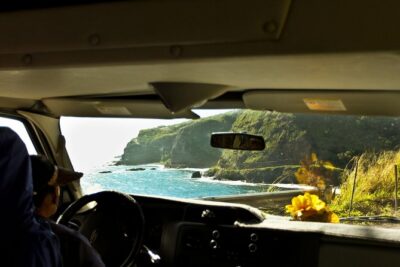
Two things I love: the lineup of easy-to-miss nature stops packed into one route, and the fact that you are not white-knuckling a curvy, one-lane-feeling road. One thing to consider is motion: if you are prone to carsickness on twisty roads, you’ll want to plan for it.
In This Review
- Key things that make this tour work (and why)
- The price and what you’re really paying for
- Your guide and the small-group advantage
- The vehicle: why an SUV makes a difference
- Route overview: a classic “Hana hits” sampler
- Stop 1: Puaʻa Kaʻa State Park rainforest waterfall and possible dip
- Stop 2: Keʻanae Arboretum subtropical rainforest trail photos
- The Keʻanae area: old plantation-era vibe and surfing legacy
- A waterfall stop with view restrictions (bridge-only access)
- Stop 3: Kaumahina State Wayside Park ocean valley outlook
- Stop 4: Wailua Valley State Wayside Park Jurassic-Park-style views
- The fresh-water waterfall moment (weather dependent)
- Stop 5: Keʻanae Point lava ocean and the first water story
- Stop 6: Honomanu secluded black-pebble beach (SUV-only reach)
- Stop 7: Halfway to Hana Cafe for lunch-style snacking
- Stop 8: Keʻanae Point black-sand shoreline and a bathroom reset
- Turtles: how to think about that highlight
- What the schedule feels like in real life
- Clothing and gear: pack for walking, mud, and wet surprises
- Who this tour suits best
- So, should you book it?
- FAQ
- FAQ
- How long is the Halfway to Hana tour?
- What does the tour include and what do I need to pay for?
- Where does the tour start and end?
- Is this a small group tour?
- Is there a chance to swim or take a dip?
- Are there bathroom stops?
- What kind of physical fitness level do I need?
Key things that make this tour work (and why)
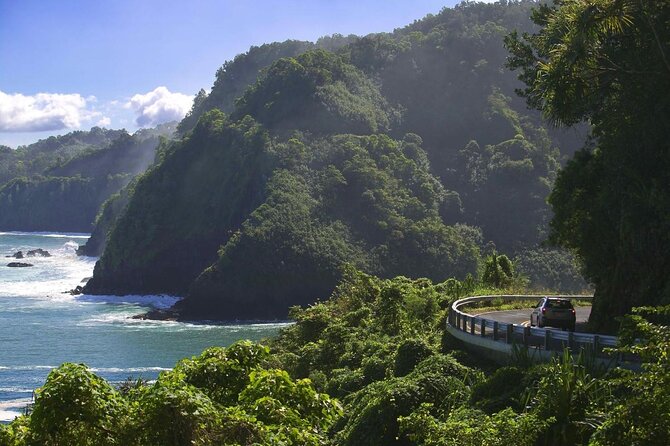
- Small group, max 7 people: more time at stops and less chaos than bigger bus tours.
- SUV road skill matters: the Hana Road is narrow and windy, so driving yourself is not the move for most first-timers.
- Puaʻa Kaʻa rainforest turnaround: this is the big waterfall stop, with walkways, bathrooms, and a chance to wade if conditions allow.
- Black sand + turtles: you’re set up to see the ocean-side Maui vibe, and turtles can show up on the beach when conditions cooperate.
- Keʻanae Arboretum rainforest trail: great for plant photos, but bring shoes that can handle mud.
- Halfway to Hana food stop: lunch is on you, but the cafe stop is a convenient payoff after hours on the road.
The price and what you’re really paying for
At $199 per person, this is not a cheap day. But it is priced like what it is: a guided Hana Road experience where someone else does the hard part—navigation, timing, and getting you safely between one-off viewpoints and shoreline stops.
That also means you are paying for the “don’t regret it” factor. The Hana Highway is one of Maui’s most famous drives, but it is also tiring. After a few turns, you either focus on the scenery or focus on not getting motion sick. A good guide lets you do the first one.
You can also read our reviews of more tours and experiences in Maui.

Your guide and the small-group advantage
Coastline Tours runs this as a small-group SUV tour, with a maximum of 7 travelers. In practice, that usually means you can step out when it makes sense, ask questions, and get help with basic logistics like where to stand for photos.
Two guide names came up again and again: Summer and Sean. Guests praised them for driving skill on the twisty road and for being engaging while explaining what you’re seeing. That matters because the Hana Road is not just pretty—it’s full of micro-details like rainforest plants, local water stories, and how the island’s terrain shapes what grows and where you can safely walk.
The vehicle: why an SUV makes a difference
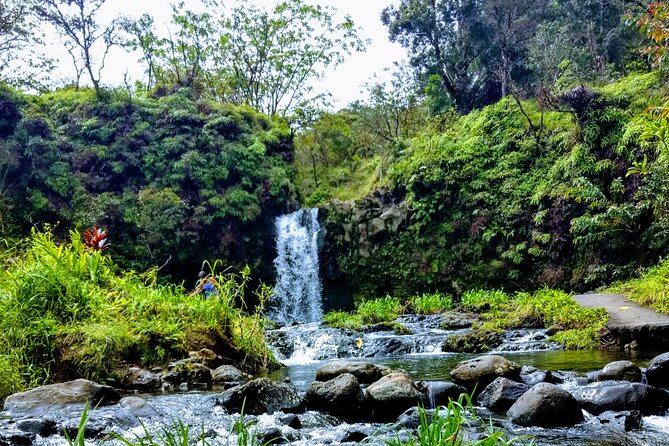
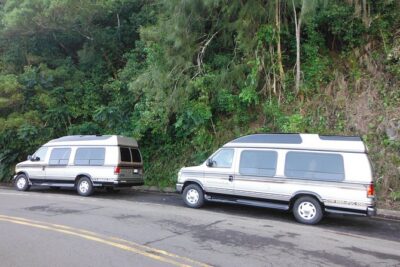
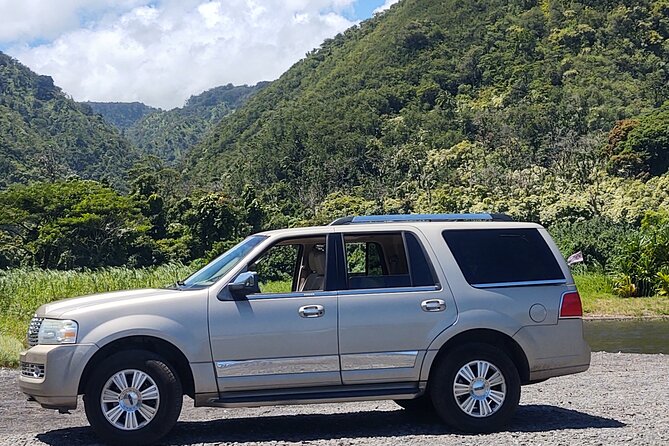
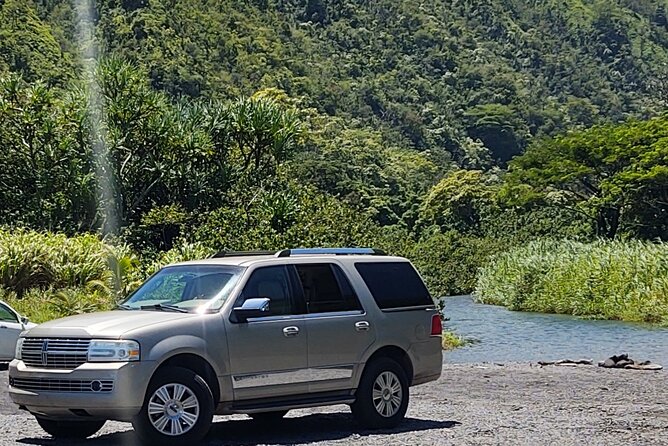
This tour is driven in a comfortable SUV (you may ride in a Lincoln Navigator or similar). That is not just a comfort perk. Some stops are reachable only by an SUV, and the road conditions can get rugged enough that a smaller rental car might feel like a gamble.
One route highlight is Honomanu, a small secluded black-pebble beach area that requires an SUV to reach. If you are doing the Hana Road on your own, you might end up skipping the lesser-known spots. Here, you don’t have to.
Route overview: a classic “Hana hits” sampler
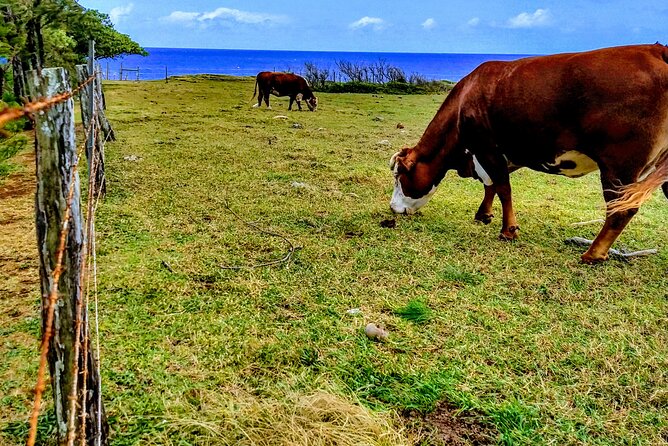
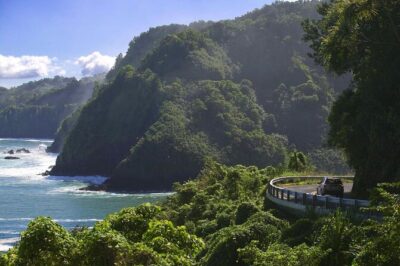
You’re not going to the far end of the Hana Road. The tour name is Halfway to Hana, and the timing is built around reaching a satisfying point, then turning back so you’re not wiped out for the rest of your trip. Based on what I’d expect from this schedule, you should think of this as a “best-of the coast” day, not a marathon.
The itinerary moves stop to stop with short walks and photo breaks. Most stops are short enough that you still feel like you’re on Maui, not stuck waiting for the next instruction.
Stop 1: Puaʻa Kaʻa State Park rainforest waterfall and possible dip
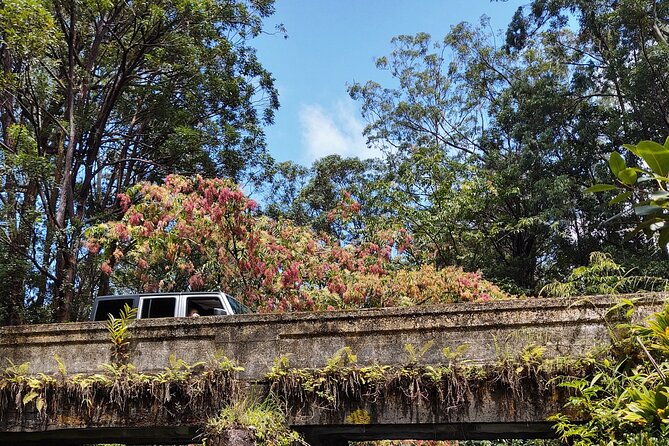
This is the big one. Puaʻa Kaʻa State Park sits in rainforest along the Hana Highway and includes waterfall pools, paths, and bathrooms. It is a common turnaround point because it’s one of the most memorable places to stop for a deeper nature moment.
Plan around wading. The park is described as a waterfall area where you may be able to take a dip if the water quality allows. Bring an extra set of clothes and reef-walker type shoes if you want to get in and out safely. The walkways and paths can be slippery, and this is subtropical rainforest—so rainfall can change water color fast.
Practical tip: if it looks muddy or choppy at the edges, skip the dip and just enjoy the waterfall. You still get the views and the rainforest feel without risking a rough footing moment.



Stop 2: Keʻanae Arboretum subtropical rainforest trail photos
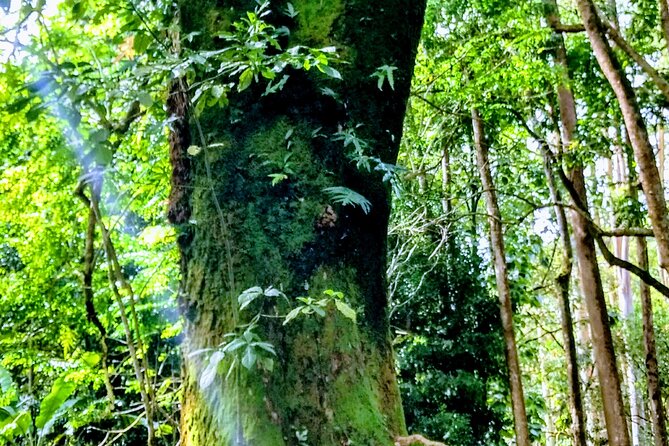
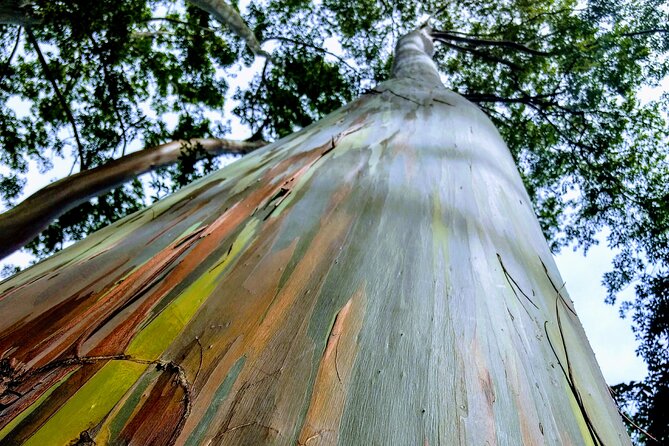
Next up is Keʻanae Arboretum, a short rainforest walk where the focus is plants and the way the forest grows in layers. This stop is good for photography because you’re walking among trees and foliage that look dramatic even in cloudy conditions.
The tradeoff is shoes. The area rains often and you may end up with mud underfoot. If you want clean socks afterward, you might be disappointed. Better plan for it now and wear shoes you don’t mind getting wet.
The Keʻanae area: old plantation-era vibe and surfing legacy
You also pass through a small Keʻanae-type town area with turn-of-the-century construction tied to the plantation era feel. This is more about atmosphere and perspective than big tourist infrastructure.
If you care about surfing, you’re in the right general zone. One reason guides like this stop is that it helps you understand Maui’s geography: how old communities grew alongside the ocean and how wave energy shaped local life.
A waterfall stop with view restrictions (bridge-only access)
One waterfall stop along the road can be different from the others because access may be restricted. You might be limited to seeing it from a bridge, depending on the property and the owner’s rules.
This is worth knowing so you don’t feel shortchanged. You still get an impressive waterfall moment, but you need to treat it like a viewpoint stop rather than a “walk all the way down” stop. Other waterfalls along the route have public access, so the day still includes places where you can get closer when conditions allow.
Stop 3: Kaumahina State Wayside Park ocean valley outlook
Kaumahina State Wayside Park is a quick hit: you park, use the bathroom if needed, and take in a broad view of the valley below and the coastline. It’s a photo-friendly stop with a big ocean feel.
Because it’s short, it’s a good breather in the middle of the driving. If you’re feeling even slightly road-worn, this is the “stand, breathe, snap photos, and move on” kind of stop.
Stop 4: Wailua Valley State Wayside Park Jurassic-Park-style views
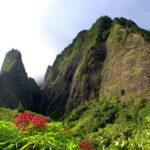
At Wailua Valley State Wayside Park, you get a steep-feeling view down into the valley and out behind you. The viewpoint is described like a staircase giving you a grand, almost movie-set scale of ocean and green terrain.
It’s short too—about 10 minutes—so you’re not stuck. I like these kinds of stops because they reset your eyes. After rainforest, black lava, and waterfalls, the wide outlook helps your brain catch up.
The fresh-water waterfall moment (weather dependent)
There’s also mention of a waterfall that can look impressive when it’s been flowing with fresh water from upper valleys. The big idea here is simple: on Maui, water depends on conditions, not schedules.
If you’re unlucky on rainfall timing, you might still see a waterfall silhouette or a smaller flow. But the day is built so you’re not relying on one perfect waterfall to make the whole trip worth it.
Stop 5: Keʻanae Point lava ocean and the first water story
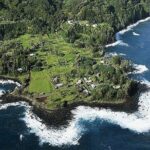
Keʻanae Point brings sharper ocean drama: waves crashing into black lava flows, plus taro fields and an old church area from the 1800s that helps you connect geography to human settlement.
Shoes matter again. The path can include sharp rocks, so good traction is a smart move. You should also be able to find a restroom stop and viewpoints where you can pause without racing your group.
This is one of those stops where the scenery tells you Maui’s story. Water finds places people can farm and live. Lava shapes where waves hit. And you can see both in the same frame.
Stop 6: Honomanu secluded black-pebble beach (SUV-only reach)
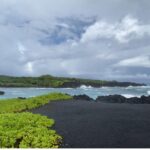
Honomanu is a small secluded beach area with black pebbles, waves, and views of green hills nearby. The key detail is that it’s off the main road and requires an SUV to reach.
This stop is quick, but it’s a “real Maui” moment: less gift-shop energy, more ocean-to-rock contact. If you’re hoping for turtles to be visible, this is part of the day’s setup where ocean creatures can be around.
Stop 7: Halfway to Hana Cafe for lunch-style snacking
At Halfway to Hana, you get a stop centered on food rather than views. Lunch is not included, but this stop is positioned so you can eat without hunting around.
The cafe choices include cheeseburgers, hot dogs, pig and other sandwiches, plus smoothies and banana bread. Some days you might get more time than others, but the point is that it’s an easy, well-known mid-day fuel stop for this exact route.
If you like proper breaks, ask your guide what nearby options are best if you skip the cafe or want something lighter.
Stop 8: Keʻanae Point black-sand shoreline and a bathroom reset
You may see a second Keʻanae point-style stop that focuses on huge waves, black lava, and ocean views. This is also described as a bathroom stop.
There’s also the possibility of small merchant items like macnut brittle and coconut water if available. This is not guaranteed shopping, but it’s the kind of small local option you only get when you stop at the real shoreline areas.
Turtles: how to think about that highlight
Turtles are the headline you came for, and this route is built around black-sand and ocean-side spots where green sea turtles can be present. The honest way to plan is this: you’re going to the right places, but nature decides the final outcome.
So treat it like an opportunity, not a promise. Bring patience for photo attempts, keep your distance, and let your guide know if you want the best viewing angle instead of wandering around on your own.
What the schedule feels like in real life
This is about 6 hours 30 minutes of time on Maui’s east side roads. The stops are mostly short, which is the right formula for a car-heavy day like this. You’ll drive plenty, but you’re not sitting around.
The day also tends to be calmer than DIY because you avoid the time sink of figuring out where to park, which pullouts are safe, and how long each walk will take. A guide also helps keep the day on track so you don’t lose half your trip to traffic or long bathroom lines.
Clothing and gear: pack for walking, mud, and wet surprises
Here’s what you’ll actually want in your day bag:
- Good shoes with grip (slippery rocks are a theme)
- Reef-walker style shoes if you plan to wade at waterfall pools
- A spare change of clothes if you want a proper dip-ready moment
- A layer even in warm weather; the rainforest wind can feel cooler
- Sunscreen, but also something for rain just in case
If you’re the type who hates wet socks, accept reality now. The Arboretum and waterfall areas are the places where mud and wet conditions can happen.
Who this tour suits best
This is a great fit if you:
- Want Hana Road highlights without driving the whole stretch yourself
- Prefer a small group with time to ask questions
- Are a nature lover who enjoys waterfalls, lava coast views, and rainforest plants
- Want a structured day with fewer parking and decision headaches
It may be less ideal if:
- You get motion sick on winding roads (you might feel it here)
- You need long, accessible walks at every stop (most walks are short, but there are still steps and uneven ground)
- You want full control over every minute (this day moves with guide timing)
So, should you book it?
Yes—if you want the Hana Road experience in a way that’s easier, safer, and still satisfying. The SUV setup, the small-group limit, and the focus on waterfalls, black-sand coastline, and turtle-friendly shoreline stops make the price feel fair.
I’d book it especially if you are visiting Maui for a limited time and you don’t want to gamble on parking, road closures, and timing. If you’re the confident DIY driver type and you love long days in the car, you could do it yourself. Most people, though, will appreciate that someone like Summer or Sean handles the road so you can enjoy the island.
FAQ
FAQ
How long is the Halfway to Hana tour?
It runs about 6 hours 30 minutes (approx.), from the Kahului meeting point and back.
What does the tour include and what do I need to pay for?
The tour includes refreshments. Lunch is not included, but you can purchase food at the Halfway to Hana Cafe stop.
Where does the tour start and end?
It starts at Longs Drugs Pharmacy, 70 E Kaahumanu Ave, Kahului, HI 96732, and ends back at the same meeting point.
Is this a small group tour?
Yes. The tour is designed as a small-group experience, with a maximum of 7 travelers.
Is there a chance to swim or take a dip?
At Puaʻa Kaʻa State Park, you may be able to take a dip if the water quality allows. The day also includes walkways and areas where you can wade, so bring appropriate shoes and extra clothes if you plan to get in.
Are there bathroom stops?
Yes. Several stops include bathroom access, including Puaʻa Kaʻa State Park and other viewpoints along the route. One food stop location may not have a restroom available.
What kind of physical fitness level do I need?
You should have a moderate physical fitness level. Some stops involve short walks on uneven ground, and one key rainforest stop can be muddy.