REVIEW · MAUI
Hawaiian Outrigger Canoe Cultural and Turtle Tour
Book on Viator →Operated by Hawaiian Ocean Sports · Bookable on Viator
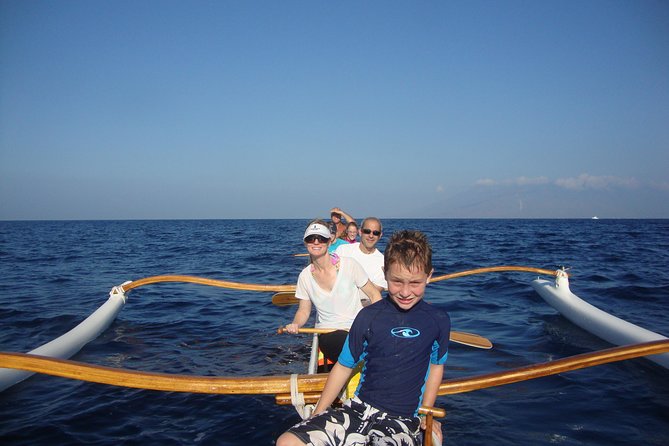
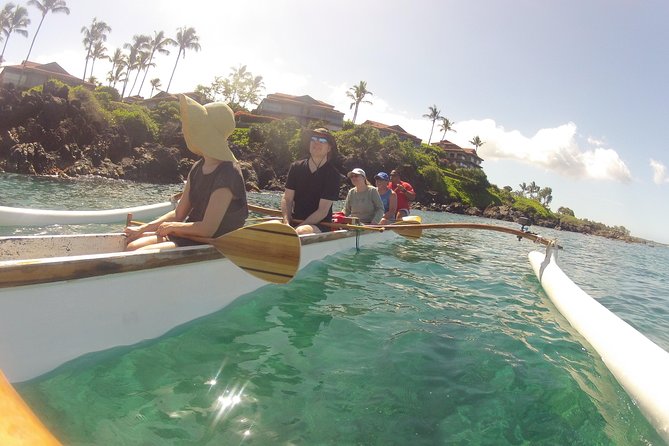
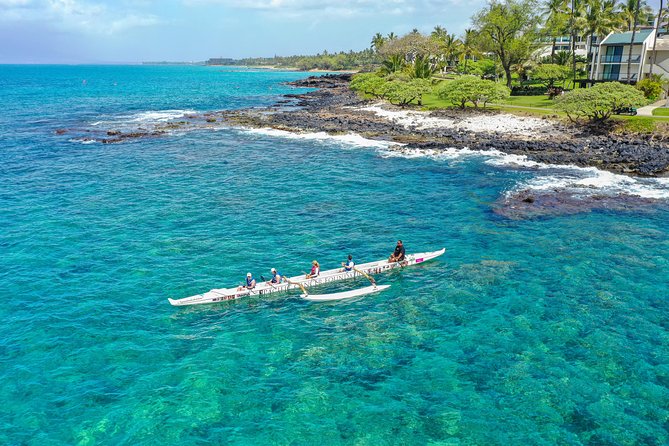
Turtles and chants on a canoe. Hard to beat. From Wailea Beach on south Maui, you paddle an outrigger past Haleakala and the West Maui Mountains, then head toward Turtletown for turtle-watching.
I love how the professional guide turns the paddling into a living lesson—oli chants, stories tied to the 1893 overthrow, and Polynesian wayfinding. I also love the realistic chance for close-up wildlife, where sea turtles often swim alongside and you can choose to go in when conditions allow.
The main consideration is timing: tradewinds typically build through the day, and that can affect how comfortable the paddle feels and how easy it is to spot turtles.
In This Review
- Key highlights worth planning for
- Wailea Beach launches a very Maui-style adventure
- The paddle is the show: how hard you’ll work
- What you actually do during the tour
- 1) Meeting at Wailea and getting set up
- 2) Launch and first paddle: chants and teamwork
- 3) Seeing the coastline while learning voyaging and history
- 4) The highlight zone: Turtletown off Wailea Point
- Turtles, whales, and how conditions change the odds
- Price and value: is $155 worth it?
- The guides make or break it
- Who this tour is best for (and who should rethink it)
- What to know before you go (practical stuff)
- So, should you book this turtle-and-outrigger tour?
- FAQ
- Where is the tour meeting point?
- How long does the experience last?
- How much does the tour cost and what’s included?
- Is this a private tour?
- What time should I check in?
- Do I need to be able to paddle?
- Are young children allowed?
- Can I swim with the turtles?
- Are service animals allowed?
- What happens if poor weather cancels the tour?
Key highlights worth planning for
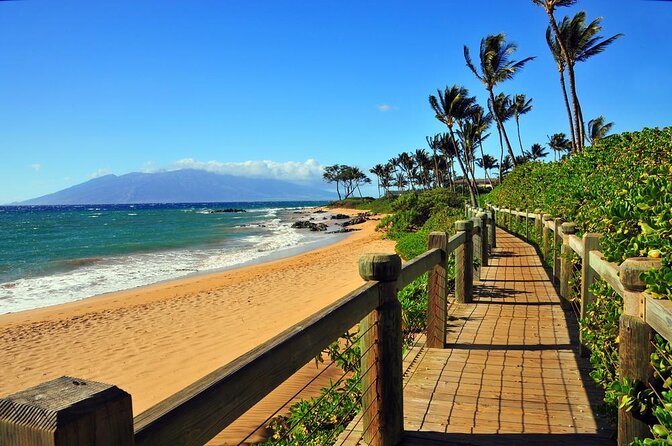
- South Maui views from an outrigger with big sightlines toward Haleakala, West Maui, Lana’i, Kaho’olawe/Kanaloa, and Molokini
- Oli chanting plus cultural history taught by your guide while you’re on the water
- Polynesian voyaging and celestial wayfinding explained in a way that matches what you’re doing in the canoe
- Turtletown turtle time off Wailea Point, with honu (green sea turtles) and honu’ea (hawksbill sea turtles)
- Optional turtle swimming when you want to get closer
- Humpback whale listening with a hydrophone (when whales are around)
Wailea Beach launches a very Maui-style adventure
This tour starts at Wailea Beach in south Maui, which already puts you in one of the prettiest positions on the island. Wailea also has an ancient meaning tied to sacred happiness, and the vibe here matches: open ocean, clear sightlines, and that “you’re really out on the water” feeling fast.
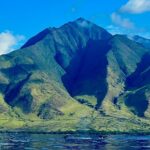
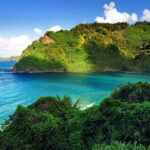
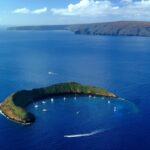
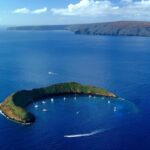
Once you’re launched, your route reads like a postcard—Haleakala in the distance, the West Maui Mountains, Lana’i off to the side, and Kaho’olawe/Kanaloa and Molokini showing up depending on the day. The best part is that you’re seeing it from a moving canoe, not a parked viewpoint.
You can also read our reviews of more tours and experiences in Maui
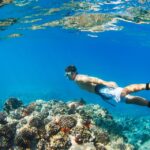

The paddle is the show: how hard you’ll work
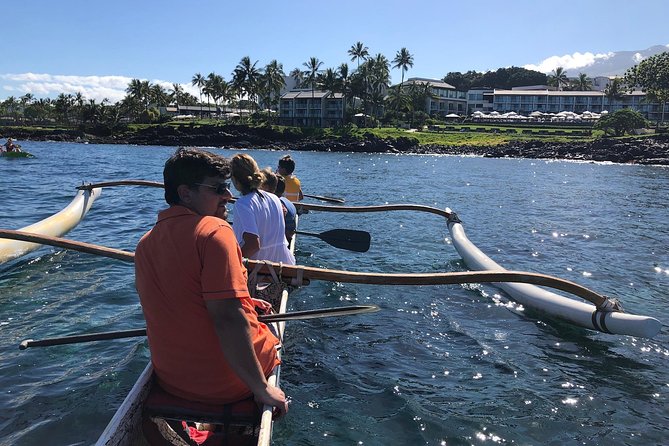
This is not a sit-and-take-photos cruise. You’ll be rowing an outrigger canoe with real effort, and the company notes that you need to be able to paddle at least a half mile. They also describe the experience as requiring moderate physical fitness, so I’d take that seriously.
You also push the canoe into the water around waist height and then haul yourself in. That’s doable, but it’s not “effortless beach activity,” and it matters if you’re traveling with kids or you’re coming straight from a long travel day.
And then there’s comfort: one reviewer flagged that canoe seating can feel tight if you’re plus size, with limited room to move. If that’s you or your travel partner, I’d consider how you like to sit for 1 hour and plan accordingly.
What you actually do during the tour
The structure is simple, which is good: you meet, get gear and instructions, paddle out, learn on the water, then return to Wailea Beach.
1) Meeting at Wailea and getting set up
Check-in is 20 minutes before your booked start time, and the activity ends back at the meeting point. You’ll get your professional guide and canoeing equipment there, plus the safety and rowing guidance you’ll need to make the whole thing feel smooth.
Because it’s a private tour, only your group participates. That usually means you get more hands-on coaching and less waiting around while you figure out the rhythm.
2) Launch and first paddle: chants and teamwork
Once underway, your guide brings in the heart of the experience: traditional Hawaiian chanting (oli) and cultural storytelling while you paddle. The tour description specifically frames this around honoring the wisdom passed down through generations, and it ties the paddling to that “learn by doing” style.
Expect a mix of instructions for how to row and when to follow the guide’s cues. Guides are also clearly focused on making people comfortable—multiple guests noted strong instruction and helpful coaching.

3) Seeing the coastline while learning voyaging and history
As you paddle along south Maui, you’re also learning where your route fits into Hawaiian geography and navigation. The tour covers Polynesian voyagers and the Polynesian Triangle (New Zealand to Rapa Nui to Hawaii), plus celestial navigation/wayfinding.
It also includes a history component tied to Hawai’i’s 1893 overthrow of the Hawaiian monarchy. For many people, this is the part that turns an ocean outing into something you’ll remember when you’re back on land.
4) The highlight zone: Turtletown off Wailea Point
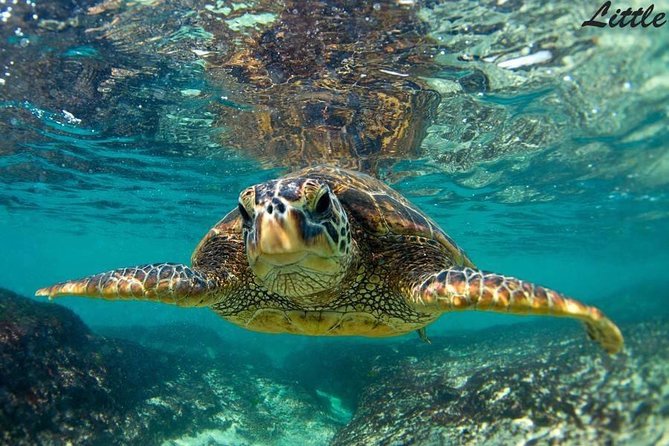
The key destination is Turtletown off Wailea Point. This is where the tour focuses on turtle sightings—honu (Hawaiian green sea turtles) and honu’ea (hawksbill sea turtles). The description emphasizes that turtles frequent this area, and the overall experience is built around watching them swim alongside the canoe.
Some days you may get a calm, close approach. Other days, turtles might be present but you’ll spot them less often. The ocean controls the outcome, and that’s part of why the earlier or calmer departures often feel better.
Turtles, whales, and how conditions change the odds
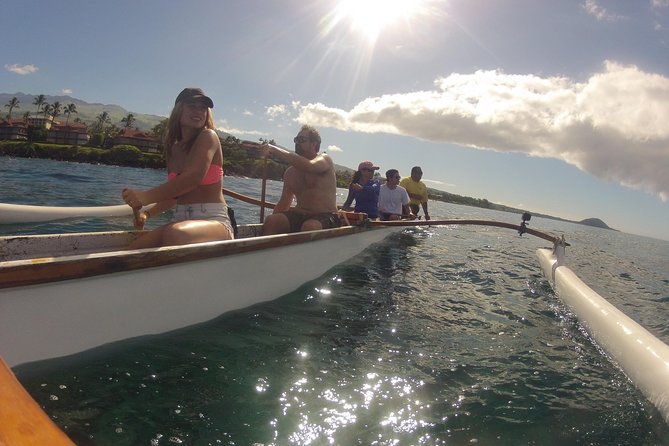
Turtle time is a major reason people book this tour. The operator’s own guidance makes it clear that conditions matter: tradewinds increase as the day goes on, and that can make turtles harder to see. If you’re aiming for the best odds, choose an earlier departure when offered.
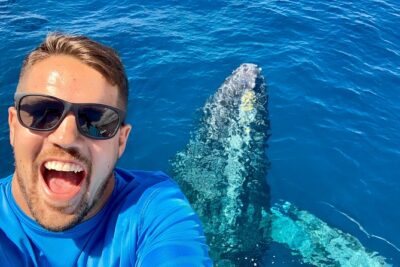
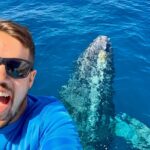
One practical note from the tour experience info and staff responses: whales may show up too. Some guests talk about hearing humpback whales through a hydrophone, and others mention seeing whales swimming out in the water. It’s not guaranteed, but it’s a nice bonus when it happens.
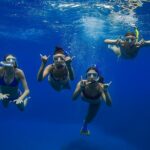
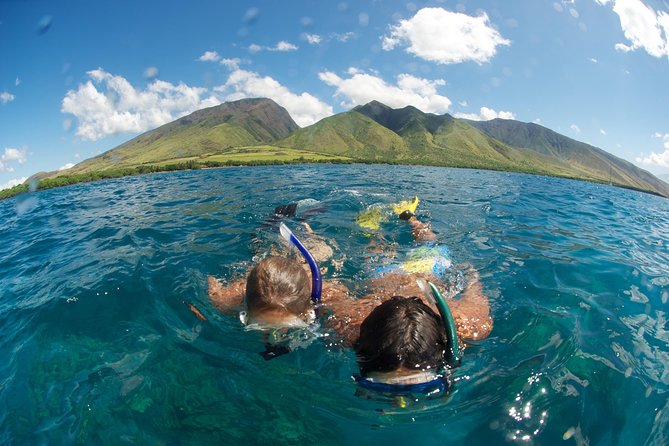
Also, the tour gives you a choice: you can swim with the turtles if you’d like, or you can stay in the canoe and watch them. That flexibility is a real value because not everyone wants to get wet or snorkel on vacation.
Price and value: is $155 worth it?
At $155 per person for about 1 hour, you’re paying for three things at once:
1) an active outrigger canoe experience,
2) a culture-and-navigation lesson with a professional guide, and
3) access to a local turtle-focused area off Wailea Point.
What helps the value is that it’s private—your group isn’t mixed with strangers. So even though the clock is short, the coaching and attention tend to feel more tailored.
It also includes local taxes, a professional guide, the canoeing excursion, and canoeing equipment. Food and drinks aren’t included, and souvenir photos are optional extra purchases.
If you’re mainly chasing turtles, the time on the water can feel quick depending on conditions. Some people found the paddle distance felt shorter than expected, so I’d go in with the right expectation: this is a guided ocean tour where the destination is the viewing area, not a long endurance workout.
The guides make or break it
The best part of the experience is the way the guides connect the ocean to Hawaiian culture and navigation. Names that come up across the experience include Kevin, Alex, Juca, Jessie, Jonah, Fred, Chris, Donald, and Kruz—each noted for being friendly, supportive, and focused on safety and clear instructions.
You’ll also hear about guide-created photo or video keepsakes. One guest said their guide Alex took photos/videos and shared them free of charge, and others mention video help as well. Even if you plan to keep your phone secure, it’s comforting to know the crew may capture moments for you.
One thing to watch: sound and positioning. A guest who was seated closer to the front mentioned it was harder to hear the guide. If you want to follow the cultural stories closely, you might ask about seating so you can hear comfortably once everyone is settled.
Who this tour is best for (and who should rethink it)
This is a strong match for:
- couples who want something active but not overly long
- families who can handle light-to-moderate effort and are comfortable in and around the water
- travelers who like culture taught in context, not just as a lecture
- anyone who wants turtle odds near Wailea Point, with the option to go in the water
It may not be the best fit if:
- you’re looking for a very long time on the canoe (the tour is about 1 hour)
- you have limited ability to paddle the required distance
- you’re traveling with very young kids (children 5 and younger aren’t recommended)
And if you’re sensitive to wind, plan your departure wisely. The operator specifically recommends earlier slots (8am, 9am, and 10am) for all tours because tradewinds typically increase later.
What to know before you go (practical stuff)
Here are the details that matter on Maui, where beach logistics can be real:
- Arrive early: check-in is 20 minutes before the start time.
- Bring your own water and plan for no food/drinks being included.
- Don’t count on souvenirs being included. Photo/video packages are available to purchase.
- The tour does not include hotel pickup or drop-off, so you’ll be responsible for getting to the Wailea Beach meeting point.
- Mobile ticket: you’ll use a mobile ticket for entry.
- Service animals are allowed.
- It’s a private tour/activity, so it’s only your group on the water.
If you’re the type who likes photos, consider a waterproof phone setup. But also know guides may take their own pictures/videos, so you might not need to gamble with your device as much.
So, should you book this turtle-and-outrigger tour?
I’d book it if you want a single Maui morning that combines ocean time, real paddling effort, and culture you can feel in your body. The turtle focus at Turtletown off Wailea Point is the headline, and the guides seem to consistently deliver strong instruction plus historical and navigation context. Add the possibility of humpback whale listening via hydrophone, and this becomes a very “south Maui” kind of day.
I’d think twice if you’re coming only for turtles and you hate uncertainty. Even in good conditions, wildlife sightings can’t be forced, and later departures can make turtles harder to spot due to increasing tradewinds.
If you’re flexible on timing, comfortable paddling at least a half mile, and you’re excited to learn while you row, this tour is a solid value for the effort, attention, and ocean views you get.
FAQ
Where is the tour meeting point?
The tour departs from Wailea Beach in Kihei, HI 96753, USA. The activity ends back at the meeting point.
How long does the experience last?
The duration is about 1 hour.
How much does the tour cost and what’s included?
It costs $155.00 per person and includes a professional guide, the outrigger canoe excursion, canoeing equipment, and local taxes.
Is this a private tour?
Yes. It’s a private tour/activity, and only your group will participate.
What time should I check in?
You should check in 20 minutes prior to your booked tour start time.
Do I need to be able to paddle?
Yes. You must be able to paddle a minimum of a half mile.
Are young children allowed?
Children 5 and younger are not recommended.
Can I swim with the turtles?
You can swim with the turtles if you’d like. If you prefer, you can also just watch as they swim alongside the canoe.
Are service animals allowed?
Yes, service animals are allowed.
What happens if poor weather cancels the tour?
If it’s canceled due to poor weather, you’ll be offered a different date or a full refund.