REVIEW · MAUI
Haleakala Express Self-Guided Bike Tour with Bike Maui
Book on Viator →Operated by Bike Maui AND Haleakala EcoTours · Bookable on Viator
Haleakala downhill feels faster here. This Express self-guided bike tour starts around 6,500 feet near Haleakala National Park, then strings together an exciting descent and an easy ride day through Upcountry Maui. It’s built for people who want the highlights without spending all day planning or waiting.
I especially like the provided gear—helmet, windbreaker top and bottom, and a backpack—so you can travel lighter. I also like the built-in chance to experience Makawao and Haiku, which turns this from a one-note volcano ride into a whole Upcountry Maui morning.
One thing to consider: road access rules can cut the biking portion, so you may spend some time on shuttles or do the best switchbacks in a modified way instead of a full, uninterrupted top-to-bottom run.
In This Review
- Key highlights you’ll care about
- The Haleakala Express route: start, ride segments, and timing
- Gear and comfort: what Bike Maui supplies (and what you still need)
- Starting at about 6,500 feet: the “why” behind this meeting point
- The downhill part: thrilling switchbacks, plus the reality check on access changes
- Makawao and Haiku: making it more than a single scenic ride
- Guides, vibe, and local storytelling you can actually use
- Bike skills and fitness: moderate effort, but real riding is involved
- Safety and road conditions: what to expect during transitions
- Price and value at about $146: what you’re really paying for
- Who should book this Haleakala Express bike tour
- Should you book Haleakala Express with Bike Maui?
- FAQ
- Where is the meeting point for the Haleakala Express Self-Guided Bike Tour?
- What time does the tour start?
- How long does the tour last?
- Is lunch included?
- What biking gear is included, and what should I bring?
- What are the minimum age and height requirements?
- What happens if the tour is canceled due to weather, or if I cancel?
Key highlights you’ll care about
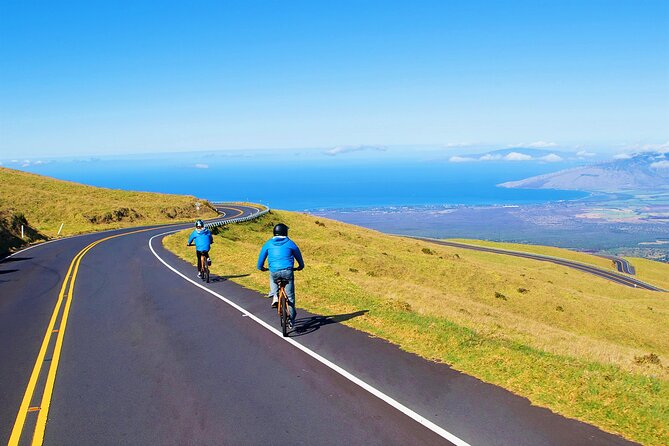
- Start just outside Haleakala National Park at about 6,500 feet for a true downhill start.
- Express route with self-guided riding while still getting clear instructions and support.
- Upcountry Maui ride through Makawao to Haiku, with a chance to stop for a No Host lunch.
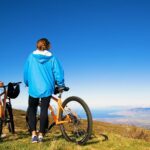
- Bike Maui provides the kit: windbreaker, helmet, custom Kona mountain bike, and a Da Kine backpack.
- Expect possible shuttle segments if local road rules restrict bike access in parts of the route.
- Limited by your bike skills: the tour asks for recent riding experience and moderate fitness.
The Haleakala Express route: start, ride segments, and timing
The whole plan is built around a simple rhythm: meet in Haiku, get outfitted, ride downhill, then keep moving through Upcountry Maui.
You start at 810 Haiku Rd, Haiku, HI 96708 with a 9:30 am start time, and the tour returns you to the same meeting point at the end. The total time is about 5 hours (approx.), which is long enough to feel like a real adventure but short enough to keep the rest of your Maui day flexible.
The day includes transportation: you’ll ride or be shuttled from the tour’s base area to the Haleakala start area. From there, you’ll do the bike portion in segments, including time biking through Makawao and onward toward Haiku. Lunch is on you—more on that in a second.
You can also read our reviews of more cycling tours in Maui
Gear and comfort: what Bike Maui supplies (and what you still need)
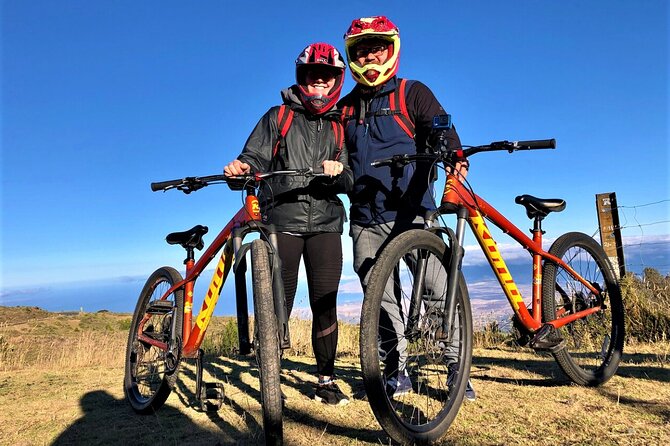
This tour travels well because you don’t have to source a whole bike outfit. Included gear covers the essentials, which also helps you avoid carrying extra stuff on Maui:
- Bell helmet
- Custom Kona mountain bike
- Helly Hansen windbreaker top and bottom
- Da Kine backpack
- Air-conditioned vehicle
What you should bring is just as important. The tour doesn’t include supplies like water and snacks, so plan on bringing them with you. Even if you think you’ll be fine for a short ride, Upcountry temps and sun can surprise you—especially when you’ve got a long downhill before you.
Also, dress like you’re riding near the crater. Haleakala weather can shift fast. Even if it feels warm where you start, your windbreaker is there for a reason.
Starting at about 6,500 feet: the “why” behind this meeting point
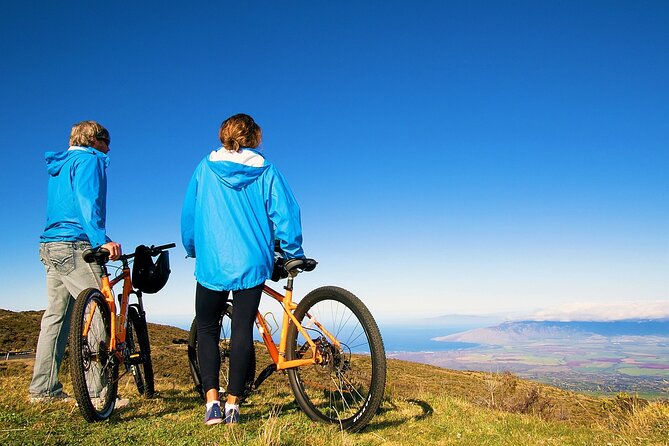
The Express route begins at about 6,500 feet, just outside the National Park entrance. That elevation choice matters, because it sets up the whole experience: you get the fun of descending switchbacks without trying to grind uphill all morning.
You don’t start at the lowest point in Haleakala’s ecosystem. Instead, you begin at a level where the downhill feels dramatic, and you can actually enjoy the ride without treating it like a training session. That’s part of why this version is so popular for people who’ve been to Haleakala before—or who want the best part right away.
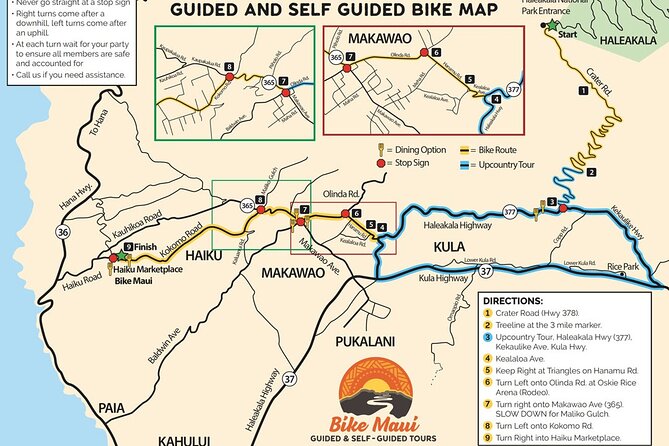
You’ll bike for about 15 miles before meeting up with a shuttle component. From there, the tour continues through Upcountry Maui, using the vehicle to connect areas so you can spend your energy on the riding portions that make the day worth it.
The downhill part: thrilling switchbacks, plus the reality check on access changes
This is the segment most people are shopping for: a downhill run that feels like flying, with views that can make you forget you’re on a mountain bike.
That said, the bike route can be modified. Local road rules have changed the experience compared to older versions of Haleakala cycling, and the Express tour has adapted. The result is that parts of the middle of the day may become a shuttle ride, and in some cases you may repeat the most exciting switchbacks instead of doing a longer continuous route.
So how do you mentally prepare?
- Think of the biking as the highlight segments, not as a guaranteed full-length, uninterrupted crater-to-coast ride.
- Follow instructions about safety stops and riding technique. One theme you’ll see across rider feedback is that braking and formation matter.
- Bring patience for traffic-adjacent segments when you transition between bike and vehicle.
On the plus side, the modification approach can still keep the best downhill moments in the spotlight. If you’re there for speed, views, and a sense of adventure, you’re likely to leave happy—just don’t anchor your expectations on a single, fixed “old school” route.
Makawao and Haiku: making it more than a single scenic ride
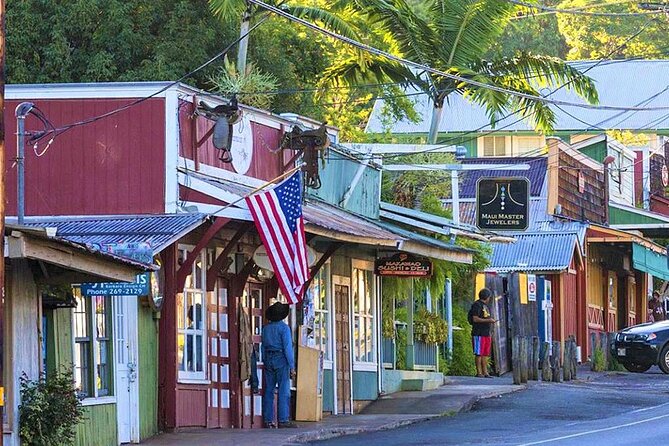
A lot of bike days are basically: ride, stop, ride again, done. The Express version adds real value by pushing you into Upcountry Maui’s towns.
You’ll bike through Makawao, a place known for its small-town feel and local character. Then you continue on toward Haiku, where the tour ends back at your meeting point. The route isn’t just scenic—it’s a chance to see the island beyond the coast, and to experience what Upcountry life looks like without needing a rental car for everything.
Lunch fits here in a practical way. You can enjoy a No Host Lunch in either Makawao or Haiku, but you’ll pay for it yourself. I’d treat lunch as part of your planning: decide if you want a sit-down meal, quick bites, or something grab-and-go. Either way, it breaks up the day nicely and gives you time to cool down, hydrate, and reset.
You can also read our reviews of more guided tours in Maui
Guides, vibe, and local storytelling you can actually use
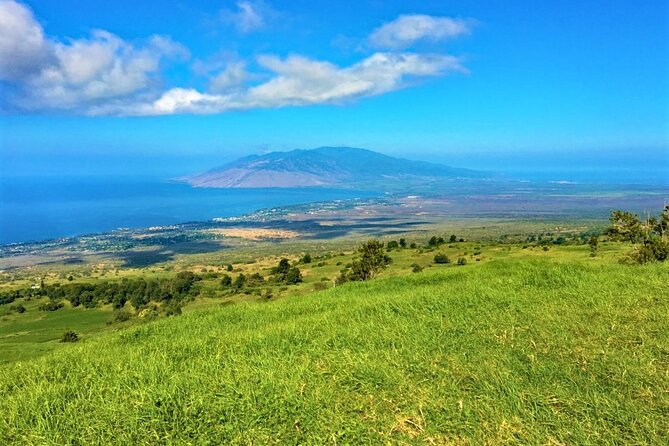
Even though this is self-guided while riding, you’re still not doing it alone. You’ll be paired with a guide/driver who sets up the experience, explains what to do, and adds context along the way.
Rider feedback highlights how much the drive up and the ride briefing can shape the whole mood. Names that show up often include Kimo, Dan, Tim, Nico, Kimi, and Nokum—and the common thread is that they bring local context, stories, and a sense of humor. Some even add comedy and fun during the drive portion, which helps when you’re heading toward a sky-level viewpoint and want your day to feel like an outing, not a logistics chore.
If you like travel moments where someone points out what you’re actually seeing—rather than just saying it’s beautiful—this is a good fit.
Bike skills and fitness: moderate effort, but real riding is involved
This is not a casual stroll. The tour asks for moderate physical fitness, and you must have recent biking experience.
There are also clear participation rules:
- Minimum age for bikers: 15 years old
- Minimum height: 4’10”
- Riders should have recent experience
- You’ll use a real mountain bike for a downhill-focused route
You don’t need to be an expert cyclist, but you do need to be comfortable controlling speed and steering for extended downhill stretches. The best way to think about it: if you ride a bike occasionally and you’ve handled hills and brakes recently, you’re probably fine. If you haven’t biked in a while, this may feel like too big a jump.
One more practical tip: make sure you can apply the brakes smoothly and confidently. This is the kind of ride where small mistakes turn into big stress.
Safety and road conditions: what to expect during transitions
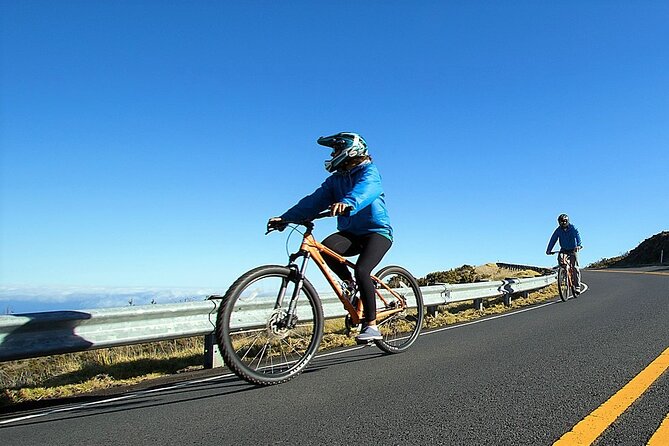
Road conditions are part of the equation on Maui, especially when your day mixes bike and vehicle segments. Drivers can be aggressive in general traffic, and the Express format includes vehicle time as the route adapts to local rules.
That means you should:
- Listen closely to the safety briefing
- Stay alert during bike-to-shuttle transitions
- Use the gear that’s provided and don’t improvise with your own helmet
If weather shifts, it can affect visibility. When clouds roll in, the views can get muted. That doesn’t remove the fun of riding, but it can change the payoff of the crater moments—so plan to enjoy the experience even if the sky isn’t perfect.
Price and value at about $146: what you’re really paying for
At $146.25 per person, the Express tour isn’t cheap, but it’s also not overpriced given what’s included. What you get for the money is mostly three things:
- A structured experience that handles transport to the start area and transitions between route segments.
- Gear you’d otherwise have to buy or rent—helmet, windbreaker, backpack, and a bike designed for the downhill work.
- Upcountry access to Makawao and Haiku on a route that would be hard to DIY without a lot of logistics headaches.
If you’re the type who wants to trade planning time for riding time, the value lands well. If you only care about a long, uninterrupted full-day descent with zero stops, you might feel the modifications more strongly. In that case, you’d want to compare your expectations against the fact that the middle portion can shift to shuttles depending on local rules.
Who should book this Haleakala Express bike tour
This is a strong match for:
- People who’ve done Haleakala before and want the downhill highlight without extra fuss
- Cyclists who are comfortable controlling speed and steering downhill
- Visitors who want more than “bike ride only” and like the idea of seeing Makawao and Haiku
- Travelers who prefer a guided setup (gear, instructions, ride support) but still want the flexibility of self-guided riding once you’re on the bike
It’s less ideal if:
- You’re hoping for a full, unchanged, top-to-bottom route exactly as it used to be
- You’re looking for a gentle, easy workout ride
- You don’t have recent bike comfort with braking and downhill handling
Should you book Haleakala Express with Bike Maui?
I’d book it if you want a practical, gear-supported way to experience Haleakala’s best downhill moments plus real Upcountry town time. The inclusion of windbreakers, helmet, and a proper mountain bike helps you travel lighter, and the Makawao-to-Haiku flow makes it feel like a day with a point—not just a single thrill and then gone.
But I’d hesitate if you’re the kind of traveler who needs a guaranteed, exact route length with no shuttle segments. The Express tour can adapt to access changes, so your best move is to show up expecting a modified but still exciting version of the ride.
If that sounds like your style, this is a very solid Haleakala bike day.
FAQ
Where is the meeting point for the Haleakala Express Self-Guided Bike Tour?
You meet at 810 Haiku Rd, Haiku, HI 96708, USA.
What time does the tour start?
The start time is 9:30 am.
How long does the tour last?
It runs about 5 hours (approx.).
Is lunch included?
Lunch is not included. You can enjoy a No Host Lunch in either Makawao or Haiku, meaning you pay for it yourself.
What biking gear is included, and what should I bring?
Included items include a bell helmet, custom Kona mountain bike, windbreaker top and bottom, and a Da Kine backpack. You should bring your own water and snacks.
What are the minimum age and height requirements?
The minimum height for bikers is 4’10”, and the minimum age is 15 years old.
What happens if the tour is canceled due to weather, or if I cancel?
The tour requires good weather. If it’s canceled due to poor weather, you’ll be offered a different date or a full refund. You can cancel for a full refund up to 24 hours before the experience starts.