REVIEW · MAUI
3-Tank Dive Featuring the Molokini Crater
Book on Viator →Operated by Yonegan Pro-Diver Maui · Bookable on Viator
Molokini in the morning hits different. This three-tank Molokini Crater outing from Kihei focuses on a protected reef with excellent visibility and a chance at big animals. I like the way this program keeps things tight with a small headcount—up to 12 total, and no more than 6–8 per group—so you get time with the staff, not just a ticket stamp.
Another thing I like: you’re set up for an advanced, varied day rather than just one simple site. The crater is only a 20–25 minute boat ride from Kihei, so you lose less time in transit and more time where it counts. One drawback to consider is the strict qualification and safety rules—this is meant for divers who can meet the requirements and handle deeper, longer underwater sessions.
In This Review
- Key things to know before you go
- Maui’s Molokini Crater: why this protected reef is the whole point
- Three tanks in 4.5 hours: the pacing that makes it feel efficient
- Start time and boat reality: what the early Kīhei departure means
- Stop 1 at Molokini: what you’re aiming to see in crystal-clear water
- Stop 2 labeled Maui: why the second site matters for an advanced day
- What “advanced” really means here: the hard requirements you must meet
- Booking details that can make or break your morning (gear info included)
- Price check: is $375 for three tanks good value?
- Wildlife moments: what to do mentally so you don’t miss them
- Before you go: practical tips that match this outing
- Should you book the Pro-Diver Maui 3-Tank Molokini Crater trip?
- FAQ
- Where is the meeting point and what time does the tour start?
- How long is the 3-tank Molokini Crater experience?
- How many people are on the tour?
- What scuba experience is required to board?
- What gear or personal info do I need to provide?
- What marine life might you see at Molokini Crater?
- What if weather is bad or I need to cancel?
Key things to know before you go
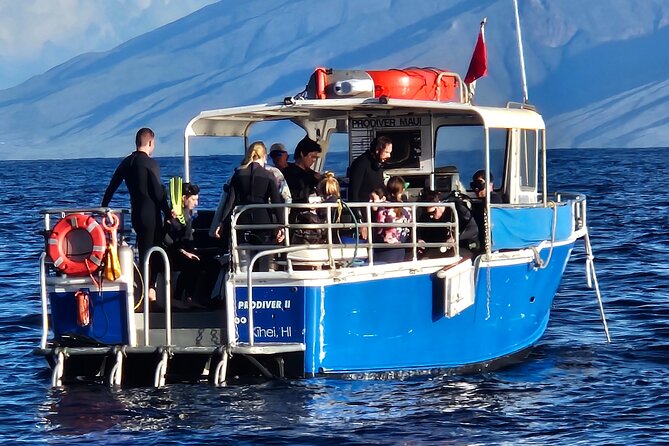
- Small-group control: max 12 travelers total; typically 6–8 per group
- Fast run to Molokini: about 20–25 minutes by boat from Kīhei Boat Landing
- Three underwater sessions: good for people who want more time in the water
- Advanced-leaning itinerary: past site examples include wrecks and deeper pinnacles
- Strict boarding requirements: last scuba date, lifetime count, and certification level must be provided
- Weather-dependent: the day’s plan is subject to conditions around the crater
Maui’s Molokini Crater: why this protected reef is the whole point
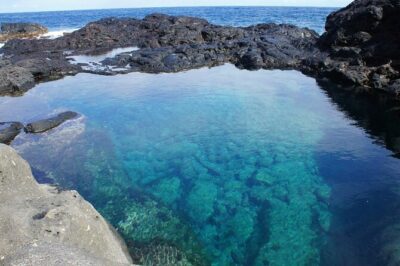
If you’re coming to Maui for underwater scenery, Molokini is one of the reasons people plan their trip around the water. It’s a protected marine preserve, and the key promise is visibility year-round. When visibility is strong, you spend less energy “searching” and more time simply looking—reef edges, clear water columns, and the kind of animal spotting that’s hard to fake.
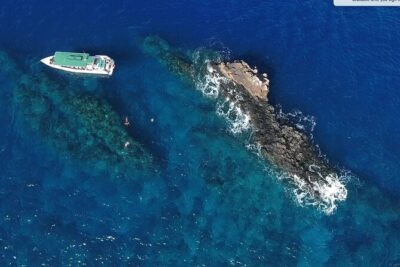
This outing is built around that idea: you start early, you get on the boat, and you hit the crater fast. You’re not waiting around for a full day of logistics before the best part begins.
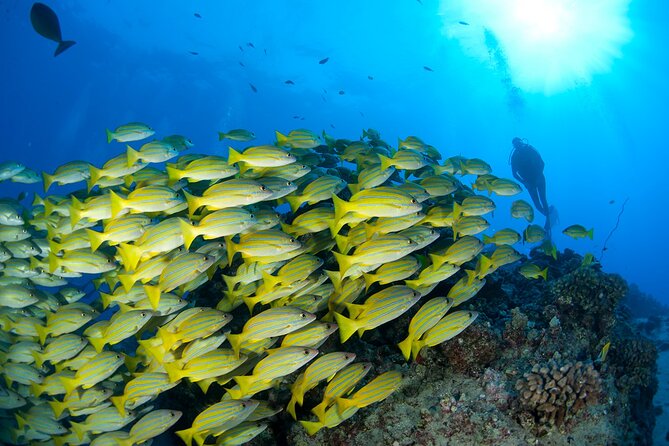
And yes, the crater is known for premium wildlife odds when conditions line up. You can have chances at manta and eagle rays, white-tip sharks, barracuda, and even humpback whales. There’s also the rare opportunity of protected monk seals, which is the kind of moment that can turn a good trip into a memorable one.
You can also read our reviews of more tours and experiences in Maui.



Three tanks in 4.5 hours: the pacing that makes it feel efficient
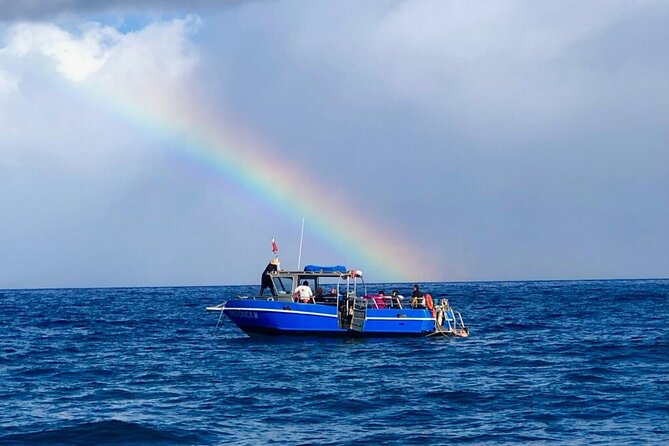
A three-tank format is ideal when you want more “in-water time” without signing up for a full, all-day production. This tour runs about 4 hours 30 minutes. That’s a compact schedule for Maui, especially considering you’re traveling by boat to a protected site.
It also changes the way you should think about the day. Instead of one long, high-stakes outing, you’re doing multiple underwater sessions. That tends to suit advanced participants who want variety—different depths, different bottom profiles, and different animal behavior. The crew can adjust based on conditions, and you’re not married to a single plan for the whole morning.
Start time and boat reality: what the early Kīhei departure means
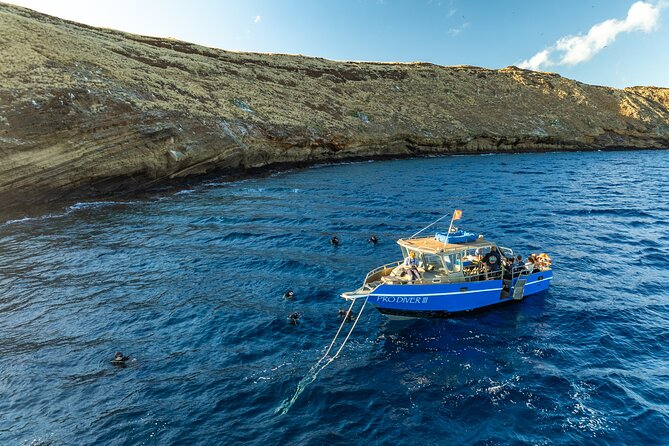
Your meet-up is Kīhei Boat Landing, 2920 S Kihei Rd, Kihei, HI 96753, starting at 6:15 am. That early time matters more than it sounds. Morning conditions often make a difference for comfort on the water and for water clarity around the reef.
This is also a small-crew operation, with a cap of 12 travelers. You should expect a more personal flow—gear checks, briefing, and time with staff—rather than a rushed line of people.
One practical note: you’ll want to be organized before you arrive. The requirements are strict about boarding, and you can’t just show up with gear and hope for the best. If you’re methodical, the start time is easier to handle.
Stop 1 at Molokini: what you’re aiming to see in crystal-clear water
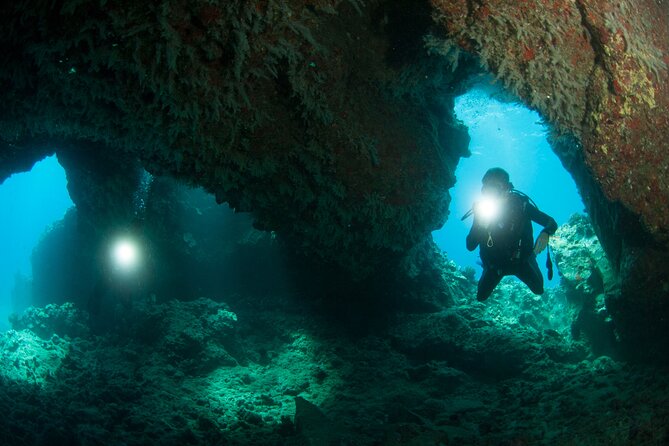
Molokini Crater is the star stop, and the outing is designed so you reach it quickly. It’s about 20–25 minutes by boat from Kihei boat ramp, with weather being the gatekeeper for the plan.
When the water is clear (and that’s the baseline expectation here), you get a better chance at three things:
1) Better visibility for spotting
Clear water doesn’t just look pretty—it helps you actually find animals and reef structure before your attention gets scattered.
2) More confident navigation
When you can see well, you can focus on your buoyancy and your surroundings instead of constantly checking distance.
3) Wildlife odds that can feel premium
The crater has a reputation for manta and eagle rays and also lists white-tip sharks and barracuda among possible encounters. Humpback whales are listed too, which is a reminder that sometimes the action is both above and below.
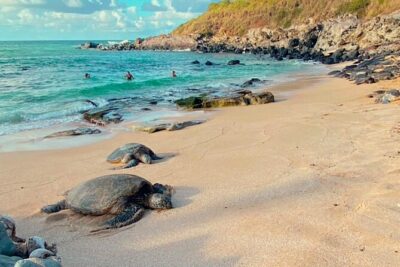
There’s also the rare monk seal mention. You shouldn’t plan your whole trip around that single possibility, but it’s exactly the kind of protected-marine-preserve detail that tells you this is a serious conservation area, not just a random spot.
Stop 2 labeled Maui: why the second site matters for an advanced day
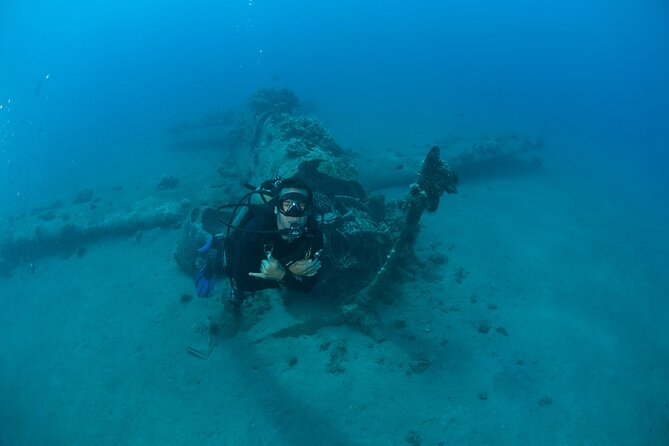
After Molokini, the next stop is listed as Maui. That’s intentionally broad, and it’s a clue about how the crew runs a day: you’re not doing a rigid checklist that ignores conditions.
For you as an advanced participant, that flexibility is a plus. It means the second underwater session can align with what the day is delivering—where the water is behaving best, where the crew can safely place you, and what depths are realistic.
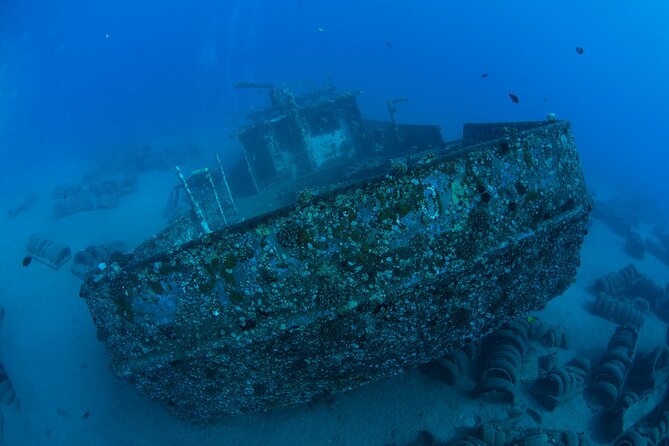
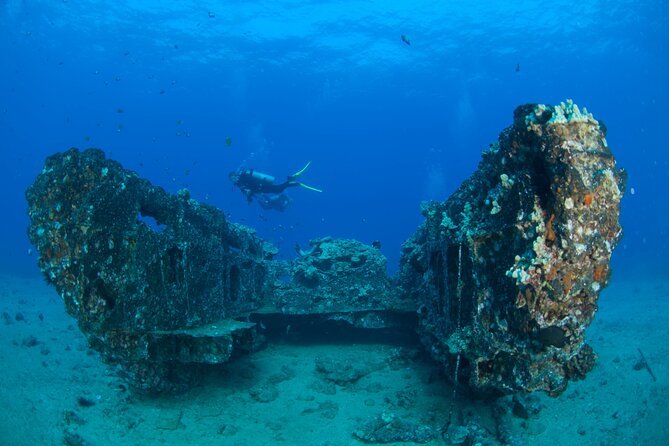
This is also the kind of outing that can include more demanding sites. Past outings have included locations such as:
- St. Anthony Wreck
- the Three Anchors
- Wasteland pinnacles at 85 feet and 110 feet
- a Back Wall Drift session
Even if your exact second stop is different on your date, those examples give you a feel for the style of day you’re signing up for: reef meets structure, and the program caters to people who want variety.

What “advanced” really means here: the hard requirements you must meet
This trip is not for casual try-it vibes. The program has clear, strict qualifications. If you don’t meet them, you can’t board.
Here’s the practical checklist you should plan around:
- You should have strong physical fitness.
- You must have completed scuba within the past 6 months of your planned outing.
- You must have completed at least 25 lifetime scuba sessions.
- You must provide the date of your most recent scuba session and your number of lifetime sessions when booking. Without those details, you cannot board.
- You must share your certification level as part of the required information.
There’s also a post-trip rule that’s easy to ignore until it matters: you cannot travel above 500 feet altitude within 24 hours after the event. That means you’ll want to plan your flight, hotel, and any quick getaways with this restriction in mind.
This isn’t meant to scare you off. It’s meant to protect you. A program like this is built around deeper, more involved conditions. The requirements ensure everyone in the group is prepared.
Booking details that can make or break your morning (gear info included)
A lot of scuba trips ask for experience. This one asks for experience and also for gear-related sizing details, and both are required for boarding.
When you book, you’ll need to provide:
- Age, height, weight
- Shoe size
It’s required. If you skip it, you won’t be able to board. That’s why I recommend treating this as a “paperwork day” task before your trip, not something to do while you’re packing at the last minute.
You’ll also be asked for:
- Your date of most recent scuba session
- Approximate number of lifetime sessions
- Certification level
Since the crew requires this information to board, double-check it before you hit submit.
Price check: is $375 for three tanks good value?
$375 per person is a serious price, so you should judge it by what you’re getting—not by what it costs compared to a basic water tour.
What you’re paying for here:
- A three-tank format, which usually translates to more in-water time than single-tank options
- Molokini access with a short boat run from Kihei
- A small operation (max 12 total; 6–8 per group) that can mean more attention and better pacing
- An advanced-leaning program that’s designed for people who want deeper, more structured underwater sessions
If you’re the kind of diver who wants variety and more water time, this price starts to make sense. If you’re mainly after a one-and-done, easy entry, this may feel heavy compared with simpler options.
Also keep in mind demand: the trip is typically booked about 37 days in advance on average. That’s a sign you should plan early rather than waiting for a last-minute deal.
Wildlife moments: what to do mentally so you don’t miss them
When this trip runs the way it’s intended, you’ll be looking for animals as much as you’re looking at the reef. The listed possibilities—manta and eagle rays, white-tip sharks, barracuda, humpback whales—are all creatures that can show up when you slow down and watch.
Here’s how to get more from the day:
- Stay calm and keep your buoyancy stable so your head can turn and your eyes can scan
- Don’t rush every time something moves; give the water a few seconds to reveal what it is
- When visibility is strong, use it. Look for the bigger shapes first, then the details
That moray-reef highlight vibe is real in this region too. Encounters can be close and surprising, and it’s the kind of moment you’ll remember longer than a perfect photo.
Before you go: practical tips that match this outing
Since this is an advanced, qualification-based morning, your best prep is straightforward:
- Bring all the required info at booking time, especially your last scuba date and lifetime session count.
- Keep an eye on the weather. The program explicitly says it depends on conditions around the crater.
- Plan your day after the trip with the 500 feet in 24 hours altitude rule in mind.
- Arrive at the meeting point with enough buffer time for check-in and gear checks—early starts are not the moment for stress.
The mobile ticket format also helps. You’ll likely travel lighter with fewer printed documents to manage, but double-check you have the ticket ready on your phone.
Should you book the Pro-Diver Maui 3-Tank Molokini Crater trip?
Book it if:
- You’re an experienced scuba participant who meets the requirements (last session within 6 months, 25+ lifetime sessions, certification level).
- You want a compact Maui program with multiple underwater sessions instead of one short experience.
- You care about Molokini’s protected-water visibility and want the best odds for major wildlife sightings.
Skip (or look for a different style) if:
- You don’t meet the strict qualification and documentation rules.
- Your schedule depends on traveling to higher altitude within 24 hours after the event.
- You’re not comfortable with an early 6:15 am start and a more demanding day structure.
If you’re eligible and you want an advanced, well-timed Molokini-focused morning, this is the kind of trip that fits your purpose.
FAQ
Where is the meeting point and what time does the tour start?
The tour starts at Kīhei Boat Landing, 2920 S Kihei Rd, Kihei, HI 96753, USA, with a start time of 6:15 am. The activity ends back at the meeting point.
How long is the 3-tank Molokini Crater experience?
It runs for about 4 hours 30 minutes (approx.).
How many people are on the tour?
The maximum group size is 12 travelers, with groups split into no more than 6–8 divers per group.
What scuba experience is required to board?
You must have been scuba within 6 months of your planned outing, and you must have completed at least 25 lifetime scuba sessions. You also must provide your last scuba date and your lifetime session count plus your certification level when booking.
What gear or personal info do I need to provide?
You must provide your age, height, weight, and shoe size. Without this info, you cannot board.
What marine life might you see at Molokini Crater?
The tour description lists possible encounters with manta and eagle rays, white-tip sharks, barracuda, humpback whales, and a rare visit by protected monk seals.
What if weather is bad or I need to cancel?
This experience requires good weather. If it’s canceled due to poor weather, you’ll be offered a different date or a full refund. You can cancel up to 24 hours in advance for a full refund.