REVIEW · MAUI
Kayak and Whale Watching Tour
Book on Viator →Operated by Tropical Guides & Outfitters · Bookable on Viator
Whales and a kayak feel like cheating. This Maui trip gets you on the water during the humpback season, with guides steering you toward where whales often show up, while keeping the approach non-invasive. I love the close-up feel you can’t get from a bigger boat, and the morning timing that puts you on the water early.
Two other things I really like: the guides’ real whale-finding skill and their calm, professional tone. Names like Chris and Kris show up in the praise, and the common thread is that you feel safe while still getting a front-row view. You’ll also hear and watch humpbacks in natural, showy ways, including the reported experience of hearing whale songs underwater.
One consideration: this is not a sit-and-watch program. You should have moderate physical fitness, and the 7:00 am start means you’ll be up early, especially if your Maui days usually begin slower.
In This Review
- Key highlights at a glance
- Why a Kayak Changes Whale Watching on Maui
- The 7:00 am Makena Landing Park Start (and Why It Matters)
- Up to 8 Paddlers: What Small-Group Tours Get You
- What the 3-Hour Pacing Feels Like on the Water
- Finding Humpbacks: When the Season Makes or Breaks Your Odds
- Whale Encounters That People Keep Calling Out
- Photos, Water, and the Real Value of the $130 Price
- What to Bring and How to Prepare (Without Guessing)
- Should You Book This If You’re New to Kayaking?
- Best Fit: Who Will Love This Most?
- Should You Book This Kayak and Whale Watching Tour?
- FAQ
- FAQ
- When does this Maui whale kayaking tour run?
- Where is the meeting point and what time does it start?
- How long is the tour?
- How many people are on the tour?
- What is included in the price, and what is not?
- What happens if weather is bad?
Key highlights at a glance
- Small group (max 8): more attention from the guide and a calmer pace on the water
- Humpback season timing: mid-December through end of March for best odds of sightings
- Whale “from the kayak” moments: fluking, spouting, and even breaches close by, depending on the day
- Hear-whales underwater factor: multiple reports mention singing sounds while paddling
- Photo option: digital photos are available for purchase after the trip
- Built for safety and respect: guides focus on correct positioning and staying a safe distance
Why a Kayak Changes Whale Watching on Maui
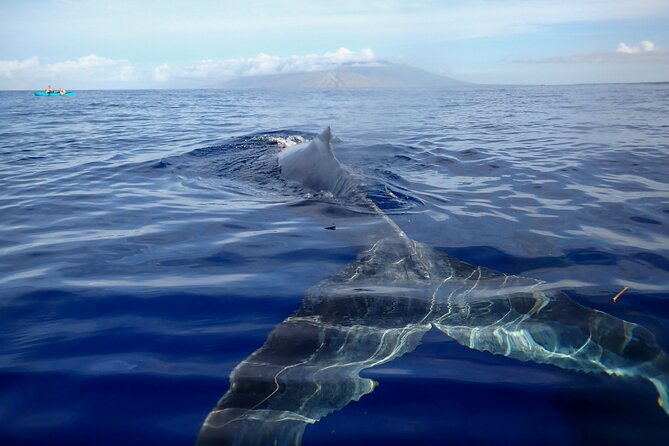
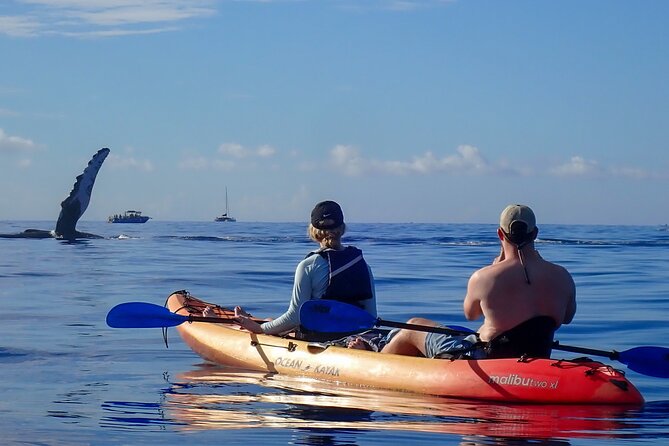
There’s whale watching, and then there’s whale watching from your own moving spot on the water. On a kayak, you’re lower and closer to the surface, so when humpbacks surface, it feels immediate. Multiple people mention that the encounters feel surreal because you’re basically at water level, not up above it.
It also changes how you experience whale behavior. On this kind of outing, you’re not just watching spouts in the distance. You’re there for the full sequence: surfacing, fluking, raising heads, and fin movements that can look almost curious when they come close. One of the strongest themes in the feedback is that people felt the whales were aware of their presence, but still not at a dangerous or “too close for comfort” level, because the guide manages spacing.
And the sound element is a big deal. Several reviews mention hearing whale song while on the water, with no mention of microphones or artificial audio. When whales sing underwater, it’s a reminder that you’re listening to an ocean conversation, not just looking at animals on cue.
You can also read our reviews of more whale watching tours in Maui


The 7:00 am Makena Landing Park Start (and Why It Matters)
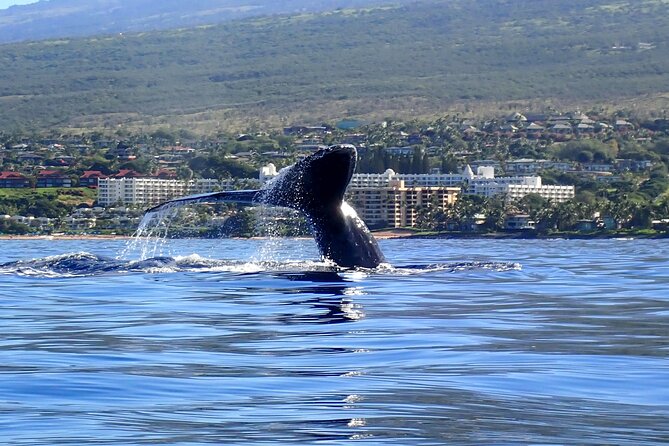
Your morning begins at Makena Landing Park, 5083 Makena Rd, Kihei, HI 96753, with the tour starting at 7:00 am. That early start isn’t random. It helps you get on the water while conditions are often more manageable for paddling and whale searching, and it keeps the trip focused in a tight 3-hour window.
Makena Landing Park also makes your day simple. The tour ends back at the meeting point, so you don’t need extra transportation plans after you’ve finished. That matters on Maui, where you can waste a lot of time if you choose activities with complicated pick-ups and drop-offs.
One small practical note: you’ll want to show up ready to go. This tour uses a mobile ticket, and you’ll be dealing with an early start, so it’s smart to have your phone charged and your ticket easy to access.
Up to 8 Paddlers: What Small-Group Tours Get You
This experience caps at 8 travelers, which is a big quality lever. On a small group outing, the guide can actually watch paddling rhythm, spacing, and comfort levels. That shows up in the feedback again and again: people praise guides for being professional, patient, and skilled, and for making sure everyone stays safe.
That “safe” feeling here isn’t about putting up barriers. It’s more about timing and positioning. Reviews mention that the guides spot whales, wait in the right areas, and help the group get into a good viewing moment without forcing contact. In other words, you get the closeness people want—without the sense that anyone is doing something reckless.
Small groups also tend to reduce stress. A big boat can feel like you’re packed in with strangers and bouncing between sightings. On a kayak, the pace is slower and the group dynamics are simpler. If you like controlled, focused nature time, this size makes sense.
What the 3-Hour Pacing Feels Like on the Water
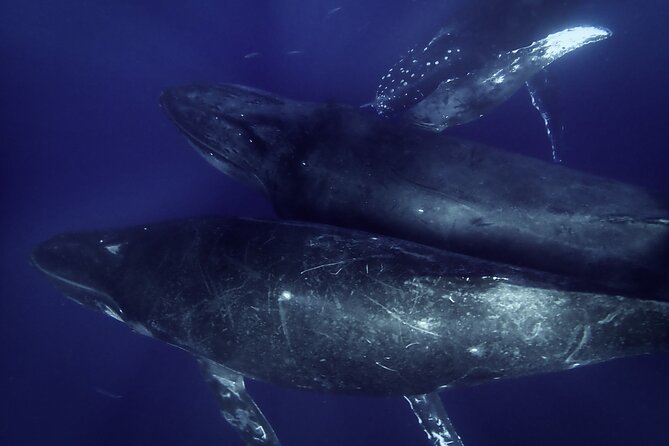
The tour is about 3 hours from start to finish. That’s a sweet spot for a whale kayaking outing. Long tours can be tiring, and short tours can feel rushed if you don’t happen upon whales quickly. Here, the timing is designed for a full morning loop: launch, search, viewing time when whales are around, and then back to the landing.
In the reviews, the best days sound like they have a good mix of action and calm. People describe whales being close enough to feel the moment, with behaviors like spouting and fluking, and some report breaches nearby. But even without a dramatic event, the “kayak view” itself is repeatedly praised as the core of the experience.
Because you’re paddling, the water time isn’t purely passive. You’re active, and that ties back to the fitness note. You don’t need to be an athlete, but you should be comfortable with moderate effort and being out on open water for a few focused hours.
Finding Humpbacks: When the Season Makes or Breaks Your Odds
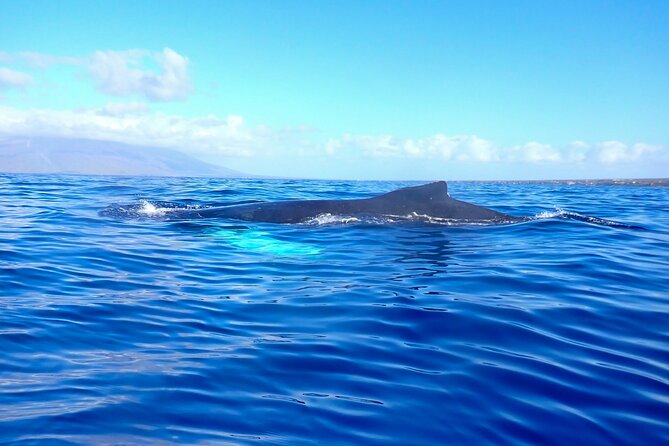
This Maui program is aimed at humpback whales during the migration season: mid-December to end of March. That timing is the whole game. If you book outside those months, you’re no longer targeting the whales reliably, and the trip would likely shift from “real whale focus” to “general marine wildlife time.”
Humpbacks don’t show up on command. But guides can do a lot with experience—especially in an area where humpbacks are frequently seen during the migration. The feedback you have here points to skilled whale searching and good judgment about where to be. People specifically mention getting close enough to see whales behaving naturally, not just appearing for a quick flash and then disappearing.
If you want the best odds, book when the whales are expected. And if you’re flexible, consider how you’ll handle a weather-dependent cancellation option (more on that in the FAQ). Whale trips are weather sensitive by nature.
You can also read our reviews of more tours and experiences in Maui






Whale Encounters That People Keep Calling Out
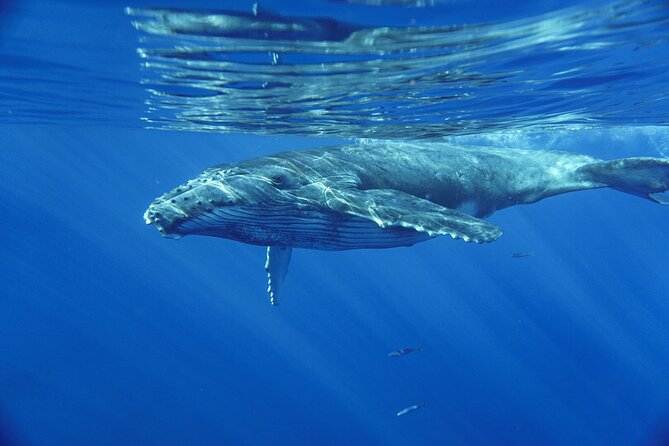
Let’s talk about what makes the encounters memorable, based on the strongest repeated themes.
1) The distance feels right
Several reviews stress that whales came close enough for an amazing experience, but nobody felt the distance was unsafe or scary. That lines up with what you want from a well-run wildlife kayak tour: close enough for wonder, managed enough for comfort.
2) You get multiple behaviors, not just one sighting
People mention spouting, fluking, raising heads, and fin movements. That matters because a “brief surfacing” can feel underwhelming. When the whales hang around long enough for more than one behavior, it turns into an actual encounter.
3) Breaches and group interactions can happen
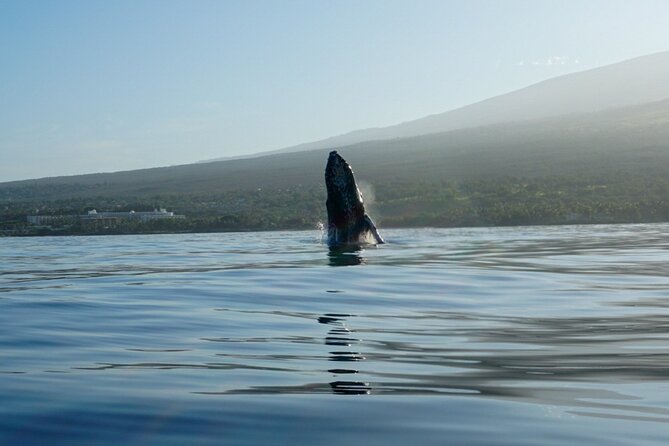
A couple of accounts mention breaches close by and even interactions between different groups of whales. Those are the moments that go beyond standard sightings and become stories you tell later.
4) Whale song is part of the experience
One of the coolest details in the reviews is hearing humpback song while out on the water. That’s a sensory upgrade from traditional whale watching, where you’re usually looking and listening in a muffled way from above the surface.
Photos, Water, and the Real Value of the $130 Price
The tour costs $130.00 per person, and that price makes sense when you look at what you’re buying. You’re paying for a guided, small-group morning on the water during peak whale season, with the guide actively locating whales and managing positioning for safety.
Included items are straightforward:
- Bottled water
- Digital photos available to purchase
Not included:
- Gratuity for guide
The photo piece is worth thinking about. If you’re the kind of person who loves to keep proof—especially when whales are close—it’s good to know digital photos exist. But since they’re an extra purchase, don’t count on them as included unless you’re ready to pay for the pictures you like.
Also, consider the “value” angle beyond the animal part. A guided experience with a max of 8 people is time and attention you’re buying. Reviews consistently mention guides like Chris and Kris as professional, skilled, kind, and safety-focused. That guidance is part of what protects your day from being just another time on the water.
What to Bring and How to Prepare (Without Guessing)
The details you have are limited, so I’ll keep this practical and only stick to what’s supported.
- You’ll get bottled water, so don’t worry about that part.
- You’ll use a mobile ticket, so make sure your phone can access it.
- You should have moderate physical fitness for paddling and being on the water for about 3 hours.
- Confirmation happens at booking, so you’ll want to keep an eye on your email or booking info when it arrives.
What you might find helpful, even if it’s not listed here: dressing for Maui morning conditions and water time. Early starts can feel cooler than you expect, and you’ll be outdoors for most of the trip.
Should You Book This If You’re New to Kayaking?
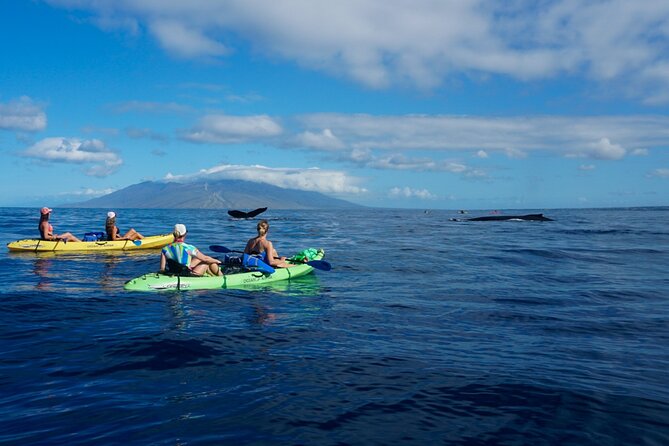
Based on the feedback, this trip is not only for seasoned paddlers. People describe the experience as exciting yet relaxing, and some call it a great adventure even for a novice. That doesn’t mean it’s effortless, but it suggests the guide support and safety approach can work for beginners who meet the moderate fitness requirement.
The best mindset: treat it as a guided nature outing, not a technical kayaking class. If you show up willing to follow instructions and maintain basic paddling effort, the experience should click for you.
And if you’re more experienced, the small-group format can still be satisfying. You won’t feel lost in a crowd or rushed by a rigid schedule. You’re there to watch whales from a moving viewpoint.
Best Fit: Who Will Love This Most?
This is a strong match for:
- People who want whale watching that feels personal and close to the surface
- Families and couples who want a memorable Maui highlight during peak season
- Anyone who cares about safety and respectful wildlife viewing (the guide approach is a repeated theme)
It may not be ideal for:
- Anyone who’s not comfortable with moderate physical effort on the water
- People who dislike early mornings, since the start time is 7:00 am
- Those who require certainty. Whale encounters depend on nature, not schedules
Should You Book This Kayak and Whale Watching Tour?
If you’re choosing one Maui activity that leans hard into nature and real animal behavior, this one is easy to take seriously. The combination of small group size, season timing (mid-Dec to end of March), and repeatedly praised guide skill (Chris and Kris are specifically named) is exactly what turns a whale trip from a nice day into a standout one.
Book it if:
- you can make the 7:00 am start,
- you can handle moderate physical fitness on a kayak,
- and you want whales up close from water level, including the chance of hearing song.
Skip it if:
- you’re looking for a low-effort, fully passive activity,
- or you’re traveling outside the migration window when humpbacks are the target.
FAQ
FAQ
When does this Maui whale kayaking tour run?
The humpback whale season targeted by this experience is mid-December through the end of March.
Where is the meeting point and what time does it start?
You meet at Makena Landing Park, 5083 Makena Rd, Kihei, HI 96753. The start time is 7:00 am, and the tour ends back at the same meeting point.
How long is the tour?
It runs for about 3 hours.
How many people are on the tour?
The maximum group size is 8 travelers.
What is included in the price, and what is not?
Included: bottled water and digital photos that you can purchase. Not included: gratuity for the guide.
What happens if weather is bad?
This experience requires good weather. If it’s canceled due to poor weather, you’ll be offered a different date or a full refund. You can also cancel for a full refund up to 24 hours in advance.