REVIEW · MAUI
Maui: Ultimate Whale Watch from Lahaina
Book on Viator →Operated by Ultimate Whale Watch & Snorkel · Bookable on Viator
Wild whales in Maui happen fast.
This small-group whale watch from Lahaina Harbor puts you on a low raft for easier viewing and often closer encounters, with a crew that’s clearly into what they do. I especially like the on-board hydrophone, because hearing whale calls adds a whole extra layer beyond just spotting fins in the distance. One consideration: water can get choppy, and this is an open-ocean outing, so you’ll want to dress for wind and expect some motion.
Two hours like this is great value. For $77, you’re not just buying time on a boat—you’re getting a tight group (up to 28), bottled water served in an eco way (a purified-water dispenser, not single-use plastic), and a plan that keeps you searching rather than idling. A possible downside to keep in mind: seating can feel a bit close, and while operators describe every seat as a front-row view, comfort for photos may vary by where you end up.
In This Review
- Key things that make this whale watch worth it
- Maui whale magic starts with Lahaina Harbor
- From check-in to your seat along the water
- Out on the water: how the hydrophone changes everything
- What you’re likely to spot: humpbacks plus dolphins
- 1.5 hours vs 2 hours: which duration is right?
- What happens if you don’t see whales
- Comfort, seasickness, and what to bring
- Price and value: what $77 buys you on Maui
- Who this tour suits best (and who should reconsider)
- Final call: should you book this Maui whale watch?
- FAQ
- How long is the Maui whale watch from Lahaina?
- How much does the tour cost?
- Where do I meet for the tour?
- Do they provide bottled water?
- Is the tour offered in English?
- Is this a small group tour?
- Can I use a mobile ticket?
- Is there a whale-sighting guarantee?
- What if weather is bad?
- Are service animals allowed, and are there age or pregnancy restrictions?
Key things that make this whale watch worth it
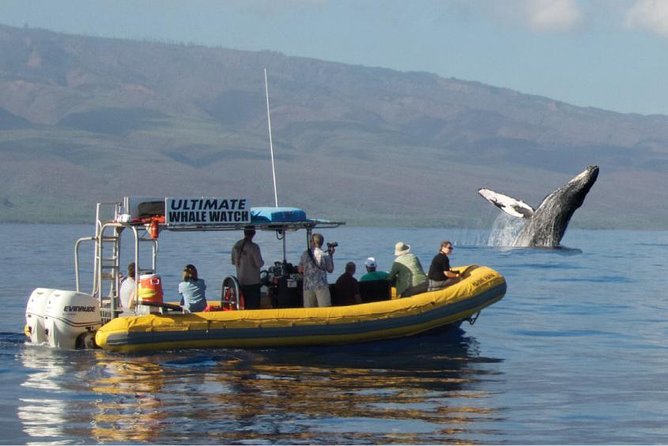
- Low-to-the-water raft for better sightlines on whales and dolphins
- Hydrophone on board so you can listen to whale songs during the search
- Small group size (max 28) for a less chaotic, more personal feel
- Bottled water provided with purified dispenser instead of plastic bottles
- If whales don’t happen, you can take another trip at no extra charge (per the tour’s promise)
- Crew-led scouting that often results in multiple whale behaviors, not just one quick sighting
Maui whale magic starts with Lahaina Harbor
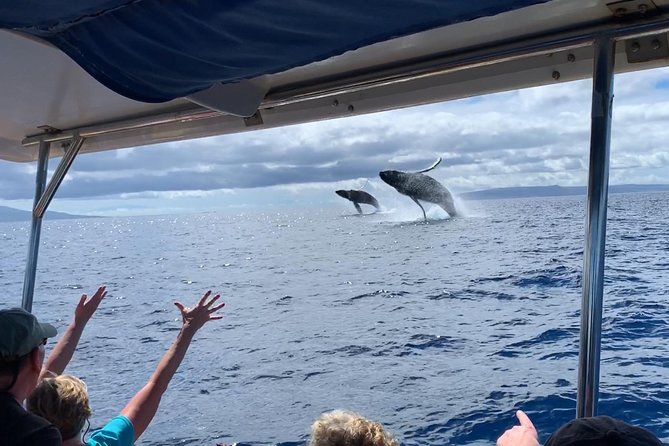
Maui’s Pacific coastline is where humpbacks funnel through during whale season. Lahaina is one of the easiest places to get on the water, and that matters because whale time is whale time. You want to be close to the action early, and you want a crew that can reposition quickly when the activity shifts.
This tour is built around that reality. You’re leaving from 1229 Front St, Lahaina, and instead of feeling like you’re stuck on a big, slow-moving platform, the low rafting-style boat is designed for close encounters and better viewing angles. That’s the kind of practical difference you feel right away once you’re out there—less craning, fewer “wait for the whale to circle back” moments, and more time watching actual behavior.
You can also read our reviews of more whale watching tours in Maui


From check-in to your seat along the water
Getting on board is part of the experience, and this one aims to keep it simple. You’re using a mobile ticket, and you’ll meet at Lahaina Harbor before heading out. The whole point of the small-group raft is that the captain can bring you toward whales without turning your trip into a long, slow shuffle.
Now, the seat reality. The company describes every seat as a front-row setup because the seating sits along the waterline. In practice, you may still notice differences in comfort and photo angles depending on your exact row. In one case, a passenger felt the arrangement was more school-bus like than truly spread for easy shooting. That doesn’t mean the whale viewing is bad—it means you’ll have the best experience if you show up early and aim for the most stable vantage point with the least obstruction.
Also keep expectations realistic about sound and safety. The tour uses a hydrophone, but it’s still an outdoor boat ride in real ocean noise. If you’re someone who struggles to hear instructions over wind, plan to keep your attention forward and assume you won’t hear everything perfectly.
Out on the water: how the hydrophone changes everything
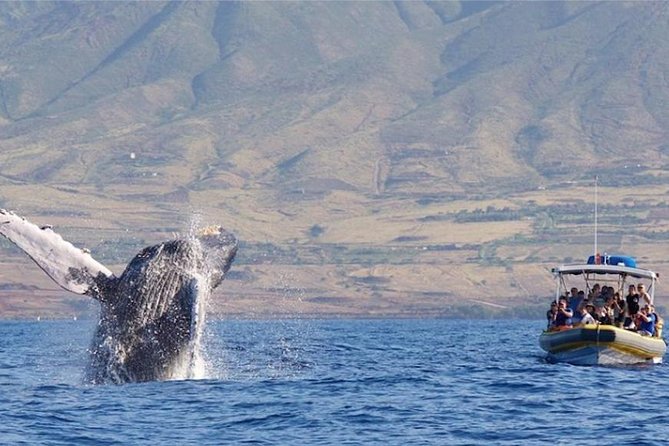
Once the boat leaves Lahaina Harbor, the search begins right away. This is where the smaller boat can shine. A raft-style vessel can change position fast when the whales surface in a new spot, and that quick repositioning often leads to more than one type of whale behavior in a single trip.
The standout extra is the hydrophone. As you watch for humpbacks, you also get the option to listen to whale songs through the onboard system. That’s not just a nice add-on. Seeing whales is visual; hearing calls makes the ocean feel alive and connected. Even if you can’t identify every sound the way a marine biologist would, it still helps you understand that what you’re witnessing isn’t random splashing—it’s communication.
From what you’ll experience during the ride, the crew will also explain what you’re seeing—how humpbacks move, what breaching often signals, and why the whales’ timing can be everything. Reviews specifically call out naturalists and captains who share behavior details while still keeping a respectful distance from the animals. Names that show up in customer reports include Captain Jill and her crew, plus guides like Lauren and naturalists such as Kat/Cat, Charlie, and others. You can’t guarantee the exact crew, but the consistent theme is clear: the captain and first mate focus on both finding whales and making sure you understand what you’re seeing.
What you’re likely to spot: humpbacks plus dolphins
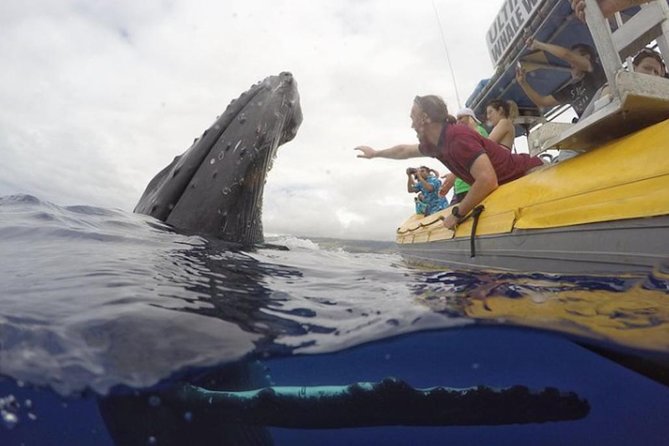
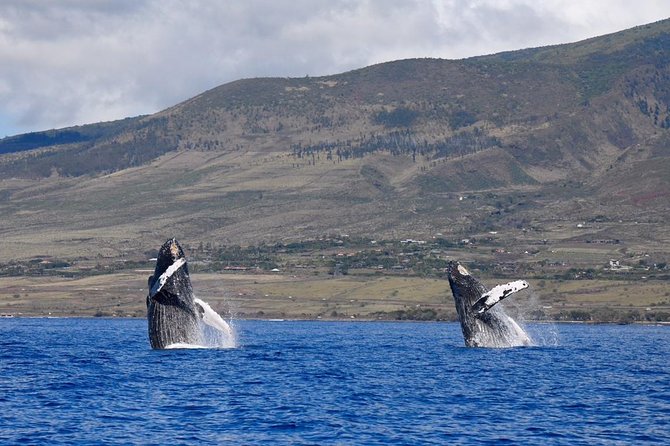
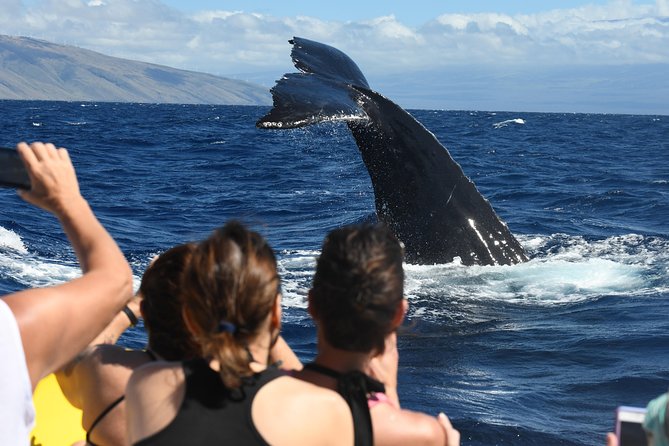
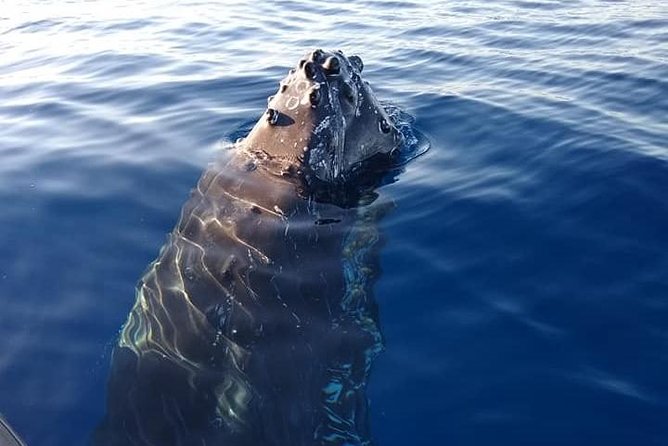
The main event is humpback whales, and this tour is set up for close encounters within legal limits. When whales come up near the boat, you may see the classic behaviors:
- breaching (jumping high out of the water)
- flipper and tail slaps
- close passes under or near the raft
Many of the strongest reviews point to whales swimming under the boat and putting on a show with breeches and flapping. That can happen for a reason: humpbacks often travel in patterns, and if the crew finds a pod that’s active that day, you get a longer window of watching.
And it’s not always whales alone. This trip also commonly includes dolphins, including reports of spinner dolphins. The best part? Dolphins don’t just appear and disappear like a quick dot on the horizon. When they’re active, they’ll often put on their own kind of show—speeding, twisting, and surfacing close enough for you to feel like you’re in the same movie as the animals.
1.5 hours vs 2 hours: which duration is right?
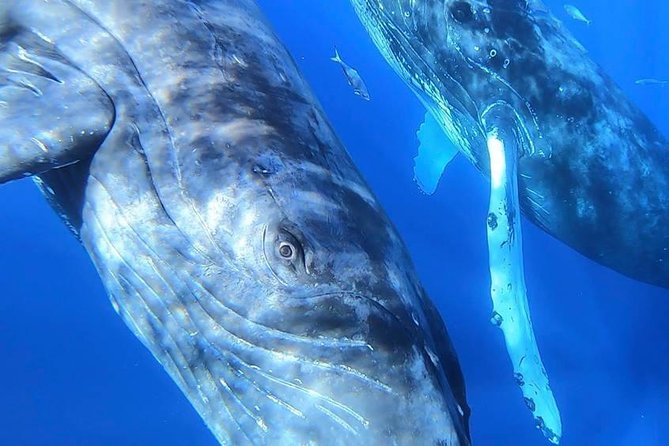
You’ll choose between a 1.5-hour option and a 2-hour option. Both are short enough to feel efficient, but the extra time matters when the whales decide to be stingy with their timing.
A 2-hour schedule tends to give you more chances for the whales to surface repeatedly and for the boat to reposition if the activity changes. That can translate into more behaviors in one outing—like moving from a distant surfacing to a closer pass, or going from “a whale sighting” to “whales interacting.”
If you’re on a tight itinerary, the 1.5-hour tour can still be a solid pick, especially if you can arrive early and you’re not easily frustrated by the natural unpredictability of ocean wildlife. But if you want the highest chance of an extended show, lean into the 2-hour option when you can.






What happens if you don’t see whales
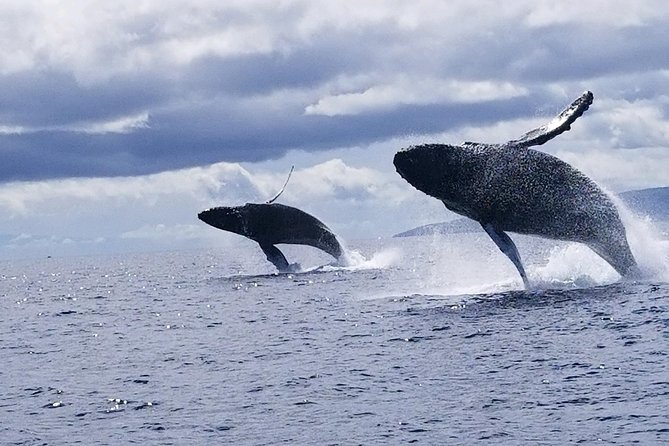
This is one of the reasons I like this type of tour setup: it recognizes that nature doesn’t run on schedules.
The tour’s promise is that if you don’t see whales on the day of your outing, you’ll be invited to take another trip at no extra charge. That’s huge for peace of mind, because whale watching isn’t a performance you control. It’s a weather-and-migration reality.
Also note that the experience requires good weather, and if conditions are poor, you’ll be offered a different date or a full refund. In other words, you’re not just gambling and hoping.
Comfort, seasickness, and what to bring
Even in the best setup, you’re still on open water. Some people will feel the swell more than others, and a smaller boat can make motion more noticeable. If you’re prone to seasickness, plan ahead. Bring what works for you—motion-sickness meds if you use them, or simple solutions like staying seated where you feel least wobble and keeping your gaze on the horizon.
A few practical tips that will make your life easier:
- Bring a camera with a fast burst mode, since breaching and tail slaps don’t wait for your settings.
- Dress in layers. Wind at sea can feel colder than you expect from the harbor.
- Don’t forget sunglasses if it’s bright. You’ll be looking up and out for a lot of the ride.
On the photo side, if you end up in a tighter seat section, you might find framing is a bit more fiddly. Showing up early helps, but it’s also smart to accept that you’re capturing whales from a moving platform—your goal is sharp moments, not perfect studio shots.
Price and value: what $77 buys you on Maui
$77 sounds straightforward, but value depends on what’s included and how likely the experience is to be satisfying.
Here’s what you’re getting for your money:
- A small-group raft with better viewing angles than large high-sided boats
- Bottled water provided, with purified dispenser service to avoid plastic bottles
- Hydrophone access for whale songs
- A crew approach that tries to maximize whale encounters rather than just ticking a box
Then there’s the big value lever: rebooking at no extra charge if whales don’t show. That’s not free luck—that’s the operator backing up the experience.
Compared with whale watches that feel like a cattle-car ride, this one tends to feel more nimble and personal. You’re paying for the blend of boat type, time on the water, and the crew focus. If your priority is truly seeing whales and learning what you’re looking at, this style can be money well spent.
Who this tour suits best (and who should reconsider)
This tour fits best if you want:
- close views on a small boat
- more hands-on interpretation from the crew
- a high chance of seeing both whales and dolphins
- a short, focused excursion without the long onboard wait
It’s also designed for most travelers, and service animals are allowed. There are a few limits to note. The tour doesn’t take guests who are pregnant, and children under 3 years old can’t participate. If you fall into either group, you’ll need a different Maui whale-watch option.
And if you’re traveling with a group, the small size (maximum 28) is part of the appeal. Less crowding means less jostling for sightlines and less time watching people block your view.
Final call: should you book this Maui whale watch?
I’d book it if your must-do is a whale watch that feels close, fast-moving, and human-sized. The combination of low-to-water seating, the hydrophone for whale songs, and the “try again if whales don’t happen” promise makes it feel like a serious whale hunt—not a casual cruise.
I’d think twice if you’re very sensitive to ocean motion or you want lots of spacious, camera-friendly room at every seat. Also, if you’re hoping to hear every safety briefing perfectly over the sound of waves, plan to keep your attention up-front and be ready that the environment can be loud.
If you can handle some sea weather and you like the idea of listening to whale calls while you scan the water, this is a strong pick for your Maui time.
FAQ
How long is the Maui whale watch from Lahaina?
The duration is about 1 hour 45 minutes to 2 hours 10 minutes, depending on the option you select.
How much does the tour cost?
The price is $77.00 per person.
Where do I meet for the tour?
You meet at 1229 Front St, Lahaina, HI 96761, USA.
Do they provide bottled water?
Yes. Bottled water is provided, and because the operator is eco-friendly, purified water is available in an igloo-style dispenser instead of plastic bottles.
Is the tour offered in English?
Yes, the tour is offered in English.
Is this a small group tour?
Yes. The experience has a maximum of 28 travelers.
Can I use a mobile ticket?
Yes. The tour includes a mobile ticket.
Is there a whale-sighting guarantee?
The tour states that if you don’t see any whales on the day of your adventure, you’ll be invited to take another trip at no extra charge.
What if weather is bad?
This experience requires good weather. If it’s canceled due to poor weather, you’ll be offered a different date or a full refund.
Are service animals allowed, and are there age or pregnancy restrictions?
Service animals are allowed. Children under 3 years old can’t participate, and the operator is unable to take guests who are pregnant.