REVIEW · MAUI
Best Haleakala Downhill Self-Guided Bike Tour with Maui Sunriders
Book on Viator →Operated by Maui Sunriders Bike Co. · Bookable on Viator
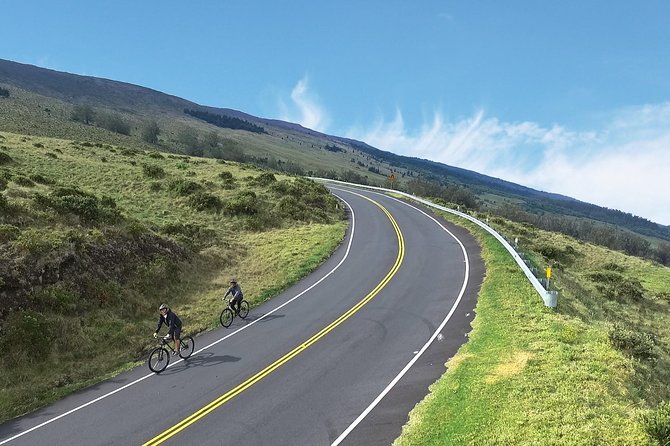
Haleakala by bike feels like flying low. This self-guided downhill starts at 6,500 ft and lets you choose your own pace on the switchbacks, with roadside help available as you coast down.
I love the practical gear and bike care. You roll out with helmets and full weather coverage, plus bikes that are tuned every day by in-house mechanics.
One thing to know up front: the ride is in segments, so you may spend more time in the van than you expected, especially around Kula and in areas affected by road work.
In This Review
- Key highlights at a glance
- The real vibe: a self-guided Haleakala descent, not a footrace
- Price and what you’re really paying for at $139
- Getting started in Paia: where the day begins
- Stop 1: 6,500 ft staging on Haleakalā and the first switchbacks
- Stop 2: Kula from the shuttle—pretty scenery, limited riding
- Stop 3: Makawao, paniolo country, and an easy lunch window
- Stop 4: Paia finish and North Shore wandering
- Bikes, helmets, and the morning-cold reality
- Safety, roadside help, and how the vans keep you sane
- Self-guided pace: best for families, first-timers, and photo people
- What can disappoint: split segments and expectations mismatch
- Best time to go, and what to pack beyond the included gear
- Who should book Maui Sunriders for Haleakala?
- Should you book this one?
- FAQ
- What time does the Haleakala downhill bike tour start?
- How long is the tour?
- Where do we meet, and where does the tour end?
- Is the ride self-guided?
- What bike and safety gear are included?
- Do you provide a lock or route map?
- Will I ride the whole route from the summit to the end?
- What stops are included during the day?
- What happens if the weather is bad?
- Can I get a full refund if I cancel?
Key highlights at a glance
- A self-guided route with your pace in control
- Roadside assistance and organized van support
- Daily bike tuning by in-house mechanics
- Full kit included: helmet, wind/rain jacket, pants, gloves
- Stops that actually help your day: Kula, Makawao, then Paia
- Not a pure summit-to-bottom bike-only run—expect split riding segments
The real vibe: a self-guided Haleakala descent, not a footrace
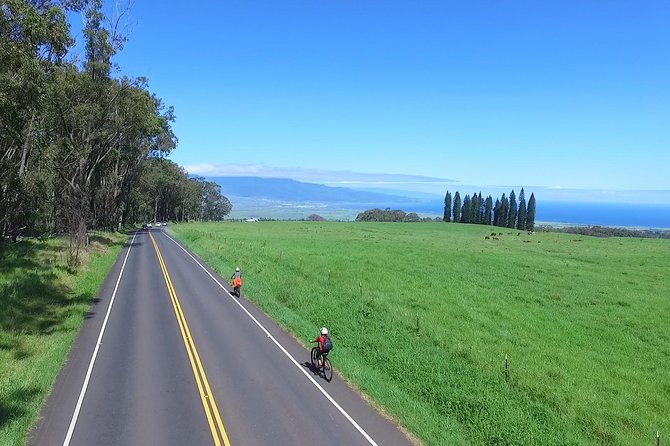
This tour is built for people who want big volcano views but don’t want to ride like they’re training for a race. You start high, then coast downhill while you decide when to pause for photos or to catch your breath. That matters on Haleakala, because the grade is steep and the air changes fast as you drop in elevation.
You’ll also feel the difference between a “guided lecture” and a “guided route.” The team supports you with a briefing, route map, and help along the way, but you’re not stuck riding nose-to-tail the whole time. It’s a nice middle ground for couples, families, and first-timers.
The big trade-off is that the day is not one continuous bike ride from top to finish. It’s split into parts, with van time in between. You still get a fun downhill day, but if you’re expecting a single uninterrupted descent, adjust your expectations early.
You can also read our reviews of more cycling tours in Maui
Price and what you’re really paying for at $139
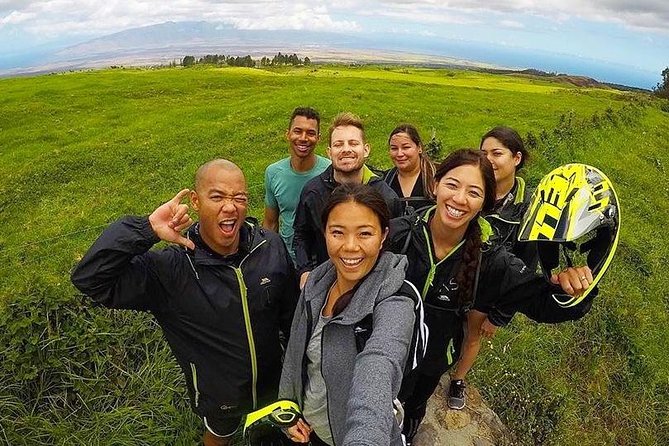
At $139 per person, you’re paying for more than a bike rental. You’re paying for a full downhill operation: the drive up, the staging at high elevation, tuned mountain bikes, safety gear, a route map, and ongoing assistance if something goes wrong.
You also get value in how the bikes are maintained. This isn’t “we charged you, good luck.” Bikes are tuned every day by in-house mechanics, and the operator runs three full-service bike shops with USA Cycling and BICP certified coaches. That’s a big deal when you’re descending a steep volcano road, where brakes and tires need to be right.
One more hidden value point: you’re not left to figure out timing, where to stop, or how the day flows. The structure gives you freedom, but it keeps the logistics from eating your whole morning.
Getting started in Paia: where the day begins
The meeting point is Maui Sunriders Bike Co at 71 Baldwin Ave Suite D3, Paia, HI 96779. The start time is 8:45 am, and the tour typically runs about 4 to 5 hours.
If you’re driving, plan for parking around the shop. Parking in front of the shop costs about $15 via credit card only, though there’s a free public Paia lot you can use instead. That’s one of those details that can save stress later.
The tour uses a mobile ticket, and it’s offered in English. It’s also limited to a maximum of 30 travelers, which helps keep the experience organized without feeling like a cattle-call.
Stop 1: 6,500 ft staging on Haleakalā and the first switchbacks
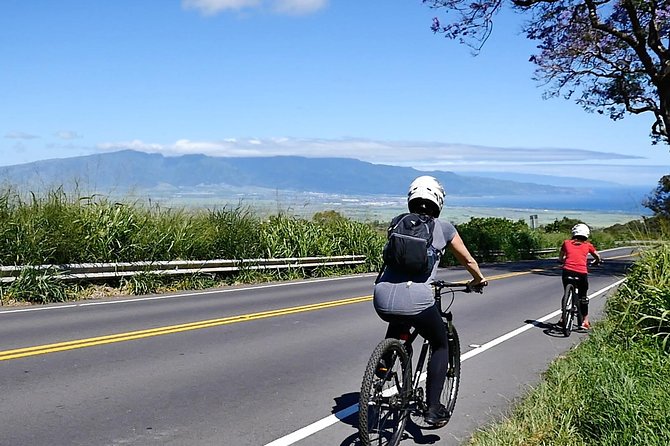
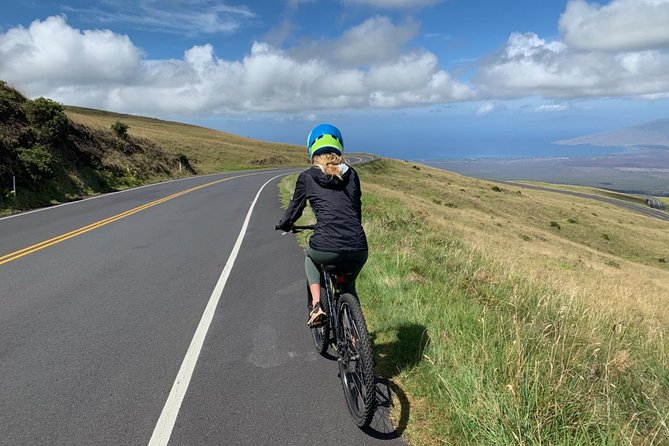
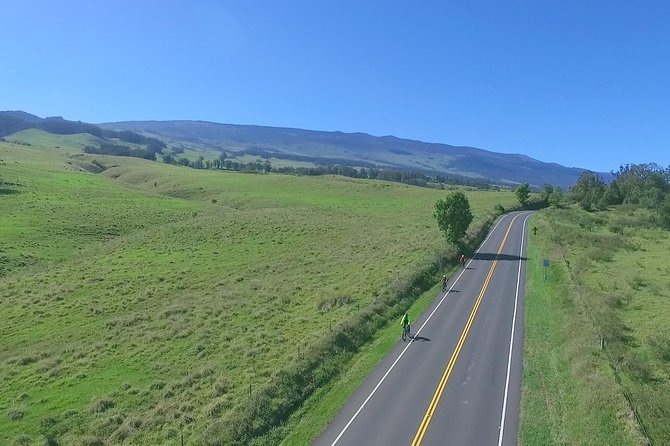
Your action starts at the staging area around 6,500 feet, the height where operators begin rides. From here, you ride the upper switchbacks on a self-guided downhill.
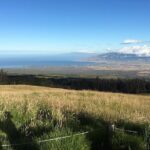
This is the part that feels most like the classic Haleakala bike dream: high elevation, wide views when the weather cooperates, and that rolling sensation as the grade carries you down. It’s also where you’ll notice why they include gear. Morning starts can be chilly, and wind can cut through even if the sun is out.
What I like here is the balance. You get the thrill without needing to keep up with a faster group. Riders from 67–68 years old have said the experience felt manageable, and families have also loved it—so long as you’re comfortable biking downhill safely.
Stop 2: Kula from the shuttle—pretty scenery, limited riding
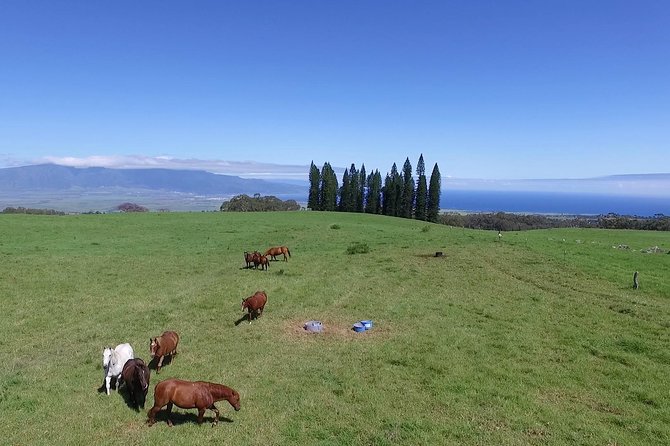
Kula is roughly at 3,200 feet on the western slopes of Haleakala. You’ll spend about 15 minutes there, and you’ll see it as part of the day’s flow from the van/shuttle.
Here’s the practical consideration: the ride is not a continuous “top to bottom.” Kula is one of the places where you may not get a long bike-only section. The upside is you still get the look at Kula’s community and the change in scenery as you descend; the downside is you might feel like you’re waiting in the van for the next segment.
If your goal is maximum time on the bike, set your expectations around split riding segments. If your goal is getting the volcano experience without overtaxing yourself, the Kula stop makes sense as part of a paced day.
You can also read our reviews of more guided tours in Maui
Stop 3: Makawao, paniolo country, and an easy lunch window
Makawao is where the day turns more social and less purely about the descent. You enter a small town with strong paniolo (Hawaiian cowboy) traditions, and it also has a flourishing arts community feel. It’s a great contrast after the volcanic slopes.
You get about one hour here. That’s enough time to grab lunch, browse shops or galleries, and take your time without feeling rushed. This stop also helps the day feel complete. Instead of just bike, finish, gone, you get a real town break with history and local flavor.
A drawback to consider: if you’re the type who only wants downhill time, you might think the hour is “break time.” But it’s also the best way to make this more than a thrill ride. Makawao gives you that laid-back Hawaiian small-town pace.
Stop 4: Paia finish and North Shore wandering
Your ride ends back at the bike shop in downtown Paia. You’ll have about one hour after you return your bike to explore.
Paia is a fun finish because it’s built for casual wandering: art galleries, specialty gift shops, and beach attire, with plenty of places to grab a meal. Food choices can range from casual to high-end. Paia Fish Market is a solid, easier option, and Mama’s Fish House is the famous one—though reservations typically need to be made 3–6 months in advance.
This is where the day stops being only about biking and becomes a North Shore mini-holiday. If you want sun + salt air after all that altitude, Paia is a smart landing spot.
Bikes, helmets, and the morning-cold reality
One of the biggest reasons people love this tour is that it feels set up for real riders, not just athletic riders. You get a mountain bike with front suspension and disc brakes, and the bikes are tuned daily by mechanics. That’s what keeps the downhill safe and fun.
Helmet policy is flexible. You’ll be given a full-face mountain bike helmet for ultimate protection, or a regular helmet depending on how advanced your cycling experience is.
You also get a kit that a lot of tours skip:
- Wind/rain jacket
- Pants
- Bike gloves
- Dakine backpack with a bike lock and route map
That glove/jacket detail is not small. One common tip from riders is to bring warm layers for morning rides, and you’ll likely appreciate the included protection as you start high and drop into different temperatures.
Also, there’s a rider weight limit. Bike manufacturers recommend a maximum weight of 300 lbs.
Safety, roadside help, and how the vans keep you sane
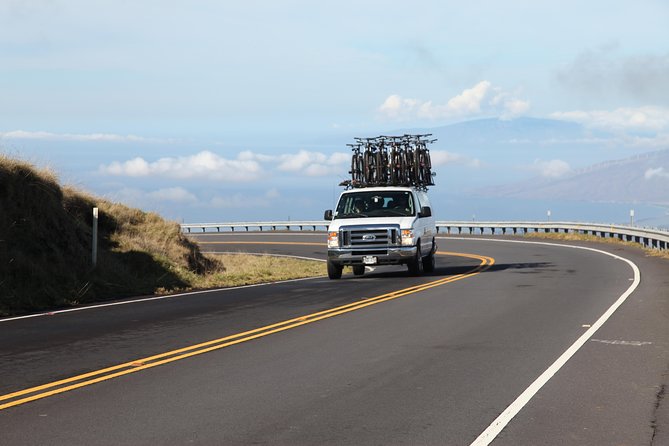
You’re not abandoned out there. The tour includes roadside assistance and a guided drive up to the 6,500 ft start.
There’s also coordinated support via vans. Riders have noted that the team uses a structure where help is close and no one is left behind, with staff in vehicles positioned so assistance is available without turning the whole ride into a slow parade.
The route can include hairpin turns and steep descents, so the briefing matters. Guides like Dane, Remy, Ron, Johnny, Roy, Matthias, and Matice have been praised for helping people feel comfortable and giving ride tips. Even if you’re nervous, the tone from the staff can make the difference between tensing up and actually enjoying the run.
Still, here’s the honest balance: if there’s road work, it can affect parts of the route. Some riders felt it reduced the amount of biking time and increased stress in certain sections. The staff can be excellent even when road conditions are out of their control.
Self-guided pace: best for families, first-timers, and photo people
The core appeal is control. You can ride at your pace, stop for photos when you want, and browse Makawao without sprinting between checkpoints.
This works especially well if:
- you have mixed experience levels in your group
- you want time to enjoy views rather than chase speed
- you’re biking for fun, not for training
One rider described it as laugh-out-loud fun and mentioned steering/coasting for most of the ride, with only a small amount of climbing effort. That matches the general downhill style here: you’re descending with some moments that demand attention, not pushing hard uphill for long stretches.
If you’re a super confident advanced cyclist, you might want a longer continuous downhill. But many riders have still said the setup works for various ages and ability levels.
What can disappoint: split segments and expectations mismatch
The most common “watch out” theme is simple: you don’t ride the entire route as one continuous bike descent from the highest point to Paia. The day is divided into segments, and you’ll load/unload bikes and spend time in the van.
Some riders described it as a shorter actual ride portion than expected, with the van travel taking up more time. Others said Kula is where biking is limited, due to local restrictions, and that’s part of why the ride isn’t one long run.
Road work can also change the experience. If you hit a day with heavy construction, expect detours and more time dealing with equipment and the road environment rather than pure switchbacks.
None of that ruins the tour for most people. It just means you should book with the mindset of a supported downhill adventure with town stops, not a one-shot summit-to-sea bike grind.
Best time to go, and what to pack beyond the included gear
This tour needs good weather. If weather cancels the ride, you’ll be offered another date or a full refund.
That matters because Haleakala conditions change fast. Even when weather is clear, mornings can be cooler at elevation. The good news is that the tour includes a wind/rain jacket and pants plus gloves. Still, I’d plan for layers under that kit if you run cold.
Also bring:
- closed-toe shoes you trust for biking
- a water bottle (the ride can be longer than you think once you add photos and breaks)
- sunscreen and sunglasses
If you’re traveling in a group, pack extra snacks for the Makawao hour. That stop can make or break how you feel about the whole day, and having something on hand keeps you from hunting down food when you’re tired.
Who should book Maui Sunriders for Haleakala?
Book this if you want:
- a self-guided downhill that still has roadside support
- a day built around major scenery plus real town time in Makawao and Paia
- bikes maintained daily by a team that knows brake safety on steep descents
- a manageable half-day plan that works for mixed groups
Consider skipping or choosing a different style of tour if:
- your top priority is maximum bike minutes with no van time
- you want an uninterrupted top-to-bottom ride
- road work or split segments would really irritate you
Should you book this one?
I’d book it for most first-timers and for families who want the Haleakala payoff without turning the day into a logistics headache. The daily-tuned bikes, safety support, and the freedom to ride your pace are exactly what make downhill biking enjoyable instead of exhausting.
If you’re the type who measures success in total hours on the handlebars, you may feel shorted if you hit road work or if your personal expectation is summit-to-bottom biking only. On the other hand, if you’re here for the views, the thrill, and a smooth transition into Makawao and Paia, this is a strong value at $139.
FAQ
What time does the Haleakala downhill bike tour start?
The start time is 8:45 am.
How long is the tour?
It runs about 4 to 5 hours.
Where do we meet, and where does the tour end?
You meet at Maui Sunriders Bike Co, 71 Baldwin Ave Suite D3, Paia, HI 96779. The tour ends back at the meeting point.
Is the ride self-guided?
Yes. You ride down self-guided on the upper and lower segments, with support available.
What bike and safety gear are included?
You get a mountain bike with front suspension and disc brakes, a helmet, wind/rain jacket, pants, and bike gloves.
Do you provide a lock or route map?
Yes. The Dakine backpack includes a bike lock and a route map.
Will I ride the whole route from the summit to the end?
The ride is described as happening on upper and lower segments of the volcano, so it’s not a single continuous top-to-bottom bike ride.
What stops are included during the day?
The tour includes stops at Haleakalā (staging at 6,500 ft), Kula, Makawao, and a finish in downtown Paia near the bike shop.
What happens if the weather is bad?
The tour requires good weather. If it’s canceled due to poor weather, you’ll be offered a different date or a full refund.
Can I get a full refund if I cancel?
Yes. You can cancel up to 24 hours in advance for a full refund. If you cancel less than 24 hours before the experience starts, the amount paid is not refunded.