REVIEW · MAUI
Macnut Tour, Picnic lunch and Maui Bees
Book on Viator →Operated by Epic Maui Hikes · Bookable on Viator
Macadamias and honey make this tour special. I loved the solar-powered nearly 1000-acre farm setting and the walking tour through the hydroponic greenhouse, with samples of honey and macadamia nuts. You’ll also sit down for a farm-to-table lunch that feels like part of the real work, not a tourist add-on. One possible drawback: it is a walking experience, so plan for some time on your feet in Maui’s sun.
This isn’t just a nut stop. You’ll see how sustainable and regenerative farming shows up on the ground, including greenhouse growing and a mix of fruit and tree crops like banana, dragon fruit, coconut, and macadamia. If you like learning how food systems actually work, you’ll enjoy it.
At $123.75 per person for about 2 hours, it’s not the cheapest thing you can do on Maui. Still, the value makes sense if you want hands-on tasting, a guided walk, and lunch included in a small, private-group format.
In This Review
- Key highlights you’ll care about
- Where this tour starts on Maui (and what that means for your day)
- The solar-powered farm: why it feels different from a typical “look and leave” tour
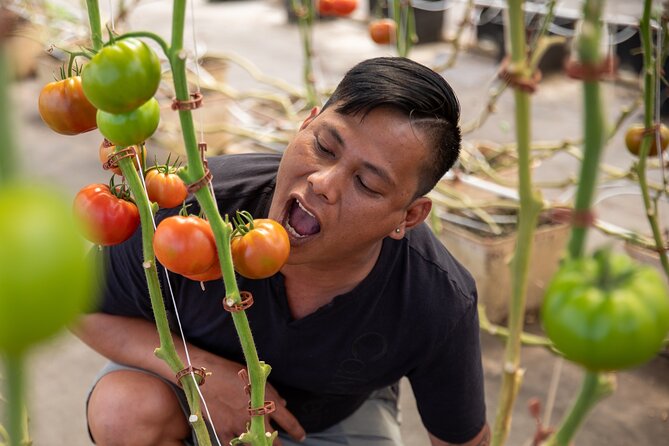
- The walking farm + hydroponic greenhouse: what you’ll actually see
- Maui Bees and the honey tasting moment
- The farm-to-table picnic lunch at the end
- What you take home: souvenirs and macadamias that actually taste like something
- Price and value: is $123.75 per person worth it?
- Pace, group size, and who this suits best
- Tips to make the most of your visit
- Should you book the Macnut Tour, Picnic Lunch and Maui Bees?
- FAQ
- How long is the Macnut Tour, Picnic Lunch and Maui Bees?
- Where do I meet for the tour?
- Is this tour private?
- What language is the tour offered in?
- Do you include samples and lunch?
- Are service animals allowed?
Key highlights you’ll care about
- Nearly 1000-acre solar-powered farm focused on sustainable and regenerative growing
- Walking farm and hydroponic greenhouse tour plus samples of honey and macadamia nuts
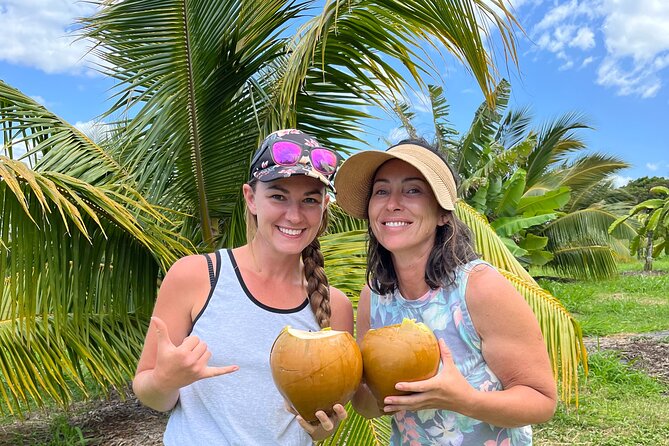
- Fruit-and-tree crop variety you can actually point at: banana, dragon fruit, coconut, macadamia
- Farm-to-table picnic lunch made from produce grown on site
- Souvenirs and a good helping of macadamia nuts to take home
- Private tour format so only your group participates
Where this tour starts on Maui (and what that means for your day)
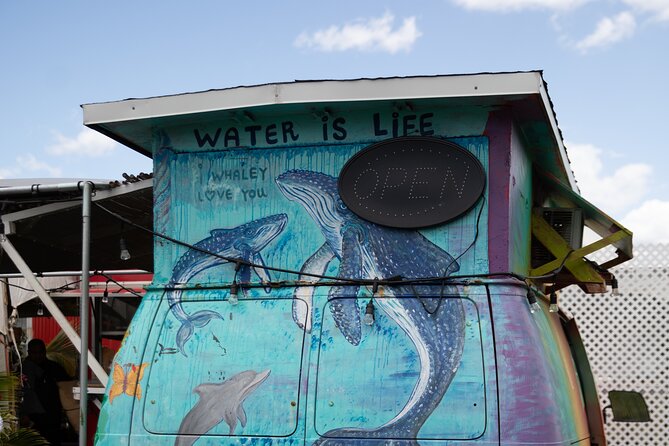
You meet at Ula’Ula Cafe, 1765 Kahekili Hwy, in Wailuku. That matters because it’s an easy anchor for planning the rest of your day—especially if you’re already doing Wailuku-side errands or heading out for other Maui sights after lunch.
The activity ends back at the meeting point. So you’re not stuck trying to figure out transport back later, or losing time to complicated routing. You’re also getting a “bookend” that feels simple: arrive, tour, lunch, go.
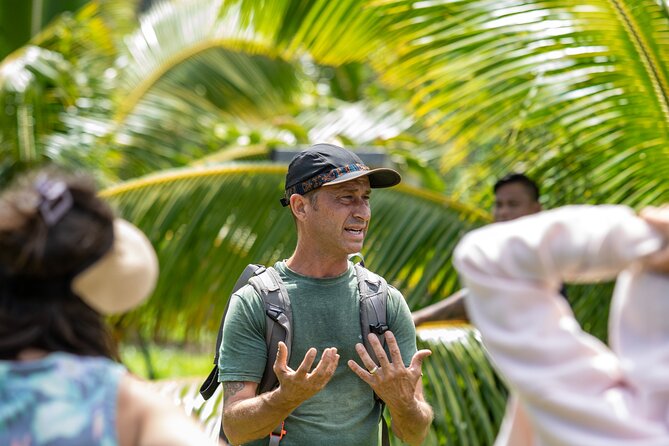
The tour is listed as private, meaning you’re not absorbed into a big cattle-call group. It’s just your group, with a guide and a pace that matches your questions. That’s a big deal for a farm tour, because people usually want to ask practical stuff—how things are grown, how the system stays sustainable, and what’s worth buying.
You can also read our reviews of more tours and experiences in Maui
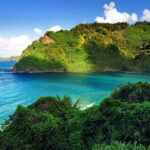

The solar-powered farm: why it feels different from a typical “look and leave” tour
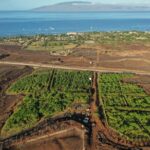
The farm is described as nearly 1000 acres and solar-powered, run by a team of environmental stewards. That set-up changes the mood of the visit. Instead of seeing a polished display garden and moving on, you’re walking through an operation that’s meant to work long-term—using regenerative methods and preservation-minded practices.
From the way people talk about the experience, the tour succeeds because it connects farm tech and farm philosophy. You learn how their approach supports quality macadamia nuts and other produce, not just how to grow plants in general.
If you’re the type who likes authenticity—seeing real infrastructure, not just photo stops—this is the kind of place that clicks. The grounds are described as well-maintained and impressive, and the overall feel is that the team cares about more than selling product. You’ll notice that in how the guide explains what you’re seeing.
The walking farm + hydroponic greenhouse: what you’ll actually see
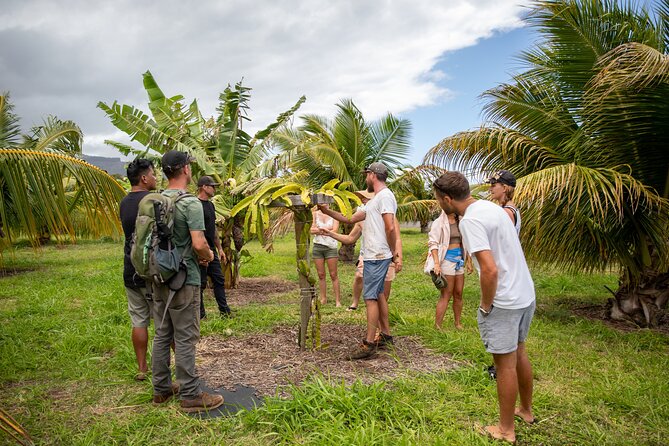
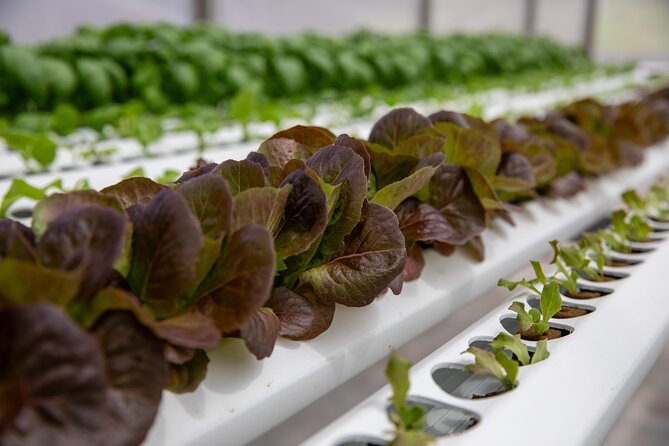
You’ll do a walking tour that includes both open-farm areas and a hydroponic greenhouse. That combination is worth it on Maui because it shows two sides of agriculture:
- outdoor growing that fits the island climate
- controlled growing where water, nutrients, and space are managed closely
In practical terms, the hydroponic greenhouse is where you’ll get the “modern farming meets local production” feeling. Then you’ll step back outside and see tree crops and fruits that make the farm feel like a living orchard rather than a single-crop operation.
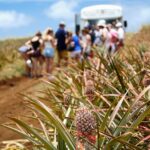
The tour also includes plant variety—banana, dragon fruit, coconut, and macadamia nut trees. Seeing several crops in one tour helps you understand why regenerative farming matters. It’s easier to get your head around the system when you’re not just staring at one plant the whole time.
And yes, you’ll get samples. You’re expected to try things like honey and macadamia nuts during the experience. That’s not just snack value; it turns the learning into something you can taste and remember.
Maui Bees and the honey tasting moment
The tour title includes Maui Bees, and you’ll encounter the bee side through honey sampling. Even if you’re not a “bee person,” honey can be a great entry point because it ties farming, pollination, and food production together.
In a short time, you’ll get a clearer picture of how their system supports what they grow. The honey sample acts like a quick reality check: you’re not just hearing about sustainability—you’re tasting one of the farm-linked products that comes out of it.
If you’re traveling with food lovers, this is a good moment to slow down and ask questions. Honey leads naturally into how pollination fits into farming cycles, and how the team thinks about preservation and regenerative methods.
The farm-to-table picnic lunch at the end
The biggest “you’ll be glad it’s included” part is lunch. You’ll finish the tour with a delicious farm-to-table meal, described as using fresh produce grown on site.
Multiple people specifically called out the lunch as a standout, including someone recommending the fried rice with kalua pork. That tells me the meal isn’t a sad afterthought. It’s a real kitchen using real ingredients, and it’s designed to match what you just learned about the farm.
The lunch also helps the tour feel complete. Two hours can fly by on a farm if you’re just walking and sampling. Food gives you a reset, plus it’s the easiest place to compare what you saw earlier with what you’re eating now.
One practical note: if you’re the type to skip lunch until you’re starving, don’t. The tour runs about 2 hours, and you’ll likely want your appetite ready for the picnic meal.




What you take home: souvenirs and macadamias that actually taste like something
You’ll leave with souvenirs and a good helping of macadamia nuts. That matters because the best farm tours end with a product that makes sense to buy—something you can connect to the time you spent there.
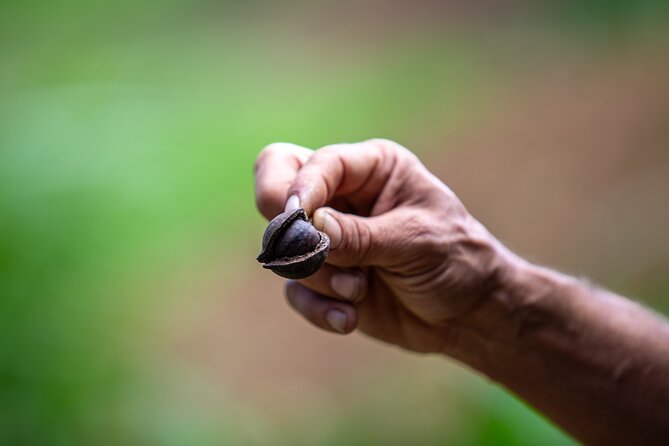
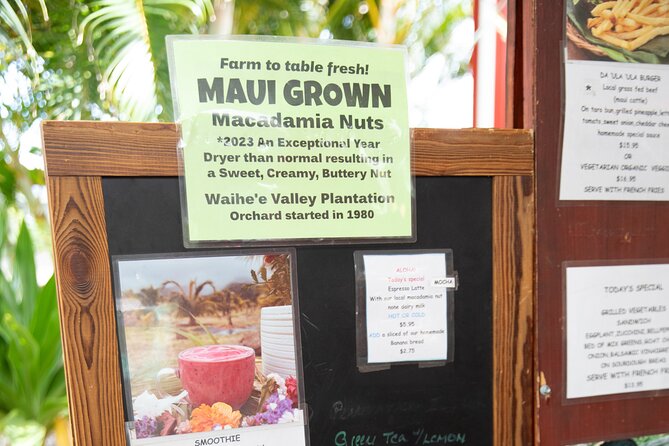
People repeatedly mention that the macadamia nuts taste creamy and are among the best they’ve had. They also mention the farm’s process being different—specifically that they do not use gas dryers in their process, and you can taste the difference.
While you don’t need to become a macadamia expert to enjoy this part, it’s a strong reason to buy. You’re getting more than a bag of snacks—you’re buying from the source and tying it back to how the nuts are handled after harvest.
Price and value: is $123.75 per person worth it?
At $123.75 per person for about 2 hours, you’re paying for a guided, private farm experience plus lunch and samples.
Here’s how I’d judge the value:
- You get a guided tour that covers both outdoor and hydroponic systems.
- You get taste tests (honey, macadamia nuts), not just visual viewing.
- You get a farm-to-table picnic lunch at the end.
- You’re taking home macadamia nuts and some souvenirs.
If you’re trying to keep Maui costs down, you might skip this. But if you want one well-organized “food + farming + agriculture” day that’s not just scenery, this is a solid spend. It’s also easier to justify when lunch is included, because you’re not paying a separate restaurant bill afterward.
And because it’s private and your pace can be comfortable, it tends to feel less like a production line.
Pace, group size, and who this suits best
This is listed as “most travelers can participate,” and the core is a walking farm and greenhouse tour. So it’s not described as an extreme hike, but you should still wear comfortable shoes and plan on being on your feet for the tour portion.
This is a great fit if you:
- enjoy agriculture, plants, and how food is grown
- want something different from the usual beach-and-shopping Maui routine
- travel with a group that appreciates learning without boredom
- want a more relaxed activity with lunch included
It may not be the best choice if you’re looking for big scenic overlooks or long adrenaline-style activities. This is a farm experience, so the reward is in food, plants, and systems—less in dramatic views.
Tips to make the most of your visit
You’ll get more out of the tour if you go in with a curious mindset. I’d do three simple things:
- Bring questions about how regenerative farming works in real practice.
- Pace yourself during the walk so you can actually look closely at plants and greenhouse setups.
- Save room for the lunch. The picnic portion is part of why this tour feels worth it.
Also, since it’s a farm setting and you’ll be tasting products, keep your expectations realistic. You’re not touring a museum behind glass. You’re walking through a working farm where the experience is built around learning and tasting.
Should you book the Macnut Tour, Picnic Lunch and Maui Bees?
I’d book it if you want a different Maui day that still feels grounded in place. The solar-powered farm, hydroponic greenhouse tour, honey and macadamia sampling, and a real farm-to-table lunch make it feel like a full experience rather than a quick stop.
I wouldn’t book it if you only want dramatic views or you hate any walking at all. Also, at $123.75, it’s a better choice when you’re confident you’ll enjoy food, plants, and sustainable farming explanations.
If you’re the type who likes to take home a story with your snacks, this one does that.
FAQ
How long is the Macnut Tour, Picnic Lunch and Maui Bees?
It runs for about 2 hours.
Where do I meet for the tour?
The meeting point is Ula’Ula Cafe, 1765 Kahekili Hwy, Wailuku, HI 96793, USA. The tour ends back at the same place.
Is this tour private?
Yes. It’s a private tour/activity, so only your group participates.
What language is the tour offered in?
The tour is offered in English.
Do you include samples and lunch?
Yes. You’ll join a walking farm and hydroponic greenhouse tour with samples (including honey and macadamia nut), and you’ll have a farm-to-table lunch afterward.
Are service animals allowed?
Yes. Service animals are allowed.