REVIEW · MAUI
Maui Surf Instruction 101 at Kalama Beach in Kihei
Book on Viator →Operated by South Pacific Kayaks & Outfitters · Bookable on Viator
First wave jitters fade fast at Kalama Beach. This small-group Maui surf lesson gives you real face-time with a certified instructor, plus time in the water at a beginner-friendly Kihei spot called The Cove.
I love that you get a soft surfboard and the full skin-and-foot protection setup (rash guard and neoprene booties). One consideration: this is an outdoor activity, so water conditions and schedule changes can happen if conditions don’t cooperate.
In This Review
- Key things to know before you go
- Why Kalama Beach and The Cove Work for First-Time Surfers
- What Happens in the 2 Hours: From Gear Up to Your First Waves
- Small-Group Coaching (Max 12) vs Private Lessons
- Safety Briefing and Surf Etiquette in Real Ocean Conditions
- What You Actually Use: Soft Boards, Rash Guards, and Booties
- The Lesson Flow in the Water: How Beginners Start Standing
- Meeting Up Near 1965 S Kihei Rd: Spot the Team Fast
- The Photo Package: A Memory You’ll Want (and a Cost You Should Plan For)
- What to Bring (and What You Can Skip)
- Value for $108.03: When This Lesson Makes Sense
- Who Should Book Maui Surf Instruction 101 at Kalama Beach
- Should You Book This Surf Lesson?
- FAQ
- How long is Maui Surf Instruction 101?
- Where does the lesson start and end?
- What surf equipment is included?
- Is the lesson good for beginners?
- What is the maximum group size?
- Is hotel pickup included?
- Are there private lessons available?
- What is the cancellation policy?
- Is there a photo option after the lesson?
Key things to know before you go
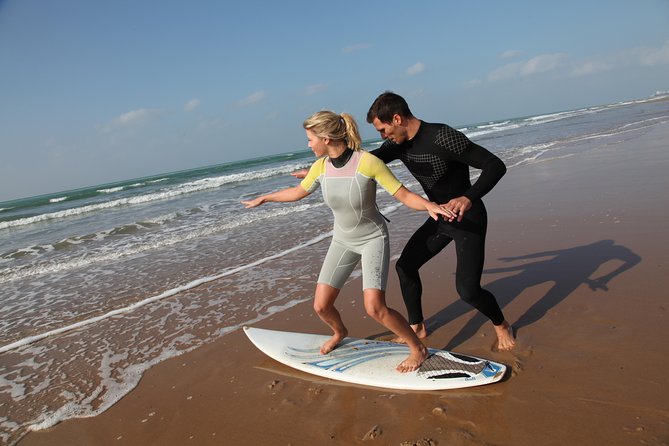
- Small group, max 12: more personal coaching than the huge-crew style lessons.
- Soft-top boards for beginners: wider, steadier boards make the first stands more likely.
- Rash guard and booties included: you don’t have to show up dressed for a surf gear scavenger hunt.
- Certified safety standards: instructors are CPR and first aid certified.
- Beginner flow at The Cove: you’ll learn safety and etiquette on shore, then paddle out.
- Photos are an add-on: you can buy a photo/video package after the session, and prices can be steep.
Why Kalama Beach and The Cove Work for First-Time Surfers
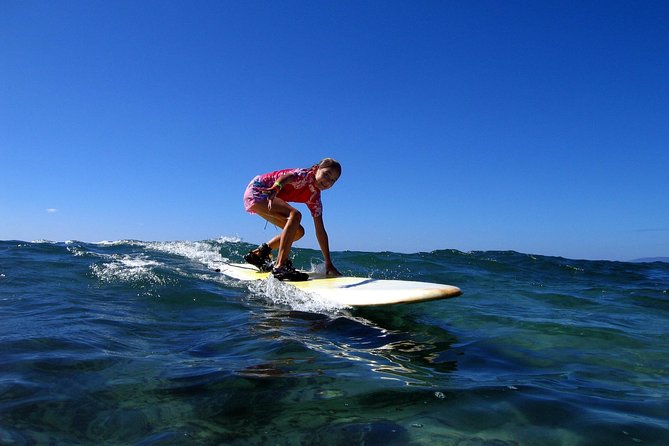
Kihei’s coastline at Kalama Beach is one of those places where beginners get a fair shot. The lesson focuses on learning in a spot locals associate with easier, more forgiving conditions at The Cove—the kind of surf that helps you practice paddling, timing, and balance without needing perfect expert-level wave shapes.
That matters because surfing success isn’t just about courage. It’s about repetition in the right water. With the right wave conditions, you spend more time doing the thing (standing and riding) and less time watching the lesson slip away while you’re stuck waiting for something workable.
Also, Kalama Beach can be busy. Even when the surf is beginner-friendly, you’re still joining real ocean traffic. The best lessons teach you how to act in that lineup, not just how to pop up on a board. That’s exactly the vibe here.
You can also read our reviews of more tours and experiences in Maui.



What Happens in the 2 Hours: From Gear Up to Your First Waves
Plan for about 2 hours, and expect most of that time in the water. A number of families in past sessions talk about getting on the board quickly—think short land time for basics, then right into paddling and catching.
Here’s the typical rhythm you should expect:
1) A short start with gear and instructions
2) A safety briefing on shore (how to move around, basic technique, and ocean etiquette)
3) Paddling out and practicing with guided feedback
This setup is great if you’re visiting Maui with limited time. You’re not booking a half-day “maybe you surf” class. You’re booking instruction designed to get you riding, even if it’s your first time.
One more practical note: even with neoprene booties and a soft board, ocean time is still ocean time. If you’re taking kids, build in the rest-of-the-day recovery. Scrapes and sore muscles happen.
Small-Group Coaching (Max 12) vs Private Lessons
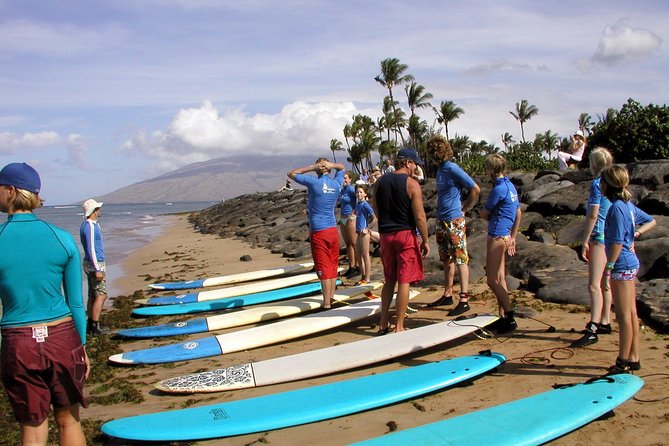
One of the biggest value points is the maximum 12-person group size. That number is the difference between a lesson where you get watched and corrected versus one where you mostly wait your turn.
You also get a choice: group lessons or private instruction. If you want faster feedback, less waiting, or you’re bringing a young child (within the recommended age range), private can be a smarter way to reduce friction. Surfing is simple to explain and tricky to coordinate. More 1:1 coaching usually means less frustration and more wave time.
In feedback from prior sessions, instructors get praised for patience and encouragement—especially for first-timers and families. Names that show up often include Fran, Josh, Keoki, Jordan, and Louis. You can’t guarantee an exact instructor, but the teaching style trend is consistent: calm, clear cues, and lots of support as you learn.
Safety Briefing and Surf Etiquette in Real Ocean Conditions
Before anyone paddles out, you’ll get a briefing on surf techniques and etiquette. That might sound like “boring ocean rules,” but it’s the difference between surfing safely and turning the water into chaos.
Kalama Beach can mean crowds, and the lesson doesn’t ignore that. You’ll learn how to position yourself, what to watch for, and how to handle the basic flow of a busy lineup. If you’ve never shared waves before, this matters a lot. Being told what to do beats trying to figure it out by guesswork.
You also get real safety backing: instructors are CPR and first aid certified. It’s one of those details that you don’t think about until you need it, and then it’s priceless.
And yes, surf can feel chaotic at first. The good instructors make it feel manageable—like you’ve got a plan, not just a board and a hope.
What You Actually Use: Soft Boards, Rash Guards, and Booties
A beginner surf lesson is only as good as its equipment. This one leans hard into beginner-friendly gear:
- Soft surfboards (stable and forgiving for learning)
- Rash guard to help protect skin
- Neoprene booties to protect feet from the shoreline and ocean floor
Soft-top boards help because they give you time to balance. You’re less likely to fall into a panic spiral when the board doesn’t feel like a surfboard from a pro movie. Instead, you can focus on the basics: paddle timing, getting to your feet, and keeping your weight where it should be.
Booties are also a big deal at Kihei. One family noted their kid took a bit of a beating from a rocky bottom, even with the protection. That’s a reminder to expect some bumps, even when conditions are beginner-friendly.


The Lesson Flow in the Water: How Beginners Start Standing
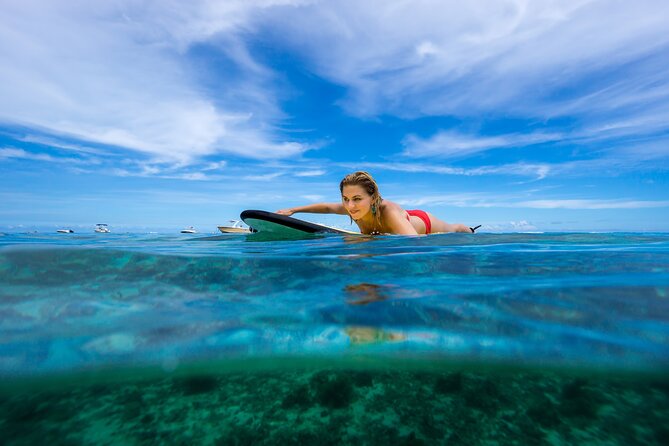
This is where the lesson earns its name: surfing instruction isn’t just a tour of the beach. The goal is getting you catching waves and standing as quickly as your body and conditions allow.
In past sessions, many first-timers report success on early attempts—standing by the first few tries for some people and catching multiple waves over the session for others. That’s not luck. It’s usually a combination of:
- learning a simple method for popping up
- getting the right positioning
- doing repeat practice in the same general water area
The instructor’s job is to watch what you’re doing and fix the one thing holding you back. You’ll hear tips that help you go from “knees only” to actually surfing. For kids and teens, that encouragement can be the difference between giving up and wanting another go.
One more honest note: if conditions are less cooperative, your time in the lineup may change. The instruction spot still aims for beginner-appropriate waves, but weather is weather.
Meeting Up Near 1965 S Kihei Rd: Spot the Team Fast
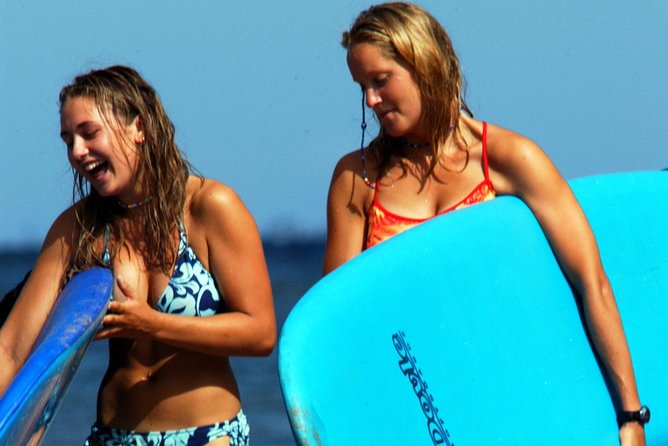
You meet at 1965 S Kihei Rd, Kihei, HI 96753. The activity ends back at the same meeting point, so you’re not dealing with a long loop of logistics right after you’ve paddled yourself into a happy exhaustion.
If you’re thinking, Okay, how do I find them quickly, you’re not alone. Several families said it can help to look for the black truck used by the team. Arrive a few minutes early and keep an eye out so you’re not rushing with wet hair and a surfboard-shaped brain.
Also bring your patience. Beach areas get crowded fast. The earlier you get oriented, the less stressful the start will feel.
The Photo Package: A Memory You’ll Want (and a Cost You Should Plan For)
You’ll have the chance to purchase photos taken during the session. Most people who end up loving their lesson also end up buying the package, because the images capture that “I’m really doing this” moment.
But here’s the practical reality: the photo add-on can be pricey. One review specifically calls out about $75 per person as expensive. Another notes photos and videos can be offered and are priced steeply, but also hard to resist once you see the results.
My take: if you’re going with family or you’re celebrating something (birthday, first surf try, milestone age), the photos are often worth considering. If you’re traveling on a tight budget, you can still enjoy the waves without buying anything.
If you do buy, treat it like a souvenir you’re choosing on purpose, not a surprise checkout at the end.
What to Bring (and What You Can Skip)
You’ll want to show up ready, but you don’t need to bring a surf equipment bag.
Bring:
- Sunscreen (a lot of it, since you’ll be outside)
- A camera if you want your own shots
- A way to carry things you don’t want to leave in the sand
- If you’re watching with kids or older relatives, consider your own chairs. One family mentioned there’s room to watch, and bringing chairs (and an umbrella) makes it more comfortable.
You can skip (because it’s provided):
- Soft surfboard
- Rash guard
- Neoprene booties
What you can’t skip is the reality that you’re going to feel salty after. Plan for a rinse later and wear clothes you don’t mind getting wet.
Value for $108.03: When This Lesson Makes Sense
At $108.03 per person for about two hours, you’re paying for more than a board and a wave. You’re paying for:
- instruction designed around beginners
- a controlled group size (up to 12)
- certified safety readiness (CPR and first aid)
- the gear setup that removes friction
If you’ve ever tried to learn on your own, you know the hard part isn’t just standing. It’s knowing where to paddle, how to time the pop-up, and how not to get in the way of other surfers. A good instructor compresses that learning curve.
Is it the cheapest thing on Maui? Probably not. Is it one of the most memorable and repeat-worthy activities for first-timers? That’s the pattern. Many families describe the session as a highlight and say they’d rebook.
Who Should Book Maui Surf Instruction 101 at Kalama Beach
This lesson fits best if you:
- are a beginner or returning to surfing after a break
- want small-group instruction without going fully private
- are traveling as a couple or family and want an active shared experience
It’s also a good pick for teens and kids within the recommended age guidance. The one age note: it’s not recommended for children aged 4 and under.
If you’re bringing a grandparent or an adult who just wants to try it safely, this format makes sense too. Plenty of sessions include multi-generation groups, and the instruction style tends to focus on steady progress rather than flashy tricks.
Should You Book This Surf Lesson?
If you want a beginner-friendly surf start on Maui with soft boards, protective gear, a safety-first approach, and real instruction time, I think it’s an easy yes.
Book it if:
- you’d rather learn with coaching than figure it out alone
- you want small-group attention (max 12)
- you’re okay paying for the photo option if it becomes tempting
Skip or at least be flexible if:
- you’re visiting during a stretch where conditions often feel less stable and you can’t accommodate a schedule shift
- your priority is “no extra costs.” The waves are included, but photos are optional and often a strong impulse buy.
Bottom line: for first-time surfers in Kihei, this is a practical way to get out there, learn the essentials, and come home with the kind of story you’ll replay for years.
FAQ
How long is Maui Surf Instruction 101?
The lesson runs about 2 hours.
Where does the lesson start and end?
You meet at 1965 S Kihei Rd, Kihei, HI 96753 and the activity ends back at that same meeting point.
What surf equipment is included?
You’ll be provided with soft surfboards, a rash guard, and neoprene booties.
Is the lesson good for beginners?
Yes. This is an introductory surf lesson designed so most travelers can participate.
What is the maximum group size?
The experience has a maximum of 12 travelers.
Is hotel pickup included?
No. Hotel pickup and drop off are not included.
Are there private lessons available?
Yes. You have a choice between group and private lessons.
What is the cancellation policy?
You can cancel for a full refund up to 24 hours before the experience’s start time.
Is there a photo option after the lesson?
A photo package is available for purchase after the session, based on the surf photography offered with the experience.