REVIEW · MAUI
Private Surf Lessons in Lahaina, Maui
Book on Viator →Operated by Maui island surf & snorkel · Bookable on Viator
Surfing starts way faster with one-on-one coaching. This private Lahaina lesson pairs a short land warm-up with real time in the water. You get coaching on the basics local surfers expect, plus a surfboard set up for you.
I especially like the step-by-step flow: wave etiquette and paddling first, then standing and riding. The pace is also practical since the session is about 1.5 hours total, with the rest of your day left open.
The main catch is simple: the lesson requires good weather, and bottled water plus transportation are not included.
In This Review
- Key things I’d plan around
- Private Surf Lessons in Lahaina: Why This Format Works
- Getting There: The Launiupoko Meeting Point and 8:30am Start
- The First Step: 15–20 Minutes of Land Training
- In the Water: Coaching That Gets You Riding
- Equipment and Extras: Board Provided, Photos Offered
- Price and Value: Is $175 Per Person Worth It?
- Who This Surf Lesson Fits Best (And Who Might Reconsider)
- What the Best Instructors Do Differently: One Name Stands Out
- Tips to Make Your 90 Minutes Count
- Should You Book This Private Lahaina Surf Lesson?
- FAQ
- Where is the meeting point for the private surf lesson?
- What time does the lesson start?
- How long is the private surf lesson?
- Is this lesson private or shared with other people?
- What do you learn during the land portion of the lesson?
- What equipment is included?
- Are photos taken during the session?
- What’s not included in the price?
- What happens if poor weather cancels the activity?
- How late can I cancel for a full refund?
Key things I’d plan around
- Private instruction means less waiting and more feedback for your exact level
- 15–20 minutes on land teaches etiquette and key body positions before you hit the waves
- Surfboard included, so you don’t have to bring gear or guess what to rent
- You’ll spend most of the lesson in the water, not just talking about it
- Photos are taken during the experience and offered for purchase at the end
- Most ages can participate, which makes it a good family option
Private Surf Lessons in Lahaina: Why This Format Works
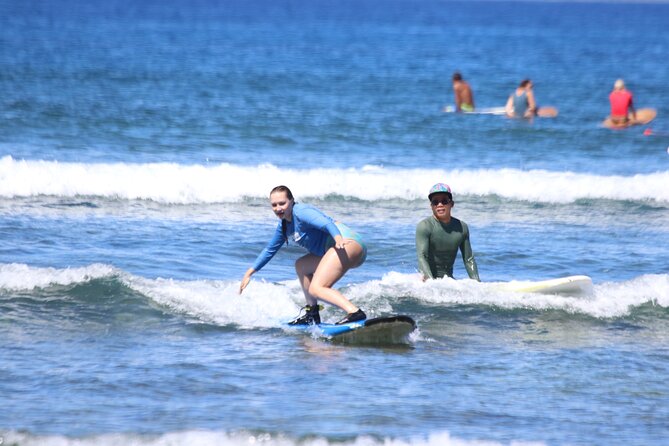
A private surf lesson is the quickest path from nervous to standing up. Instead of learning through trial and error around a crowd, you get hands-on coaching you can actually use immediately. That matters in Maui, where conditions change fast and tiny adjustments make a big difference.
This setup is also built for beginners. The instructor teaches you what to do before you do it: where to be, what to watch for, and how to move your body so paddling and popping up become repeatable. You’re not guessing, and you’re not waiting your turn.
You’ll also feel the value in the time structure. The lesson is short enough to fit into a day plan, but long enough to get real practice. After your roughly 90 minutes on the water, you’re free to do whatever you want for the rest of the day.
One small consideration: because it’s private, the price is per person, so it only feels like a bargain if you’ll take advantage of that one-on-one coaching. If you’re happy sharing instruction with others, a group format might be cheaper. But if you want focused attention, this private structure makes sense.
You can also read our reviews of more private tours in Maui



Getting There: The Launiupoko Meeting Point and 8:30am Start
Your day starts at the meeting point in Launiupoko (V83Q+93 / V83Q+938). It’s described as easy to find, which is a real quality-of-life win on a beach morning. The lesson runs from 8:30am, so you’ll want to be ready early, not sprinting in ten minutes late.
The activity ends back at the meeting point. That’s helpful because it reduces the “now what?” feeling at the end of a surf session. You can get back to your car, your hotel plans, or your next activity without extra coordination.
Also note the practical details: you’ll use a mobile ticket, and the tour is near public transportation. Service animals are allowed. If you’re traveling with someone who needs that, it’s good to know the setup is designed to accommodate.
The First Step: 15–20 Minutes of Land Training
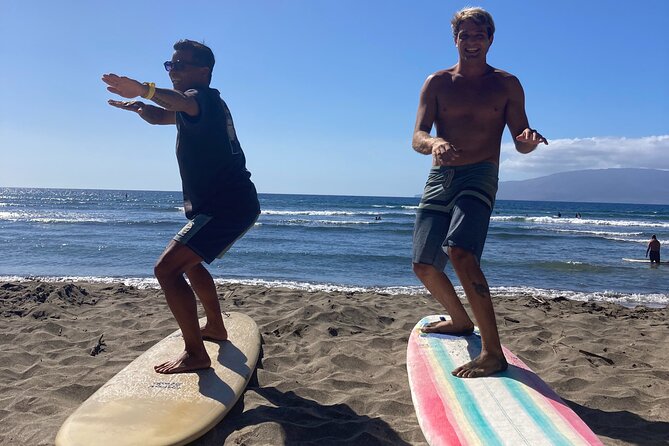
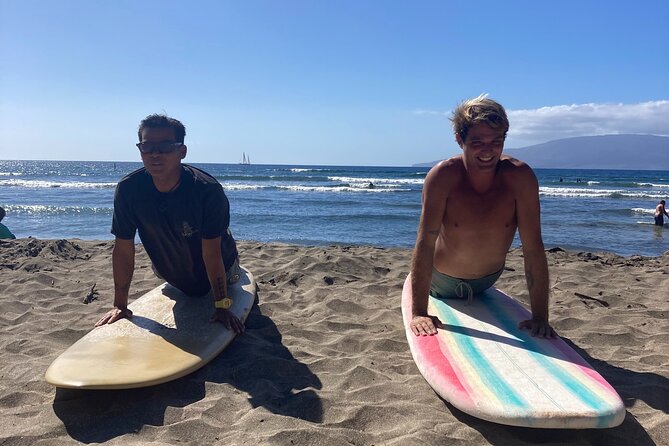
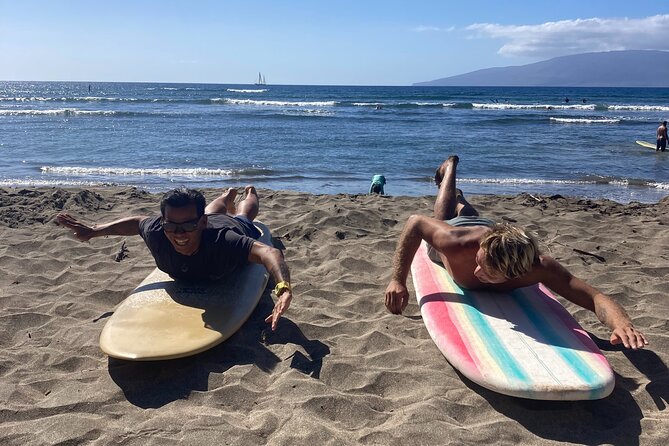
The lesson starts on land for about 15–20 minutes, and this is where you can save yourself a lot of frustration. You begin with basics that matter on the water: wave etiquette, how to paddle, and how to stand up. This isn’t just theory. You’re set up with simple movements you can copy without fighting sand, foam, and fatigue at the same time.
Here’s why that land time is smart. When you first get in the water, everything feels louder and faster. Your body is colder (even if it doesn’t look it), and the ocean asks for timing. Practicing the fundamentals on shore first helps your brain build a pattern before you need it under pressure.
You can also think of this as confidence training. The instructor can adjust your form early, before you spend a bunch of attempts doing the wrong thing. If you’re bringing a kid or someone returning after a long break, this structure tends to keep the lesson from turning into a “sit, fall, repeat” loop.
The flow also implies something important: the instructor is teaching in a progression. You’re not thrown directly into waves without guidance. You’re built up, step by step, so you can focus on learning instead of surviving.
In the Water: Coaching That Gets You Riding
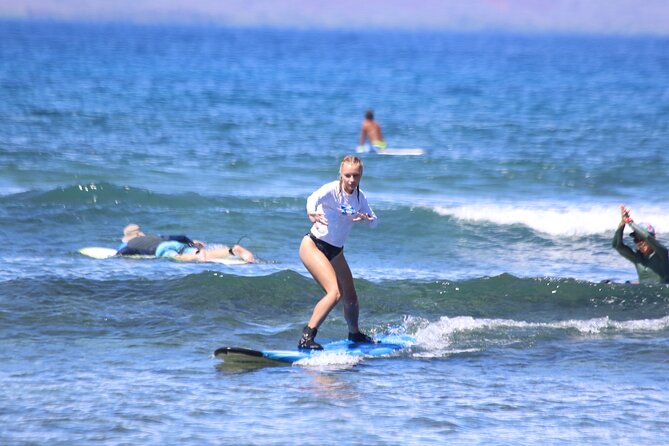
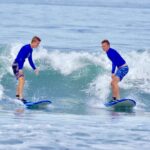
After land training, you spend the rest of your lesson in the water catching waves. The goal is very clear: paddle, stand, then ride. You get coaching while you’re actually doing it, which is where private lessons earn their keep.
In-water time is the main event. Since you’re only in the session for about 1.5 hours total, you want those minutes to count. The private format helps here because the instructor can watch your timing, correct your paddling, and cue you for pop-up moments without dividing attention across a group.
You’ll learn more than just how to stand once. You’ll be working on the sequence that makes standing possible: where your weight goes, how you control balance, and when to commit to the wave. The instructor also emphasizes proper wave etiquette, which matters both for your safety and for not interfering with others in the water.
One practical note: the experience depends on good weather. That’s not a small detail in Maui surf. Wind, swell, and visibility can change quickly, and the activity is designed around conditions that allow safe practice. If you book for a day with questionable conditions, be ready for a reschedule or refund if it’s canceled for weather.
Equipment and Extras: Board Provided, Photos Offered
You don’t need to bring a surfboard. The lesson includes use of surf boards, and the instructor sets you up so you can focus on learning instead of equipment questions. That’s a real value add for visitors who don’t want to deal with rentals, sizing, or transportation.
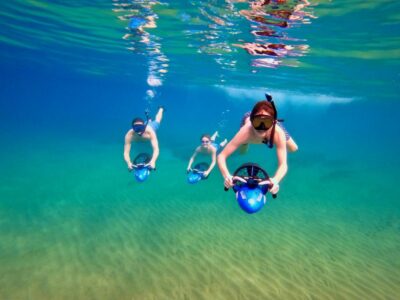
One twist in the included list is snorkeling equipment. The experience is clearly described as a surf lesson, so you might find snorkeling gear is simply included as part of the provider’s standard setup. If you want clarity, it’s worth asking before you start how it applies to your exact session. Either way, it signals the provider is geared for water-based activities.
Photos are another smart extra. Your experience includes photo capture, and the photos are offered for purchase at the end. That’s useful for two reasons. First, surfing is hard to film well from shore, especially when you’re focusing on riding. Second, you’ll have a concrete record of progress—useful if you want to repeat lessons later or just enjoy the day in a more personal way.
And just like that, you finish the session with more than just sore legs. You’ve got a learning story you can keep.
You can also read our reviews of more tours and experiences in Maui




Price and Value: Is $175 Per Person Worth It?
At $175 per person, this isn’t the cheapest way to learn to surf. But it is a focused way to learn faster. The value isn’t only the board. It’s the fact that you’re getting the instructor’s attention in a private setting, starting with coaching on land and continuing with corrections in the water.
Think about what you’re buying:
- Private coaching time for your specific level and pace
- Board use included, which saves rental hassles
- Instruction that starts simple, with a land phase that helps you avoid repeating common mistakes
- Photos taken during the session, with an option to purchase
You also get a clean day break. After about 1.5 hours, you’re done and free for the rest of the day. That matters on vacation. If you’d rather spend your afternoon snorkeling, eating, or exploring, this timing helps you do it without dragging out the activity.
What’s not included is part of the real budget. Private transportation isn’t included, and bottled water isn’t included. If you’re traveling from farther away, factor in how you’ll get to Launiupoko for an 8:30am start. If you can’t bring water, you’ll also want to plan that so you’re not scrambling after.
So the price comes down to your goal. If you want the best chance of improving quickly with personal feedback, the $175 makes more sense. If your goal is simply to enjoy a chill group lesson and you don’t mind less individualized coaching, you might pay less elsewhere.
Who This Surf Lesson Fits Best (And Who Might Reconsider)
This is a good choice for people who want structured learning. The lesson is designed with a progression—etiquette and paddling first, then standing and riding. If you’re brand new, that’s the exact order you want.
It also fits families. All ages are welcome, and private instruction can make a big difference when you’re teaching someone who might be excited, nervous, or easily distracted. The pacing and feedback help keep things moving rather than stalled.
It’s also suitable for most travelers. The experience notes that most people can participate, which matters if you’re not sure whether you should attempt surfing at all. And since it’s private, the instructor can tailor instruction to the needs of your group within the limits of what conditions allow.
The main reason to reconsider is weather dependence. If you’re planning a tight schedule and you hate rescheduling, surf days can be stressful. Even with free cancellation up to 24 hours for a full refund, weather can change closer to the start. The good news is the activity is designed for safe conditions, so cancellation due to poor weather isn’t a trick. It’s part of operating responsibly.
Also, because transportation and water aren’t included, it’s easiest when you already have a plan for getting to the Launiupoko meeting point and back.
What the Best Instructors Do Differently: One Name Stands Out
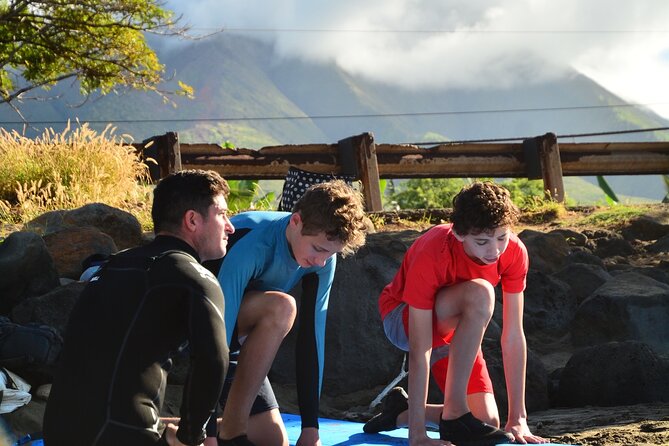
One of the best parts of learning with a strong instructor is how fast you can move past the first mistakes. In the positive feedback, Nick comes up as an instructor who connects quickly with students. One comment highlights that an instructor like Nick can get a beginner, even a daughter, onto the board fast.
That’s the real indicator you should care about. Surf lessons aren’t only about standing. They’re about making the learning curve feel doable. A great instructor reads your body, watches for the common errors, and gives corrections you can act on right away. When that clicks, you spend your energy improving instead of just trying.
If you end up with Nick as your instructor, that’s a meaningful advantage. If you don’t, the key is to choose a provider that consistently delivers strong coaching in a private format.
Tips to Make Your 90 Minutes Count
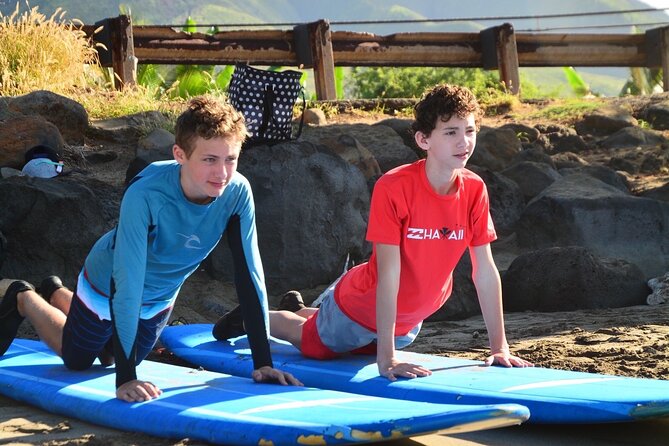
You don’t need magic. You need focus and follow-through. Here’s how I’d approach it so your time doesn’t evaporate between wipes.
First, listen carefully during the land phase. That short 15–20 minute window is your shortcut. If the instructor is talking about etiquette, paddling, or standing mechanics, treat it like the “do this, then this” checklist you’ll use in the water.
Second, pay attention to timing cues. Surf is not only strength. It’s timing. When the instructor signals when to paddle or when to pop up, take it seriously. Your body will figure out the rest if the cue is right.
Third, relax your goals. You’re aiming to progress within the session, not to become a lifelong surfer by lunchtime. With private lessons, progress can happen fast, but it still takes a few attempts for your balance to settle.
Finally, plan your day around the lesson. Since you’re free afterward, don’t fill the afternoon with complicated logistics. Give yourself time to recover, snack, and enjoy the rest of Maui without immediately rushing to another appointment.
Should You Book This Private Lahaina Surf Lesson?
If you want the fastest, most guided way to learn surfing in Maui, I think this is a strong pick. The private format matters. The land-to-water structure matters. And the fact that equipment is provided matters, especially when you’re on vacation.
Book it if you:
- Want one-on-one coaching instead of sharing instruction
- Appreciate a progression that starts on land for 15–20 minutes
- Are okay with a short session that leaves your afternoon open
- Value a provider that takes safety and conditions seriously (weather-dependent, but that’s normal for surf)
Skip it or plan extra flexibility if you:
- Have a tight schedule where a weather cancellation would ruin your day
- Don’t have a way to get to the Launiupoko meeting point for an 8:30am start
- Prefer a longer excursion rather than a focused 90-minute lesson
If you’re the type who likes learning with real feedback and wants your effort to turn into results, this is the kind of lesson that can change how you feel about surfing in a single morning.
FAQ
Where is the meeting point for the private surf lesson?
The meeting point is listed as V83Q+93 Launiupoko (also shown as V83Q+938 Launiupoko), HI, USA.
What time does the lesson start?
The start time is 8:30am.
How long is the private surf lesson?
The duration is approximately 1 hour 30 minutes.
Is this lesson private or shared with other people?
It’s private. Only your group participates, so you won’t share instruction with strangers.
What do you learn during the land portion of the lesson?
You get a land lesson of about 15–20 minutes that covers wave etiquette, how to paddle, and how to stand up.
What equipment is included?
The experience includes surf boards and use of snorkeling equipment.
Are photos taken during the session?
Yes. Photos are taken during your experience and offered at the end for purchase.
What’s not included in the price?
Private transportation and bottled water are not included.
What happens if poor weather cancels the activity?
The experience requires good weather. If it’s canceled due to poor weather, you’ll be offered a different date or a full refund.
How late can I cancel for a full refund?
You can cancel up to 24 hours in advance for a full refund. If you cancel less than 24 hours before the start time, the amount paid is not refunded.