REVIEW · MAUI
Regenerative Mango and Tropical Fruit Tour in West Maui
Book on Viator →Operated by Maui Mango Mala Farm Tours · Bookable on Viator
Regenerative mangoes beat any souvenir. On this 2-hour West Maui farm walk, I like how the tour pairs a short lesson on regenerative permaculture with real fruit tasting, including ripe mangoes when in season. I also love the small-group vibe (max 8) with ocean-and-mountain photo views. The one drawback: there are no bathrooms included, and you’ll want to plan your timing and water accordingly.
You meet at 15 Wailau Pl in Lahaina under a passionfruit vine and get a welcome drink before heading through pineapple, papaya, Surinam cherries, figs, starfruit, bananas, and more. If fruit is ripe, the hosts guide you to taste from the plants and then wrap with a seasonal fruit plate so you can linger and catch a sunset photo.
In This Review
- Key highlights before you go
- Regenerative Mango Tour in West Maui: a calm, bite-sized farm education
- The opening welcome: history, farming styles, and a quick why-it-works lesson
- The walking route: fruit rows plus real photo moments
- What you’ll taste: mango highlights plus rotating fruit throughout the year
- The end plate and the self-guided sunset window
- Price and value: is $85 worth it?
- Who this is best for (and who might skip it)
- Practical details that affect your day
- Should you book this regenerative mango farm tour?
- FAQ
- How much does the regenerative mango and tropical fruit tour cost?
- How long is the tour?
- What’s included in the price?
- Is transportation or a bathroom included?
- Where does the tour start?
- Is mango guaranteed on the tour?
Key highlights before you go
- Small group (8 max) means you’ll actually get answers, not just a fast pass through rows.
- Passionfruit trellis welcome plus a quick, practical farming history primer.
- Walking tour of West Maui crops like pineapple, papaya, Surinam cherries, figs, starfruit, bananas, and mango.
- On-the-spot tastings when fruit is ripe, followed by a seasonal fruit plate.
- Epic views on both sides of the farm, with photo guidance built into the walk.
Regenerative Mango Tour in West Maui: a calm, bite-sized farm education
This is the kind of tour that makes sense if you’re short on time but still want something real. You’re not just looking at plants from a distance. You walk the farm, learn what regenerative growing looks like in practice, and you eat what’s in season right there on the property.
The setting matters too. West Maui hillside farms give you that rare combo of ocean on one side and mountain views on the other. It’s an easy place to slow down. And with only up to 8 people, the pace feels human—more like a friendly farm visit than a production line.
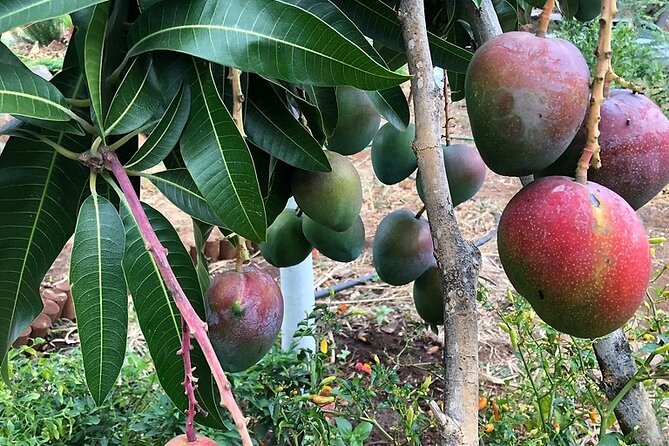
And yes, mangoes are the headline. But what makes the experience work is that the tour doesn’t treat mango like the only fruit worth noticing. You’ll move through a whole orchard-style mix—plus a few surprising varieties that keep the sampling interesting.
You can also read our reviews of more tours and experiences in Maui.


The opening welcome: history, farming styles, and a quick why-it-works lesson
Before you even start walking, you gather under a trellis covered with a massive passionfruit vine. You get a refreshing welcome drink, then the hosts lay out the story of Hawaiian agriculture in West Maui. That first chunk is about 15 to 20 minutes, and it’s designed to be clear without turning into a college lecture.
Here’s what I appreciate about this part: it sets up the farming talk in a way you can use. You learn the difference between traditional farming and regenerative permaculture farming. The goal isn’t just definitions—it’s helping you understand what changes when the farm is managed to work with the land instead of against it.
If names come up during your time, you may meet owners such as Smita or Andre. Either way, the hosting style is personal. The information is tied to what they grow and how they manage it day to day, not just a slideshow of buzzwords.
The walking route: fruit rows plus real photo moments
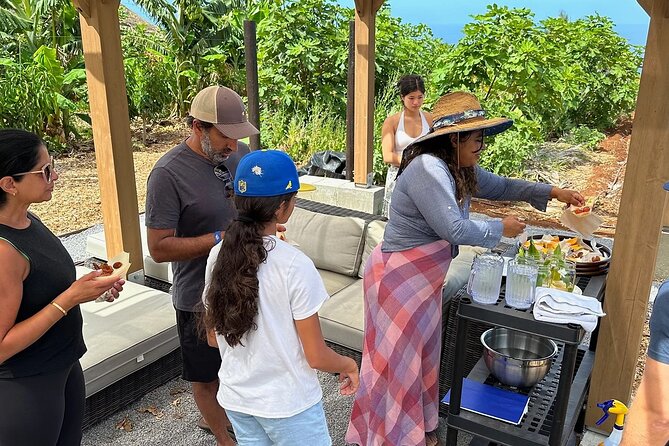
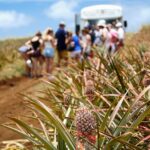
Once the intro is done, the tour turns into a hands-on stroll. Expect about 45 to 60 minutes of walking as you pass through a mix of fruit trees and plants: pineapple, papaya, Surinam cherries, figs, starfruit, banana, and of course mango.
What makes this walk better than the typical farm tour is the way it’s built around three things:
- You see plants up close while learning what they are.
- You taste if fruit is ripe.
- You get guidance on where to stop for photos, using the ocean and mountain viewpoints as natural backdrops.
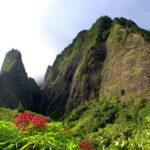
As you move along, the scenery does part of the job for you. One side is open ocean; the other side is mountains. That means you can get great shots without needing to hike to a far lookout. The hosts help you time the photo stops so you aren’t fighting the group behind you.
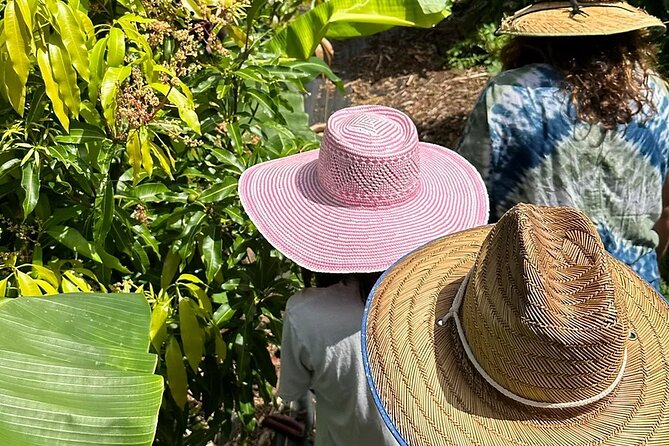
A small caution: the farm is outdoors. Plan for mosquitoes and bees. Bring repellent if you’re the type who gets bothered, and wear clothes that give you some protection.
What you’ll taste: mango highlights plus rotating fruit throughout the year
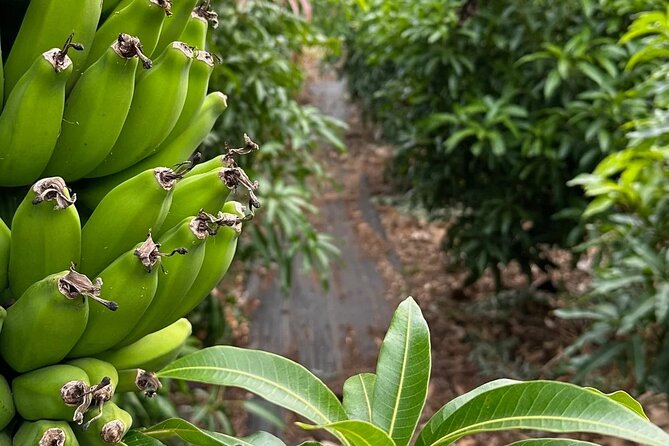
The tasting is the main event, but it’s also the part you should calibrate with expectations. Mangos are seasonal, generally from late May to early November. Outside that window, you may not get mango every single stop.
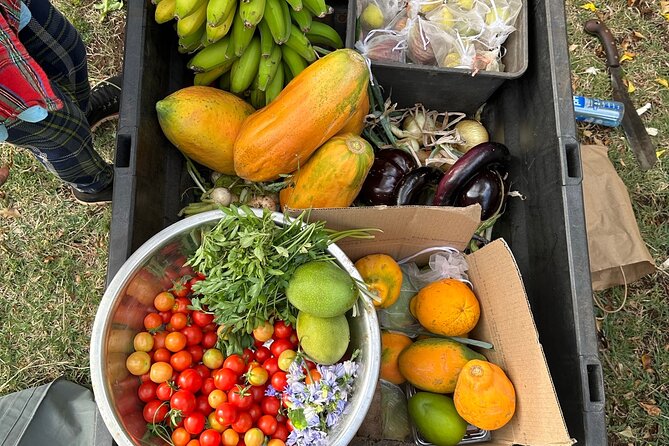
The good news: the farm still offers multiple organic fruits depending on what’s growing and ripe. So even if mango isn’t at peak, you’ll likely leave with samples that feel special rather than generic. The end-of-tour fruit plate is built around what’s available at the time—so it’s not the same menu every day.
From the fruit list you can expect to see during the walk, I’d put your mental checklist like this:
- Mangoes when in season
- Papaya (often a standout flavor when ripe)
- Pineapple and bananas as part of the surrounding crop mix
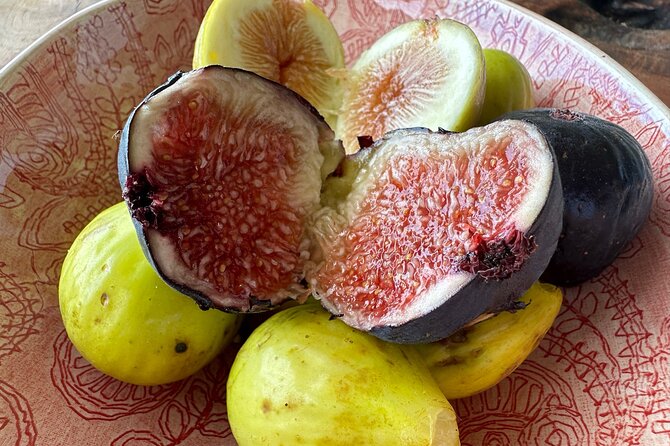
- Surinam cherries, starfruit, and figs as the more interesting variety notes
One more fun detail: some tours include extra moments like spotting a farm cat or meeting the host’s little touches around the property. It adds charm without turning the tour into a side show.
The end plate and the self-guided sunset window
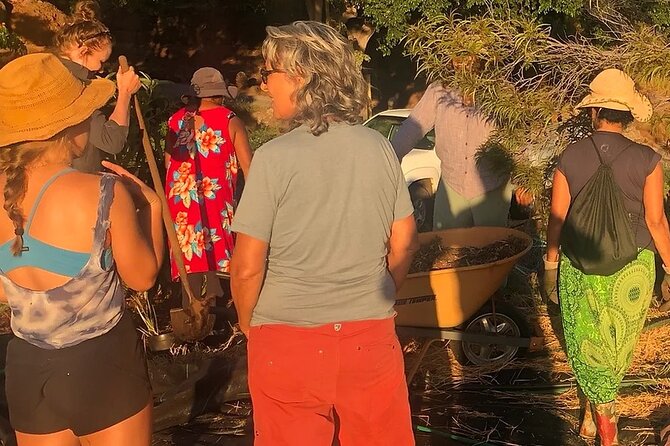
After the walking portion, you return to the welcoming area. That’s when you get a plate of seasonal fruit. It’s a simple ending, but it’s timed well. You’ve already learned what you’re looking at, and now you eat the fruits while your brain is still in farm mode.
Then comes a quiet bonus: self discovery time. You can stay around the welcome area, explore a bit more, or take your sunset photo with a view. This is useful if you like photos but don’t want the pressure of keeping up with a guide every minute.
If there’s a small shop on the property during your visit, you might also find items like handmade clothing. It’s not the center of the tour, but it’s a nice chance to bring home something local that isn’t a packaged souvenir.



Price and value: is $85 worth it?
At $85 per person for about 2 hours, this isn’t a $20 quick stop. But it can be a solid value if you care about three things: education that connects to what you eat, small-group access, and tastings that use what’s actually ripe.
Here’s why the price can make sense:
- Small group size (max 8): you’re paying for a more personal experience where the hosts can answer questions.
- Food is included: snacks from whatever fruits are available during the tour plus a seasonal fruit plate at the end.
- The farming focus: you’re getting more than a pretty walk. You learn the practical difference between traditional farming and regenerative permaculture.
Where value may feel less convincing is if you mainly want entertainment or you’re expecting mango every time, year-round. Mangos are seasonal, and the tour is built to taste what’s in the ground right now.
So my advice: treat the mango as the star, not the contract. If you’re flexible and you like learning while eating, $85 usually feels fair.
Who this is best for (and who might skip it)

This tour fits best if you:
- Want a small, intimate farm experience in West Maui
- Like learning how food is grown, not just buying it
- Enjoy tasting a variety of fruits rather than focusing on one crop only
- Travel with kids and still want something outdoors that holds attention (the sampling helps a lot)
It may be less ideal if you:
- Need bathroom access on-site during the full experience (bathrooms aren’t included)
- Are very sensitive to insects, or you don’t tolerate outdoor walking well
- Want transportation included (you’ll arrange that separately)
- Are expecting a high-adrenaline activity—this is a walk and taste pace
Most people can participate, but the farm is a real outdoor environment. Wear shoes with grip and bring a light layer if the breeze picks up.
Practical details that affect your day
Meeting point is 15 Wailau Pl, Lahaina, HI 96761, and the activity ends back at the meeting point. You’ll have a mobile ticket, and the tour is offered in English.
A few things to plan for:
- Timing and weather: the experience requires good weather. If it’s canceled due to poor weather, you’ll be offered a different date or a full refund.
- Transportation: not included. Build in travel time to Lahaina and allow a buffer so you don’t arrive stressed.
- Bathrooms: not included. If you’re the type who plans around bathroom stops, handle that before you get there.
- Service animals: allowed, which is helpful if you travel with a companion animal.
- Group size: max 8 travelers, so it’s not crowded. That’s part of the magic.
If you want the best photos, wear something comfortable for walking and pick a time of day when the light is kind. The hosts also help guide photo stops, but you still control your camera settings and comfort.
Should you book this regenerative mango farm tour?
Yes, I’d book it if you want a West Maui experience that’s honest, calm, and food-forward. The best version of this tour is when you show up curious, ready to taste, and willing to learn how regenerative permaculture works in the real world.
Skip it (or at least think twice) if bathroom access is a must for you, or if you know you don’t do well with outdoor insects. Also, if you’re coming strictly for mango no matter what month it is, remember mango season runs roughly late May to early November. Outside that, you’ll still taste other fruits, but mango won’t be guaranteed.
If your goal is to leave with better than a souvenir, this is a strong choice. You’ll get fruit, photos, and a clearer picture of how regenerative farming can look on Maui—one plant and one bite at a time.
FAQ
How much does the regenerative mango and tropical fruit tour cost?
It costs $85.00 per person.
How long is the tour?
The duration is about 2 hours.
What’s included in the price?
The tour includes snacks based on whatever fruits are available at the time (with mango being seasonal) and a tour guide.
Is transportation or a bathroom included?
Transportation is not included. Bathrooms are also not included.
Where does the tour start?
The meeting point is 15 Wailau Pl, Lahaina, HI 96761, USA, and the tour ends back at the meeting point.
Is mango guaranteed on the tour?
Mango is seasonal, generally late May to early November. The tour offers other organic fruits throughout the year, but mango may not always be available depending on the season.