REVIEW · MAUI
Road to Hana Rainforest, Black Sand Beach, Waterfalls & Lunch
Book on Viator →Operated by Stardust Hawaii, LLC · Bookable on Viator
Curves, rainforests, and black sand in one day. I love the maximum 14-person group feel, and I love that the picnic lunch is built into Wai’anapanapa. Still, this is a long, curvy day; the early wake-up and winding switchbacks can be rough if you get carsick.
The tour is narrated and includes hotel pickup at most Maui locations, so you spend the morning looking out the window instead of wrestling with directions. Guides such as Marty, Roger, Dom, Quinn, Gaura, and Bryan come up again and again for keeping the day organized and fun, with thoughtful timing at stops. Plan for some basic roadside restrooms, and remember that swimming spots are always at your own discretion.
In This Review
- Key highlights worth planning for
- Why the Road to Hāna feels easier in a small-group van
- Starting at 5:45am: the Hana Highway run from Paʻia to the main loop
- Ho‘okipa Beach Park: surfers, sea turtles, and a quick morning reset
- Ke‘anae Point and Aunty Sandy’s banana bread: the local village rhythm
- Twin Falls to Haipua’ena: waterfalls without the chaotic stampede
- Upper Waikani Falls and Wailua Falls: the best roadside views
- Ka‘eleku lava tube and Hana Bay: the volcanic side of Maui
- Wai’anapanapa State Park: black sand, fresh-water caves, and lunch with a view
- Pua‘a Ka‘a Falls and final viewpoints: Honomanu and the rainbow eucalyptus
- Food, snacks, and what you should bring yourself
- Price and value: what $245.99 buys you besides transportation
- Guides and comfort: how a pro pacing plan affects your day
- Should you book this Road to Hāna rainforest, black sand, and waterfalls tour?
- FAQ
- How long is the Road to Hāna tour?
- Is hotel pickup included?
- Where do I meet if there’s no pickup for my area?
- Is lunch included, and what’s it like?
- Does the tour include admission to Wai’anapanapa State Park?
- Are dietary restrictions or allergies accommodated?
- How big is the group?
- What language is the tour?
Key highlights worth planning for
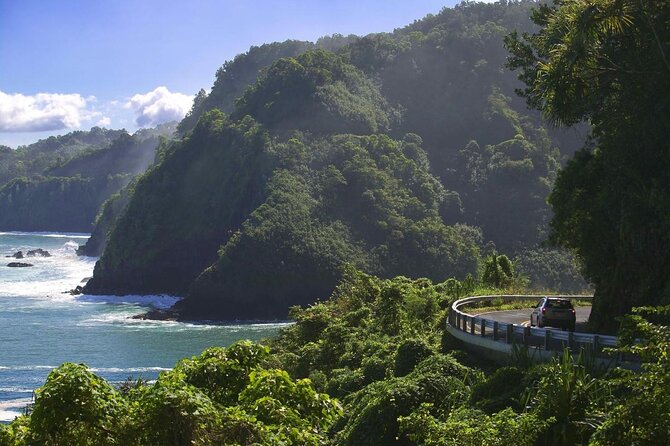
- 59 bridges and 640 turns on the Hana Highway, routed through lush rainforest country
- Wai’anapanapa State Park black sand beach and fresh-water caves, with admission included
- A real picnic lunch at Wai’anapanapa (homemade sandwiches plus fruit)
- Ke‘anae + Aunty Sandy’s for original fresh-baked banana bread and local village views
- Stop variety from easy roadside waterfalls to muddy-trail quieter pools
- Small-group pacing with more time at viewpoints than you’ll get driving solo
Why the Road to Hāna feels easier in a small-group van
The Road to Hāna isn’t hard just because it’s long. It’s hard because it’s nonstop: narrow roads, single lanes, switchbacks, and frequent turns where you want to pause for photos but can’t. This tour’s biggest value is that you can put your full attention on the scenery while someone else handles the turns and timing.
The other big factor is group size. With a maximum of 14 travelers, you usually get a calmer flow at stops. That matters when you’re sharing pullouts with other vehicles and trying to take your time, not rush.
You also get a steady rhythm through the day. It’s not just “drive until you see something pretty.” There are planned photo stops, bathroom breaks, and a structured day that keeps you moving—without feeling like you’re constantly sprinting back into the van.
You can also read our reviews of more tours and experiences in Maui

Starting at 5:45am: the Hana Highway run from Paʻia to the main loop
Most days start early, with pickup typically around 5:45am (with specific meeting points depending on where you’re staying). That’s not just for scheduling. It’s so you hit key viewpoints before the heaviest wave of day-trippers.
Right away, you’re on the Hana Highway side of Maui’s story. This drive covers roughly 59 single-lane bridges, over 640 turns and curves, and it threads through tropical rainforest. Many of the concrete-and-steel bridges date back to 1910, which gives the route an old-meets-wild feel.
A key early stop is Paʻia on Maui’s north coast. It’s a historic plantation-town community (Lower and Upper Paʻia) with colorful storefronts, local art galleries, and boutique shopping. You’ll get a short look, not a full shopping spree—just enough to set the tone before the deeper rainforest miles.
One practical note: don’t expect the day to be leisurely in terms of minutes in the van. It’s a long route. If you want a calm “vacation pace,” this isn’t the right day. If you want one efficient, high-impact Road to Hāna day, it’s ideal.
Ho‘okipa Beach Park: surfers, sea turtles, and a quick morning reset
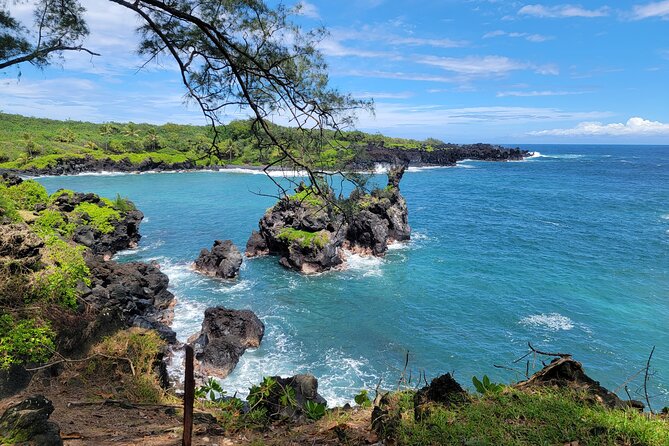
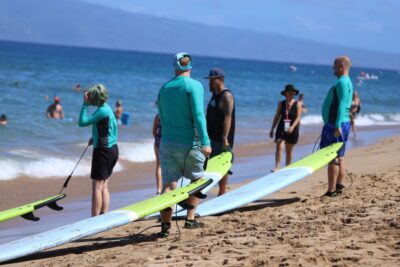
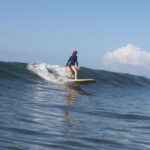
After the first drive segments, you’ll stop at Ho‘okipa Beach Park—one of those places where the coastline does the entertaining for you. This is a short stop designed for an easy morning break: people often spot surfers out on the water, and the park is also known for sea turtle viewing. Restrooms are available, which is a big deal on a day like this.
Ho‘okipa works well because it’s not another “look and leave” stop. You can park your brain for a moment. You get sea-air, ocean views, and a chance to take photos without negotiating waterfalls, mud trails, or climbing steps.
If you’re sensitive to motion or you simply feel stiff from early pickup times, this kind of pause is more than nice. It’s what keeps the rest of the day from feeling like a blur.
Ke‘anae Point and Aunty Sandy’s banana bread: the local village rhythm
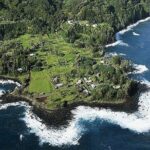
One of my favorite parts of any Road to Hāna day is where you shift from scenery to people. Ke‘anae Point does that. Here you’re seeing small Hawaiian villages continuing traditional land use—taro (kalo), breadfruit, and bananas—plus local ways of life that feel grounded and practical.
It’s also where the “snack ritual” comes in. You’ll visit the Half Way to Hāna snack stand area, and then you’ll head to Aunty Sandy’s Banana Bread. Aunty Sandy started baking in 1983, and her daughter Tammy joined in 2003 to run the family stand on the Keʻanae peninsula.
If you’re hungry, this is your sweet spot. The bread is hot and fresh-baked, and it’s the kind of stop you actually remember later. More than a snack, it’s a morale boost that keeps you fueled for the longer waterfall and beach segment ahead.
Also, plan to slow down here. The views from the Keʻanae overlook and peninsula matter, and you’ll want time to get photos without feeling like you’re finishing a task list.
Twin Falls to Haipua’ena: waterfalls without the chaotic stampede
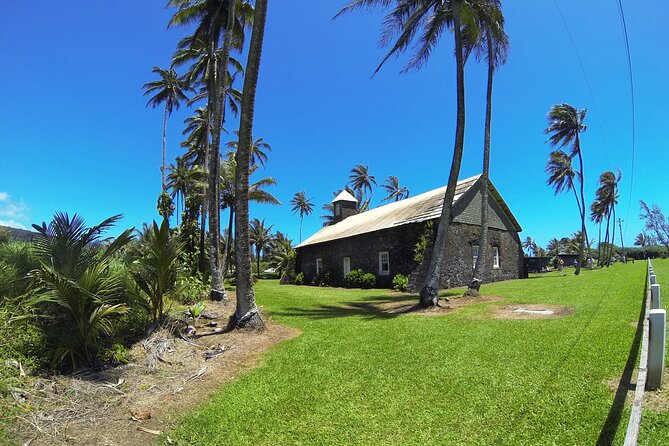
The waterfall portion starts with some easy wins and then adds variety. Twin Falls is often described as the first easily accessible string of waterfalls and pools you’ll reach. It’s a solid “yes, this is the Road to Hāna” moment—scenery that feels rewarding even if you only have a short stretch to enjoy it.
Then comes Haipua’ena Falls, a smaller waterfall and pool that’s reached via an unsigned trail and a short hike over a path that’s often muddy. The upside is that it tends to get less foot traffic than the better-signed classic falls. The downside is obvious: you need to be comfortable with slick ground and short, uneven walking.
This is a good place to set expectations. If you want waterfall views with minimal effort, you’ll still enjoy plenty on this route. If you like the quieter, slightly wilder side of waterfalls, Haipua’ena is the kind of stop that rewards patience.
One tip that keeps this part of the day smooth: bring shoes you trust for damp terrain. The day’s not designed for fancy footwear.

Upper Waikani Falls and Wailua Falls: the best roadside views
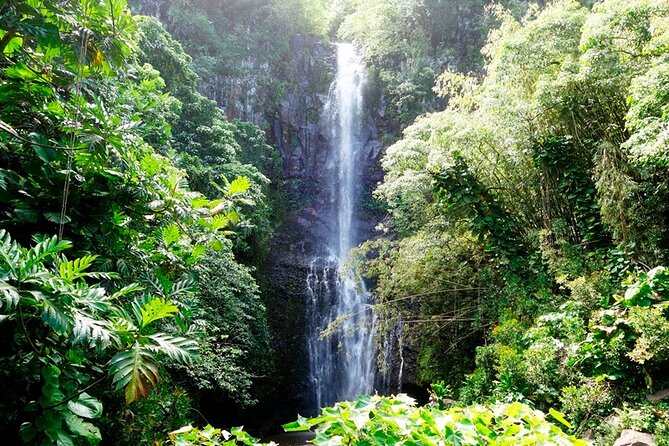
Not every waterfall stop requires trekking. You’ll also hit viewpoints where the scenery is right there from the road.
Upper Waikani Falls is often called Three Bears because you’re looking at three parallel falls of different lengths, with the smallest “baby bear” on the right. This stop is a great example of why the tour works: it puts you at the right angle and timing so you get the full sense of the falls group.
You’ll also see Wailua Falls, described as picturesque and very accessible from the Hana Highway. In fact, you don’t even need to get out of the car to see it. That’s a real asset on a long day. It’s a quick scenic payoff without spending energy on extra walking.
These two stops help balance the harder segments. You can go from “mossy hike” to “scenic roadside pause” and still feel like you’re seeing something new each time.
Ka‘eleku lava tube and Hana Bay: the volcanic side of Maui
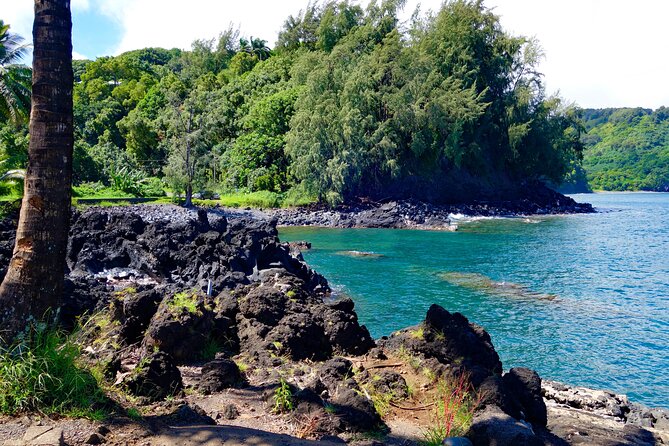
A Road to Hāna day isn’t only about waterfalls. It’s also about Maui’s volcano-driven landscape. This tour includes lava tube country, specifically Ka’eleku Cave, noted as the largest known accessible lava tube on Maui.
The basic idea is simple and cool: lava flows cool on the surface first, forming an insulating channel for lava underneath. After a volcano goes dormant, these tubes can collapse over time, leaving fewer big remaining structures. Seeing a tube at Ka’eleku gives you a clearer mental picture of how Maui’s shape formed—like peeking at the island’s plumbing from long ago.
Next you’ll move into Hana Bay and Hana Beach Park, which features a long black-sand beach. The bay is protected by a coral reef and shielded from big swells by its curved shape, which is why it’s described as the safest swimming beach along the East Maui coast.
If you plan to swim, do it thoughtfully. Conditions can change, and the tour notes that swimming is at your own discretion.
Wai’anapanapa State Park: black sand, fresh-water caves, and lunch with a view
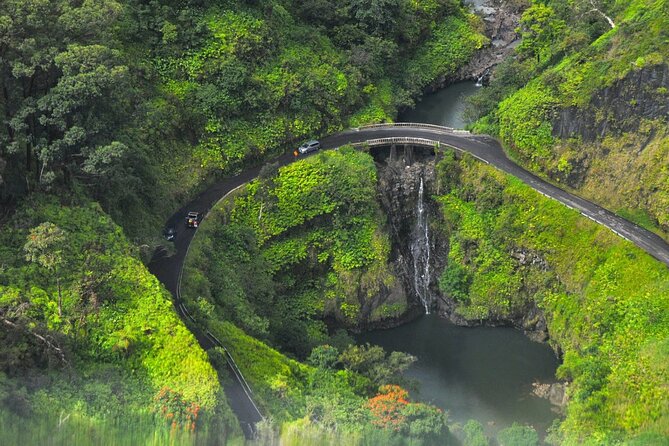
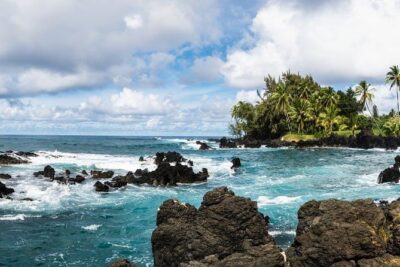
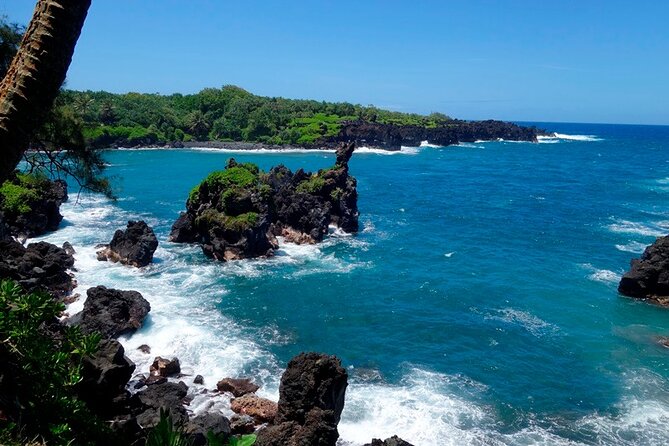
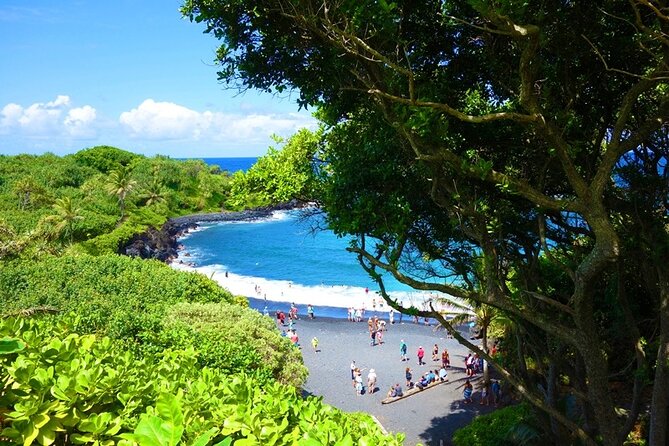
This is the anchor stop for many people, and for good reason. Wai’anapanapa State Park is Maui’s famous black sand beach area, surrounded by cobalt-blue ocean and lava rocks tied to volcanic activity long ago.
You also get fresh water caves here, plus a walk along the edge of the bay to soak in the colors and texture contrast: black sand against deep water, and dark lava rock shapes against bright sky. Even if you don’t swim, this is one of those places where just sitting under shade and watching the water feels like part of the experience.
Lunch lands at the same location. You’ll have picnic-style lunch served at Wai’anapanapa: homemade sandwiches (ham, turkey, or veggie) plus fresh locally grown fruit. You’ll also have bottled water and Hawaiian cane juice, plus snacks on the day like chips and a granola bar.
The real practical win is that you don’t lose time commuting to find food. You’re already in the best setting, and the meal timing keeps the day from feeling hungry and frantic.
Important note: there’s no special diet replacement offered. If you need vegan/raw options or have allergies, you’ll need to bring your own food.
Pua‘a Ka‘a Falls and final viewpoints: Honomanu and the rainbow eucalyptus
As the day moves toward the back half, you’ll keep collecting “small but memorable” moments—some of them quick roadside photos, some with a bit more personality.
At Pua‘a Ka‘a State Park, you’ll find Pua‘a Ka‘a Falls, sometimes called the rolling pig. You’ll have time to enjoy the falls and the nearby pools, with swimming again noted as at your own discretion. Lavatories are available, which helps later in the day when everyone starts timing their needs carefully.
Then you’ll hit viewpoints like Honomanu, a pullout right beyond Kaumahina State Wayside Park. It’s a short stop, but it gives you another look at the Ke‘anae Peninsula from a different angle.
Finally, there’s the quick photo stop for the Eucalyptus Rainbow Trees. These are rainbow eucalyptus trees with bark shedding in bright shades like green, blue, purple, orange, and maroon. The tour gives you just enough time to see why people stop here—then you move on before the day turns into a bus tour of five-minute sprinkles.
Food, snacks, and what you should bring yourself
Lunch and most snacks are included, which is one reason the day feels easier. You’ll get picnic-style sandwiches (ham, turkey, or veggie), fresh fruit, bottled water, Hawaiian cane juice, and snack items like chips and a granola bar.
If you’re not on a restricted diet, that’s usually enough to carry you through. The banana bread stop also adds a sweet, real-food boost that many people treat like the day’s signature snack.
But you do need to be ready if your needs don’t match the standard sandwich options. The tour explicitly states no special diet alternatives (raw, vegan, and food allergies). Plan to bring your own food if that applies to you.
For a smoother day, I’d also pack a small kit: sun protection, a light layer for the early morning, and water beyond what’s provided if you run hot. This route involves enough time outdoors that you’ll feel it.
Price and value: what $245.99 buys you besides transportation
At $245.99 per person, this isn’t a bargain-basement excursion. It becomes a value when you compare the real costs of doing Road to Hāna solo: stress, fuel and parking time, and the mental load of finding the right pullouts and timing waterfalls around crowds.
What you’re paying for is not just a van. You’re paying for narrated guidance, planned stops, snacks and drinks, and a lunch that’s placed where it makes sense—Wai’anapanapa, with admission included for the park.
The included air-conditioned vehicle matters too. Maui heat can be no joke, especially when you’re sitting outside for photos and then jumping back in for the next drive.
Also, the group size (max 14) tends to make the day feel more human. If you’ve driven the Hana Highway yourself, you already know the hardest part isn’t the road. It’s managing everything else while you drive.
Guides and comfort: how a pro pacing plan affects your day
The reviews attached to this kind of tour often come down to one thing: the guide. This operator’s guides—Marty, Roger, Dom, Quinn, Gaura, and Bryan—are frequently described as interactive and story-forward, while still keeping the day organized.
You’ll feel it in the details you don’t notice until you’re not stressed: timing stops so bathroom breaks aren’t chaotic, choosing photo angles, and keeping the group moving at a pace that feels realistic for a full day.
Comfort also matters for a road this curvy. If motion sickness is your issue, take it seriously. One of the guides, Quinn, is noted for helping guests with motion-sickness by providing ginger chews and goggles, and for checking in so people could handle the ride better.
Still, no tour can erase the physics of switchbacks. If you’re very sensitive, bring your own plan: seat choice, medication if you use it, and ginger or similar options if you tolerate them.
Should you book this Road to Hāna rainforest, black sand, and waterfalls tour?
If your goal is one efficient, high-impact Maui day—waterfalls, black sand, a lava-tube stop, and an included picnic in the most iconic setting—this tour fits well. It’s also a smart pick if you don’t want to wrestle with driving stress on the Hana Highway, especially with a small group and hotel pickup at most Maui stays.
Skip it if you want lots of beach lounging time, or if your priority is slow travel with minimal driving. This is a full-day road trip. If you can handle long hours and curvy roads, it’s a strong way to see many of Maui’s Road to Hāna highlights without the logistical headache.
FAQ
How long is the Road to Hāna tour?
It runs about 9 to 10 hours.
Is hotel pickup included?
Hotel pickup is included at most Maui hotels. Some areas do not have pickup, so you may need to meet at a listed meeting point.
Where do I meet if there’s no pickup for my area?
If you’re staying in Napili-Honokowai, Kahana, or Kapalua, you meet at Lahaina Cannery mall at 6:00am. If you’re staying at Makawao, Kula, or Paia, you meet at Kahului park n’ride at 6:40am. Guests staying in Wailuku meet at Maalaea Park by 6:30am.
Is lunch included, and what’s it like?
Yes. Lunch is picnic style with homemade sandwiches (ham, turkey, or veggie) plus fresh locally grown fruit.
Does the tour include admission to Wai’anapanapa State Park?
Yes. Wai’anapanapa State Park admission is included.
Are dietary restrictions or allergies accommodated?
No special diet options are provided. If you need vegan/raw options or have food allergies, you must bring your own food.
How big is the group?
The tour has a maximum of 14 travelers.
What language is the tour?
The tour is offered in English.