REVIEW · MAUI
South Maui: Whale Watch Kayaking and Snorkel Tour in Kihei
Book on GetYourGuide →Operated by South Pacific Kayaks · Bookable on GetYourGuide
Whales, but make it paddling. This South Maui tour pairs guided whale kayaking with a reef snorkel where Hawaii green sea turtles are a real highlight. You’re not just watching wildlife from shore; you’re moving with it, at eye level, while your guide explains what you’re seeing.
The big trade-off: whale sightings are never guaranteed, and the timing can shift with tides, currents, and winds. Still, even when whales don’t show up, the snorkeling and reef time can be a strong consolation prize.
In This Review
- Key points at a glance
- First Paddle: Meeting at Makena Landing Park and Getting In Shape
- Whale Watching From a Kayak: How the Ocean Time Works
- Whale odds: what to expect realistically
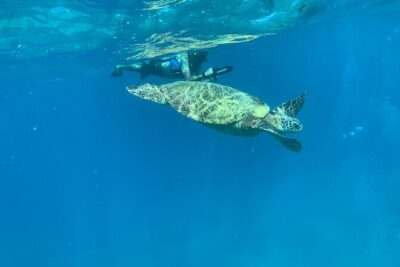
- The Reef Snorkel: Why the Hono (Green Sea Turtles) Stop Matters
- What I think makes this snorkeling stop valuable
- The Guide Factor: Stories, Safety, and Real Ocean Skills
- Skill-building you’ll actually use
- Small Group Pacing: What “3 Hours” Really Feels Like
- Price and Value: Is $118 a Good Deal?
- Who gets the best value
- What to Bring (and What the Guide Handles)
- Weather, Tides, and the One Thing You Must Accept
- Who This Tour Is Perfect For
- Should You Book South Maui Whale Watch Kayaking and Snorkel?
- FAQ
- How long is the tour?
- Where do I meet the guide?
- Is transportation included?
- What’s included in the price?
- What should I bring?
- Are whales guaranteed?
- Do I need kayaking experience?
- What size is the group?
Key points at a glance
- Sit-on-top kayaks make it easier to launch and hop in/out
- Hands-on coaching covers paddling, safety, and snorkeling gear use
- Humpback whale odds are best in Jan–Mar, based on past outings
- Reef snorkeling focuses on Hono (green sea turtles) plus lots of reef life
- Small groups (up to 10) keep you from feeling lost on the water
- Snacks, water, and juice help you stay fueled for the full 3 hours
First Paddle: Meeting at Makena Landing Park and Getting In Shape
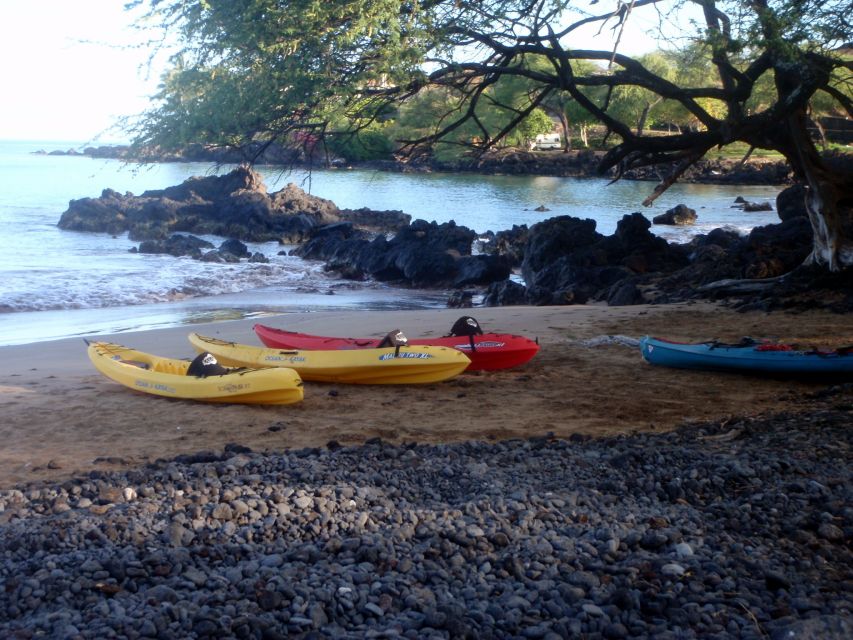
You’ll start at Makena Landing Park in Kihei/Makena area. The meet spot is about 100 yards south of the parking lot, and there’s plenty of free parking. Walk down toward the waterfront to find the kayaks and check-in area. If Makena is busy, there’s an alternate option at Maluaka Beach Parking Lot North, then walk back toward Honoiki.
Arriving on time matters more than it sounds. This tour stacks a short safety rhythm, then hands-on instruction, then you’re out on the water. If you’re late, your whole group loses momentum.
Once you check in, your guide runs a practical setup. You’ll get a safety orientation and then hands-on coaching that covers launching and landing, paddling technique, and how to get in and out when the snorkeling part begins. One nice detail: the boats are sit-on-top kayaks, which tend to feel less intimidating than low-sitting kayaks because getting on and off is usually easier.
You can also read our reviews of more whale watching tours in Maui

Whale Watching From a Kayak: How the Ocean Time Works
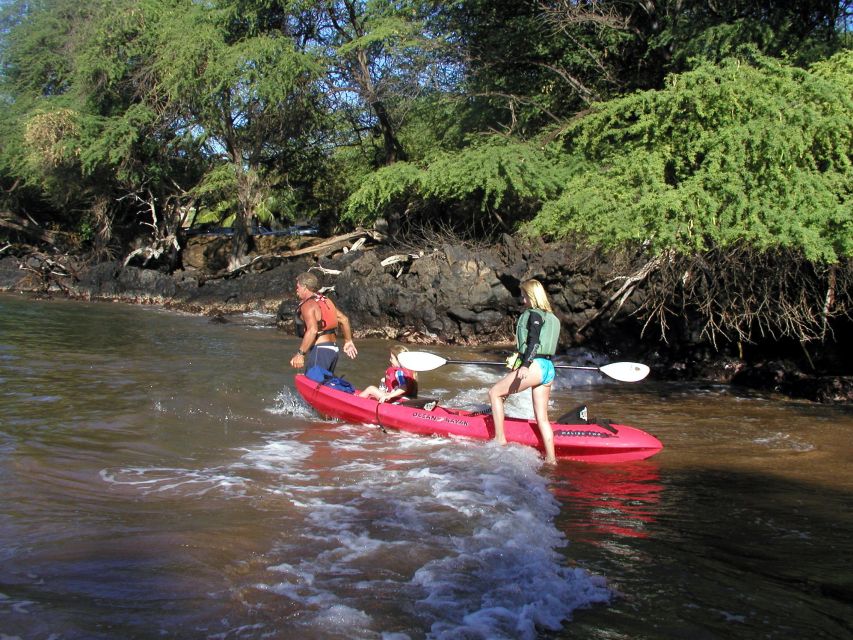
The tour is designed so you spend real time in the water and you’re not just paddling in circles. After your guide launches each kayak and you’re grouped together, you’ll get a brief overview of what’s planned and where you’ll go.
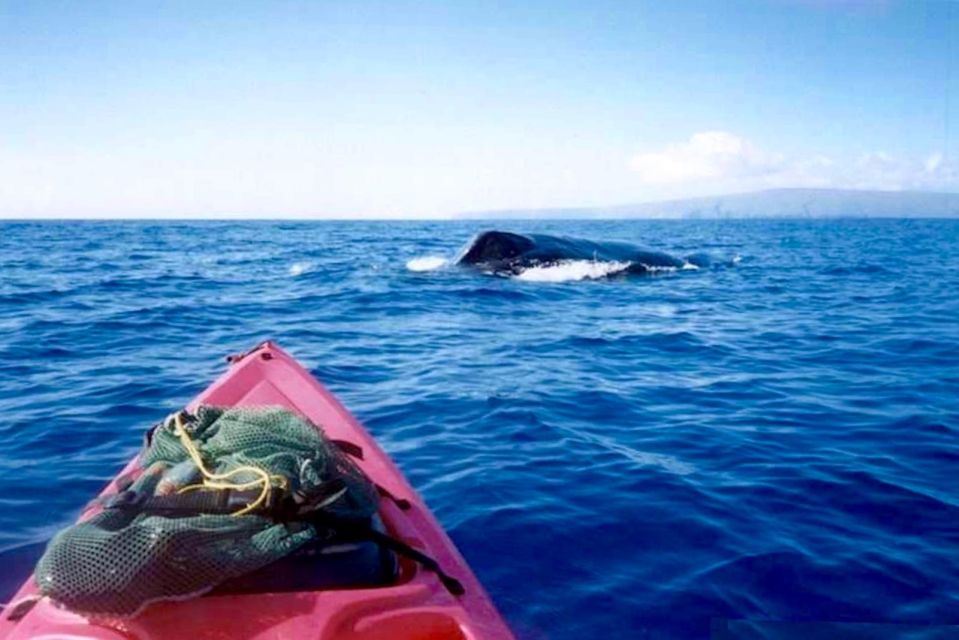
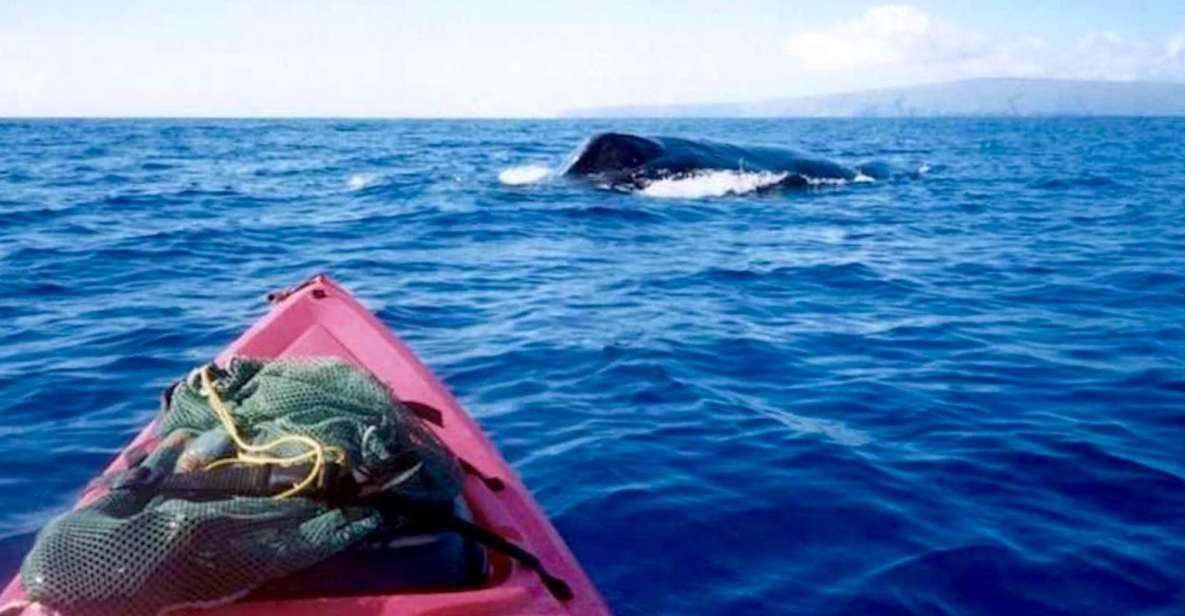
Then the main act starts: you paddle out to search for whales. When whales show up, your job is simple but important—stay at a safe distance and paddle in a way that doesn’t stress the animals. Your guide reads whale behavior and tells you what each move likely means. That part is what turns a random sighting into a meaningful one.
A few strong examples from past guides’ styles show up repeatedly: guides like Jake, Kyle, Madison, and Jon are noted for being organized, personable, and very attentive to comfort. People also mention getting enough time to adjust, especially if you’re new to kayaking.
Whale odds: what to expect realistically
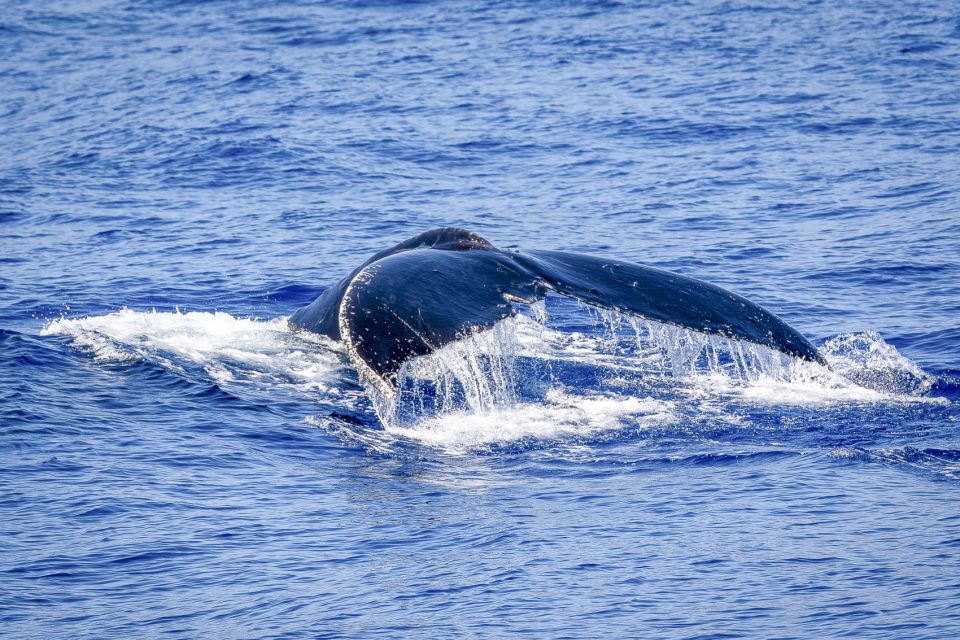
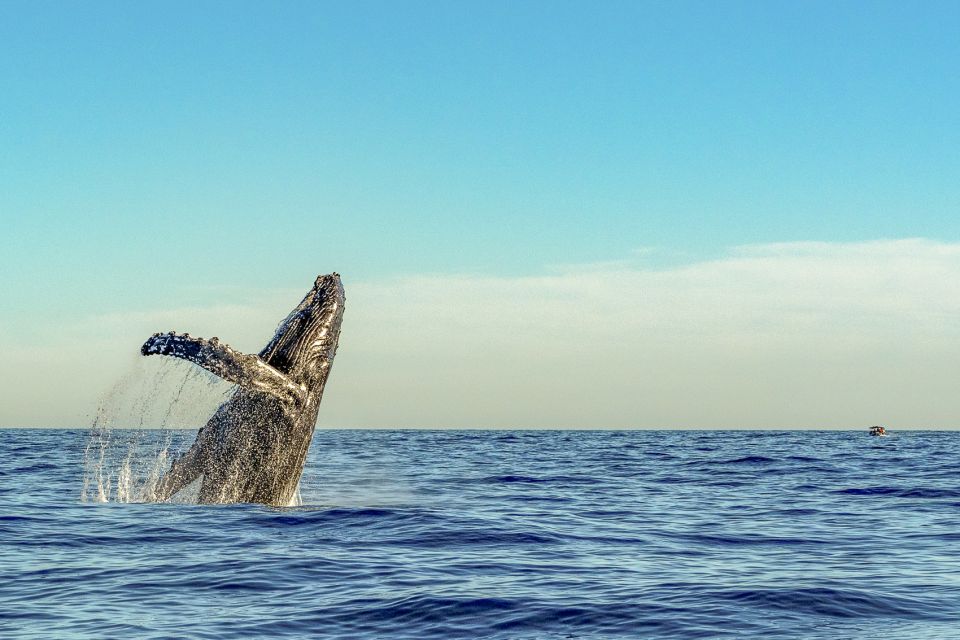
Whales are seasonal. One past note puts whale activity in the Jan–Mar window, so if you want the best shot, plan your Maui timing accordingly. Also remember: the schedule can shift based on tides, currents, and winds, which the guide has to factor in to keep everyone safe.
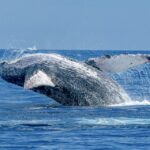
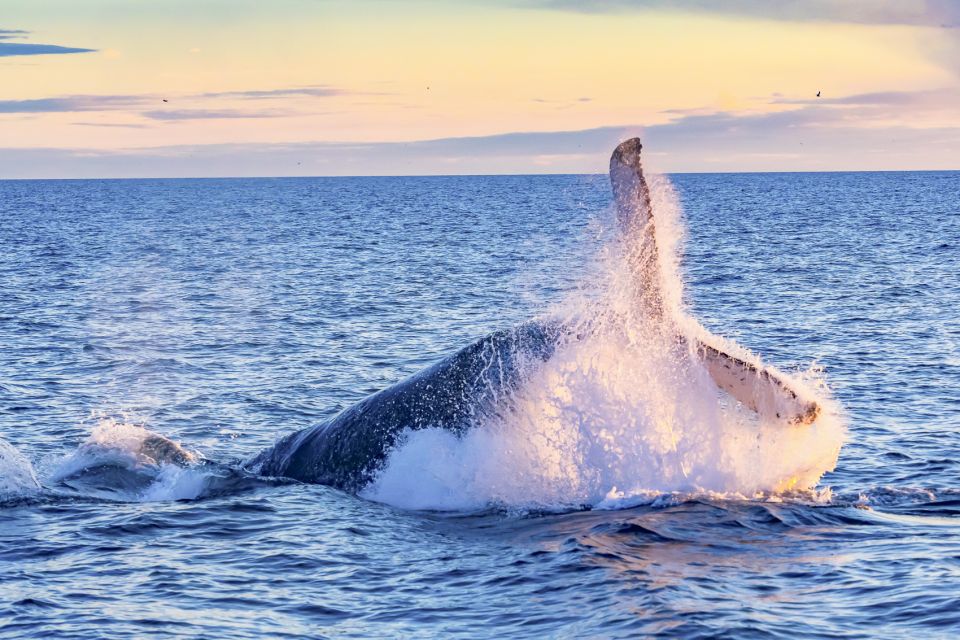
So yes, you might see close-up moments—people have reported pods surfacing near the group, plus dramatic behaviors like breaching. But you should also go in with the mindset that wildlife is weather-and-ocean dependent. That mindset keeps you from feeling blindsided if whales are quiet that day.
The Reef Snorkel: Why the Hono (Green Sea Turtles) Stop Matters
After whale watching, you paddle back toward shore along the reef. That route is part of the experience: you’re not abandoning the ocean the moment you switch activities. You’re still part of the same living ecosystem—just at a different viewing speed.
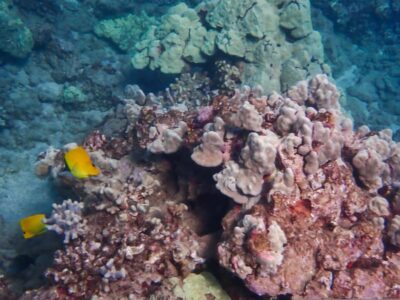
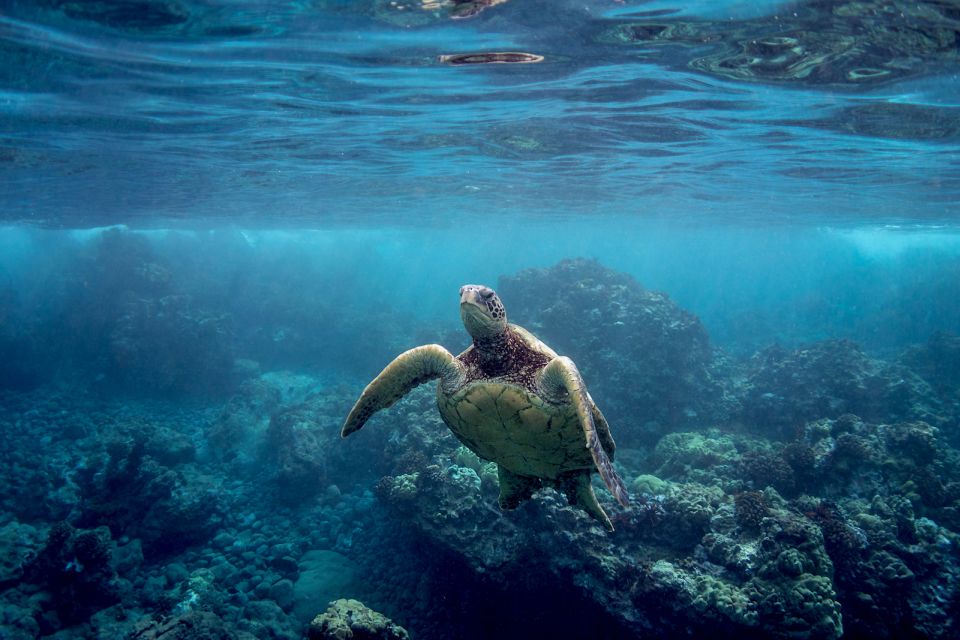
Then comes snorkeling, with equipment provided. The focus is Hono, Hawaii’s green sea turtles. In this area, they’re described as abundant, which is why this stop is such a main draw. You’ll snorkel where the reef life is active, and the water time is long enough for you to actually enjoy it instead of treating it like a quick look-then-rush situation.
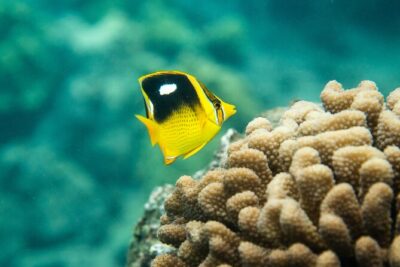
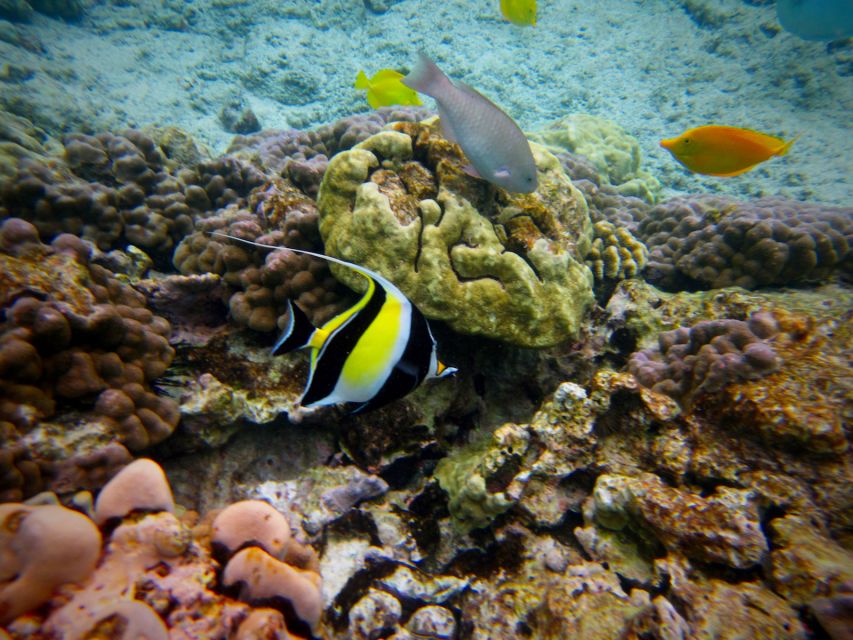
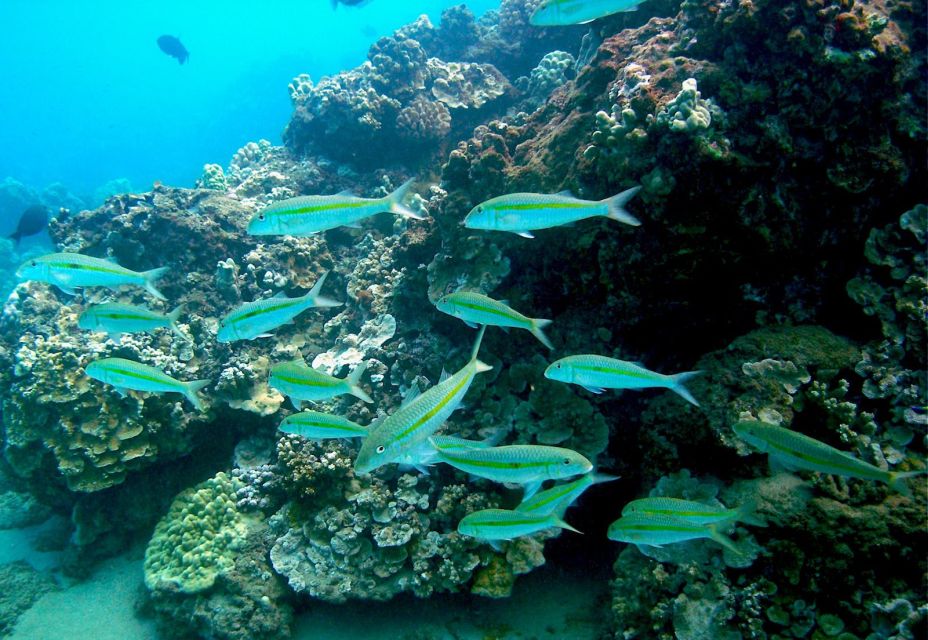
The snorkeling portion is also where the tour earns extra points for being guided. Your guide helps you manage your snorkeling gear and handles the in-water flow so you’re not floundering (a very common way snorkels go sideways). People have reported seeing not only sea turtles, but also reef fish and other ocean residents like moray eels and sharks—plus occasional surprises like octopus.
What I think makes this snorkeling stop valuable
Plenty of tours sell snorkeling as if it’s mostly luck. Here, the value is that you’re getting both:
- A guided setup so you’re more likely to actually see things clearly
- A targeted habitat where turtles tend to show up
That combination means your odds are stronger than a random swim off a beach.
You can also read our reviews of more tours and experiences in Maui




The Guide Factor: Stories, Safety, and Real Ocean Skills
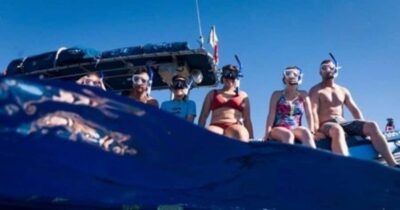
You’ll be with one live guide throughout the tour, and the vibe is intentionally small group. Limited to 10 participants, it’s easier for your guide to keep an eye on spacing and help with technique.
Guides are also a big part of why people rave about this experience (even when whales are shy). Several guides are specifically praised for island storytelling and for sharing marine-life context in a way that makes the ocean feel personal, not generic. Names that come up include Madison, Kyle, Tyler, Jeremiah, Nico, John, Cory, and Jake.
Skill-building you’ll actually use
The coaching isn’t just for the moment. The tour teaches:
- how to paddle efficiently
- how to stay controlled near the group
- how to enter/exit safely for snorkeling
If you’ve never kayaked before, this matters a lot. People have specifically noted feeling comfortable chasing whales even as newcomers, largely because instruction starts from zero and builds step-by-step.
Small Group Pacing: What “3 Hours” Really Feels Like
Three hours is a sweet spot on Maui. You get enough time to do two meaningful ocean activities—whale kayaking and snorkeling—without feeling like you’ve been out there all day.
The pacing usually looks like this:
- Check in + safety orientation + gear instruction
- Launch and formation as a group
- Paddle out for whale searching
- Time on the water when whales appear (or time spent searching, if they don’t)
- Paddle back along the reef
- Snorkeling with provided gear
- Escort back to shore
Because the group is small, you’re less likely to feel like you’re waiting around. You also get more attention if you’re adjusting to paddling technique or handling snorkeling equipment.
Price and Value: Is $118 a Good Deal?
At $118 per person, this isn’t a bargain-basement outing. But it also isn’t just a rental. You’re paying for a full guided ocean experience that combines:
- kayaking instruction and safety orientation
- a guide on the water
- snorkeling equipment
- snacks, water, and juice
If you were to price those items separately—plus the cost and logistics of finding a reef snorkeling site and a safe whale-watching plan—you’d likely spend more than you think.
Also, you’re paying for time in a specific habitat and the guide’s ability to interpret what’s happening. Seeing whales from shore is one thing. Seeing whales while you’re quietly paddling in the right place (and then switching to a reef where turtles are common) is another.
Who gets the best value
You’ll feel the value most if you:
- like active travel (not just sightseeing)
- want expert help with kayaking basics
- care about snorkeling that focuses on real reef wildlife
If your only goal is whales, you should still book with flexible expectations. But if you want an active wildlife-and-reef morning, the pricing makes a lot more sense.
What to Bring (and What the Guide Handles)
You don’t need to bring snorkeling gear. That’s included, along with the kayaking tour, guide, safety orientation, and the in-water support for the snorkeling portion.
Still, bring your basics:
- Sunglasses
- Hat
- Towel
It helps to wear swim-friendly clothes you don’t mind getting wet, and to think about sun protection like you mean it. Maui sun is not shy.
The tour includes:
- snacks
- water
- juice
So you start the ocean portion fueled, which makes you more comfortable if conditions are cool or if you end up taking your time in the water.
Weather, Tides, and the One Thing You Must Accept
This tour is at the mercy of the ocean. The operators note that times and locations can vary with tides, currents, and winds. That’s not a loophole; it’s what keeps the tour safe and keeps the whale and snorkeling plans realistic.
In practice, this means you should:
- plan to be flexible with your schedule
- avoid assuming you’ll be exactly at one “perfect” spot no matter what day it is
- trust the guide’s judgment once you’re on the water
This is also why the best experience mindset is simple: focus on the process, not just the outcome.
Who This Tour Is Perfect For
This is a strong fit for:
- beginners who want hands-on kayaking coaching
- anyone who wants whale watching that feels close-up but still safety-minded
- snorkel lovers who enjoy reef wildlife and want a turtle-focused plan
- people who like a small-group feel (not cattle-herding)
If you’re not comfortable in the water or you hate any kind of active movement, kayaking might not feel like your thing. But if you’re willing to learn quickly and follow the guide’s rhythm, you’ll likely enjoy it even more than the people who already know how to paddle.
Should You Book South Maui Whale Watch Kayaking and Snorkel?
Yes, with clear expectations.
Book it if you want an active, guided ocean outing where you can reasonably hope for both whales (especially in Jan–Mar) and an excellent reef snorkel with frequent green sea turtle sightings. The small group size, hands-on instruction, and included snacks/drinks make it feel like a planned experience, not an improv session.
Skip or choose a different option if:
- whales are your only priority and you cannot handle the possibility of a whale-light day
- you’re fully dependent on predictable conditions and fixed locations
My take: this tour is at its best when you treat it like two connected wildlife moments—paddling out, then switching to reef snorkeling—guided by someone who helps you see more than what a quick glance from shore would show. If that’s your style, you’ll probably leave happy, even if the whales decide to take a nap that day.
FAQ
How long is the tour?
The tour lasts about 3 hours.
Where do I meet the guide?
You meet at Makena Landing Park, about 100 yards south of the parking lot. There’s free parking nearby. The kayaks are by the waterfront check-in area.
Is transportation included?
No. Transportation is not included.
What’s included in the price?
The price includes the kayaking tour, your guide, safety orientation, snorkeling equipment, snacks, water, and juice.
What should I bring?
Bring sunglasses, a hat, and a towel.
Are whales guaranteed?
No. Whale encounters depend on conditions like tides, currents, and winds, and sightings can vary by day.
Do I need kayaking experience?
No experience is required. You’ll receive hands-on instruction on landing, launching, paddling, and getting in and out for snorkeling.
What size is the group?
The group is small, limited to 10 participants.