REVIEW · MAUI
Ultimate 3.5 hour Whale Watch & Snorkel
Book on Viator →Operated by Ultimate Whale Watch & Snorkel · Bookable on Viator
One of Maui’s best combos is whales plus snorkeling. This Lanai-focused outing pairs calm boat time with reef viewing and migration-season humpback encounters, in a small group you can actually hear and learn from. I like that the trip is designed to get you out of the bigger-boat crowds and into the action where dolphins are most consistent off Lanai.
Two things I really like: the small-group size (max 16) and the rescue-style USCG-approved vessel, which is built for stability and reduced rocking. You also get snorkel gear, flotation support, and straightforward snorkel instruction, plus non-alcoholic drinks and snacks, so you spend less time planning and more time on the water.
One consideration: this tour has clear limits—no children under 4, and pregnant travelers aren’t allowed. Also, like any whale activity, you’ll depend on weather and sea conditions, so there’s a chance of schedule changes if conditions aren’t right.
In This Review
- Key points to know before you go
- A Maui whale watch that doesn’t ignore the snorkeling
- Lahaina Harbor meet-up and what you board by 9:00am
- Getting to the right water: why Lanai matters for dolphins
- Snorkeling around secret coves and reef life
- What you should realistically expect in the water
- Whale watching during migration season: close viewing with real rules
- The respectful part
- The crew and mission: what’s more than just spotting whales
- Boat comfort, safety, and that seasickness question
- Price and value: is $195 worth it?
- Who should book this 3.5-hour Maui whale watch and snorkel?
- Should you book Ultimate 3.5 hour Whale Watch & Snorkel?
- FAQ
- How long is the Ultimate 3.5 hour Whale Watch & Snorkel?
- Where do we meet for the tour?
- What time does the tour start?
- Is snorkeling gear included?
- What wildlife might we see?
- Can I bring my camera or GoPro?
- Are there age or pregnancy restrictions?
- Is food or drinks provided?
Key points to know before you go
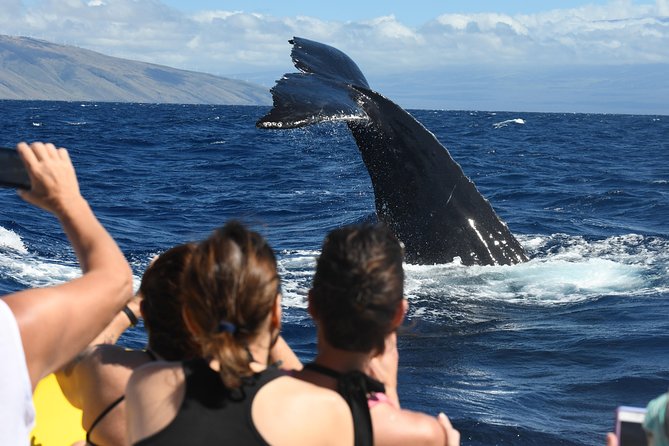
- Lanai reef preference: the route is set up to favor Lanai waters for fish, turtles, octopus, and manta rays.
- Two water moments: you’ll have snorkeling time, and in whale season that schedule includes dedicated whale watching.
- Stable rescue-style boat: USCG-approved and designed for less rocking and good viewing.
- Whale listening tech: you might hear whale song amplified using a hydrophone when conditions allow.
- Hands-on marine mission: every ticket supports active marine research and whale rescue efforts.
A Maui whale watch that doesn’t ignore the snorkeling
If your idea of a perfect Maui morning is water time with actual variety—reef wildlife, dolphins, and whales—this is a strong match. The core concept is simple: you head toward Lanai and spend your time where the ocean is most productive for both snorkeling life and marine mammals during migration season.
The best part for your planning brain is that this is not a one-trick whale boat. You get snorkeling gear and instruction, so even if you’re not a “real snorkeler,” you can still enjoy the underwater scenery. And because the emphasis is on small-group positioning, you tend to move faster to where activity is happening, instead of spending the day stuck waiting.
You can also read our reviews of more whale watching tours in Maui

Lahaina Harbor meet-up and what you board by 9:00am
You meet at 1229 Front St, Lahaina, HI 96761, and the tour starts at 9:00am. Since the meeting point is in Lahaina Harbor, you’re close to the action without needing a long transfer across the island.
This matters because whale and snorkel trips depend on timing. Arrive ready, because once you’re on the water, the crew’s goal is to choose the best spots the day offers—especially for dolphins around Lanai. The tour is capped at 16 people, which helps in two ways: you get a better shot at direct viewing, and you can ask questions without shouting over a crowd.
Getting to the right water: why Lanai matters for dolphins
The tour’s route is built around one key idea: consistent dolphin encounters tend to happen off the island of Lanai. That’s why the captain chooses snorkeling spots off Lanai and/or Maui based on conditions and what’s showing up that day.
So even if whales decide to be shy, you’re not stuck with only “maybe” wildlife. Dolphins are a big part of the plan, and the expectation is that Lanai waters are where you have the best odds.
Snorkeling around secret coves and reef life
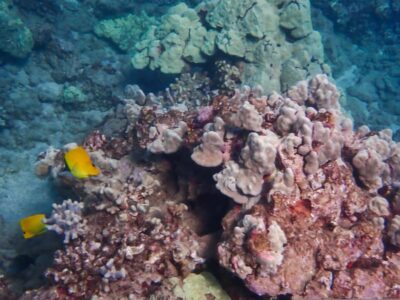
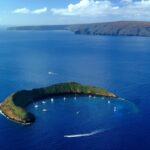
Your snorkeling time is focused on reefs and in-water sightings, with a strong emphasis on Lanai. The tour specifically targets tropical reefs and the kind of spots that turn a casual swim into a real wildlife moment—think turtles, octopus, and manta rays, along with the smaller tropical fish that make reefs fun to explore.
You’re also not left to figure it out on your own. Snorkel gear and flotation devices are provided, and you’ll get snorkel instruction. That’s a practical win for you if you’re traveling with different swim comfort levels, because the crew can help everyone feel confident before you head in.
Also, bring your tech. They encourage packing a GoPro, and one key detail for your day-to-day enjoyment is that you can bring a little extra fun with BYOB being okay. Non-alcoholic beverages and snacks are provided as well, so you won’t be hunting for food mid-tour.
What you should realistically expect in the water
From the animal list, you’re looking at a mix of:
- larger reef animals like turtles
- creatures you might spot by staying patient and watching reef edges like octopus
- occasional bigger visitors like manta rays
- plus dolphins that can sometimes be seen from the boat while the team works the area
The snorkeling stops are part of a shorter tour window (about 3 to 4 hours total), so this is not a slow, sit-around beach swim. It’s more like: suit up, get oriented, then make the most of the day’s best water.



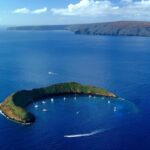

Whale watching during migration season: close viewing with real rules
When whales are in season, the tour includes whale watching alongside the snorkeling schedule. That means one of your water moments becomes all about finding and settling with whales when they’re active.
What stands out here is the way the boat is set up. The vessel is designed for stability and reduced rocking, and multiple people noted that the boat’s position gives a direct view rather than everyone craning from odd angles. That helps you enjoy the moment instead of fighting your gear, your balance, and the horizon.
And when whales are around, you’re not just watching for spouts in the distance. You could see close action like:
- whales surfacing and trailing around the group
- tails lifting as they roll away
- fin slaps as part of communication
- spouts that look almost continuous when they’re feeding or socializing
- and, on lucky days, behaviors like full breaches and more dramatic surface events
One more detail that adds to the experience: there’s a chance the crew uses a hydrophone to amplify whale song. If you get that moment, it turns whale watching from purely visual to something more eerie and human at the same time—in a good way.
The respectful part
You’re not on an ego trip. The crew follows a respectful approach, including a commonly referenced 100-yard distance guideline. That’s one of the ways they balance “close enough to feel it” with “far enough to protect the animals and your safety.”
The crew and mission: what’s more than just spotting whales
What makes this tour feel more meaningful is how the crew frames the day: not just spotting, but supporting conservation. The highlights state that every ticket supports active marine research and whale rescue. That shifts the vibe from tourism to stewardship, and it’s an easy way for you to feel good about the money you spend.
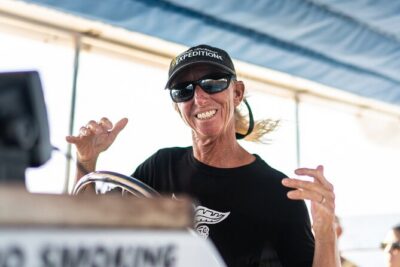
The human touch shows up in the way the captain and crew explain what’s happening. Names that came up repeatedly include Jill, Casey, Amy, Lilly, Lacy, Emma, Pat, and Sarah. The common thread is clear: they’re interactive and ready with answers, whether you’re asking what you’re seeing or how whale behavior changes minute to minute.
And occasionally, it’s not just education—it’s action. One account described the crew involved in a whale rescue attempt after a whale became entangled. When that kind of situation comes up, the crew’s experience and focus matter, because the goal is to help without putting people or wildlife at risk.
Boat comfort, safety, and that seasickness question
Short answer: this is one of the better setups for people who worry about motion sickness. The vessel is described as a rescue style USCG approved boat, built for increased stability and reduced rocking. That’s not just marketing language; it’s exactly the kind of engineering that helps you stay comfortable when the water is working.
Still, you should respect the reality of Maui. Conditions can change fast. One account mentioned tougher wind and water, but the captain/owner and whale team handled it safely and still delivered a good experience. That’s a reminder for you: this kind of tour depends on weather, and the operator requires good conditions.
If you’re sensitive to boat motion, your best move is to plan for the possibility of choppy days. The reduced rocking design is a plus, but nothing replaces choosing a day that sea state allows.
Price and value: is $195 worth it?
At $195 per person, this isn’t the cheapest thing you’ll do in Maui. But the value holds up because several important costs are wrapped into the experience:
- Gear and instruction included: snorkel gear, flotation devices, and help getting oriented.
- Snacks and non-alcoholic drinks included: you’re not spending the day unpaid and empty.
- Small-group format: max 16 means you’re more likely to get meaningful viewing and less time dealing with crowd chaos.
- Marine mission support: ticket purchases support research and whale rescue efforts.
- A focused route: Lanai reef preference and dolphin consistency aren’t generic “cruise around” promises.
If you compare this to the true cost of doing whale watching plus snorkeling separately (boat, gear rentals, guides, and time), bundling matters. You’re also saving daylight and energy with one morning plan instead of two separate excursions.
Where the price might feel harder is if you’re only after whales and could do a lower-cost option. But if you want a morning that genuinely mixes reef wildlife, dolphins, and migration-season whale behavior—with a crew that explains what you’re seeing—this price is easier to justify.
Who should book this 3.5-hour Maui whale watch and snorkel?
This tour fits best if you:
- want Lanai snorkeling paired with a serious whale-watching focus
- like small-group experiences where you can hear the guide
- enjoy learning about animal behavior, not just checking a box
- want a boat setup that’s more stable than the typical high-sided passenger vessels
- are traveling with a group where snorkel confidence varies, since gear and instruction are included
It may not be the best match if:
- you’re traveling with young kids under 4 (this tour has a hard limit)
- you are pregnant (pregnant travelers can’t participate)
- you’re planning around a tight schedule and can’t handle weather-related changes, since the tour needs good conditions
Should you book Ultimate 3.5 hour Whale Watch & Snorkel?
I think you should book it if your Maui priority list includes both whales and real snorkeling—not just a quick swim stop. The small-group setup, stable vessel design, and Lanai-focused route give you a strong chance at seeing dolphins and meaningful whale activity during migration season, while still getting underwater reef time.
Skip it if you’re looking for the cheapest option or you need a child-friendly schedule with very young kids. Also, if you’re extremely seasick-prone, keep your expectations realistic, even with the boat’s stability.
FAQ
How long is the Ultimate 3.5 hour Whale Watch & Snorkel?
The tour is about 3 to 4 hours.
Where do we meet for the tour?
You meet at 1229 Front St, Lahaina, HI 96761, USA, and the tour ends back at the meeting point.
What time does the tour start?
The start time listed is 9:00am.
Is snorkeling gear included?
Yes. Snorkel gear, flotation devices, and snorkel instruction are included.
What wildlife might we see?
You may see tropical fish, turtles, octopus, manta rays, and wild dolphins. During whale migration season, you’ll also do whale watching.
Can I bring my camera or GoPro?
GoPro is specifically mentioned, so it’s a great idea to bring yours.
Are there age or pregnancy restrictions?
Yes. No children under 4 years old are allowed, and pregnant travelers cannot participate.
Is food or drinks provided?
Non-alcoholic beverages and snacks are provided, and BYOB is allowed.