REVIEW · MAUI
Whale Watching from Ma’alaea Harbor
Book on Viator →Operated by Pacific Whale Foundation · Bookable on Viator
Whale songs sound bigger on Maui. This Ma’alaea Harbor trip pairs certified marine naturalists with underwater hydrophones, so humpback behavior isn’t just something you spot, it’s something you can understand. My one watch-out: like all whale days, the sea can be windy and the whales may stay farther out than you hope.
What I like most is the focus on real whale interpretation, not just boat time. The ride is capped at up to 70 people, which helps keep the vibe manageable, and the operation includes a real sighting promise (more on that below). You’ll also get a couple of land-based breaks, including Maui Ocean Center, before you go looking for humpbacks.
If you want a simple, high-probability Maui whale experience with education baked in, this is a strong pick. Just note that Maui Ocean Center admission isn’t included, and drinks are extra.
In This Review
- Key things to know before you go
- How Ma’alaea Harbor whale watching really plays out
- Maui Ocean Center + Ma’alaea Harbor shops: the warm-up that makes it feel longer
- Underwater hydrophones: hearing whale songs, not just spotting whales
- The sighting guarantee: what it means (and what it can’t control)
- Comfort, weather, and the “photo push” factor
- Price and value: does $82.65 make sense?
- Who this trip fits best (and who should consider alternatives)
- Tips to get the best whale-viewing from this setup
- Should you book Whale Watching from Ma’alaea Harbor?
- FAQ
- How long is the whale watching experience?
- How much does it cost, and what’s included in the price?
- Where is the meeting point?
- What whales will we look for?
- Is this tour offered in English?
- Are children allowed?
- What should I bring if weather turns?
- What happens if the tour is canceled due to weather or you need to change plans?
Key things to know before you go
- Underwater hydrophones let you hear humpback whale songs
- Guaranteed sightings or your next tour is free
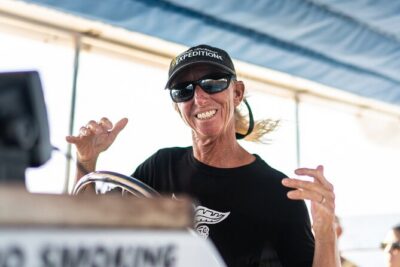
- Marine naturalists onboard explain behavior as you watch
- Maui Ocean Center stop adds context about local marine life
- Max 70 people means better-than-you’d-think group energy, but not empty-deck viewing
How Ma’alaea Harbor whale watching really plays out
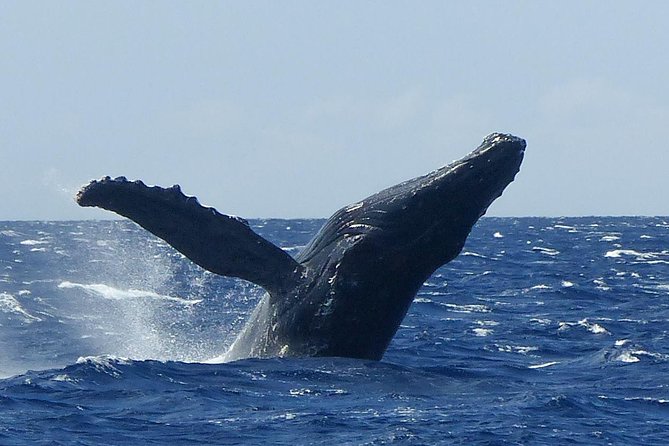
This is a Maui ocean outing focused on humpback whales, run by Pacific Whale Foundation. The experience is about two hours, and it’s offered in English. You’ll cruise out with a team of certified marine naturalists, then get to listen through underwater hydrophones as they explain what you’re seeing.
Here’s the practical part: a whale watch is equal parts biology and timing. When whales are active, it can feel like the boat is in the middle of the action. When they’re quieter or further out, you’ll still learn a lot, but the visuals can feel less dramatic. The good news is that the crew is actively searching, and safety is always treated as the first priority when conditions get rough.
Group size matters. With a maximum of 70 people, you’re unlikely to get “private boat” comfort, but most people should be able to get decent sight lines from the deck. If you’re sensitive to crowding, aim to move around a bit during the ride and grab a position where your sight line isn’t blocked by a cluster of cameras.
You can also read our reviews of more whale watching tours in Maui
Maui Ocean Center + Ma’alaea Harbor shops: the warm-up that makes it feel longer
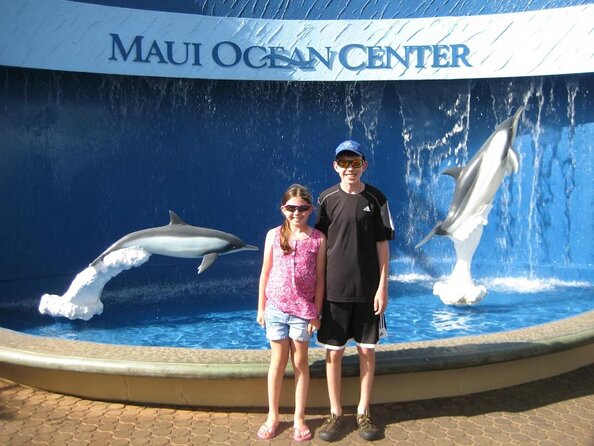
The schedule includes a land stop that many people end up loving: Maui Ocean Center. You’ll have about one hour there, and it’s an aquarium experience focused on Maui waters and the marine life you’re likely to hear about on the boat. The catch is that the admission ticket isn’t included, so this adds cost if you weren’t already planning to visit.
Why it’s a smart pairing: it gives your eyes something to connect to. Even if humpbacks are the main event, the ocean context matters. You walk into the whale watch with a better sense of what else calls these waters home, and the naturalists’ explanations land harder when you’ve already seen what they’re talking about.
After that, you get a short break near Ma’alaea Harbor with about 30 minutes around the harbor shops area. Admission there is free, and it’s the kind of stop that helps you reset: use the restroom, grab water, or do some quick snack shopping. One thing to keep in mind is that if the weather is unsettled, this can also feel like extra waiting time between ocean moments.
Underwater hydrophones: hearing whale songs, not just spotting whales
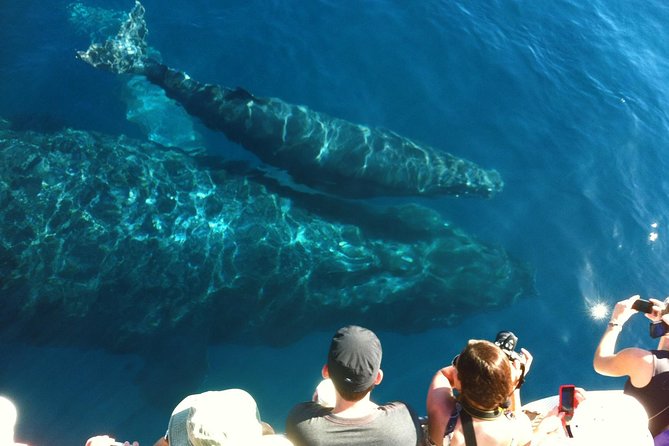
The highlight for me isn’t just the idea of seeing humpbacks. It’s the part where the team uses underwater hydrophones so you can hear whale songs.
If you’ve only watched whales from shore before, it can be weirdly hard to connect the sound and the sight. On this trip, the naturalists help you connect the dots in real time. They explain behavior and interactions as you listen, so you understand what you’re hearing and why it matters.
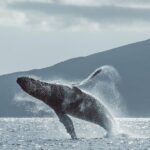
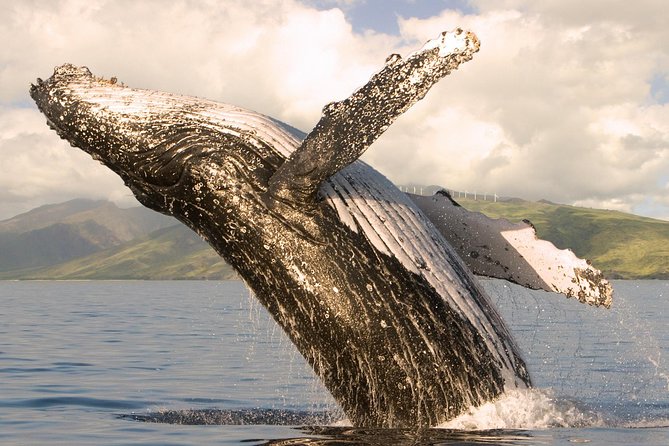
A lot of the memorable moments people describe are about mothers and calves, plus surface activity like breaching. Early-season conditions can also mean different levels of activity, so some days are action-packed and some feel more subtle. Either way, the hydrophones give you something steady to focus on, even when the whales aren’t throwing their bodies around constantly.
One review note that’s worth taking seriously: activity can be best when conditions put whales at the right angle and distance to the boat. That’s not something you control, but it’s a reason to treat this as a whale watch rather than a guarantee of close-up swimming beside the vessel.
The sighting guarantee: what it means (and what it can’t control)
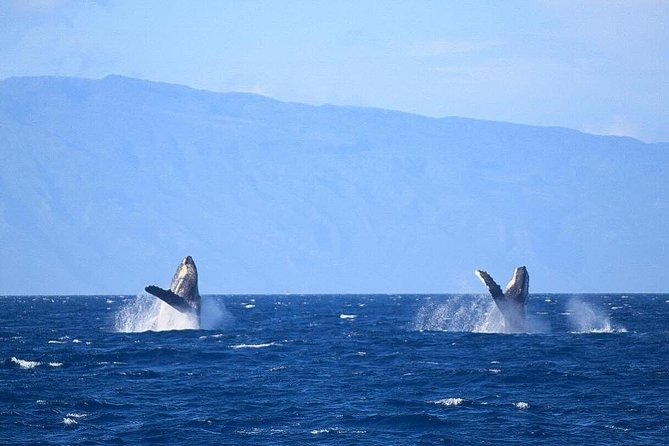
This tour has a guaranteed whale sightings promise. If you don’t see whales on your outing, the next tour is free. That’s a big deal for first-time whale seekers, because it reduces the chance you’ll waste a major chunk of Maui time.
Still, here’s the reality check: wildlife is wildlife. Even with the guarantee, the quality of the sightings can vary. Some outings deliver multiple whales with lots of behavior visible. Other outings may involve whales that are present but mostly show spouts, tails, or brief surface moments from farther away.
Water conditions matter, too. Windy days and rougher water can change the boat’s position and how close whales feel comfortable coming. I’d also plan for the fact that some views will be blocked at times when the group clusters together. The trick is to keep your expectations flexible and let the naturalists guide your attention.
Comfort, weather, and the “photo push” factor
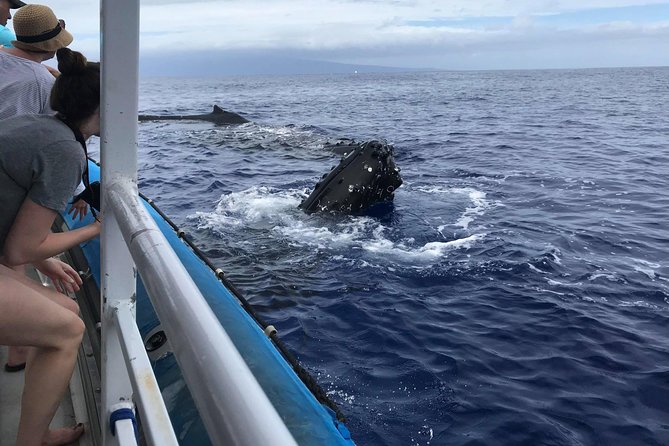
Maui can be deceptive. You can start with sunshine and then get hit with wind. Several people point out that the ride can get rough enough that a quick rain layer and wind protection are worth it. My practical advice: pack something you can put on fast, even if you think you’re only going out for a short ride. If you run cold, bring a layer even in warm months.
Onboard comfort seems to be solid overall, and the staff tends to run the trip in a friendly, organized way. People also mention practical extras like binoculars available to rent on board, which is a nice way to avoid remembering to bring your own. If you love photography or long-lens viewing, binoculars are the simplest way to close the gap between far-away spouts and the details that make whales feel real.
Now for the small annoyance category: photo sales. Some people mention a push to buy pictures or related items. The tone in their feedback is basically to ignore it and focus on the whales. If you’re someone who gets distracted by sales pressure, just mentally file it away: the important part is outside, and the crew is there to help you see and understand what’s happening.
Also, note the practical rules: alcohol is available to purchase, and the minimum drinking age is 21. That matters if you’re traveling with teens or if you’re planning to keep things calm on deck.




Price and value: does $82.65 make sense?
At $82.65 per person, this sits in the “real activity” category, not a casual add-on. What helps the value: the price includes all taxes, fees, and handling charges, plus a fuel surcharge and local taxes.
What’s not included:
- Drinks (including alcohol)
- Hotel pick-up and drop off
- Maui Ocean Center admission ticket for the aquarium stop
So the real value equation depends on two things. First: how much you care about whale interpretation. The hydrophones and marine naturalists change the experience from sightseeing to understanding. Second: whether you actually want Maui Ocean Center as part of your day. If you already planned to visit the aquarium anyway, the combined outing can feel like a smart way to bundle marine learning with your main whale hunt.
One more money-smart detail: if you’re thinking you’ll need binoculars, the fact that rentals are available can help you avoid buying equipment on the spot.
Who this trip fits best (and who should consider alternatives)
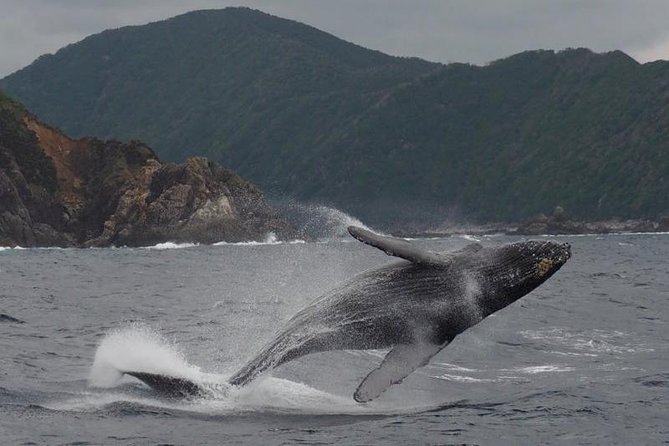
This is a good match if:
- You’re a first-time whale watcher who wants education as part of the ticket price
- You want humpbacks specifically and you like hearing whale songs
- You value a structured experience with certified marine naturalists onboard
- You’re traveling as a couple, solo, or family that can handle some wind and ocean spray
It may be less perfect if:
- You’re expecting guaranteed close-up swimming beside the boat every time. No whale watch can promise that.
- You’re traveling with very young kids who can’t handle time on the water when conditions get rough.
Kids and ages are fairly straightforward in the rules. Children must be accompanied by an adult. Children ages 4 and under are free, but you do need to include them in your booking for the manifest.
Service animals are allowed, and most people can participate. If you’re bringing anyone with mobility limits or health considerations, I’d confirm what the boat deck setup is like before committing, since that’s not detailed here.
Tips to get the best whale-viewing from this setup
You can’t control whales, but you can control your comfort and your attention.
- Dress for wind. Even if it looks calm, ocean wind can make you cold fast.
- Bring or rent binoculars. If binoculars are available onboard, use them. It turns a distant spout into a real whale shape.
- Don’t glue yourself to one spot. With a deck full of people, moving a little can improve your sight line.
- Listen first, look second. The hydrophones give you a “where to watch” cue.
- Use the naturalists’ guidance. They’re there to explain behavior and help you track what the whales are doing, not just facts afterward.
If you’re planning a tight Maui schedule, this is also the kind of activity that people often book with some lead time. On average, it’s commonly reserved about 20 days in advance, so earlier planning helps you lock in your preferred day.
Should you book Whale Watching from Ma’alaea Harbor?
Book it if you want a well-run humpback watch that pairs real whale sounds with onboard marine naturalists, plus a chance to make it a fuller marine-themed day with Maui Ocean Center. The sighting guarantee is a strong safety net, and the hydrophones are genuinely special for first-timers.
Skip or be more flexible with expectations if you need perfect calm seas and you’re imagining guaranteed close-up views every time. Even with the best crew and a good day, whales can be distant, quiet, or surface briefly. Think of this as education plus a high-value outing, not as a controlled aquarium encounter.
If you can handle wind, dress for the ocean, and stay open to the day’s wildlife tempo, this is the kind of Maui activity that tends to feel worth the ticket.
FAQ
How long is the whale watching experience?
The tour duration is about 2 hours.
How much does it cost, and what’s included in the price?
It costs $82.65 per person. The price includes all taxes, fees, and handling charges, plus a fuel surcharge and local taxes.
Where is the meeting point?
The meeting point is 192 Maalaea Rd, Wailuku, HI 96793, USA. The activity ends back at the meeting point.
What whales will we look for?
The trip focuses on humpback whales.
Is this tour offered in English?
Yes, it’s offered in English.
Are children allowed?
Yes. Children must be accompanied by an adult. Children ages 4 and under are free, but they need to be accounted for in your booking for the manifest.
What should I bring if weather turns?
This experience requires good weather, and people note that conditions can get windy or the water can be rough. Bringing rain gear is a smart idea.
What happens if the tour is canceled due to weather or you need to change plans?
If it’s canceled due to poor weather, you’ll be offered a different date or a full refund. You can cancel for a full refund up to 24 hours before the experience start time. Within 24 hours, the amount paid is not refunded.