REVIEW · MAUI
Deluxe Helicopter Tour of Molokai and Maui
Book on Viator →Operated by Maverick Helicopters Maui · Bookable on Viator
Molokai and Maui look bigger from the sky. This Deluxe Helicopter Tour of Molokai and Maui turns one short flight into a high-impact sampler: world-famous sea cliffs in Molokai, big waterfalls, and major Maui landmarks, all with live pilot commentary through panoramic windows.
What I love is the way the route strings together scenery you just can’t reach by road, and the fact that you’re flying over both islands instead of doing one island well. The only real drawback: it’s weather-dependent, and you’ll need to plan around photo ID rules and helicopter weight limits.
In This Review
- Quick, useful takeaways
- From Kahului Heliport to two-island views in 55 minutes
- Molokai’s north shore: Kahiwa Falls, Halawa Valley, and the tallest cliffs
- Southern Molokai: fishponds and the fringing coral reef
- The Pailolo Channel crossing and Maui’s Iao Valley perspective
- Honokohau Falls, Haleakala in the distance, then back to Kahului
- Price and value: what you’re paying for in real terms
- Check-in basics you should plan for: ID, weight, and seating
- Motion-sickness and photo tips that actually help
- Who this tour fits best (and who should skip it)
- Should you book the Molokai and Maui Deluxe Helicopter Tour?
- FAQ
- How long is the Molokai and Maui helicopter tour?
- Where does the tour start and end?
- Is a photo ID required?
- Do I need to meet an age requirement to fly?
- Can children fly without an accompanying adult?
- What aircraft does the tour use?
- Can I choose seating next to my group?
- What should I wear and bring?
- What if bad weather cancels the flight?
Quick, useful takeaways
- Two islands in one shot: you get Molokai’s dramatic coast and Maui’s rain-forest valleys in about an hour.
- Panoramic window views: the aircraft is set up for seeing outside, not just sightseeing from a fuzzy window.
- Waterfalls plus coastal geology: expect steep clifflines, deep valleys, and tall falls—mostly from above.
- Ancient Molokai fishpond history: you’ll fly by fishponds said to be around 800 years old.
- Pilot-led route changes (safety-first): pilots manage sightlines and ride comfort while still following FAA safety limits.
- Motion-sickness plan matters: if you’re prone to it, come prepared (I give you practical tips below).
From Kahului Heliport to two-island views in 55 minutes
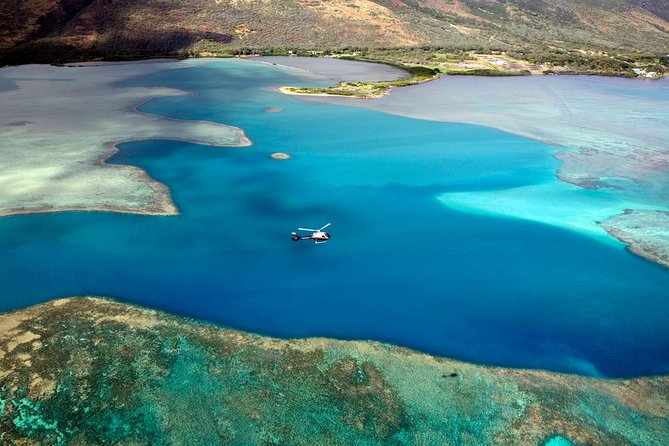
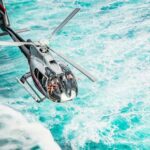
This is a 55-minute helicopter tour that starts and ends at the heliport in Kahului, Maui. That timing is the trick: long enough to cover the highlights, short enough that you’re not stuck in a day-long schedule. The company uses EC130 helicopters by Airbus Helicopters, with a typical max of 7 passengers plus the pilot, so you’re not marooned in a huge cabin full of strangers.
You meet your expert pilot after check-in, then strap in and lift off. From the start, the flight is built for seeing: the route moves from Maui out toward Molokai, so you get a “horizon widening” feeling early. You’ll also get live commentary, which really matters here—helicopter rides are fast, and having someone point out what you’re looking at turns random-looking coastline into readable scenery.
Value-wise, the price isn’t cheap on paper, but it’s paying for access: the flight literally takes you over tall sea cliffs, waterfalls, and valleys with no hiking time and no boat time. If you’ve already done beaches and road driving on Maui, this gives you a different map of the islands.
You can also read our reviews of more tours and experiences in Maui

Molokai’s north shore: Kahiwa Falls, Halawa Valley, and the tallest cliffs
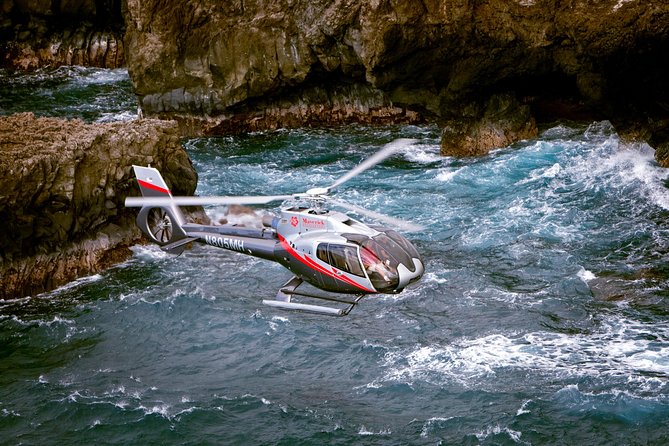
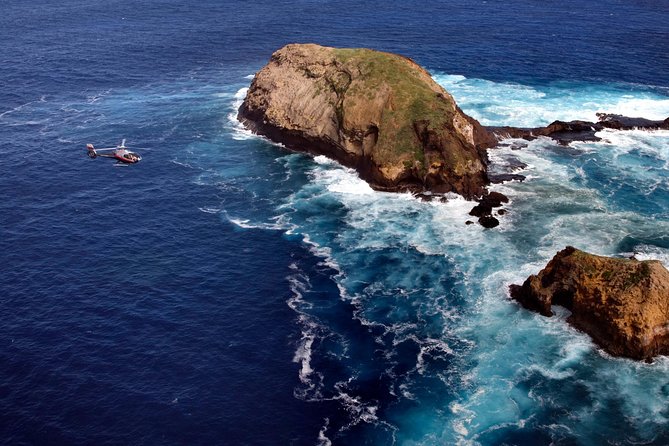
The Molokai portion is where the tour earns its keep. You cruise past the tallest sea cliffs in the world, reported as more than 3,000 feet (914 meters). Even if you know Hawaii is steep, this is the kind of scale your eyes don’t easily understand from the ground.
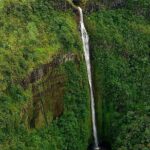
From there, you’ll get your camera ready for Kahiwa Falls—described as among the tallest waterfalls in the Hawaiian Islands. Flying above waterfalls does something roads can’t: you see the drop as a complete shape, not just a single viewpoint.
Then the route heads toward Halawa Valley. From above, valleys make sense as “movement corridors”—where wind and water cut through volcanic rock over time. You also look down on Molokai fish ponds during the north-to-south shifting scenes, setting up the next leg of the island story.
A big practical point: this part of the flight is visually intense. If you want photos, be ready to work fast. Helicopters are stable, but the best views come in short bursts as the pilot tracks the route and adjusts for safety and winds.
Southern Molokai: fishponds and the fringing coral reef
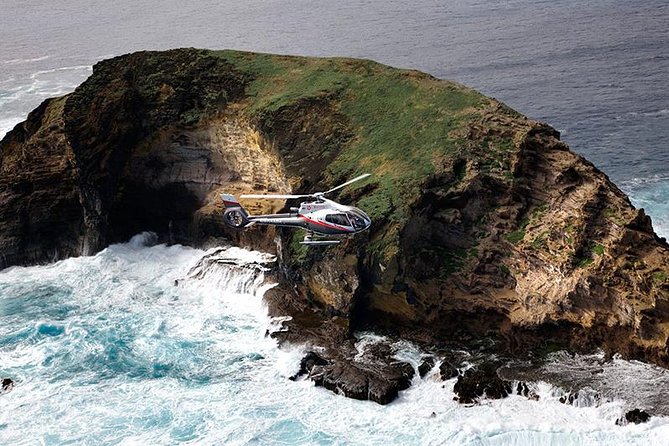
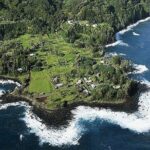
As you move toward Molokai’s southern coast, the tour shifts from cliff-and-waterfall drama to a more human-and-ecology look. You’ll fly by the Molokai fringing coral reef and majestic ancient fishponds, with the fishponds described as built around 800 years ago.
What makes this stop special is the contrast. North Molokai feels wild and sheer. South Molokai is more about systems—how people used the landscape and how marine life links to reef edges. From the air, fishpond layouts can look like geometry drawn into the land, and that’s easier to grasp than trying to “read” them from one overlook.
If you’re the type who likes seeing how locals shaped the island, this is the moment. If you’re only chasing water views, you still get it—because reefs and pond edges show color changes that are hard to notice from sea level.
The Pailolo Channel crossing and Maui’s Iao Valley perspective
After Molokai, the flight crosses back toward Maui via the Pailolo Channel. This section is a breather in terms of stops, but it’s one of the most satisfying for your brain. Channels are visual glue: they show how islands relate to each other, where currents run, and how shorelines face prevailing weather.
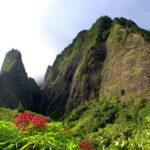
Then you’ll sweep across western Maui, with your pilot pointing out key landmarks. One of the named highlights is Iao Valley State Park, plus what’s described as a lush lava rainforest and the West Maui Mountains.
The Iao Valley mention matters because Iao isn’t just “pretty valley.” It’s a strong example of how Hawaii’s interior water patterns carve terrain. Seen from above, it helps you connect why certain valleys feel wetter and greener than others.
Also, if you’re traveling as a couple or small group: many people love that the pilot aims to rotate the aircraft so everyone gets a fair look. In the reviews I reviewed closely, pilots such as John, Jake, Nick, Felix, and Ethan were repeatedly praised for calming nervous first-timers and making sure each seat had a chance at the good angles.
Honokohau Falls, Haleakala in the distance, then back to Kahului
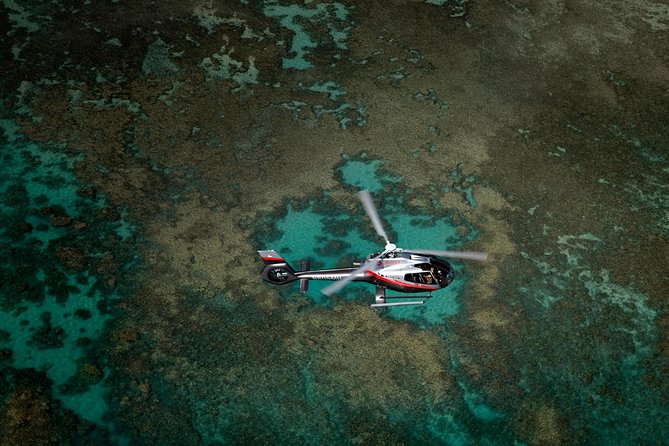
On the Maui side, the tour ends with Honokohau Falls, described as Maui’s tallest waterfall. It’s a fitting finale because you end with something that looks dramatic even without ground context.
As you wrap up, you may spot Haleakala volcano in the distance. That’s not just a nice postcard moment—it’s also your sense-check that you’re covering the right island geometry. Haleakala’s mass helps the whole flight “click” into place: you understand where the highlands sit relative to valleys and cliffs you just watched.
Then you return to the heliport and the ride ends back where you started in Kahului.



Price and value: what you’re paying for in real terms
At $375.64 per person for about 55 minutes, this is a premium activity. But the value comes down to what the helicopter replaces.
Here’s what you get for that cost:
- Access without time tax: instead of arranging multiple hikes or boat routes, you see clifflines and waterfalls efficiently.
- Two islands: you’re not choosing between Molokai and Maui. You’re compressing both into one ride.
- Live narration: pilots explain what you’re seeing, so it’s not just scenery passing by.
Where the math can be less friendly: if you’re on Maui mainly to relax at the beach and you don’t care about altitude views or waterfalls, then the price won’t feel justified. But if you enjoy “from-the-sky” perspectives, this kind of flight is one of the only ways to get that scale and variety quickly.
The group size also affects value. With a maximum of 7 passengers, it stays personal compared with bus tours. And because helicopters fly directly over the sights, you’re not spending time stuck in traffic or waiting for a tender boat.
Check-in basics you should plan for: ID, weight, and seating
Before you book, read the fine print once and then forget most of it.
Photo ID (FAA) is required for anyone over 18. The rules specify original government-issued ID such as a REAL-ID compliant driver’s license or passport. They also note that photocopies or digital IDs aren’t accepted, and missing ID means you can be denied check-in with no refund.
Weight limits are another big one:
- Total weight per passenger is capped at 275 lbs.
- If you’re over 275 lbs, you’ll be required to purchase an additional seat on the day of the tour (paid directly to the operator).
- Seating is assigned after check-in based on legal weight and balance, and the operator does not guarantee seating next to your party.
Why this matters: if you travel with someone you want beside you, plan to treat seating as flexible. The ride is short, and the key thing is getting the right sights—not perfect seat pairing.
You should also know what’s allowed onboard: only bottled water is permitted on the helicopter. Shoes are required, and comfort matters because you’ll be wearing them in the terminal and during boarding.
Motion-sickness and photo tips that actually help
Helicopters can make people nervous. The good news: the ride is usually smooth, and the pilots are experienced at managing bumpy spots and calming first-timers. In several experiences I read closely, pilots were praised for being calm, professional, and for warning passengers before rougher moments.
If you’re prone to motion sickness, use a real plan. One practical tip that shows up clearly: consider taking Dramamine about 1 hour before your flight. That’s not a guarantee, but it’s a common way to get ahead of nausea rather than fighting it mid-air.
For photos:
- Bring a camera you can grip confidently with one hand.
- Be ready at each key sight: sea cliffs, waterfall approaches, and valleys are the “brief moments” in the flight.
- Don’t count on the exact angle from your seat—this is where having a pilot who rotates the aircraft matters.
Also, you’ll likely get a photo taken with the helicopter and pilot before departure. After that, you can take as many pictures as possible.
Who this tour fits best (and who should skip it)
This helicopter tour is best for you if:
- You want a big visual hit without spending hours traveling across the island.
- You love waterfalls and want the “from-above” view of scale.
- You’re curious about Molokai’s quieter corners—especially the fishponds and remote north shore.
- You want a first helicopter experience that prioritizes safety and clear guidance.
It might not be your best pick if:
- You’re very sensitive to weather changes or can’t flex your schedule.
- You absolutely need guaranteed seating next to your travel partner.
- You don’t want to handle ID/weight rules and want everything to be casual and spontaneous.
Should you book the Molokai and Maui Deluxe Helicopter Tour?
If your ideal Hawaii day includes one short, high-impact activity with views that feel impossible from the road, I’d say yes—this tour has a strong “scale-to-value” payoff. The mix of world-class cliffs, major waterfalls, the Pailolo Channel crossing, Iao Valley, and Honokohau Falls means you’re not repeating the same kind of scenery for a full hour.
Book it with confidence if you prepare: bring the right photo ID, follow weight rules, and plan for motion sickness if you need it. Skip it if your budget is tight and you don’t care about seeing Hawaii from altitude. For the right traveler, this is the kind of trip you remember not because it was comfortable, but because it was different—and it covers a lot of Hawaii in one unforgettable flight.
FAQ
How long is the Molokai and Maui helicopter tour?
The ride is about 55 minutes.
Where does the tour start and end?
It starts at the heliport in Kahului, Maui, and ends back at the meeting point.
Is a photo ID required?
Yes. For travelers over 18, a government-issued photo ID is required for check-in (digital IDs and photocopies aren’t accepted).
Do I need to meet an age requirement to fly?
There is no minimum age. Children under 2 are considered lap children if they have valid paperwork and fly at no cost.
Can children fly without an accompanying adult?
No. Children 16 and under must be accompanied by an adult.
What aircraft does the tour use?
The flights use EC130 helicopters by Airbus Helicopters.
Can I choose seating next to my group?
Seating is assigned after check-in based on legal weight and balance. The operator cannot guarantee seating next to or in the same row.
What should I wear and bring?
Wear comfortable clothing and make sure you bring shoes. Cameras and sunglasses are recommended.
What if bad weather cancels the flight?
If the tour is canceled due to weather, you’ll be offered a different date or a full refund. Safety decisions are made by the pilots.