REVIEW · MAUI
Haleakala Morning Best Guided Bike Tour with Bike Maui
Book on Viator →Operated by Bike Maui AND Haleakala EcoTours · Bookable on Viator
Watching sunrise from Haleakala is unreal. This guided bike tour pairs that early-morning payoff with Kona mountain bikes and a real plan for getting you down fast—starting around 6,500 ft. I also love that you get more than a ride: you’ll learn about Haleakala National Park with a professional guide, then roll into the switchbacks with a team that keeps things moving.
The possible drawback is simple: bad weather can erase the views and make the ride feel shorter or less exciting than expected. If you’re paying a premium price, you’ll want to go in knowing you must be comfortable biking in cool, windy conditions, and you’ll still be responsible for your own water, snacks, and no-host lunch spending.
In This Review
- Key highlights you’ll care about
- Haleakala sunrise, but with wheels: the real vibe
- The meet-up in Haiku and the start time that shapes your day
- Shuttle to the summit area: getting to 6,500 ft without stress
- Sunrise and Haleakala National Park: what the guide adds
- The “Fabulous 29” switchbacks: adrenaline, control, and Kona bikes
- Upcountry Maui and Makawao: why this stop isn’t filler
- What’s included (and what you provide yourself)
- Price check: is $272.58 per person worth it?
- Rider rules that affect comfort and safety
- Weather, safety, and rain: what to plan for
- Guide dynamics: why names like Dan, Tim, and Pistol Pete matter
- Who this tour fits best
- Quick checklist before you go
- Should you book this Haleakala Morning Guided Bike Tour?
- FAQ
- What time does the Haleakala morning bike tour start?
- Where is the meeting point?
- How long is the tour?
- How much does the tour cost?
- What is included in the tour?
- Is lunch included?
- Do I need to bring water or snacks?
- Do I need hotel pickup?
- What are the minimum age and height requirements?
- What happens if the weather is bad?
Key highlights you’ll care about
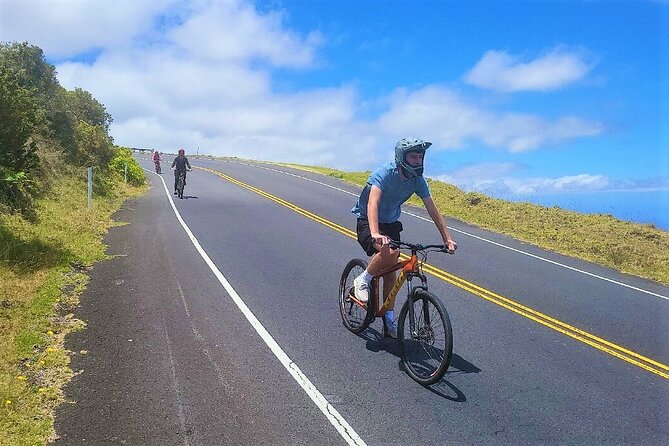
- Kona bikes plus a windbreaker suit are included, so you start the ride properly dressed
- Haleakala National Park entrance is covered, with a guide who explains what you’re seeing
- Guided sunrise-focused timing includes biking beginning around 6,500 ft
- Downhill on the Fabulous 29 switchbacks is the big ticket item
- Upcountry Maui + Makawao adds local texture, not just crater views
- Group size can be large (max 96), so pace may feel controlled rather than solo
Haleakala sunrise, but with wheels: the real vibe
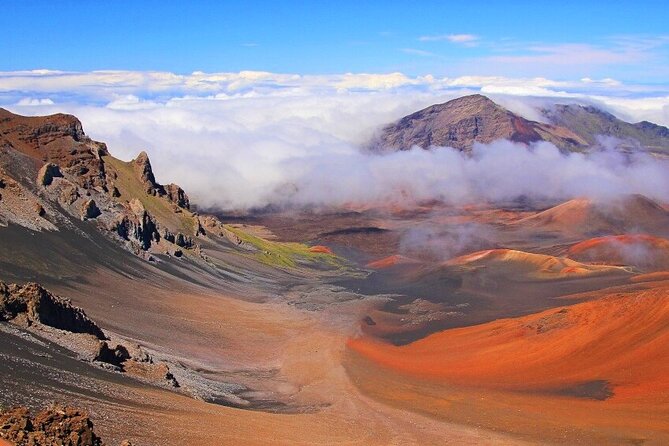
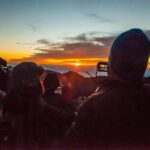
This tour is built around a Maui morning ritual: you get up early, you reach Haleakala’s high country, and then the day starts with sunrise before you fly down. The special part is how the experience blends two moods—quiet, cold “watch the sky change” time, then adrenaline as the descent begins.
What makes this feel worth your attention is the combination of education and execution. Before you’re racing switchbacks, you’re not just dropped into a helmet; you’re guided through the national park story, and you’ll understand why the island looks the way it does from that crater rim. Then you ride a serious downhill profile on top-of-line Kona bikes—no bargain-bin equipment.
One more detail that matters: the guide-led setup means you’re not alone managing traffic, braking technique, or pacing. That can be a comfort on a road famous for its tight bends.
You can also read our reviews of more cycling tours in Maui
The meet-up in Haiku and the start time that shapes your day
You meet at 810 Haiku Rd, Haiku, HI 96708, and the tour starts at 8:00 am. The day ends back at the same meeting point. There’s no hotel pickup, so plan on getting yourself to Haiku in time.
Why this matters: your time and energy are front-loaded. Even though the official start time is 8:00 am, the ride depends on getting you into position for the sunrise and the high-elevation biking start (around 6,500 ft). In practice, that means you’ll want an early, calm morning: eat something beforehand (you’ll have no-host lunch later), and keep your phone charged.
This also means you should build in a little buffer for parking or transport. The tour notes you’re near public transportation, which helps if you’re car-light, but you still want to arrive on time so you don’t miss the pre-ride flow.
Shuttle to the summit area: getting to 6,500 ft without stress
The tour uses an air-conditioned vehicle for the transfer portion. After you meet, you’ll be taken toward the national park area. The plan is to begin the biking portion at about 6,500 ft elevation, just outside the park entrance.
That’s an important setup. Haleakala’s topography is dramatic and the climb to the viewing area is part of the experience. The tour handles the driving so you can focus on getting prepared for the descent rather than thinking about timing, gear, and directions.
Also, you’ll be riding as part of a group. Even the best riders on the planet don’t control traffic flow as solo bikes at speed. Here, your guide and setup are part of the safety system.
Sunrise and Haleakala National Park: what the guide adds
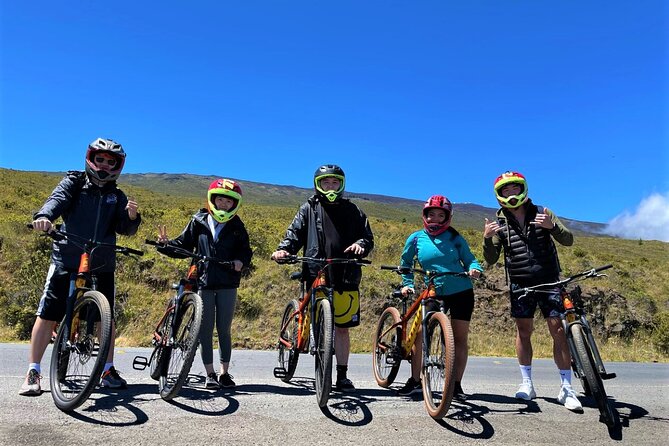
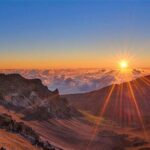
Haleakala National Park is famous for the way the crater world stretches out in every direction. From that summit area, you get expansive views over the crater valley, and the experience includes seeing how the dormant volcano shapes what you see.
The guide component matters because Haleakala isn’t just scenery—it’s a living system with a specific set of weather patterns and conditions. A strong guide can turn a view into understanding. In the feedback I’m using as a yardstick, guides such as Dan and Tim are praised for Maui context and island knowledge, and that tends to be most useful on a tour like this where you’re dealing with big contrasts: cold air, thin light, then bright switchbacks.
You may also notice that the tour’s description emphasizes learning before the downhill. That makes sense. The moment you start riding, you’re focused on speed control and reading the road. If you understand what you’re looking at first, the views feel more “earned.”
The “Fabulous 29” switchbacks: adrenaline, control, and Kona bikes
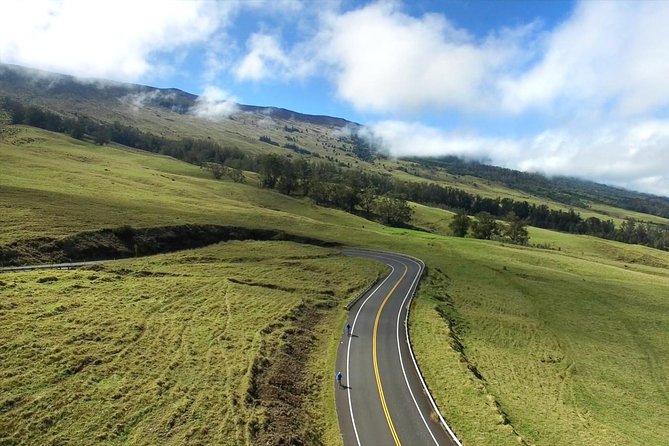
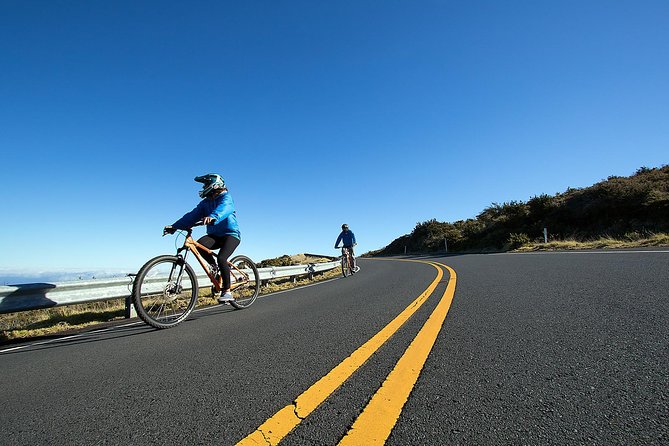
This is the heart of the tour. After sunrise, you begin your guided bike ride downhill, including the world-famous Fabulous 29 switchbacks. These bends are the reason people come to ride Haleakala in the first place.
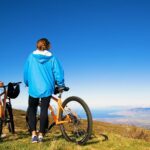
The bikes are custom Kona mountain bikes, and you get helmets and a Helly Hansen windbreaker suit top and bottom. That suit detail is bigger than it sounds. Haleakala can be cold and windy even when the rest of Maui is warm, and being properly layered changes how enjoyable the ride feels.
Now, a practical reality check: downhill bikes are not the same as casual cruising. You’ll need the kind of riding comfort that comes from recent experience. The tour also sets a moderate fitness level requirement and says recent biking experience is required, which matches the reality of descending a steep route.
In one of the standout pieces of advice reflected in the feedback: if you ride bikes all the time, you may find group pace a bit frustrating. A guided ride means you’ll slow down to keep everyone together. If you want maximum freedom, you might prefer a self-guided option—while still respecting the fact that the route is serious.
You can also read our reviews of more guided tours in Maui
Upcountry Maui and Makawao: why this stop isn’t filler
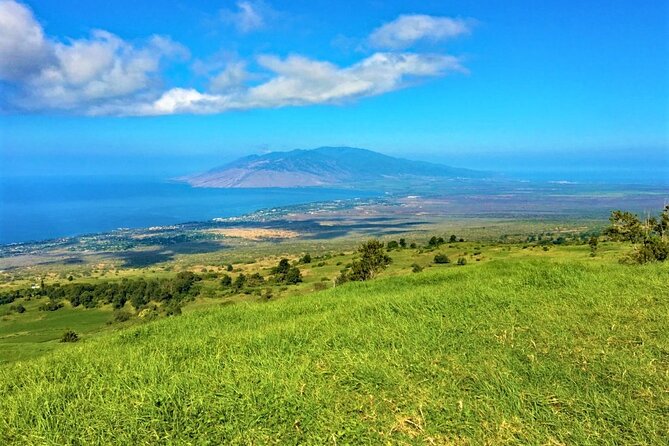
After the downhill portion, you’ll take a shuttle through Upcountry Maui, and then you’ll bike through the upcountry town of Makawao. This is where the tour adds balance.
Crater rides can blur into one long visual intensity. Makawao brings you back to scale: a real town, local energy, and a calmer pace that lets you reset. It also gives you a change in scenery after the dramatic high-elevation descent.
Then there’s lunch. The tour includes a no-host lunch stop in Makawao town, and you’ll need cash or a credit card to pay for it. The tour notes you should bring your own water and snacks, which I’d take seriously here. No-host lunch is helpful, but it doesn’t replace hydration during the ride.
If you’re budget-minded, check your lunch expectations before you go. You might spend less than you expected—or more—depending on where you stop and what you order. Either way, it’s not baked into the price.
What’s included (and what you provide yourself)
Here’s where the value story really lives.
Included:
- Air-conditioned vehicle
- Custom Kona Mountain Bike
- Helmet
- Helly Hansen windbreaker suit (top and bottom)
- Professional bike guide
- Entrance into Haleakala National Park
- All fees and taxes
- No-host lunch stop in Makawao
Not included:
- Gratuity
- Hotel pickup (you meet at the Haiku location)
- Your own water and snacks
- Lunch is no-host, so you pay for it
That “bring your own water and snacks” line is the one I’d never treat casually. Even with a windbreaker suit provided, you’ll burn energy and you’ll want hydration. If you’re sensitive to low calories while moving fast, bring simple snacks that don’t require cooking.
Price check: is $272.58 per person worth it?
At $272.58 per person, this isn’t a budget outing. But it’s also not priced like a “guide-less photo scavenger hunt,” either.
What you’re paying for:
- A guided ride with safety and pacing management
- High-end rental-level gear (Kona bikes, helmet, windbreaker suit)
- National park entrance included
- The specific infrastructure to get you up and down in a tight morning window
- An experience that centers on the Fabulous 29 switchbacks and sunrise timing
The critique that matters most is the downside scenario: if rain rolls in and visibility drops, the view payoff can disappoint, and the ride may not feel as long or as spectacular as you hoped. That’s not the operator’s fault, but it does impact how people judge value.
So here’s my practical take. If you show up fit, layered, and prepared for cool weather—and you’re chasing the real Haleakala downhill experience—this price can make sense. If your trip plan is fragile and you can’t risk weather affecting the “wow,” then you might want to compare against a less timing-sensitive Haleakala option.
Rider rules that affect comfort and safety
This tour sets specific requirements:
- Minimum age for bikers: 15
- Minimum height: 4’10”
- Recent biking experience required
- Moderate physical fitness level
Why those rules matter: fit and bike handling. If you’re too short, your control and braking become harder. If you haven’t been riding recently, downhill speed can turn stressful fast—especially in cooler wind.
Also, the tour has maximum 96 travelers. That doesn’t mean everyone bikes the same pace, but it does mean you should expect group structure and controlled movement. If you like riding solo, you might find group dynamics less satisfying.
Weather, safety, and rain: what to plan for
This experience requires good weather. If it’s canceled due to poor weather, you’ll be offered another date or a full refund. The cancellation window is generous enough that you’re not trapped if plans shift, but the key idea stays: weather drives the experience.
And when it rains, your experience changes. One big theme in the feedback I’m using: rain can reduce the visibility payoff, and the ride may feel less fun simply because the crater views disappear behind clouds. On the other hand, safety standards still matter, and guides can keep the operation steady even when conditions aren’t ideal.
My advice is simple: dress for wind and wet. Even if you get a windbreaker suit, you can still get chilled. Bring sensible layers you can move in, and plan to keep your hands warm and dry enough to brake confidently.
Guide dynamics: why names like Dan, Tim, and Pistol Pete matter
A guided downhill ride lives and dies on the guide’s ability to manage pacing. In the feedback, names like Dan and Tim come up for Maui knowledge and guidance, and Pistol Pete stands out for encouragement—especially for riders who struggle to maintain speed or keep up with the group.
That’s not just personality trivia. It’s your comfort. If you’re nervous on the descent, an active guide who signals the right effort makes a huge difference. If you’re strong and fast, you might still benefit because a well-run group can help you stay safe while keeping the ride lively.
Who this tour fits best
This is a good match if:
- You want a guided way to ride Haleakala down rather than handling it on your own
- You’re comfortable with downhill biking and you have recent experience
- You enjoy learning context, not just taking pictures
- You’d like the bonus of upcountry biking through Makawao
You might consider a different style of Haleakala biking if:
- You want full control over pace and freedom to ride at your own speed
- Rain would ruin your day and you can’t flex plans if weather interferes
- You’re not confident meeting the height/age/fitness rules
Quick checklist before you go
- Bring water and snacks
- Plan for cold and wind even in the morning
- Wear shoes you trust for biking control
- Arrive at 810 Haiku Rd on time since there’s no hotel pickup
- Expect group pace, not solo freedom
Should you book this Haleakala Morning Guided Bike Tour?
Book it if your priority is the full Haleakala story: sunrise timing, park learning, and the real downhill thrill of the Fabulous 29 switchbacks on Kona bikes with a professional guide. The included gear and national park entrance help justify the price, and the Makawao stop adds a nice change of scenery that keeps the day from feeling one-note.
Skip it or compare alternatives if you’re extremely weather-sensitive or you’re looking for a completely independent ride. Rain can blunt the view payoff, and group pacing might not match your personal riding style.
If you want one decision rule: if you can dress for wind, you’ve ridden recently, and you’re excited by the idea of sunrise plus downhill, this tour is a strong fit.
FAQ
What time does the Haleakala morning bike tour start?
The tour starts at 8:00 am.
Where is the meeting point?
You’ll meet at 810 Haiku Rd, Haiku, HI 96708, USA, and you return to the same location.
How long is the tour?
It lasts about 6 hours.
How much does the tour cost?
The price is $272.58 per person.
What is included in the tour?
Included are an air-conditioned vehicle, custom Kona mountain bike, helmet, Helly Hansen windbreaker suit top and bottom, professional bike guide, entrance into Haleakala National Park, and all fees and taxes.
Is lunch included?
There is a no-host lunch stop in Makawao town. You’ll need cash or a credit card to buy your lunch.
Do I need to bring water or snacks?
Yes. You should bring your own water and snacks.
Do I need hotel pickup?
No. Hotel pickup is not included. You meet at the location provided.
What are the minimum age and height requirements?
The minimum age is 15 years old, and the minimum height for bikers is 4’10”.
What happens if the weather is bad?
The experience requires good weather. If it’s canceled due to poor weather, you’ll be offered a different date or a full refund.