REVIEW · MAUI
Haleakala Summit Best Self-Guided Bike Tour with Bike Maui
Book on Viator →Operated by Bike Maui AND Haleakala EcoTours · Bookable on Viator
A volcano bike ride with views for days. I love the combo of Haleakala crater viewing plus a long 15-mile downhill on supplied Kona mountain bikes. You also get a bus ride up with real interpretive storytelling, led by NAI certified guides like Kimo, which makes the whole day feel more meaningful than just pedals and photos. The main drawback is time: you’ll spend a chunk of the morning riding in an air-conditioned vehicle before you start biking.
I like that this is truly self-guided, so you can stop, regroup, and ride your own rhythm instead of being trapped in a slow group pace. The day is also built for variety: crater views, famous switchbacks, and a cut through Upcountry town life in Makawao. The thing to consider is that roads can be busy and conditions can change fast, so you need solid cycling comfort and the ability to focus the whole time.
In This Review
- Key Highlights You’ll Feel Immediately
- From Haiku to Haleakala: The Morning Setup That Matters
- The Crater Stop: Cold Views, Good Stories, and Fast Learning
- The Downhill Run: Kona Bikes and the Famous 29 Switchbacks
- Self-Guided in Real Life: You Set the Pace, You Manage the Details
- Route Changes and Closed Segments: What to Expect When Laws Intervene
- Makawao to Haiku: Upcountry Town Riding Without the Big Tour Scene
- What You Get, What You Bring: Packing Smart for a 7-Hour Day
- Safety and Road Sense: Who This Tour Works For
- Value for $238.59: Is It Worth It?
- When You Should Book (and When You Should Think Twice)
- FAQ
- FAQ
- What does the Haleakala Summit self-guided bike tour cost?
- How long is the tour?
- Where does the tour start and what time does it begin?
- What bike and gear are included?
- What should I bring for the ride?
- Do I need prior biking experience?
- What are the age and height requirements?
- Is this tour guided or fully self-guided?
- What happens if weather is poor?
Key Highlights You’ll Feel Immediately
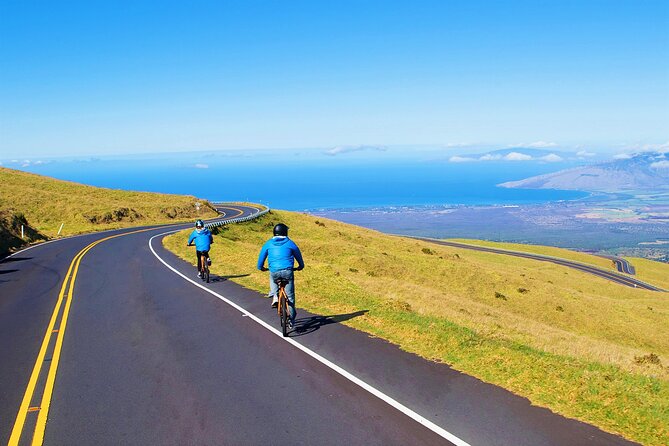
- 6,500 ft start for a 15-mile downhill that’s the heart of the experience
- Haleakala Crater stop with interpretive guide stories during the ride up
- Fabulous 29 switchbacks are the jaw-drop moment riders talk about
- No convoy biking, so you control stops and spacing
- Makawao and Haiku riding to finish your day with real Upcountry town vibes
- Supplied gear includes helmet, a bell, and a windbreaker suit top and bottom
From Haiku to Haleakala: The Morning Setup That Matters
Your day begins at 810 Haiku Rd in Haiku, with a start time of 8:00 am. You’ll load onto an air-conditioned vehicle and head up toward Haleakala Summit. This matters because Haleakala is not a quick hop. You’re moving into a high-elevation environment where the weather can feel totally different than lower Maui.
The best part of the morning isn’t only the scenery—it’s how you’re oriented. An NAI certified interpretive guide shares stories on Hawaii’s history and culture on the way up. Kimo is one name that shows up in rider feedback, and people mention his energy, his knowledge of Maui, and his knack for making details stick. Even if you’re a casual history fan, this kind of framing helps you connect what you’re seeing at the crater to a bigger picture.
You’ll also get pre-ride instructions before you’re on the bike. That’s where route notes and safety expectations are covered, and it’s where you’ll want to pay attention if you’re nervous about cycling on roads.
You can also read our reviews of more cycling tours in Maui
The Crater Stop: Cold Views, Good Stories, and Fast Learning
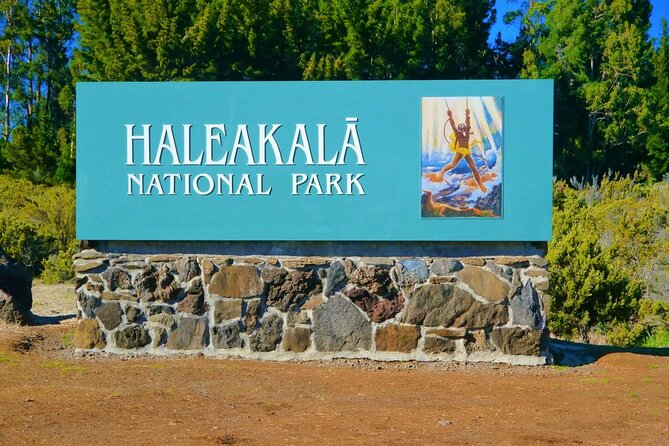
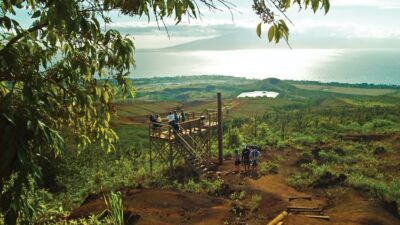
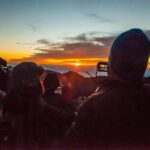
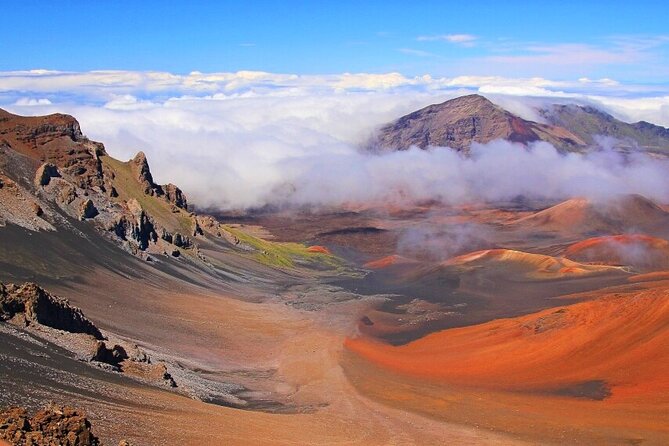
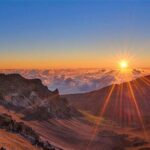
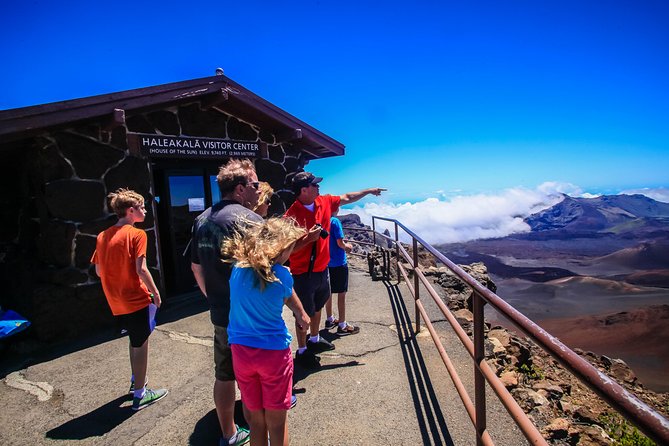
The tour’s first stop is Haleakala Crater. This is where the day’s “wow” becomes real. Haleakala doesn’t give you one view—it gives you a lot of them, layered by elevation and light. Expect to spend time taking it in, not just snapping a few photos.
Why this stop pairs well with biking: the crater experience gives context. The downhill ride isn’t random thrill-seeking. It becomes the payoff for the time you spent getting up high and understanding the place.
Timing is important here. The bike part depends on what you do at the top. If you move slowly at the crater stop, you might feel rushed once you’re ready to ride. If you’re quick to gear up and you like to get your legs warmed up, you’ll probably enjoy the full flow more.
Weather is another reality check. One rider noted it can start freezing cold with rain showers and then turn sunny—so plan on layers even if you’re from a warm climate. The tour includes gear (more on that soon), but you’ll still feel the shift when you leave the crater area.
The Downhill Run: Kona Bikes and the Famous 29 Switchbacks
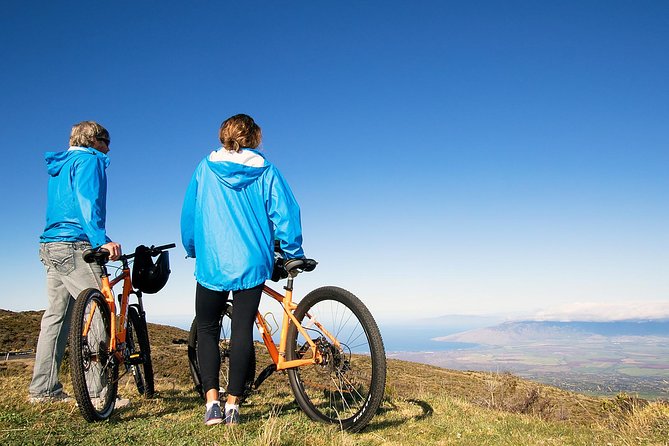
After the crater, you switch from sightseeing mode to riding mode. You’ll be given custom Kona bikes, plus a helmet and a bell. Then comes the moment most people book for: a 15-mile downhill starting around 6,500 feet.
This is where the tour earns its reputation. You’ll ride downhill at your own pace—no convoy pressure, no marching order. That’s a big deal. On a steep descent, your brain needs room to breathe. You need to pick your speed, watch the road, and decide when it’s worth stopping for a view.
The standout feature riders call out is the Fabulous 29 switchbacks. Even if you’ve never heard the phrase before, you’ll understand it when you’re on the route. Switchbacks are about flow. The best part is that you don’t just brake and survive—you can actually ride and enjoy the rhythm of turning and looking out over the terrain.
Two practical notes:
- Traffic awareness matters. You’re on roads, so you need constant attention for cars and other cyclists. The tour prioritizes safety, but physics still applies.
- Ride within your comfort level. A self-guided downhill can be exhilarating, but you’re also responsible for your own concentration.
There’s also a transportation element built in. You’ll get shuttled down to a point just above historic Makawao, which helps shape how the route feels. Instead of a single long uninterrupted descent, the day blends riding and transitions so you can keep energy for the final town segments.
Self-Guided in Real Life: You Set the Pace, You Manage the Details
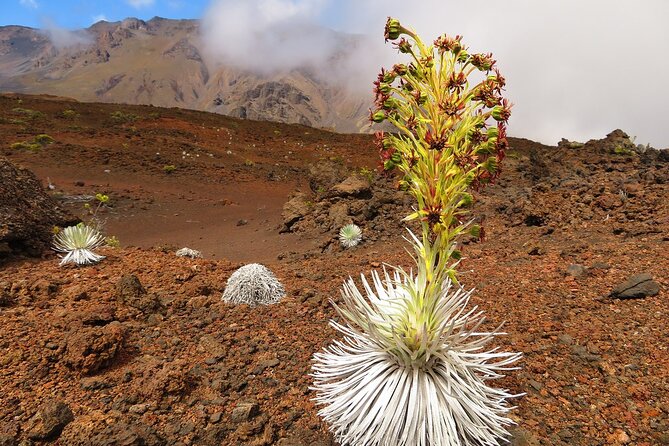
Self-guided sounds simple until you’re facing the reality of a downhill day. The real advantage is freedom: you can stop where you like, take breaks when you need them, and avoid being stuck behind someone who’s moving slow.
The real challenge is mental. You’ll need to keep track of directions at least sometimes. One rider said they relied on Google Maps at a few points to double-check where to go. If you’re the type who hates even small uncertainty, download maps ahead of time and keep your phone charged.
Because it’s self-guided, this tour fits best if you’re comfortable riding:
- with a plan
- with changing conditions
- with cars nearby
Also, since there’s no convoy, you shouldn’t assume the group will stay glued together. That can be fun, but it also means you should ride with a “don’t lose yourself” mindset.
Route Changes and Closed Segments: What to Expect When Laws Intervene
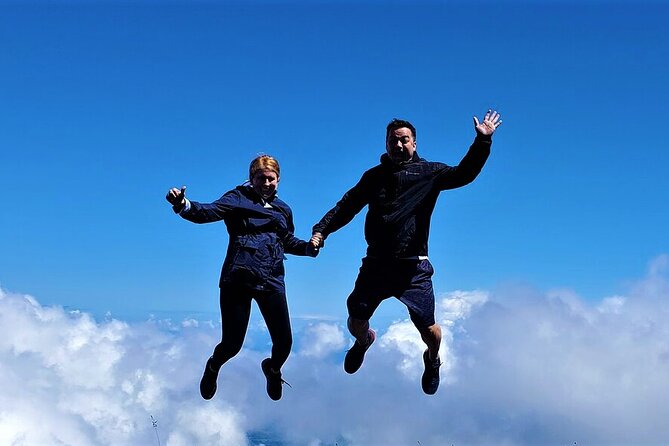
One detail worth knowing before you picture a perfect, uninterrupted ride: parts of the route can be affected by closures or local rules. In feedback, riders mention that a section through Kula is closed to riders, and that local laws removed the middle portion of the ride.
You don’t need to panic—this is exactly why you get pre-ride instructions and why the shuttle plan exists. Still, go in with flexible expectations. If you planned to pedal every single mile as one continuous line, you might feel a little letdown when a segment is altered.
Think of it this way: the tour is built around the big picture—the crater, the high-elevation descent, and the finish through Makawao and Haiku. If a middle chunk changes, the core experience is usually still there, but you should expect the route to be managed for safety and compliance.
You can also read our reviews of more guided tours in Maui
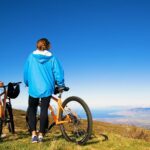
Makawao to Haiku: Upcountry Town Riding Without the Big Tour Scene
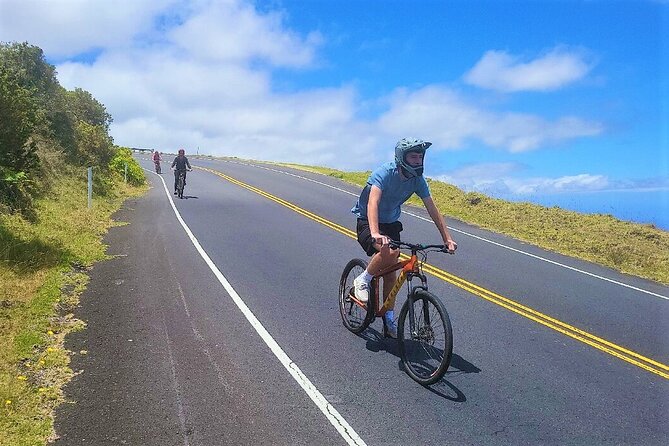
After the shuttle puts you near the Makawao area, you’ll bike through Upcountry town of Makawao and continue biking back toward Haiku. This is a quieter payoff after the drama of the crater descent.
Makawao matters here because it shifts the vibe. Instead of only thinking about speed and views, you get to experience a real community layout. Even if you’re not shopping or stopping at specific places, the streets feel different than the higher, more remote areas.
The end of the ride is back down to Haiku, and the activity finishes at the original meeting point area. That means you’re not left stranded or scrambling for a last-mile solution.
This town-to-finish structure is one of the reasons the tour works for people who want both thrill and a sense of place.
What You Get, What You Bring: Packing Smart for a 7-Hour Day
The included gear is solid and practical for a cold-to-sunny day:
- Custom Kona mountain bike
- Bell
- Helmet
- Helly Hansen windbreaker suit top and bottom
- Da Kine backpack
- Air-conditioned vehicle
- All fees and taxes
They also make it clear that you’ll want your own essentials. Bring your own water & snacks. And if you want a break, the lunch option is no-host, with lunch available in either Makawao or Haiku. You’ll need a credit card or cash for that.
So what should you pack beyond water and snacks? The tour data doesn’t list extras, so I’ll keep it grounded: you’ll be dealing with changing conditions, so treat layers and weather protection as non-negotiable. One rider specifically mentioned starting cold, getting rain, then seeing sun and ending with sunburn—so plan to protect your skin once the weather clears.
Also, since this is a moderate physical fitness ride with recent biking experience required, bring your own judgment. If your legs don’t do well on descents or your brakes aren’t something you can trust, this is not the place to “test yourself.”
Safety and Road Sense: Who This Tour Works For
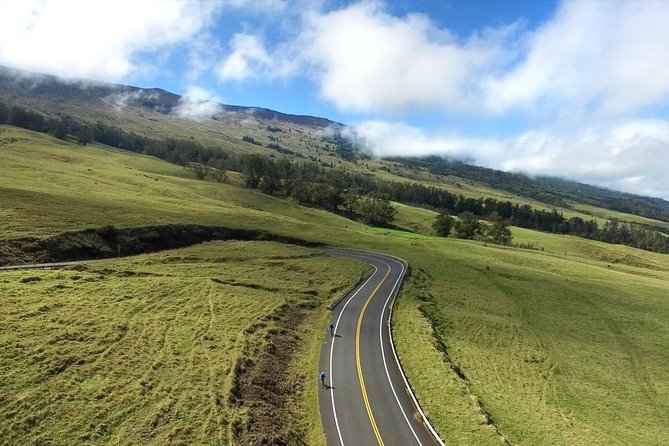
This tour works best for riders who can handle real road conditions. You’ll be biking near traffic, and you may be on roads that don’t feel built for bikes. Still, the operation is organized, and safety is a priority.
A useful takeaway from rider feedback: some people who planned self-guided ended up feeling better with a guided option because guides can help with navigation and safe positioning. If you’re new to cycling on the kinds of roads involved, you may prefer someone to handle cues and route confidence for you.
You should also know the tour has requirements:
- Minimum height: 4’10”
- Minimum age: 15
- Maximum travelers: 48
- Recent biking experience required
- Near public transportation
If you’re comfortable biking in varied conditions, this should feel like an exciting challenge. If you’re unsure about road cycling, I’d hesitate.
Value for $238.59: Is It Worth It?
At $238.59 per person, this isn’t a budget activity. The value comes from the combination:
- a guided-style interpretive component on the drive up
- bike rental and protective gear
- a high-elevation descent experience that’s hard to recreate on your own
- a built-in shuttle to support the ride flow
- the chance to explore Makawao and Haiku on two wheels
You’re paying for more than the bike. You’re paying for logistics: getting you from Haiku to the crater area, getting gear in place, handling safety expectations, and managing the ride route so you can focus on biking instead of figuring out everything alone.
Is it worth it? If you really want Haleakala downhill biking and you’re a capable rider who enjoys self-guided freedom, it’s a strong use of time. If you want maximum hand-holding or you’re likely to stress about directions, you might feel the price more sharply.
When You Should Book (and When You Should Think Twice)
Book this tour if:
- you want the Haleakala Summit views plus an actual biking payoff
- you’re comfortable riding downhill and staying aware of cars
- you like self-paced travel and can handle simple navigation tasks
- you want to end with town riding in Makawao and Haiku
Consider a different style if:
- you’re not confident with road cycling
- you’re prone to anxiety when routes change
- you need someone to manage ride pacing and safety cues end-to-end
- you’d be disappointed if a portion of the ride is altered due to closures or rules
A key mindset shift that helps: treat this as an active day with planning and focus, not a casual cruise. If you show up ready to ride, the experience can feel like the best kind of Maui mix—big nature, then fast fun.
FAQ
FAQ
What does the Haleakala Summit self-guided bike tour cost?
The price is $238.59 per person.
How long is the tour?
It runs about 7 hours.
Where does the tour start and what time does it begin?
It starts at 810 Haiku Rd, Haiku, HI 96708, and the start time is 8:00 am.
What bike and gear are included?
You get a custom Kona mountain bike, a helmet, a bell, a Helly Hansen windbreaker suit (top and bottom), a Da Kine backpack, and an air-conditioned vehicle.
What should I bring for the ride?
Bring your own water and snacks. Lunch, if you want it, is no-host, and you’ll need a credit card or cash.
Do I need prior biking experience?
Yes. Recent biking experience is required, and you should have moderate physical fitness.
What are the age and height requirements?
Minimum age is 15, and minimum height is 4’10”.
Is this tour guided or fully self-guided?
It’s self-guided for the bike portion, with interpretive storytelling provided by an NAI certified guide during the ride up to the summit area.
What happens if weather is poor?
This experience requires good weather. If it’s canceled due to poor weather, you’ll be offered a different date or a full refund.