REVIEW · MAUI
Hike Honolua Ridgeline
Book on Viator →Operated by HeleWai Eco Tours · Bookable on Viator
Water shapes Maui’s soul. The Honolua Ridgeline hike is a guided walk through Pu’u Kukui-area conservation lands, where you’ll see how the island’s native forest connects to the water story. I like that it’s not just views; you also learn what a conservation team does right there on the land, plus how ridge-walks fit into the bigger watershed picture.
I also love the practical touches in this tour style: a small group (up to 12) and guides like Jason, Yancy, and Kevin who point out what matters as you go. The only real caution is that some spots can feel slippery, so bring steady footing and go slow when the trail smooths out.
In This Review
- Key Highlights at a Glance
- Where the Honolua Ridgeline Hike Fits Into Maui
- Meet at Lahaina: Starting Smooth, Staying Focused
- The 2-Mile Route: Shade, Ridgeline Breathing, and Valley Views
- What You Learn: Native Plants, Invasives, and the Water Connection
- Conservation Lands Near Pu’u Kukui: Why This Setting Matters
- The Best Part After the Walk: Maui Gold Pineapple
- Pace, Fitness, and Trail Reality (So You’re Not Guessing)
- Group Size and Guide Quality: How It Changes Your Experience
- Price and Value: What You’re Really Paying For
- Who Should Book This Honolua Ridgeline Hike
- Should You Book HeleWai Eco Tours for Honolua Ridgeline?
- FAQ
- FAQ
- How long is the Honolua Ridgeline hike?
- How far will I hike?
- Where is the meeting point?
- What time does the tour start?
- What language is the tour offered in?
- Is there a mobile ticket?
- How many people are in the group?
- What fitness level do I need?
- Is the hike weather dependent?
- Is there free cancellation?
Key Highlights at a Glance
- Pu’u Kukui conservation setting near private land you might not access on your own
- 2-mile Honolua Ridgeline loop-style hike with an easy-to-follow pace for most people
- Native forest + invasive plant spotting explained in plain, human terms
- Ridge lookouts and valley views that make the short distance feel worth it
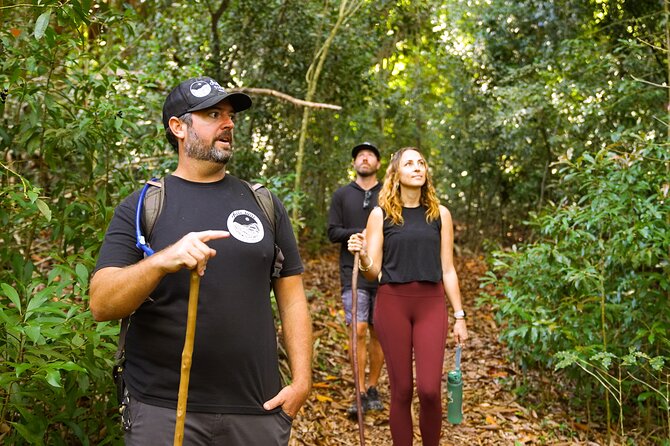
- Walking sticks provided to help you stay sure-footed
- Maui Gold pineapple at the end as a small, simple treat
Where the Honolua Ridgeline Hike Fits Into Maui
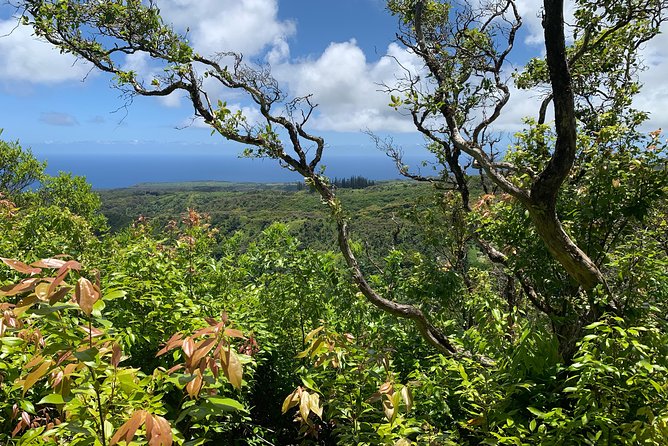
Maui has plenty of hikes. This one feels different because it’s tied to conservation, not just scenery. You walk along a valley ridgeline in native forest shade, and the story keeps coming back to water—how it’s gathered, protected, and respected.
This is also a short hike for people who want Hawaii ecology without committing to a full day on the trail. The route is about 2 miles (3.2 km) and lasts around 3 hours 15 minutes, which usually lands in the sweet spot between too short to learn anything and too long to enjoy.
One more thing I appreciate: the tour caps the group at 12. Smaller groups generally make it easier to ask questions, pause for plant details, and actually look at what’s in front of you instead of just walking past it.
You can also read our reviews of more hiking tours in Maui

Meet at Lahaina: Starting Smooth, Staying Focused
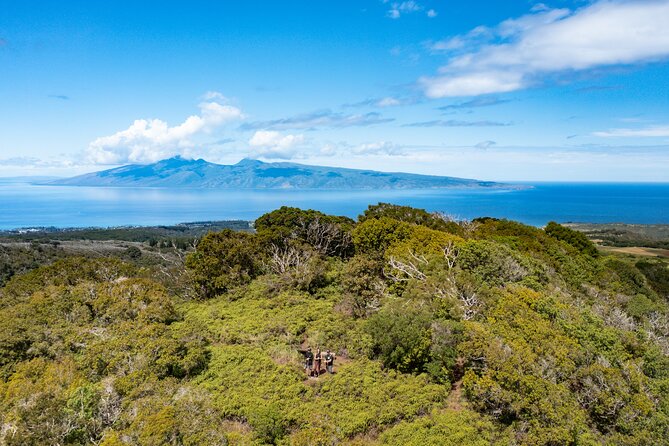
Your tour begins at 800 Office Rd, Lahaina with a 9:00 am start. That early timing matters. In Maui, morning light often makes plant details easier to see, and temperatures tend to feel more manageable on a ridge walk.
Right away, the guide frames what you’re going to see. You’re not just hiking through a pretty corridor. You’re learning what a conservation team does on the ground, and how that work supports the health of the Pu’u Kukui Watershed Preserve area.
From the guide styles reported in feedback, the tone tends to be friendly and very grounded in real work—what gets managed, what gets protected, and why water is treated like something sacred. Expect the hike to feel like an outdoor classroom that still lets you enjoy the sky and the views.
The 2-Mile Route: Shade, Ridgeline Breathing, and Valley Views
The main event is the Honolua Ridgeline walk—about 2 miles total, with a steady, manageable pace. One key detail: you’ll be under a canopy of shade along the ridgeline much of the way. That keeps the hike comfortable and also helps you actually notice the plants instead of squinting your way through sun glare.
As you move, the guide brings you toward moments worth slowing down for: ridge angles, valley sightlines, and places where you can see the land’s shape change from forested stretches to outlook points. Several guides are praised for getting the most out of the hike without turning it into a sprint.
And yes, there are views. Not the quick “walk five steps and take a selfie” kind. Think lookouts where you can really take in the valleys and understand how water and landform interact. Even if you’ve visited Maui before, this kind of perspective is a big reason people put this hike on their best-of list.
Practical tip: wear shoes with good traction. The route is not described as punishing, but there are slippery spots, and you’ll thank yourself when the trail gets slick.
What You Learn: Native Plants, Invasives, and the Water Connection
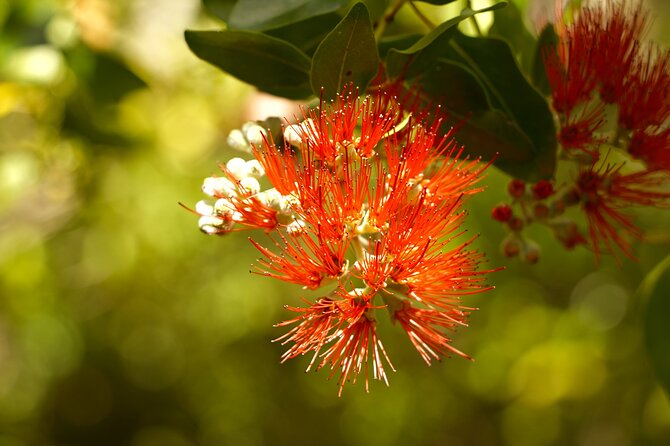
This hike is a great fit if you care about Hawaii ecology and want it explained without heavy science jargon. The guides focus on the thriving native ecosystem—plus the challenges conservation teams manage to keep it that way.
You’ll also learn to notice the difference between native plants and invasive species as they show up along the route. That matters because invasives can take over space, change soil conditions, and shift how water moves through an area. So the plant talk isn’t random. It’s tied to the watershed.
A standout theme in the feedback is the sacred connection to water. You’ll hear how protecting land helps protect water—because healthy soil and native vegetation support the whole system. On a short hike, that kind of big-picture explanation is exactly what turns a trail into a meaningful experience.
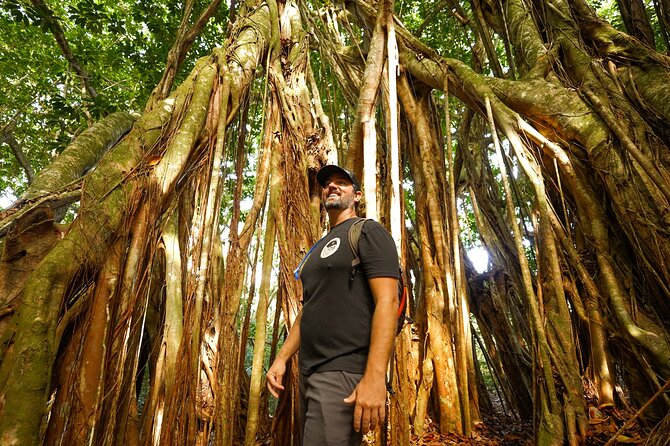
Keep an eye out for trees and notable plants the guides point out. One commonly mentioned highlight is a huge banyan seen in the forested area. Even if you’re not a plant nerd, those big, recognizable trees help you connect the stories to something physical.
Conservation Lands Near Pu’u Kukui: Why This Setting Matters

A big part of the value is the setting. This isn’t just a public trail with a quick interpretive signboard. The route runs through private conservation lands near the Pu’u Kukui Watershed Preserve. That means the tour is tied to active stewardship, not just a static view.
What does that change for you? It changes the conversation. Instead of only hearing what the ecosystem used to be like, you also learn what people are doing now—how conservation teams support the watershed and maintain native habitats.
This kind of access can be a reason the hike feels special. You get a guided way of seeing the island that you likely wouldn’t stumble upon on your own. You also get to ask questions in the moment, which is where a good guide can make the ecological story click.






The Best Part After the Walk: Maui Gold Pineapple
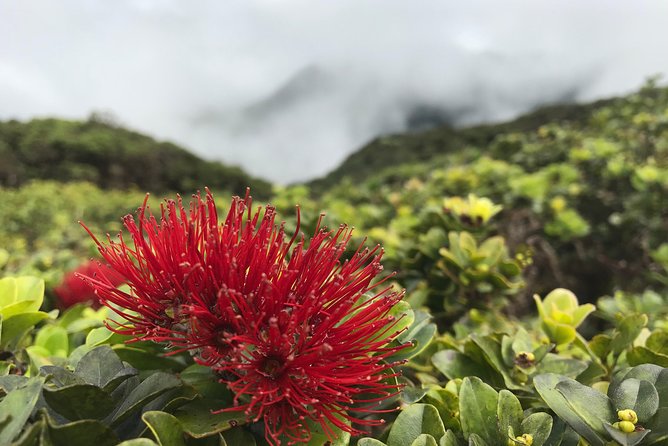
This tour ends back at the meeting point, and there’s a small treat along the way. Several comments call out pineapple at the end, specifically Maui Gold.
Here’s the thing: it’s not positioned as a full meal. The snack is meant to be a simple finish after a morning hike—something bright and refreshing rather than a big food stop. One piece of feedback complained about the snack size, so if you’re the type who needs a hearty lunch right after, plan on grabbing food after the tour like you normally would.
Still, the pineapple detail is one of those touches that makes the experience feel more “Maui” than generic. Fresh-cut fruit right after you’ve walked through a shaded ridgeline hits different.
Also, if you’re watching your pace, pineapple is a good incentive to keep moving without feeling rushed.
Pace, Fitness, and Trail Reality (So You’re Not Guessing)
The tour is listed for people with moderate physical fitness. Based on how the hike is described and how it’s experienced by others, it’s typically friendly in length and effort, with the main challenge coming from footing rather than steep climbing.
One of the best signals from the feedback: people describe it as mild enough that a 12-year-old could join, and even someone who doesn’t hike much had a good time. That doesn’t mean it’s stroller-friendly, but it suggests the pace and distance are realistic for a wide range of abilities.
What to expect on the ground:
- You’ll spend a good chunk of time walking in shade.
- There will be moments to stop, look, and listen.
- The trail has some slippery sections, so balance matters more than stamina.
Helpful detail: walking sticks are thoughtfully provided. That’s a huge comfort factor on uneven or slick ground, and it’s especially useful if you want to enjoy the plant views without constantly recalculating your footing.
Group Size and Guide Quality: How It Changes Your Experience
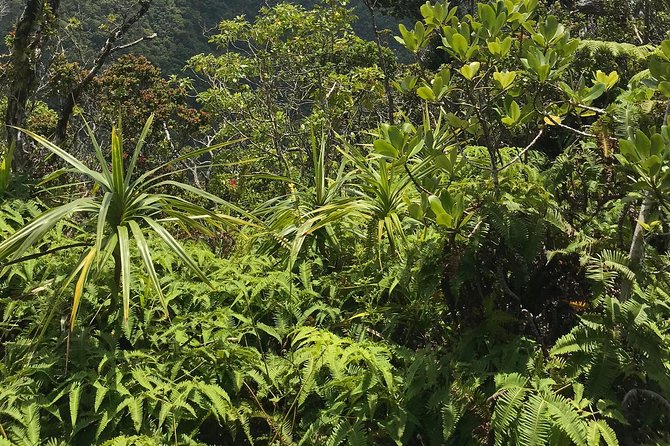
With a maximum of 12, this hike feels more like a guided walk with a small team than a crowded group march. That helps you keep attention where it belongs: on the plants, the watershed story, and the ridge views.
The guide names coming up repeatedly—Jason, Yancy, and Kevin—also tell me something about the experience style. People praise them for staying engaged, sharing details about plants and conservation, and making the whole hike feel educational without turning it into a lecture.
If you like asking questions, this format gives you room to do it. If you just want to listen, you still get enough pauses and viewpoints to break up the walking.
This is one of those tours where the guide doesn’t just lead. They shape what you notice.
Price and Value: What You’re Really Paying For
No price is provided in your information, so I can’t compare numbers. But I can judge value based on inclusions and what the time buys you.
You’re paying for:
- A guided interpretive hike (not just access to a trail)
- A small group size (up to 12)
- Conservation-focused context tied to Pu’u Kukui
- walking sticks
- A short, simple Maui Gold pineapple finish
- Time with a guide who points out native vs invasive plants and explains the watershed connection
At 3 hours 15 minutes for a 2-mile hike, it’s not about covering distance. It’s about getting the meaning out of the land you’re walking through. If that’s the kind of travel you enjoy—hands-on learning, short hikes, and local ecology—this is the kind of tour that can feel worth it even without knowing the exact cost.
Who Should Book This Honolua Ridgeline Hike
Book this if you:
- Want an ecology-focused Maui hike without a long day
- Like learning how conservation connects to water, plants, and land
- Prefer small groups and real guide interaction
- Enjoy ridge views and shaded forest walks
Think twice if you:
- Have trouble with slippery footing and uneven ground
- Expect a full meal from the snack part of the hike
- Want a long, strenuous workout (this isn’t that type of hike)
Should You Book HeleWai Eco Tours for Honolua Ridgeline?
If your idea of a great Maui morning includes shaded trail time, ridge lookouts, and a guide who ties plant life to the island’s water system, I’d say yes. The combination of Pu’u Kukui conservation access, a short 2-mile distance, small group size, and a clearly interpretive focus makes this a strong choice for people who want Hawaii in context, not just on a postcard.
Just do yourself a favor: wear grippy shoes, take the slick bits slow, and treat the pineapple as a sweet finish rather than a substitute for lunch.
FAQ
FAQ
How long is the Honolua Ridgeline hike?
The experience runs about 3 hours 15 minutes.
How far will I hike?
It’s about 2 miles (3.2 kilometers).
Where is the meeting point?
The tour meets at 800 Office Rd, Lahaina, HI 96761, USA.
What time does the tour start?
The start time listed is 9:00 am.
What language is the tour offered in?
The tour is offered in English.
Is there a mobile ticket?
Yes, the experience uses a mobile ticket.
How many people are in the group?
The tour has a maximum of 12 travelers.
What fitness level do I need?
The tour is described for people with moderate physical fitness.
Is the hike weather dependent?
Yes. It requires good weather, and if it’s canceled due to poor weather you’ll be offered a different date or a full refund.
Is there free cancellation?
Free cancellation is available. You can cancel up to 24 hours in advance for a full refund.