REVIEW · MAUI
Kayak Whale Watch and Snorkel Hawaiian Islands Whale Sanctuary
Book on Viator →Operated by Maui Adventure Tours M.A.T., L.L.C. · Bookable on Viator
Whale songs come through a hydrophone. This small-group Maui kayak and snorkel outing pairs Turtle Reef snorkeling with offshore humpback whale watching, and the guides turn marine life into real-time learning. I love how close you get to wildlife without the big-boat feel, and I like the included gear and light snacks; just know winds and whale behavior can change how magical it feels that day.
At 8:00 am Monday through Saturday, you’ll launch from the Olowalu area, snorkel among turtles and colorful fish, and (during whale season) head into the Hawaiian Islands Humpback Whale Marine Sanctuary for whale watching. A standout feature is the live whale audio from an underwater hydrophone, so you’re not only looking—you’re hearing what whales are doing beneath you.
You’ll need moderate physical comfort with paddling and getting back into the kayak, and there’s no hotel pickup, so you’ll drive or arrange your own transport to the meeting point. If you’re expecting guaranteed whales no matter what, adjust your mindset: this tour is timed for the season, but the ocean has the final say.
In This Review
- Key points to know before you go
- Kayak and snorkel in Olowalu: why this format works
- Getting set up at the Olowalu meeting point
- Turtle Reef snorkel: sea turtles, reef life, and real water time
- Whale watch in the Hawaiian Islands Humpback Whale Marine Sanctuary
- West Maui views and the wildlife-rich “in-between”
- Guides, group size, and why attention matters
- Weather, wind, and motion: the practical reality
- Price and value: what $119 buys you here
- Who this tour fits best (and who might want a different plan)
- Should you book this kayak whale watch and snorkel?
- FAQ
- Where is the tour meeting point?
- What time does the tour start?
- How long is the tour?
- What days does it run?
- Is hotel pickup or drop-off included?
- Do I need kayaking or snorkeling experience?
- What are the age and weight limits?
- When can I expect humpback whales and when are turtles likely?
- What snorkeling and gear is included?
- FAQ
- How many people are in the group?
- Is the whale audio included during the whale watch?
Key points to know before you go
- Live whale audio with an underwater hydrophone so the experience feels alive even when whales keep distance
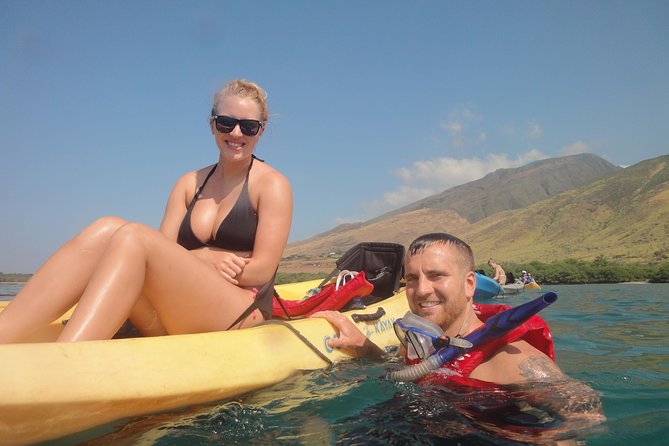
- Turtle Reef snorkeling at Olowalu Beach Reserve with a good chance at sea turtles year-round
- Small group size (max 10 travelers noted) for more hands-on attention when it’s time to launch and snorkel
- Snorkel gear, life jackets, snacks, and bottled water included so you can travel light
- Whales season runs Dec to Apr while turtle sightings are year-round
Kayak and snorkel in Olowalu: why this format works
This tour hits a sweet spot: you paddle under your own effort, then you switch to snorkeling where your body floats and your attention can fully switch to the reef. That’s a big deal on Maui, where you can otherwise spend too much time hopping between viewpoints and not enough time actually in the water.
Kayaking also changes what whale watching feels like. On the ocean, whales often keep a respectful distance, but being in smaller, quieter craft tends to feel calmer than larger vessels, and it can make whale behavior easier to read.
The cost—$119 per person for about four hours—makes more sense when you remember what’s included: snorkel equipment, life jackets, snacks, bottled water, and expert guidance. If you were to rent everything separately, you’d still pay, but you’d lose the guided route, the marine-ecology explanations, and the live hydrophone whale audio.
You can also read our reviews of more whale watching tours in Maui


Getting set up at the Olowalu meeting point
The tour runs from the Olowalu area, starting at R95V+Q8 Olowalu (meeting point) and returning back there. Start time is 8:00 am, and the experience typically wraps around 11:30 am (with Monday–Saturday operations and closure on Sundays and holidays due to Hawaii state rules).
No hotel pickup means you should plan to arrive early. Parking can be a hassle on a busy day, and you don’t want your whole morning to turn into a stressful scramble right before you’re stepping into the water.
Once you meet the crew, expect a practical focus: how to wear the life jacket correctly, how to handle snorkel gear, and how to get in and out of the kayak smoothly. Some guests specifically praised guides who helped first-timers feel comfortable, which matters because the “getting back in” part is where beginners often get tense.
Turtle Reef snorkel: sea turtles, reef life, and real water time
Your first big water moment centers on Olowalu Beach Reserve and Turtle Reef. This is the spot built for snorkeling, and the goal is to get you into the action at the turtle cleaning station, where sea turtles and fish gather in ways that are easier to observe than random reef wandering.
Snorkeling here means you’ll spend time watching rather than chasing. When it works well, it feels like a live aquarium: you’re looking at turtles and lots of colorful tropical fish close enough to notice movement and behavior, not just spot outlines.
Two practical notes. First, water clarity varies day to day, so your view might be crisp or slightly murky; either way, the experience is about being patient and looking for motion. Second, Turtle Reef snorkeling can mean you’re dealing with depth and open-water conditions—so bring your comfort level for calm floating, steady breathing, and staying oriented to the reef area.
Guide help is a big part of whether the snorkel feels smooth. On good days, the crew manages the group well and keeps checking in, and on less smooth days, you may notice confusion or tension while shifting between kayaking and snorkeling. Either way, being ready to follow instructions fast will help you get the most out of your limited time in the water.
Whale watch in the Hawaiian Islands Humpback Whale Marine Sanctuary
From December to April, the offshore portion is built around humpback whale watching in the Hawaiian Islands Humpback Whale Marine Sanctuary. Even when whales don’t come right next to every kayak, the value here isn’t only distance sightings—it’s the ability to track and understand whale behavior in their habitat.
A standout feature is the underwater hydrophone that plays live whale songs during your tour. That changes whale watching from a simple visual hunt into something more immersive: you’re listening to the underwater soundscape while you paddle and scan for spouts, body rolls, and movement.
Whales can be shy on certain days, and sometimes the action stays off to one side or farther out than you hoped. That’s one reason this tour is best for people who enjoy marine life as a whole, not just people who need the perfect whale “moment” for photos.
One more reality check: whale sightings aren’t something a guide can control like a schedule. If you’re going at the edge of the season or on a day with variable conditions, whales might show up differently—or you might get more listening than close encounters. For some families, that still feels worth it, because hearing whale songs is its own payoff.
West Maui views and the wildlife-rich “in-between”
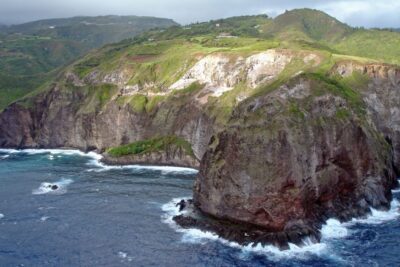
The coast around Olowalu gives you more than just water time. You’ll be paddling with views toward the West Maui Mountains, and that scenery helps break up the focus you need for snorkeling gear and ocean scanning.
It’s also a wildlife-and-curiosity tour, not a one-species show. In the same general water area, guests have reported seeing other marine mammals such as a monk seal, alongside the more consistent turtle encounters during the snorkeling phase.
For many people, the best parts come in the transitions: the quiet paddling moments where you can watch the water, then the sudden switch when you hop in for snorkeling and the reef life pops into view. If you get impatient while waiting, try to treat the waiting as part of the experience—ocean wildlife doesn’t follow a checklist.
You can also read our reviews of more tours and experiences in Maui




Guides, group size, and why attention matters
This is designed as a small group experience, with a maximum of 16 per booking listed and a maximum of 10 travelers referenced, so you’re usually not lost in a crowd. A small group tends to mean better guidance for the parts that matter most: launching safely, keeping track of the group, and getting people back into the kayak without panic.
You’ll also notice how much the tour depends on guide communication. Many guests have praised guides like Lance, Wesley, and Red for friendliness, patience, and clear instructions, especially for first-time kayakers. Their role isn’t just “lead the way”—it’s keeping you safe, helping you manage gear, and pointing out what to watch for.
On the flip side, a few unhappy experiences mentioned issues like guide conflict, unclear instructions, or the guide’s focus drifting while the group waited. You can’t eliminate all human variability on any small adventure tour, but you can stack the odds in your favor by staying flexible, listening carefully, and giving the guides a calm, cooperative vibe when things feel chaotic.
Weather, wind, and motion: the practical reality
This tour is weather-dependent, and that matters most for wind. Paddling in strong winds is tiring, and it’s also where the risk level rises, especially for kids or anyone still building confidence.
One important detail from the operator’s side: they state they only go out when the wind forecast is under 20 mph. Still, ocean conditions can shift, and you should plan for the possibility of choppy water or capsizing risk if the day turns more rugged than expected.
If you’ve never kayaked before, expect a learning curve. Some guests felt well supported when capsizing or gear issues happened, but the message is clear: don’t treat this like casual paddling. Treat it like an active ocean sport with real exposure to sun, wind, and saltwater.
Price and value: what $119 buys you here
At $119 per person for roughly four hours, the value is strongest if you care about three things: guided safety, equipment convenience, and a guided wildlife experience with a unique whale audio component.
Here’s what you’re getting for the price:
- a professional guide
- snorkel gear and life jackets
- snacks/light refreshments plus bottled water
- guide interpretation on marine ecology, whale behavior/biology, and Hawaiian history
- (optionally) HD underwater digital cameras available for rent
If you’re comparing to DIY, it’s tempting to think you can rent a kayak and life vest and call it a day. That can work, and some people do prefer that. But you’d lose the whale hydrophone listening, the local route and timing during whale season, and the human coaching that helps you actually enjoy snorkeling once you’re in.
Also, this tour’s small-group feel can be part of the value. When a crew can pay attention to everyone’s comfort and gear, you spend more time watching turtles and less time troubleshooting.
Who this tour fits best (and who might want a different plan)
This is a strong match for families and active travelers. The minimum age is 5, and there’s a moderate physical fitness level expectation. If your kid can handle a few hours of active time, follow directions, and stay calm in the water, it can be a memorable Maui day.
It’s also ideal if you’re a wildlife lover who wants more than a quick photo stop. The whale experience is built for watching and listening, and the turtle experience is built for actual time in the water at the cleaning station.
You might want a different option if you want zero physical effort or if you’re prone to discomfort in moving water. Even when conditions are forecast-friendly, you’ll be paddling and snorkeling, and some bodies react to ocean motion differently.
Should you book this kayak whale watch and snorkel?
If your goal is a real water adventure—kayak time plus snorkeling with sea turtles—and you’re excited about hearing live humpback whale songs via hydrophone, I think this is a smart booking on Maui. The price feels fair when you factor in equipment, guidance, and the unique whale-audio component that you won’t get from a casual reef-only outing.
I would only hesitate if you’re booking for a specific “must get close to whales” outcome or if wind-heavy conditions would ruin the day for you. In that case, plan for flexibility, choose weather-friendly days when possible, and go in ready to enjoy wildlife even if the whales keep a bit of distance.
Overall, it’s one of those Maui tours that can be extra special when the day cooperates—and still worth it for the time you’ll spend with turtles and reef life.
FAQ
Where is the tour meeting point?
The tour starts at R95V+Q8 Olowalu (Olowalu, HI, USA) and ends back at the meeting point.
What time does the tour start?
Start time is 8:00 am.
How long is the tour?
The duration is about 4 hours (approx.).
What days does it run?
It operates Monday through Saturday from 8:00 am to 11:30 am, with Sundays and holidays closed due to Hawaii state rules.
Is hotel pickup or drop-off included?
No. Hotel pickup and drop-off are not included.
Do I need kayaking or snorkeling experience?
No experience is necessary.
What are the age and weight limits?
Ages 5 and up are welcome. Maximum participant weight is 250 lbs.
When can I expect humpback whales and when are turtles likely?
Humpback whale sightings are expected from December to April. Turtle sightings are year-round.
What snorkeling and gear is included?
You’ll receive life jackets and snorkeling equipment, plus snacks, light refreshments, and bottled water. HD underwater digital cameras are available for rent.
FAQ
How many people are in the group?
Maximum participant count per booking is listed as 16, and the maximum travelers noted is 10.
Is the whale audio included during the whale watch?
Yes. The tour includes live whale singing through an underwater hydrophone during the experience.