REVIEW · MAUI
Maui: Eco-Friendly Molokini & Turtle Town Tour with Meals
Book on GetYourGuide →Operated by PWF Eco Adventures · Bookable on GetYourGuide
Molokini looks unreal from a boat deck. This tour brings you to Molokini crater for guided snorkel time, plus a second stop at Turtle Arches where sea turtles are a real possibility. The only catch: on busier days, the water can feel a bit crowded once lots of snorkelers hit the same spots.
I like that the day is built for real-life snorkeling. You get instruction, flotation devices, and even snorkel gear designed for eyeglass wearers (optical masks), then you settle in for a breakfast and a grilled lunch while naturalists point out what you’re seeing.
In This Review
- Key points before you go
- The real draw: two Maui snorkel stops that do different jobs
- Molokini crater: why this place earns the #1 reputation
- Turtle Arches (Turtle Town): the hunt that feels more like a treasure map
- Snorkel instruction: how they turn nervous beginners into calm swimmers
- Food on board: breakfast pastries now, grilled lunch after
- What you get included (and what to plan to add)
- Is $199 good value for Maui snorkeling?
- Eco-friendly angle that actually matters (not just a label)
- Time on the water vs. comfort on the boat
- Getting to Maalaea: the place to arrive early
- Who this tour fits best (and who should think twice)
- Should you book Molokini & Turtle Town with meals?
- FAQ
- Where is the meeting point for this tour?
- How long is the Molokini & Turtle Town tour?
- What snorkel gear is included?
- Do I get snorkel instruction before entering the water?
- Where do you snorkel during the tour?
- What meals are included on board?
- Is there anything included for kids?
- Can I rent gear like wetsuit shirts or underwater cameras?
- What should I bring, and are there any rules?
- Is free cancellation available?
Key points before you go
- Molokini crater access in a protected marine area, reached by boat only
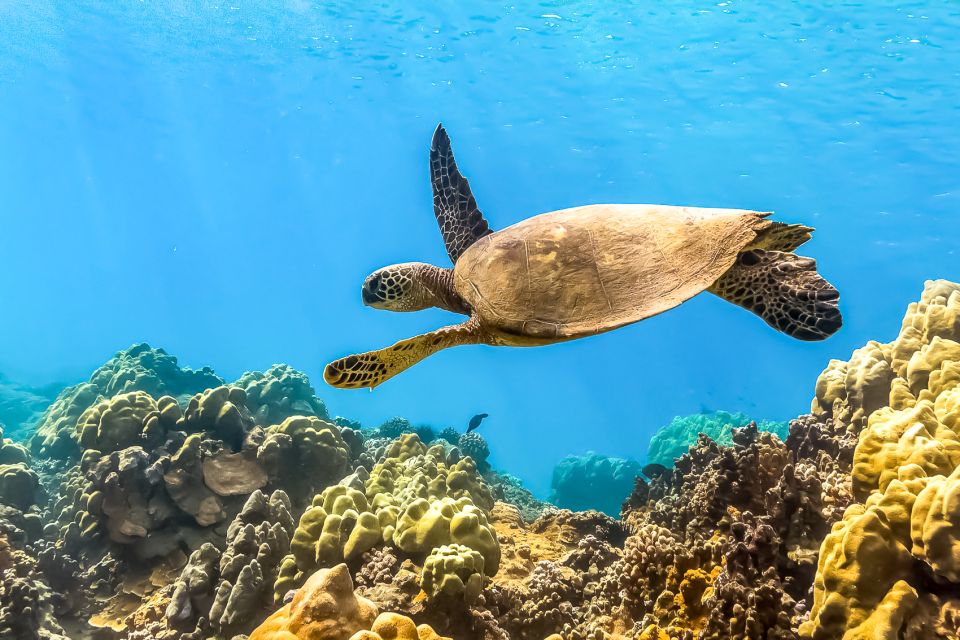
- Turtle Arches (Turtle Town) with lava formations and frequent turtle sightings
- Snorkel instruction included, plus fish identification tips while you’re out there
- Optical masks for glasses and premium snorkel gear (so you can actually see clearly)
- Meals on board: continental breakfast first, then a grilled lunch after snorkeling
- Family-friendly learning via certified marine naturalists and a Junior Naturalist Program
The real draw: two Maui snorkel stops that do different jobs
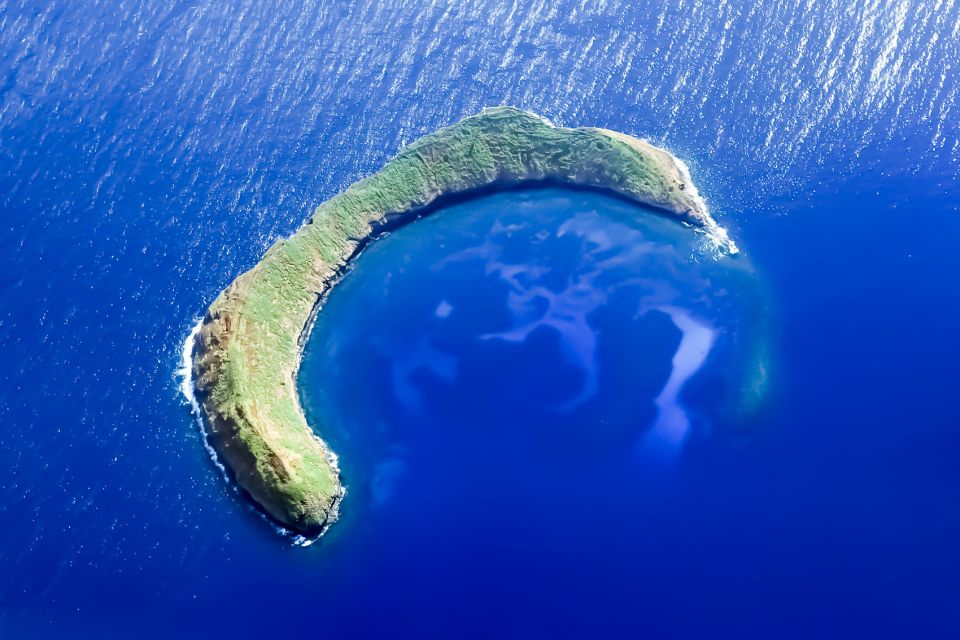
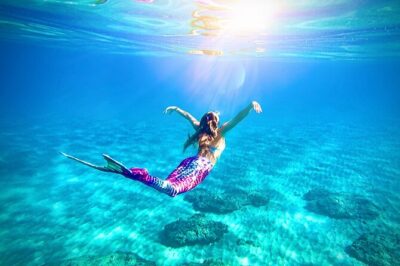
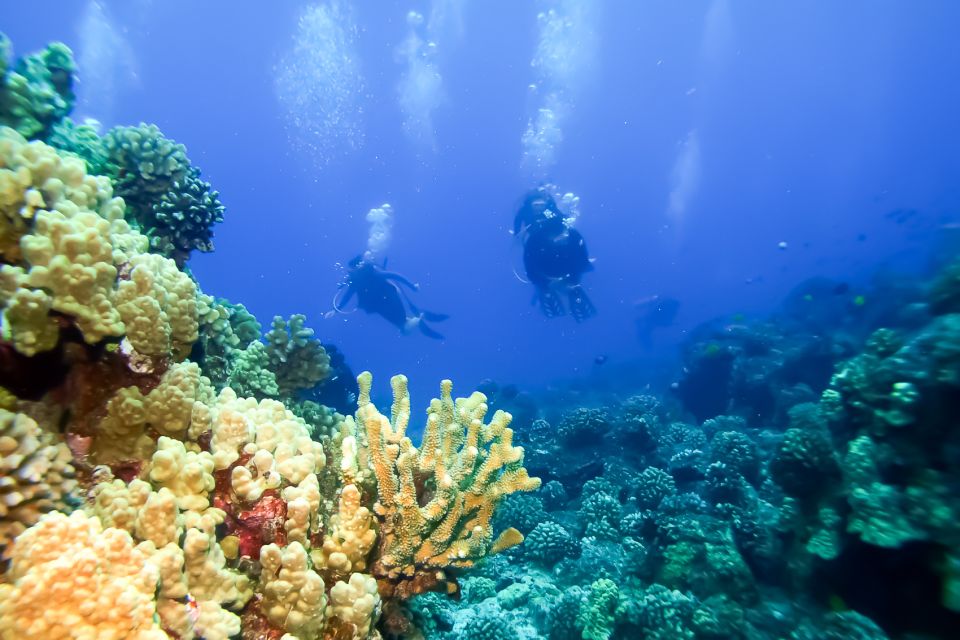
This is one of those Maui boat trips where the snorkeling isn’t just scenery—it’s the plan. Molokini crater is famous for its clear water, reef structure, and abundant fish life, while Turtle Arches adds variety with underwater lava formations and a strong chance of sea turtle sightings.
What makes it feel good for most people is the pacing. You start with breakfast on board, then you’re taught how to snorkel before you’re dropped into the reef experience. After the first stop, you snack and refuel, then you go back in again at Turtle Arches. That second snorkel is the one people often remember most, especially if you’re hoping for turtles, eels, octopi, and other reef fish.
You can also read our reviews of more tours and experiences in Maui.
Molokini crater: why this place earns the #1 reputation
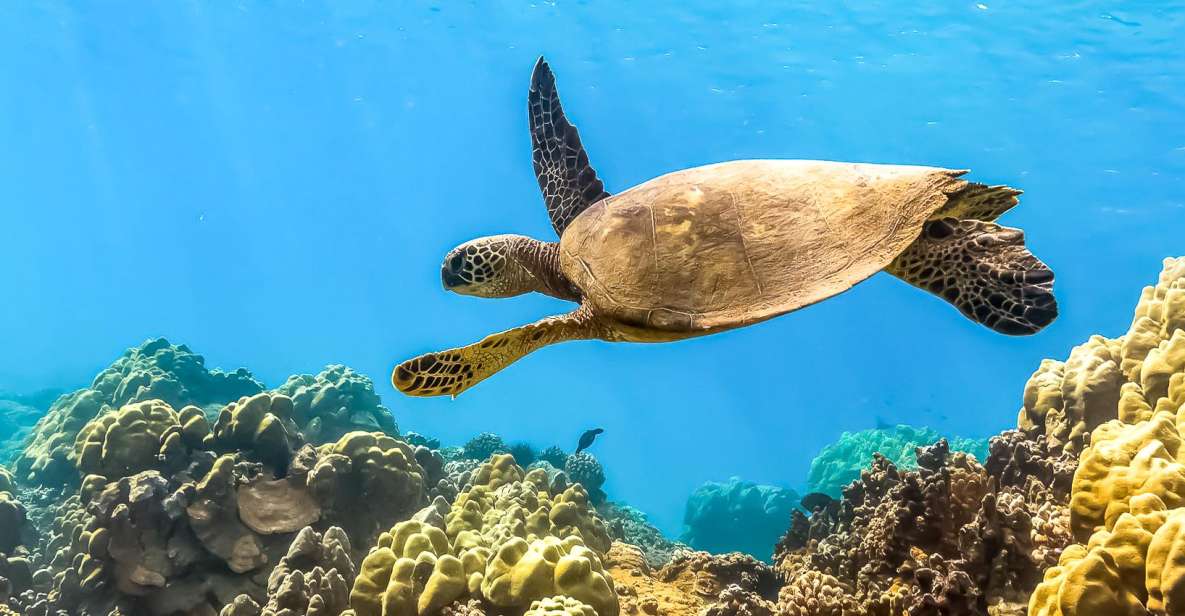
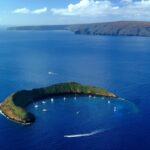
Molokini is a crescent-shaped volcanic islet that sits as a protected marine conservation area. Because it’s preserved, access is limited to certified tour operators—and that matters. You’re not just snorkeling anywhere; you’re snorkeling where the reef is managed and where marine life is allowed to do its thing.
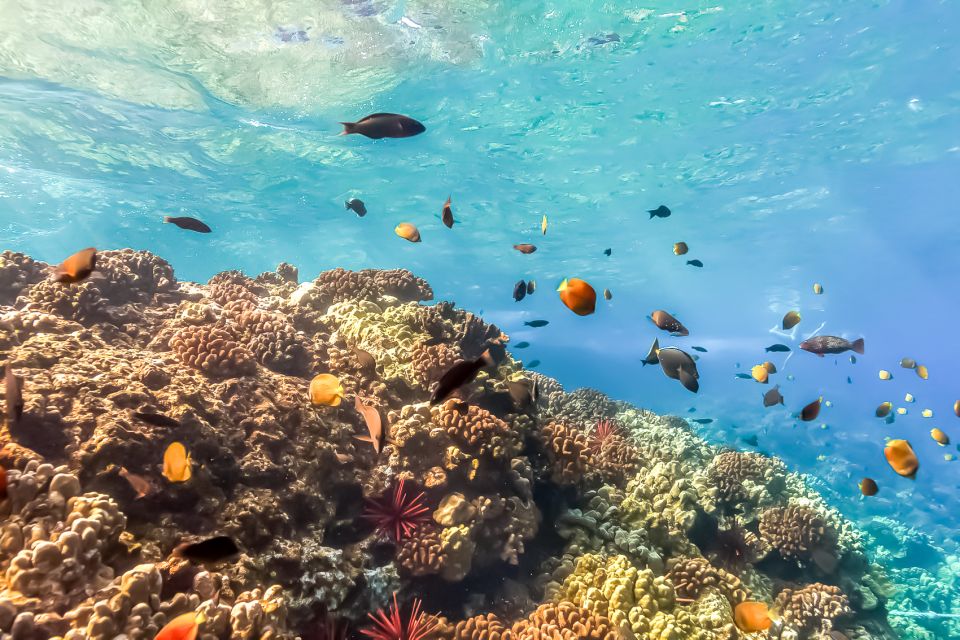
Expect crystal-clear water, coral, colorful fish, and seabirds above the surface. The classic Molokini feel is visibility: you look down and it’s like the reef is waiting for you. If you’re a first-timer, that clarity helps you get your bearings faster under the water, since you can see what you’re aiming for.
One practical note: conditions can change. Some people mention that the water can be choppy, so if you’re motion-sensitive, plan for that. The experience is worth it, but you’ll enjoy it more if you’re prepared for the ride out.
Turtle Arches (Turtle Town): the hunt that feels more like a treasure map
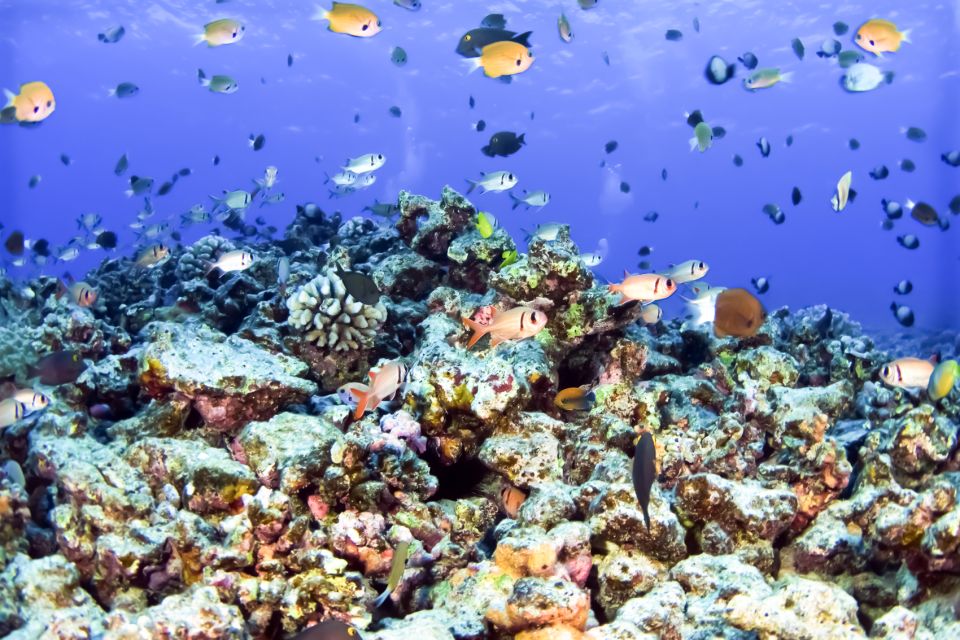
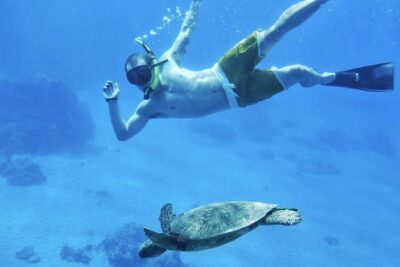
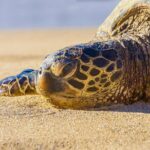
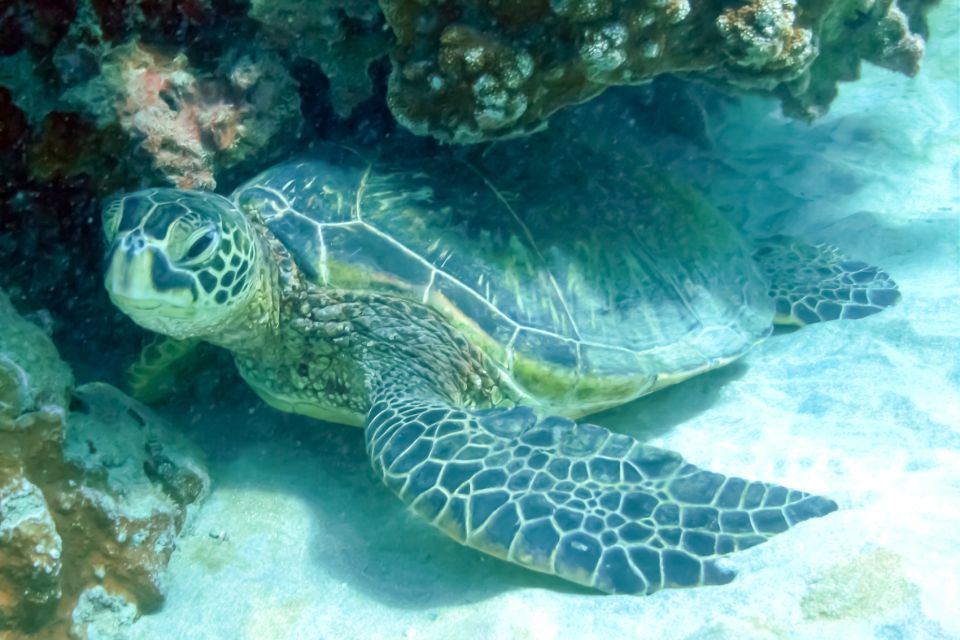
After Molokini, you head to Turtle Arches for a bonus snorkel site. This is the stop built for spotting—frequent turtle sightings are part of the reason this tour exists. The underwater terrain includes lava formations, which create nooks and textures that fish and turtles use.
What I like here for your odds is the design of the stop. Turtle Town isn’t a single “look and hope” location. It’s another chunk of reef habitat, guided by marine naturalists who can help you notice animal behavior—like where turtles tend to graze and how fish move around the structure.
You might see sea turtles, plus reef creatures like eels and octopi. Even when you don’t get a turtle on your specific swim, you still get the reef variety: lava textures plus fish life is usually a great payoff for the second entry.
Snorkel instruction: how they turn nervous beginners into calm swimmers
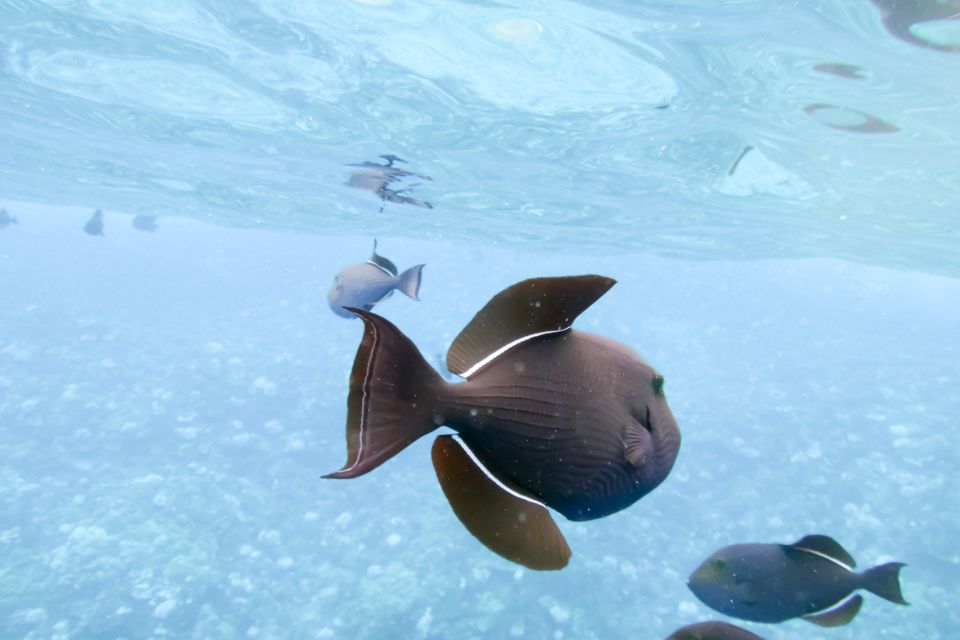
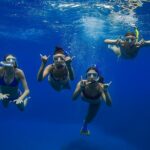
This trip includes snorkel instruction, flotation devices, and guidance on fish identification. That combination is a big deal because it turns snorkeling from a random experience into an activity you understand.
For beginners, the most useful part is typically the setup and coaching. Multiple people highlight that the entry into the water can be easy—walking down from a part of the boat into the water makes a first swim less intimidating than the usual ladder-and-pray approach.
Inside the water, lifeguards/staff are out with you, which adds real confidence. If you see names like Capt Emily, Capt Dan, Capt T, Jackie, or Josh mentioned by other groups, that’s the type of captain-and-crew experience you’re likely to encounter here: calm, organized, and focused on keeping everyone safe while still letting you enjoy the reef.
And if you’re bringing kids, there’s a Junior Naturalist Program. That’s the sweet spot for families: kids get a structured way to look, learn, and stay engaged.
Food on board: breakfast pastries now, grilled lunch after
I’m a fan of snorkeling tours that feed you like a real meal, not like a snack bag. Here you start with a continental breakfast that includes pastries, fruit, and hot coffee—enough to take the edge off before you go underwater.
Lunch comes after the snorkeling: grilled chicken, burgers, and a green salad, prepared on board. It’s practical food for people who’ve worked up an appetite, and it keeps the whole day moving without long waits on the mainland.
One small thing to remember: you’ll still want water and sunscreen. Some people get sunburn even with gear and planning—so treat reef time like a full-sun activity, not a shaded boat ride.
What you get included (and what to plan to add)
The included gear is a big part of the value. You get premium snorkel gear, including optical masks for eyeglass wearers. That’s huge if you don’t want to battle with a phone in a waterproof case just to see what’s happening under the surface.
You also get flotation devices, snorkel instruction, and fish identification instruction. There’s even a marine wildlife glossy photo card included, which is a nice extra for families and keepsakes.
Here’s what you might want to add:
- Reef-safe sunscreen: a 4 oz fully sustainable tube is available onboard for $13
- Wetsuit shirts: available for rental
- Underwater cameras and binoculars: available for rental
And if you’re the type who wants photos of everyone together, note that there may be an onboard photographer. One passenger found it expensive and wished they had known the price before posing. My advice: if you think you’ll want the photo set, ask about costs upfront.
Is $199 good value for Maui snorkeling?
At $199 per person for about 5 hours, this isn’t the cheapest thing on Maui. But it’s built as a “full experience,” not just transportation to a spot.
You’re paying for:
- Two snorkel stops (Molokini plus Turtle Arches)
- Certified marine naturalists onboard
- Snorkel instruction and flotation devices
- Optical masks for eyeglass wearers
- Breakfast and a grilled lunch included
The hidden value is the structure. When a tour teaches you how to snorkel and helps you identify what you’re seeing, you usually get more out of the same water time. The extra naturalist talk also makes the day feel less like a checklist and more like you’re learning why the reef looks the way it does.
Eco-friendly angle that actually matters (not just a label)
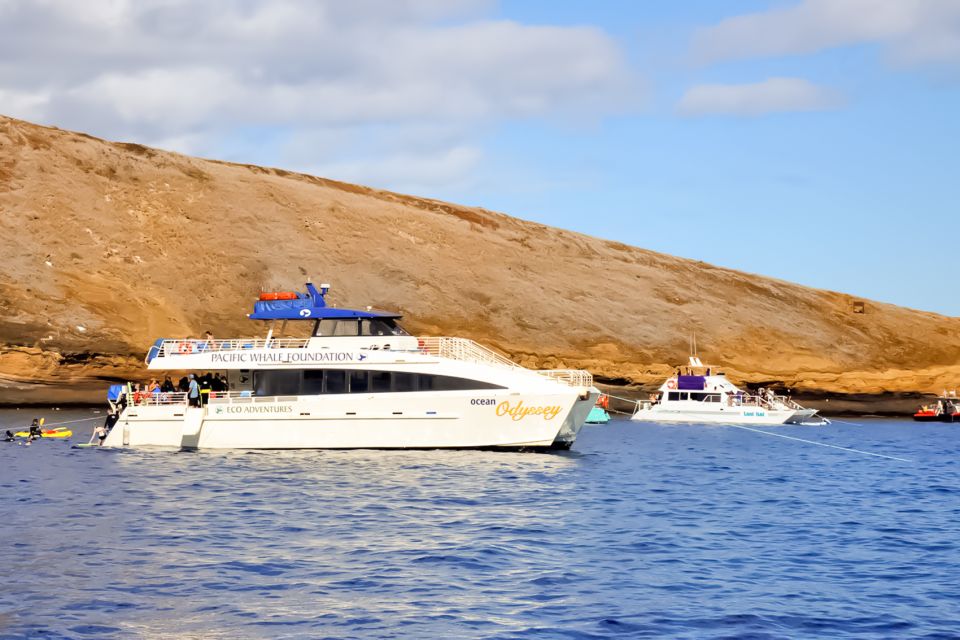
This is run by PWF Eco Adventures, connected to Pacific Whale Foundation. The tour centers on a protected marine conservation area at Molokini, and it’s designed around responsible access—boat-only entry with certified operators.
In plain terms: you’re snorkeling at sites where the reef is managed, not exploited. And a nonprofit connection often means your money supports education and conservation work rather than just sales and sightseeing.
If you care about the ocean beyond the photo, this is the kind of tour that tends to feel like a good fit—because the day is structured around learning and protection, not just chasing animals.
Time on the water vs. comfort on the boat
This trip is short enough to feel efficient but long enough to matter: you’ll be out for around 5 hours. That timing fits well if you don’t want a full day to disappear, but you still want two serious snorkeling sessions.
The practical comfort factor is weather. Several comments point out that the water can be choppy, and if you’re prone to seasickness, it’s smart to take precautions. The good news: staffing is attentive, and people describe feeling safe and supported in the water.
Group size is the other real variable. One review noted that with over 100 people, snorkeling didn’t feel as relaxed as expected. If you prefer quiet swims, consider choosing a time when conditions are calm and the vibe might be less hectic.
Getting to Maalaea: the place to arrive early
Meeting point is the Pacific Whale Foundation Ocean Store at the Harbor Shops in Maʻalaea, at 192 Maalaea Rd. Parking in the Harbor Shops lot by Maui Ocean Center, and also in the maʻalaea boat harbor lots, requires payment. You’ll need to pay via phone using signs in the lot.
Check-in happens 45 minutes before departure, and that’s when you want to be settled—especially if you’re also figuring out where to park. A lot of frustration comes from arriving late or unsure about directions, so I’d treat this as a “get there early, then relax” kind of day.
Who this tour fits best (and who should think twice)
This tour is a strong match if you:
- Want Molokini and Turtle Town in one day
- Need snorkel instruction and help with gear setup
- Care about marine life education for adults or kids
- Value included meals and onboard guidance
It may be less ideal if you:
- Hate crowds in the water and you’re sensitive to group dynamics
- Are very budget-photo focused, because onboard photo options can cost extra
- Are prone to motion sickness and you don’t want to plan for it
Should you book Molokini & Turtle Town with meals?
I’d book it if you want a structured Maui snorkeling day with real coaching, clear-water reef time, and two distinct habitats in one outing. The inclusion of optical masks for glasses, plus flotation devices and instruction, removes a lot of typical snorkeling friction. Add breakfast and a grilled lunch, and the price starts to feel like you’re paying for a complete half-day experience, not just boat rides.
If you’re chasing the calmest, quietest swim above all else, you might want to think about timing and whether crowds would annoy you. But for most people—especially families, first-timers, and ocean lovers—this is a high-payoff, well-run way to see why Maui’s reefs are so famous.
FAQ
Where is the meeting point for this tour?
You meet at the Pacific Whale Foundation Ocean Store located in the Harbor Shops of Ma’alaea, at 192 Maalaea Rd., Wailuku, 96793.
How long is the Molokini & Turtle Town tour?
The duration is 5 hours.
What snorkel gear is included?
Premium snorkel gear is included, and optical masks are provided for eyeglass wearers. Flotation devices are also included.
Do I get snorkel instruction before entering the water?
Yes. Snorkel instruction is included, along with fish identification instruction.
Where do you snorkel during the tour?
You snorkel at Molokini crater and then again at Turtle Arches (Turtle Town).
What meals are included on board?
You get a continental breakfast (pastries, fruit, and hot coffee) and an on-board lunch grilled on board, including grilled chicken, burgers, and green salad, plus refreshments.
Is there anything included for kids?
Yes. There is a Junior Naturalist Program for kids, and marine naturalists are onboard.
Can I rent gear like wetsuit shirts or underwater cameras?
Yes. Wetsuit shirts are available for rental, and underwater cameras and binoculars are available for rental.
What should I bring, and are there any rules?
Bring a sun hat, swimwear, a towel, biodegradable sunscreen, and a long-sleeved shirt. Smoking is not allowed, and luggage or large bags are not allowed.
Is free cancellation available?
Yes, you can cancel up to 24 hours in advance for a full refund.