REVIEW · MAUI
Maui Ocean Center All Day Admission Ticket
Book on Viator →Operated by Maui Ocean Center · Bookable on Viator
Plan a whale story without leaving Maui. Maui Ocean Center turns Maui’s ocean into an up-close, hands-on aquarium day built around native Hawaiian marine life and daily presentations. I especially like that you can shape your own pace, then cap the visit with the Humpback Whales of Hawaiʻi 3D Sphere for a virtual, stomach-flutter whale encounter.
You’ll also get real variety of ocean animals in compact, walkable exhibits, including turtles, sharks, stingrays, octopus, eels, sea jellies, and live Pacific corals. One possible drawback: it is not a giant, whole-day mega-aquarium for everyone, so if you expect a huge multi-zone campus, you may feel it finishes faster than you planned.
That said, the ticket is all day (9am to 5pm, last entry 4pm), and the center schedules talks that help you avoid aimless wandering. If you enjoy learning while you look, this is one of the best ways to understand the ocean around Maui without dealing with seasickness or gear.
In This Review
- Key Things To Know Before You Go
- First Look at Maui Ocean Center: what your ticket really gives you
- The main walk: Living Reef to the 750,000-gallon Open Ocean
- Humpback Whales of Hawaiʻi 3D Sphere: the star attraction (and who it’s for)
- Timed talks that shape your day: Turtle Lagoon and Shark Nursery Bay
- Tide Pool Tactile Discovery and cultural moments that add texture
- Food, shopping, and the $55.44 value math that matters
- Who should book Maui Ocean Center, and who might not
- Should you book Maui Ocean Center All Day Admission?
- FAQ
- What’s included with the Maui Ocean Center all-day ticket?
- What time can I enter Maui Ocean Center?
- How long should I plan to spend there?
- Are there daily presentations?
- Is food included?
- How does parking work?
- What is the cancellation policy?
- Are service animals allowed?
Key Things To Know Before You Go
- Humpback Whales of Hawaiʻi 3D Sphere is included with your admission, and it’s the moment most people remember.
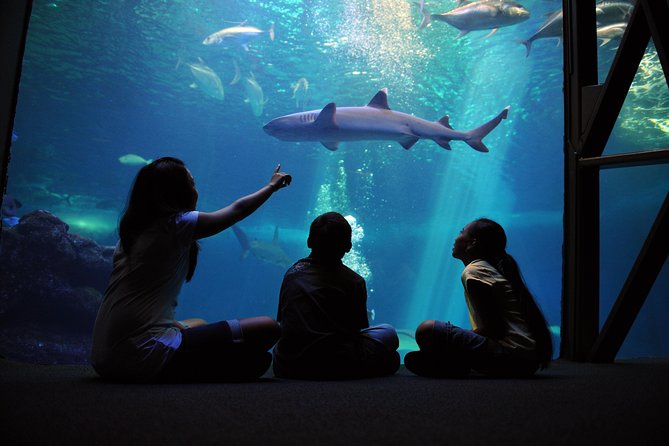
- Open Ocean is the headline tank at about 750,000 gallons, with lots of native species in one big, clear space.
- Daily naturalist presentations are timed at Turtle Lagoon, Shark Nursery Bay, and more stops throughout the day.
- Touch Pools are real at the Tide Pool Tactile Discovery with a simple two-finger touch rule.
- You can spread it out: typical visits are around 2 hours, but slow readers can easily spend longer.
- Parking costs extra (paid parking runs about $3 per hour via ParkLinq App or QR code).
First Look at Maui Ocean Center: what your ticket really gives you
Maui Ocean Center is built for an easy, flexible visit. With this all-day admission ticket, you can enter anytime between 9am and 5pm, and you’ll have your last chance for entry at 4pm. On most days, that makes it a smart choice when you’re juggling other Maui plans, since you’re not locked into a strict start time.
The experience is listed at about 2 hours on average. In practice, your pace will decide the length. If you stop at the highlights and watch a show or two, you might move through in under that. If you’re the type who reads the placards, comes back for photos, and re-checks the tanks, you can easily stretch it to several hours.
I also like the practical format. The center is near 192 Maalaea Rd, Wailuku, and you end back at the same starting point. You don’t have to worry about transfers or group logistics once you’re there. And because the ticket is mobile, you can keep it simple on your phone instead of hunting for paper.
One more money detail: food and drinks are not included. But the site has an on-site option (more on that later), so you’re not forced to leave the aquarium just to eat.
You can also read our reviews of more tours and experiences in Maui

The main walk: Living Reef to the 750,000-gallon Open Ocean
If you want a natural route, start with the smaller exhibits and let the scale build. The center leads you through areas like the Living Reef exhibit, then toward the headline Open Ocean tank.
The Living Reef is one of the most compelling “real coral” stops. It’s described as one of the world’s largest displays of live Pacific corals, and that matters more than it sounds. Seeing coral as living habitat (not just a model) helps you connect the shapes you see in tanks to what reefs do outside. It’s also a good place to slow down, because coral tanks often reward time and patience.
Then you hit the Open Ocean exhibit, a massive tank of roughly 750,000 gallons. This is where the aquarium’s native focus really feels like Maui water, scaled up. You can expect to see a strong mix of Hawaii marine life, including animals like sharks, stingrays, turtles, and other native species depending on the exhibit flow on the day you go.
What makes this part work for you is the mix of viewing styles. Some areas feel like you’re observing from the right distance. Others are set up so you can get a more personal look, including close viewing moments that people rave about. You’ll also find a blend of tanks and “theme” areas so you’re not just standing in front of one view for an hour.
If you like close encounters, don’t skip the tanks just because you’ve “seen aquariums before.” The center’s focus on species native to Hawaii’s shores changes the whole feeling of the visit.
Humpback Whales of Hawaiʻi 3D Sphere: the star attraction (and who it’s for)
The Humpback Whales of Hawaiʻi 3D Sphere is included in your ticket, and it’s repeatedly called out as the highlight. This isn’t just a generic marine film. It’s designed as an immersive 3D experience where you get the sense of going beneath the surface in a virtual way, with humpback whales as the focus.
For a lot of people, this is the one exhibit that makes the entrance fee feel justified. The reason is simple: it’s the fastest path to wow-factor without needing to schedule a whale tour or deal with ocean conditions.
Two practical notes for planning:
- The whale sphere show is not long. Some families find it’s a short segment, so you’ll want to pair it with the rest of the aquarium rather than expecting it to carry the whole day.
- Children under 5 are not permitted to participate in the whale sphere. If you’re visiting with little kids, it’s worth keeping that in mind so you can plan something else for them while the older kids (or adults) do the show.
If you’re deciding when to go, I’d time your day around it rather than trying to guess. Pick one block in the morning or early afternoon, then build the rest of your exhibit route around naturalist talks and hands-on areas.
Timed talks that shape your day: Turtle Lagoon and Shark Nursery Bay
One of the best reasons to choose Maui Ocean Center over a casual aquarium stop is the schedule. You’re not stuck doing everything alone. Trained ocean naturalists run daily presentations at multiple exhibits, and those talk windows can guide where you spend your time.
Here are two big anchors:
- Turtle Lagoon presentations run at 10:30 AM and 2:30 PM
- Shark Nursery Bay presentations run at 11:45 AM and 1:45 PM
Other named presentation areas include the Open Ocean, Discovery Pool, Living Reef, and Nursery Bay exhibits. Even when the main show slot is elsewhere, the naturalists are around and ready to answer questions about the fish, plant life, and coral you’re seeing.
This matters because the center isn’t just showing animals. It’s teaching you how to notice them. You’ll get better at seeing the difference between species and habitat types when someone explains what you’re looking at in plain language. And if you’re traveling with kids, these talks help turn a “look and move on” day into a real learning moment.
A helpful tip: build your route around one timed talk, then let everything else be flexible. If you try to sprint from tank to tank, you’ll miss what makes the presentations valuable.
Tide Pool Tactile Discovery and cultural moments that add texture
Aquariums can feel like a wall of glass. Maui Ocean Center adds more “human scale” with hands-on learning and cultural activities.
The standout hands-on element here is Tide Pool Tactile Discovery, where you can get up close with marine animals using a two-finger touch. This is the kind of interaction that turns curiosity into memory, especially for families. It also helps you understand that tide pools are living systems, not just scenic rocks.
There’s also a cultural wood carving demonstration. It’s a smart inclusion because it connects the marine theme to Hawaii’s broader way of learning and making. Even if you’re not staying for long, a short cultural segment can make the aquarium feel more grounded in the place you’re actually visiting.
Another close-encounter feature you’ll want to look for is the shark-focused areas where people talk about getting great viewing angles. You might see sharks from a clear tunnel area and also from a spot where you can watch water-level action below or around you, depending on what’s running at the time. In other words: plan to linger in the shark zones rather than treating them as quick stops.
Bottom line: the best parts of this day are the ones where you don’t just look. You touch (at the tide pool), you listen (naturalist talks), and you connect (cultural demo).
You can also read our reviews of more tours and experiences in Maui






Food, shopping, and the $55.44 value math that matters
At $55.44 per person, this ticket isn’t a bargain-price aquarium. But it can be good value if you use what’s included and don’t treat it like a 45-minute checkbox.
What you’re paying for:
- All-day access between 9am and 5pm (last entry 4pm)
- The Humpback Whales of Hawaiʻi 3D Sphere experience included
- Access to 60+ interactive exhibits
- 20 daily presentations plus cultural activities and hands-on tide pool time
If you’re thinking, “Is that worth it?” the key is how much you’ll actually do. If you’re the type who reads, watches talks, and enjoys interactive stops, the ticket price can make sense. If you only want the quickest highlights, you may wish you’d spent that money on something else.
Food and drink add another cost. The on-site option is the Seascape Restaurant, described as Ocean-Friendly certified, with ocean-view dining and island-inspired menu items and fresh catch specials. There’s also shopping at the Maui Ocean Treasures gift shop, which can be a pleasant part of the visit if you want small souvenirs tied to what you learned.
Parking is also extra. Paid parking runs about $3 per hour, arranged via the ParkLinq App or QR code upon arrival. If you’re budgeting, this matters because it can add up faster if you arrive early and stay near closing.
Who should book Maui Ocean Center, and who might not
This is a strong match for:
- Families with kids who love animals and like hands-on moments (tide pool touch is a big win)
- Ocean lovers who want Hawaii-native species, not just generic tropical fish
- Travelers who want a calm indoor activity that won’t depend on weather the way outdoor tours can
It’s less perfect if:
- You’re expecting a huge, sprawling aquarium campus. Some people feel the center moves faster than they expected, and they finish sooner than planned.
- You’re mainly buying for the whale sphere. It’s a highlight, but it is not the whole experience.
- You’re traveling with toddlers who can’t participate in the whale sphere. If your youngest can’t do the 3D show (under 5), you’ll want to plan your day so the aquarium still feels rewarding for everyone.
I’d also keep in mind practical movement. One review noted that presentation stairwells can be difficult for a handicapped person due to protruding rocks. If you have mobility needs, it’s smart to plan for some uneven areas and ask staff on-site about the easiest route to each talk.
Should you book Maui Ocean Center All Day Admission?
If you want a smooth, educational Maui day that mixes native marine life, daily naturalist talks, touch pools, and a standout 3D whale experience, then yes, I think this ticket is a solid buy. The all-day format is the real advantage. You’re not forced to rush, and you can line up your whale-sphere timing with the talk schedule.
Just go in with the right expectations: it’s not trying to replace a massive national aquarium. It’s more like a high-quality Maui-focused marine center where a few hours can feel satisfying if you take your time.
If that sounds like your style, book it. If you prefer big outdoor adventures or giant multi-building aquariums, you may want to pair this with something else rather than making it your only plan.
FAQ
What’s included with the Maui Ocean Center all-day ticket?
Your admission includes all-day access to explore the exhibits, plus the Humpback Whales of Hawaiʻi 3D Sphere. You’ll also have access to areas like Turtle Lagoon, Shark Nursery Bay, and the live coral exhibits, along with cultural activities and hands-on touch pool time.
What time can I enter Maui Ocean Center?
You can visit anytime between 9am and 5pm, with the last chance for entry at 4pm.
How long should I plan to spend there?
The experience is listed at about 2 hours on average. If you like reading, watching presentations, and lingering, you may want more time.
Are there daily presentations?
Yes. There are trained ocean naturalist presentations on site. Turtle Lagoon presentations are listed at 10:30 AM and 2:30 PM, and Shark Nursery Bay presentations are listed at 11:45 AM and 1:45 PM.
Is food included?
No. Food and drinks aren’t included. The Seascape Restaurant is on site if you want to eat during your visit.
How does parking work?
Paid parking is available for about $3 per hour, arranged via the ParkLinq App or by QR code upon arrival.
What is the cancellation policy?
Free cancellation is available up to 24 hours in advance for a full refund. If you cancel less than 24 hours before the experience starts, the amount paid won’t be refunded.
Are service animals allowed?
Yes, service animals are allowed.