REVIEW · MAUI
Road to Hana Halfway and Haleakala National Park
Book on Viator →Operated by Aloha Eco Adventures · Bookable on Viator
Haleakala plus Hana in one long day. This small-group outing stitches together Maui’s highest views and some of the Road to Hana highlights without requiring a full-on all-day scramble. I like that you get the big-ticket Haleakala moments (summit and crater views) plus classic coastal stops in a single loop. I also like the practical value: water, juice, soda, and lots of snacks are included, and parking fees are covered. One thing to plan for: it’s a long, curvy day, and if you’re prone to motion sickness, you’ll want to be ready.
What really makes this run feel worth it is the variety. You start high in the clouds at the summit, drop down for a short crater hike to a better overlook, then swing over to Ho’okipa Beach for ocean views and sea turtle spotting chances. I also like the astronomy angle at the Haleakalā Observatory, because it turns the day from scenic-only into science-and-sky.
The route is also built for a manageable pace. Your group is capped at 11 travelers, so you’re not stuck in a giant bus line, and the timing is designed around a tight set of stops like Ho’okipa and the mile-marker photo hits near Hana. Still, it’s a lot of seats and stops—so if you hate early starts, long drives, or quick transitions, this may feel like more movement than you wanted.
In This Review
- Key things to know before you go
- Pickup, group size, and why the day feels efficient
- Haleakala National Park summit: the main event at 10,023 feet
- A short crater hike to the Pa Ka’oao Trail overlook
- Haleakalā Observatory: where the sky turns into a science stop
- Ho’okipa Beach Park: turtles, windsurfing, and ocean drama
- The Road to Hana halfway drive: waterfall walls and quick photo hits
- Rainbow eucalyptus near mile marker 7
- Na‘ili‘ili-Haele bamboo forest near mile marker 6.7
- Ke‘anae Point: lava, taro fields, and the 1860 church
- Aunty Sandy’s banana bread stop: fuel for the last stretch
- Pua‘a Ka‘a State Park: two waterfalls and a swimming option
- What you actually get for $259: value beyond the headline sights
- Who this tour fits best (and who might want a different style)
- Should you book Road to Hana Halfway and Haleakala?
- FAQ
- How long is the tour?
- What’s included in the ticket price?
- Is pickup available?
- What’s the group size?
- Are there food options along the way?
- Do I need to tip the driver?
- What if weather is bad?
Key things to know before you go
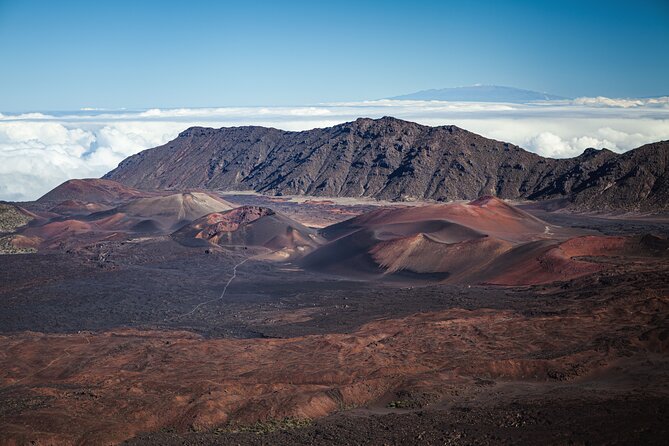
- Summit time at Haleakala (10,023 feet): Dormant volcano views with a crater-scale perspective you can’t fake with photos.
- Short crater hike for a real overlook: A quick Pa Ka’oao Trail walk that’s all about seeing the crater floor from higher up.
- Haleakalā Observatory on the schedule: University of Hawaii science spot at about 10,000 feet, with time to view the complex.
- Ho’okipa Beach turtles and windsurfing energy: A reliable coastal stop for honu spotting and trade-wind action.
- Road to Hana highlights without going all the way to Hana town: Rainbow eucalyptus, bamboo forest, Ke‘anae Point, waterfalls, plus Aunty Sandy’s banana bread stop.
- Snacks and drinks included, parking covered: You spend less time hunting for food and cashing parking meters.
Pickup, group size, and why the day feels efficient
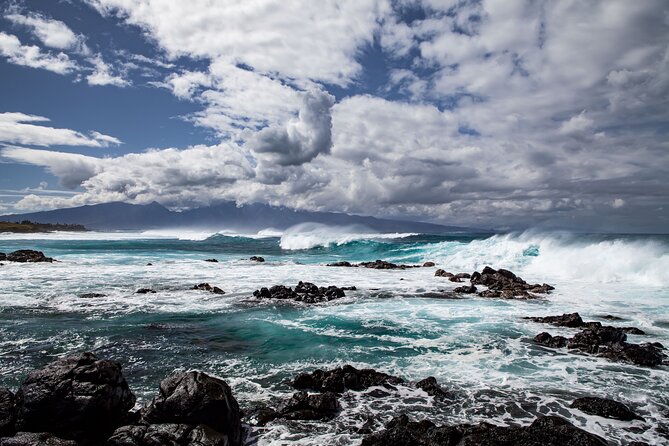
This is set up as a small-group day: a maximum of 11 travelers. That matters on Maui, where popular drives can turn into traffic-and-waiting marathons. With fewer people in the vehicle, you generally get smoother stop transitions and less time parked while everyone catches up.
Pickup is offered from hotels, with the tour specifically asking you to choose the correct side of the island for pickup compatibility (West Side like Lahaina/Kaanapali/Kapulua, South Side like Wailea/Kihei/Makena, or Central Side like Kahului). If you book from the wrong side, your pickup can be canceled if they can’t accommodate your location. So do yourself a favor and check where your hotel sits before you hit confirm.
The meeting point listed for pickup is the Ritz-Carlton Maui at Kapalua (1 Ritz Carlton Dr, Lahaina area). Even if you’re getting picked up at your hotel, it helps to know the tour’s main staging area if you end up needing to coordinate last-minute timing.
Practical tip: plan for a long day of sitting and getting in/out. This isn’t a relaxed “let’s stroll everything” pace. It’s a “see the best pieces, then move” style tour—efficient, but still active.
You can also read our reviews of more tours and experiences in Maui.



Haleakala National Park summit: the main event at 10,023 feet
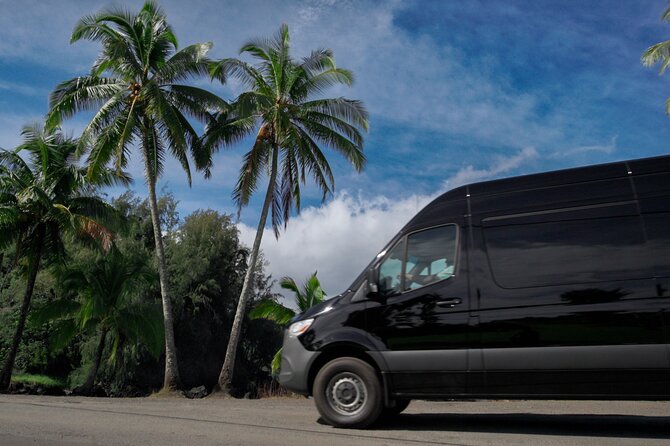
The first big stop is Haleakala National Park, where you go up to the summit area at 10,023 feet. This is the kind of place where Maui’s weather and light can change quickly. Even when the rest of the island feels warm, you can feel the temperature shift as you climb.
Here’s what makes this summit stop feel like a real highlight, not just a viewpoint stop:
- You’re going for the iconic crater-and-volcano experience from above.
- The summit area connects to the rare high-elevation ecosystem, including silversword plants found nowhere else on Earth.
- You also get a chance to experience the summit as a destination that’s been inspiring visitors for generations.
Admission time here is listed at about 2 hours. Two hours gives you time to take in the view, catch your breath (if you’re sensitive to altitude, take it slow), and not feel rushed while other groups just do a quick photo and leave.
Possible drawback: the summit is exposed. If you’re visiting in conditions with clouds, fog, or wind, the “wow” moment can be muted. The good news is that the day is designed to keep delivering views even if the sky doesn’t cooperate perfectly.
A short crater hike to the Pa Ka’oao Trail overlook
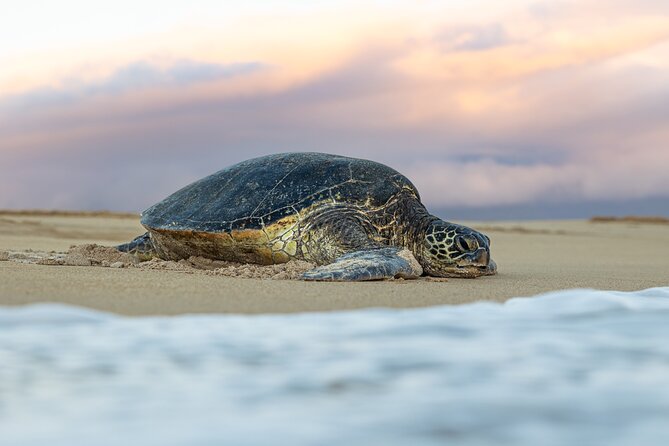
Next you get a focused look at the Haleakala Crater. The scale described is huge—about 11.25 miles across, 3.2 miles wide, and plunging nearly 2,600 feet deep. That kind of math makes your brain say wow before your eyes even do.
You’ll spend around 25 minutes for this stop, and the highlight is the short walk: the Pa Ka’oao Trail, also called the White Hill Trail. It’s about 0.4 miles out-and-back (described as a half-mile effort), starting at the visitor center and leading to an elevated overlook.
Why this small hike is worth it:
- From the visitor center, you don’t get the same crater-floor sense of depth.
- From the overlook, the crater’s scale becomes obvious—like you can finally read the whole “volcano story” at once.
Wear decent walking shoes. This is not a long trail day, but it’s still a walk at altitude, and the ground can be uneven.
Haleakalā Observatory: where the sky turns into a science stop
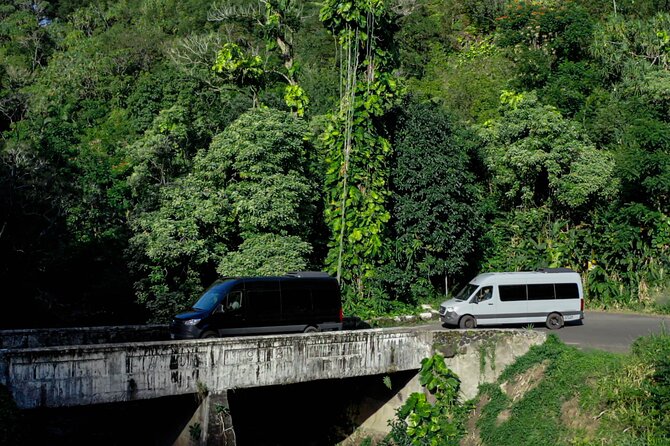
At about 30 minutes, the day includes time at the Haleakalā High Altitude Observatory, also called the Haleakalā High Altitude Observatory Site. This part is interesting because it’s not a generic gift-shop stop dressed up as science.
What you’re getting here:
- The observatory was erected in 1958.
- It covers 18 acres around 10,000 feet.
- It’s operated and managed by the University of Hawaii.
- The location’s high altitude and low light pollution help make it a valuable astronomy site.
- Visitors can view the facility from the summit and visitor center areas, while the research work continues on-site.
Important framing: this stop is about understanding why the summit area matters for science. You don’t need to be an astronomy nerd to enjoy it; it’s more like a reasoned “why here, why so high” moment.
One note for your expectations: if the day runs behind because of weather or traffic, a short stop like this can feel tight. If you’re the type who hates losing scheduled time, ask your driver-guide how they’re planning to keep the observatory stop on track when you first meet.
Ho’okipa Beach Park: turtles, windsurfing, and ocean drama
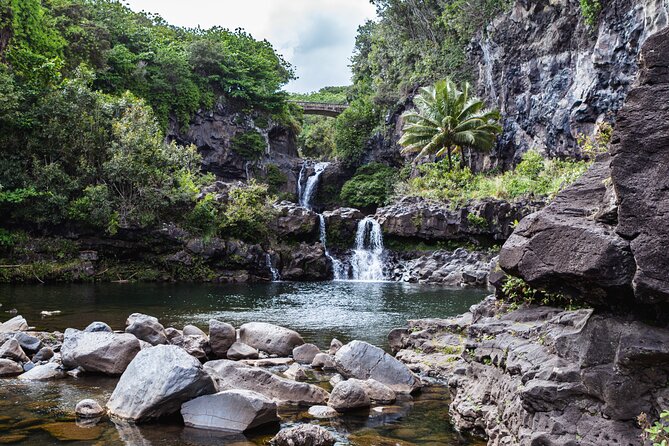
After the volcano, the tour shifts to sea level energy at Ho’okipa Beach Park, about 20 minutes. Ho’okipa means hospitality in Hawaiian, and it has a way of making you slow down—mostly because it’s hard to look away.
This stop is famous for two things:
- Consistent trade winds that made Ho’okipa the birthplace of modern windsurfing, with athletes doing aerial moves in the right conditions.
- Hawaiian green sea turtles (honu) basking on the sand, which is why this is one of the best-known places for turtle-spotting on the Road to Hana side.
You’re not guaranteed turtles every single moment, but the location is known for them. Even if you only get a glimpse of honu and windsurfers, the view of the coastline is strong.



The Road to Hana halfway drive: waterfall walls and quick photo hits
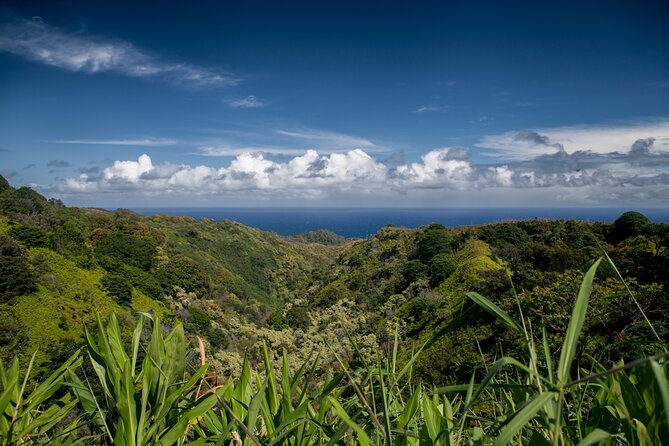
This is where the tour earns its Road to Hana name. You get time to experience waterfall features right from the road—often called waterfall walls—especially when the rainfall has been heavy enough to feed multiple streams over the rock.
One of the simplest reasons this works on a half-day style drive is timing. You’re not trying to do everything. Instead, you’re getting the dramatic roadside moments when they’re most photogenic.
Photo and comfort tip: the waterfall walls are the kind of stop where you’ll want your camera ready, but you also want to avoid standing too long in slippery areas. Use the time you have, grab the shot, and keep moving.
Rainbow eucalyptus near mile marker 7
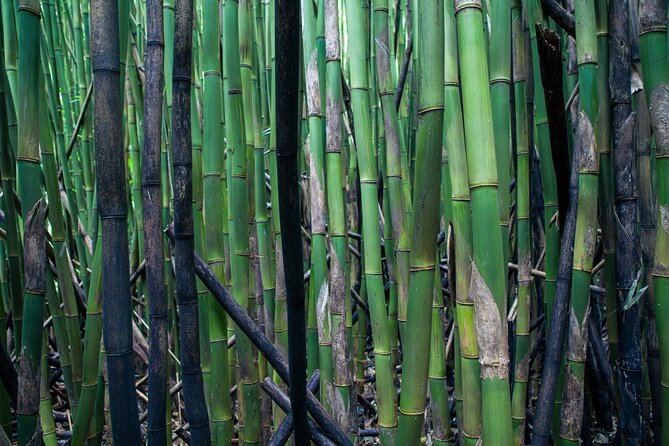
If you love roadside “wait, what is that?” moments, the rainbow eucalyptus stop delivers. Near mile marker 7, you’ll pass a forest where the trees’ multicolored bark naturally peels, revealing layers in shades like green, orange, red, purple, and yellow.
This is a quick hit—about 1 minute—and that’s perfect. You get a look without turning it into a long nature walk. If you want a better look, roll your window down and frame the shot from where the van slows safely.
Na‘ili‘ili-Haele bamboo forest near mile marker 6.7

Right around mile marker 6.7, you’ll pass the Na‘ili‘ili-Haele bamboo forest. The effect here is like a green tunnel, with tall stalks forming a cathedral feel as you travel through.
Also about 1 minute, and just like rainbow eucalyptus, the goal is to see it without turning it into a long detour. The van window view is often enough to make it memorable, especially if the lighting hits just right.
Ke‘anae Point: lava, taro fields, and the 1860 church
Ke‘anae Point is one of the more cultural stops on the route. You get about 20 minutes, which is enough time to walk around and take in the setting even if you’re not a big museum person.
This peninsula is described as a dramatic finger of ancient lava stretching about half a mile into the Pacific. Beyond the rock formations, what makes Ke‘anae special is the lived-in rural feel:
- You can see traditional taro fields still cultivated by local families.
- There’s a historic Congregational Church built in 1860: Lanakila Ihiihi O Iehova O na Kaua Congregational Church.
- You can also buy Aunty Sandy’s famous banana bread.
Expect this to feel different from the volcano stops. Instead of scale and geology, it’s more about the relationship between people and land—hard to explain, easy to sense when you’re standing there.
Aunty Sandy’s banana bread stop: fuel for the last stretch
This is a short 10-minute pause specifically for banana bread and related treats. The idea is simple: you’ll get a chance to grab coffee, banana bread, and/or food so you’re not running on snacks alone for the long final miles.
If you have dietary needs, it helps to know banana bread is often sweet and dense. That’s not a problem—it’s just worth planning so you don’t end up overdoing it right before the more curvy Road to Hana driving.
Pua‘a Ka‘a State Park: two waterfalls and a swimming option
The last major nature stop is Pua‘a Ka‘a State Park (about 30 minutes). This area delivers a pair of waterfall views.
You’ll see:
- Waikane Falls (also called Three Bears Falls) visible right from the Hana Highway between mile markers 19 and 20.
- Pua‘a Ka‘a Falls at about mile marker 22.5 within the Pua‘a Ka‘a State Wayside Park.
There’s also a note that you can swim at your own discretion. If you’re considering a dip, use common sense. Waterfalls can be unpredictable, and you’ll be on a timed tour day—so don’t let the swim turn into a soak that eats your departure time.
What you actually get for $259: value beyond the headline sights
At $259 per person (about a 10-hour day), the value comes from what’s handled for you.
Here’s what’s included that keeps your costs down:
- Bottled water plus local juices, soda, and seltzers.
- A large variety of snacks (breakfast bars, trail mix, granola bars, nuts, chips, and more).
- Parking fees to Haleakala National Park are covered.
- Haleakala National Park and crater admission are listed as free ticket access.
- Haleakalā Observatory admission is listed as included.
There’s also the human part: reviews highlight guides who add context and keep the day moving safely. Names that have shown up include Chad and Shelly, both praised for sharing Maui cultural and site information, and for driving that feels secure. That’s not just nice talk. On a day with tight schedules and curvy roads, it can make the difference between a stressful drive and a fun one.
What you still need to budget:
- A tip for your driver is not included. The suggested range is 15–20%.
Also, since the roads are curvy, if you’ve ever used anti-nausea meds on windy cliff roads, this is one of those days to consider them. The tour is worth it, but your stomach has to agree with the plan.
Who this tour fits best (and who might want a different style)
You’ll likely enjoy this if you:
- Want the Haleakala summit experience but don’t want to spend days on logistics.
- Like a packed day with meaningful stops, not long wandering.
- Appreciate a mix of geology, ocean wildlife chances, and cultural village time at Ke‘anae.
- Want included snacks and drinks so you’re not chasing food during the drive.
You might choose differently if you:
- Hate long drives and frequent getting in/out of a vehicle.
- Have strong motion sickness and can’t manage it.
- Want a super slow pace with lots of free time at each stop.
Should you book Road to Hana Halfway and Haleakala?
I’d book it if your Maui wish list includes both Haleakala and the signature Road to Hana sights, and you want them combined with solid planning and included comforts. The summit + short crater hike combo is a great payoff, and the Road to Hana portion gives you multiple memorable scenery hits—rainbow eucalyptus, bamboo forest, Ke‘anae lava peninsula, and the waterfall moments—without demanding that you do the entire end-to-end Hana drive.
I’d think twice if you’re sensitive to motion, dislike tight stop windows, or hate the idea of a full day that moves. This tour is efficient, not lazy.
If your priority is maximum “Maui greatest hits” with fewer headaches, this one fits the bill.
FAQ
How long is the tour?
The tour runs about 10 hours (approx.).
What’s included in the ticket price?
Water (bottled), local juices, soda, seltzers, and a large assortment of snacks are included. Parking fees for Haleakala National Forest are also included. Haleakala National Park admission and crater stop access are listed as free, and Haleakalā Observatory admission is listed as included.
Is pickup available?
Yes, pickup is offered. The tour asks you to select a hotel on the correct side of the island for pickup: West Side, South Side, or Central Side.
What’s the group size?
This tour has a maximum of 11 travelers.
Are there food options along the way?
You’ll have a stop for Aunty Sandy’s banana bread, with coffee and/or food available. The tour also includes bottled water, juices, soda/seltzers, and many snacks throughout the day.
Do I need to tip the driver?
Gratuity is not included. A 15–20% tip is recommended.
What if weather is bad?
The experience requires good weather. If it’s canceled due to poor weather, you’ll be offered a different date or a full refund. Free cancellation is available up to 24 hours in advance for a full refund.