REVIEW · MAUI
Surf with ALOHA SURF SCHOOL
Book on Viator →Operated by Hawaiian Ocean Sports · Bookable on Viator
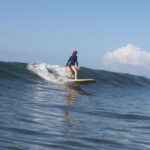
Kalama Park is the quickest way to feel Maui. This 2-hour, small-group surf lesson hits the sweet spot: pro instruction and a gentle setup for learning he’e nalu. I like how the instructors focus on safety first, then make the basics click fast (hello, standing up). One catch: it’s highly physical, so if you’re not ready for paddling and getting up repeatedly, plan for a workout.
You meet at Kalama Park and then head out to the designated surf area. The session is capped at a maximum of 15, which usually means less waiting around and more time getting coached. It’s also a nice choice for nervous first-timers—your instructor stays hands-on and clear, not judgmental.
In This Review
- Key things to know before you hit the water
- Kalama Park meeting point: getting set up in Kihei
- The 2-hour lesson flow: safety first, then he’e nalu basics
- Where you learn to surf: Kalama Park’s shallow, beginner setup
- Gear included: what Aloha Surf School provides (and what you should add)
- Instructors who make first-timers feel safe and capable
- Small-group surfing: why max 15 helps you learn faster
- Price and value: $120 for gear, coaching, and Maui time
- Weather reality: when conditions change, plans adjust
- Who should book this surf lesson in Maui?
- Should you book Surf with ALOHA SURF SCHOOL?
- FAQ
- How long is the surf lesson?
- How much does Surf with ALOHA SURF SCHOOL cost?
- Where do I meet for the lesson?
- What equipment is included?
- Is the lesson offered in English?
- How big is the group?
- Do I need a certain fitness level?
- What should I bring for comfort and sun protection?
- What happens if it’s canceled due to weather?
- Is there a free cancellation window?
Key things to know before you hit the water
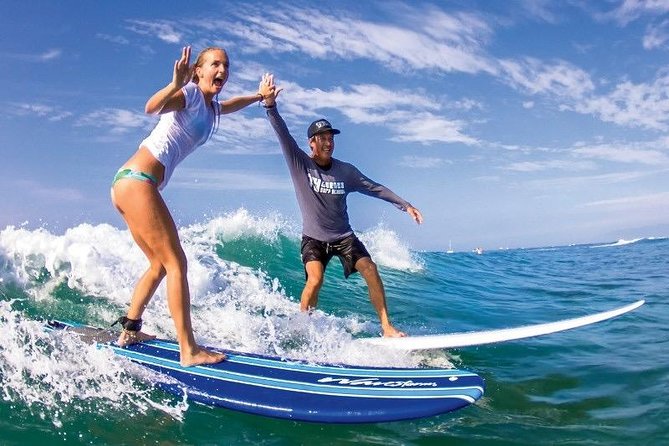
- Small-group lesson (max 15): More coaching time and less idle standing on shore.
- Kalama Park starting point: Easy to find, with a central Kihei address at 1900 S Kihei Rd.
- Gear included: Rash guard, booties, protective footwear, and a surfboard are part of the price.
- Beginner-friendly conditions: Shallow, gentle water at the lesson spot makes the first attempts more realistic.
- Instruction from named pros: You might work with instructors like Jesse, Donald, Sean, Chris, Jayden, and others from the team.
- Bring extra sun protection: The day can be bright and physical—strap-in glasses and a UV cap can help.
Kalama Park meeting point: getting set up in Kihei
Your surf session starts back at Kalama Park (1900 S Kihei Rd, Kihei, HI 96753). This matters because you’re not wasting time hunting gear and guessing where to meet—show up and get fitted so you can get on the water while you still feel fresh.
This is also a tour-style activity run by Hawaiian Ocean Sports / Aloha Surf School, and it’s designed for real beginners as well as returners who want cleaner fundamentals. It’s offered in English, and service animals are allowed. If you rely on public transportation, the meeting area is described as near it.
Plan on a moderate physical fitness level. That doesn’t mean you need to be an athlete, but you do need to be comfortable with active movement: paddling, getting up, and repeating the process. More on that soon.
You can also read our reviews of more tours and experiences in Maui.


The 2-hour lesson flow: safety first, then he’e nalu basics
The session has a simple rhythm. You’ll get a safety and surf lesson instructional, then walk to the designated surf area for the water time. That structure is exactly what first-timers need: you learn what to do before you’re staring at waves and trying to remember everything at once.
Instructors are consistently described as patient and clear, especially with nervous newcomers. People reported standing up on their first wave quickly when coached with calm, specific cues. Names that came up include Jesse, Donald, Sean, and Chris—plus teammates like Indie and Jayden who handled setup and support, including picture-taking.
Here’s what you should expect to work on during a lesson like this:
- Staying safe in the water: how to handle your board, where to position yourself, and what to watch for.
- Basic board control: getting used to the feel of the surfboard under your feet.
- Timing and stance: learning how to face the right way and catch a wave instead of just chasing it.
- Getting up repeatedly: yes, it’s repetitive on purpose. That repetition builds confidence fast.
If you think you’ll be watching from shore because you feel shaky, keep in mind that some couples ended up all-in—one partner even started out planning to watch, then surfed the full session. The teaching style is built to reduce fear, not increase it.
Where you learn to surf: Kalama Park’s shallow, beginner setup
The lesson centers around Kalama Park and the surrounding lesson water. The goal is beginner-friendly conditions—people describe the waters as gentle and shallow, which gives you a better chance to practice getting up without being instantly overwhelmed.
There’s also a practical tradeoff: rocky shallows can make it harder for instructors to get a perfect line of sight on everyone at every moment. That came up in one comment, where the water near the shallows was described as rocky. Translation for you: wear the provided footwear and don’t assume you can wander around barefoot once you’re in the shallows.
One more detail from the vibe of these sessions: the surf can vary with the day. Even when waves are small, it can still be a blast because you’re there for learning, not hunting huge sets.
Gear included: what Aloha Surf School provides (and what you should add)
The lesson includes what most people don’t want to shop for on a vacation: a rash guard, booties, protective footwear, and a surfboard. That’s part of the value of this tour. You’re paying for coaching and the equipment that lets you focus on the learning curve instead of figuring out sizes, gear, and costs.
Based on instructor-and-student advice from actual sessions, here’s what I’d personally add to your packing brain:
- Extra sun protection: the lesson is active and you’re outside for a couple hours.
- Strap-in glasses and a UV cap: these were specifically recommended, especially for people sensitive to bright glare or for kids.
- Water shoes, if you want extra traction: one review advised water shoes if you plan to go in. Since the lesson includes footwear, this is more about personal comfort and grip in rocky shallows than it is a requirement.
Also, consider your comfort with water and physical work. If you’re prone to motion discomfort, you’ll still likely be fine—it’s not a long boat trip—but you will be moving your body a lot.
Instructors who make first-timers feel safe and capable
This is where Aloha Surf School shines. The most repeated theme is instructors who are welcoming, attentive, and non judgmental—especially for people who feel nervous.
Several specific coaching stories show the style:
- Jesse was described as super patient and extremely clear, with guidance that helped a first-timer stand up quickly.
- Donald and the team were praised for friendliness and clarity, plus making the session fun enough that someone stayed longer when the lesson stretched a bit.
- Sean coached in a chill, focused way, with people enjoying even small surf.
- Chris and Jayden were credited with making learners feel like they had it together fast (and even providing edited video of rides in one case).
And the team chemistry matters. In one message thread, communication with Kevin (the owner) was described as prompt and accommodating with schedule needs. That kind of responsiveness is not the same as a fancy brochure—it can genuinely reduce stress when you’re juggling flights, hotels, and plans in Maui.
One note to keep expectations grounded: photo or video results seem to vary by session. You can still expect coaching and attention, but don’t assume every group gets the same extras.


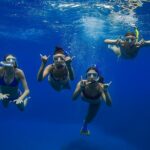
Small-group surfing: why max 15 helps you learn faster
A maximum of 15 travelers is a big deal for a beginner lesson. If you’ve ever taken a class where half the group is waiting, you know how that slows learning. Here, the small size generally means:
- You get more chances to get up and try again.
- Your instructor can correct your basics sooner.
- You spend less time standing still in the sun and more time practicing.
It’s not private, but it’s also not one of those giant tours where you get a quick board handoff and wish for the best. The difference shows up in the reviews that highlight patience and attentiveness—those are the behaviors that tend to happen when the group size is kept real.
Price and value: $120 for gear, coaching, and Maui time
At $120 per person for about 2 hours, you’re paying for three things at once:
1) a professional surf lesson,
2) the equipment (rash guard, booties, protective footwear, and surfboard),
3) a structured, beginner-friendly learning environment.
That blend is what makes the price feel more reasonable than it looks. If you had to rent a board, figure out footwear, and then pay for instruction separately, the total usually climbs fast. Here, your spending stays focused on the one activity that matters: getting coached into your first successful wave attempts.
Also, the value isn’t only physical. Many people remember this as a confidence moment—standing up, then turning around like, wait, I did that. One honeymoon described it as a best-moment experience, and that’s the kind of payoff you can’t fake with souvenirs.
Weather reality: when conditions change, plans adjust
Surf lessons are weather-dependent. This activity specifically notes that it requires good weather. If it’s canceled because of poor weather, you’ll be offered a different date or a full refund.
That’s useful planning info for Maui. You don’t need to treat surf as a make-or-break once-in-a-lifetime gamble. Just pick a date you can flex, and you’ll reduce the odds of stress.
Who should book this surf lesson in Maui?
You’ll likely love this if:
- You’re a first-time surfer or returning after a break.
- You want a patient, clear coach instead of a tough-love boot camp.
- You’re traveling with teens or adults and want an activity that feels safe and structured.
- You prefer a small-group class where you get attention.
You should think twice if:
- You don’t handle physical effort well. The lesson is described as highly physical, and paddling + getting up is real work.
- You want a relaxed, mostly-on-shore activity. This is learning in the water.
Good news: the instructors seem to work with a wide age range, and at least one 51-year-old learner got on waves. That suggests the coaching method isn’t locked to one type of body—it’s more about learning what your body can do with good technique.
Should you book Surf with ALOHA SURF SCHOOL?
If your goal is a genuine beginner surf experience in Maui—one where you get coached, not just provided gear—I’d say book it. The session is only about 2 hours, it starts at a clear location in Kihei, and it includes the essentials like rash guard and board. Most importantly, the teaching style is repeatedly described as patient and effective for nervous first-timers.
My only caution is to respect the physical side. Pack your sun protection, wear the provided footwear, and don’t plan to skip mobility afterward. If you’re okay with a workout disguised as fun, this is a strong pick for your Maui days—especially if you want your first waves to actually happen.
FAQ
How long is the surf lesson?
The lesson lasts about 2 hours.
How much does Surf with ALOHA SURF SCHOOL cost?
It costs $120.00 per person.
Where do I meet for the lesson?
Meet at Kalama Park, 1900 S Kihei Rd, Kihei, HI 96753, USA.
What equipment is included?
The lesson includes a rash guard, booties, protective footwear, and a surfboard.
Is the lesson offered in English?
Yes, it’s offered in English.
How big is the group?
The activity has a maximum of 15 travelers.
Do I need a certain fitness level?
You should have a moderate physical fitness level.
What should I bring for comfort and sun protection?
Bring extra sun protection. Strap-in glasses and a UV cap were recommended, and water shoes were suggested if you want extra traction in the water.
What happens if it’s canceled due to weather?
If it’s canceled due to poor weather, you’ll be offered a different date or a full refund.
Is there a free cancellation window?
Yes. You can cancel up to 24 hours in advance for a full refund. If you cancel less than 24 hours before the start time, the amount paid is not refunded.