REVIEW · MAUI
Maui: Guided Hike of Haleakala Crater with Lunch
Book on GetYourGuide →Operated by Hike Maui · Bookable on GetYourGuide
A hike on Haleakala feels like a sci-fi detour. This guided outing takes you into the crater’s otherworldly terrain, then fuels you with snacks and a picnic lunch along the way. You get help staying on track and learning what makes Maui’s volcanic world worth respecting.
What I like most is the chance to walk both sides of the dormant volcano—first up to the 10,000-foot summit area with cinder cones, then out along a lava trail around 8,000 feet. I also love that the guide approach is practical and safety-minded, including the kind of training you want when the ground is rocky and uneven. Guides such as George have been specifically praised for being helpful and considerate of real limitations.
The one drawback is that this is a strenuous, rocky hike. It’s not suitable for kids under 8 or for people with mobility impairments, and if you’re older or not steady on your feet, you’ll want to think hard before booking.
In This Review
- Key Highlights You’ll Actually Notice
- Why Haleakala Crater Feels Like Another Planet
- The Two-Part Hike: Summit Cinder Cones to the Lava Trail
- The first push: About 2 miles to the 10,000-foot summit
- The second section: About 2 miles at 8,000 feet on a lava trail
- Lunch and Snacks: Fueling Up Without Losing the Day
- What’s Included: Ponchos, Backpacks, and the Stuff You’ll Actually Use
- Meeting Point at Highways 311 and 380: Getting There Smoothly
- Guides and Safety: Trained for Real Conditions
- Price and Value for a 7-Hour Haleakala Hike
- Who Should Book This (and Who Should Skip It)
- Should You Book the Haleakala Guided Hike With Lunch?
- FAQ
- How long is the Haleakala guided hike with lunch?
- Where do we meet for the tour?
- What’s included in the price?
- What should I bring?
- Is hotel pickup and drop-off included?
- What are the cancellation rules?
- Is this tour suitable for children or mobility impairments?
Key Highlights You’ll Actually Notice
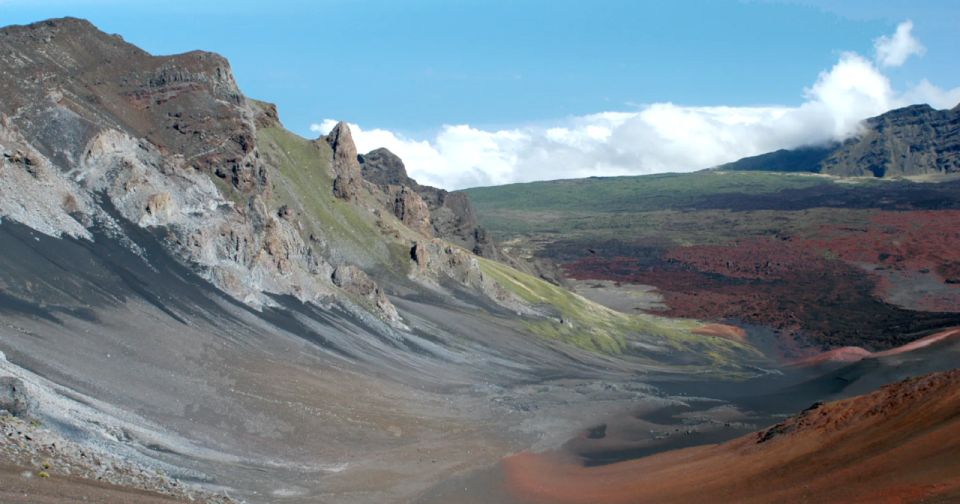
- Two altitude zones, two kinds of terrain: 10,000-foot summit cinder cones, then an 8,000-foot lava trail.
- Real crater views when conditions cooperate, often above the clouds on clear days.
- Picnic lunch plus snacks included, so you’re not hunting food at altitude.
- Ponchos and backpacks provided, which matters when weather shifts in the crater.
- Safety training and wilderness experience in the guide team, with CPR and First Aid noted.
Why Haleakala Crater Feels Like Another Planet
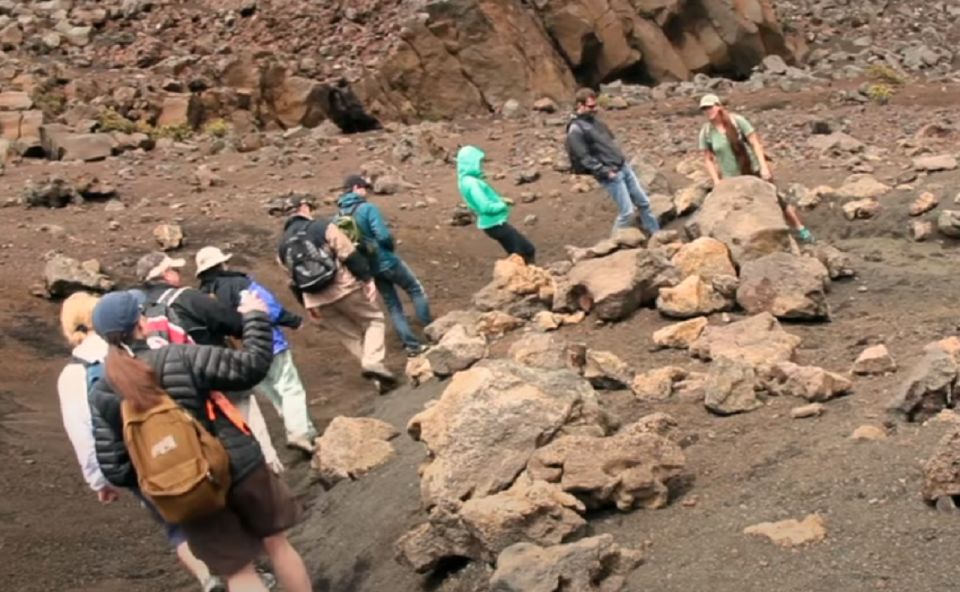
Haleakala isn’t just a viewpoint. It’s a whole setting you walk through. The air is thin up high, the ground is volcanic and uneven, and the scenery can stretch for miles—especially when visibility is good. That combination is why this kind of guided hike works so well. You get movement, context, and a sense of scale that’s hard to replicate with a quick stop.
This tour is also built around the idea that Maui isn’t only about beaches. As you hike, you learn about Maui’s heritage and culture from a professional guide. That learning isn’t stuck in a lecture format. It shows up while you’re looking at the crater itself and hearing what you’re seeing and why it matters.
Just know the altitude means you’ll feel it. Even if you’re fit, you’ll still want warm clothing and steady shoes, because slipping on rocky surfaces is the main risk type here. The guide-led pace helps, but you’re still walking.
You can also read our reviews of more guided tours in Maui


The Two-Part Hike: Summit Cinder Cones to the Lava Trail
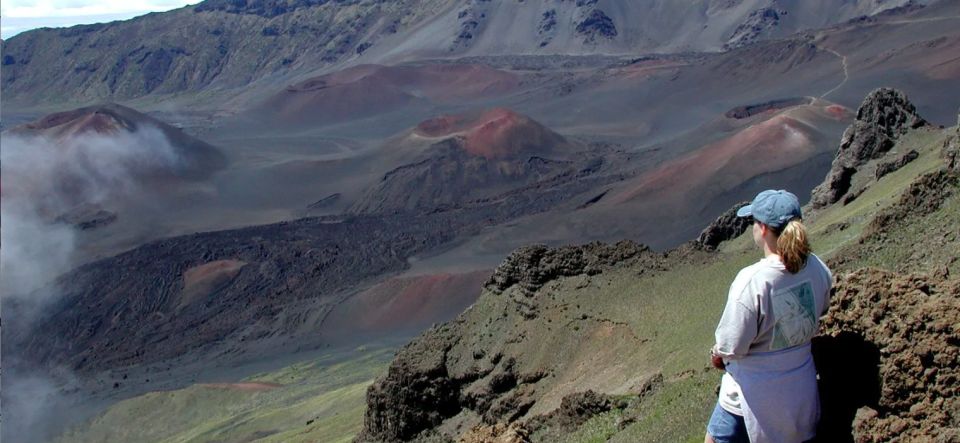
This experience is built as a two-stage hike, both described as about 2 miles each. That structure is great because you’re not guessing what’s coming next—you get a clear first goal, then a second section with different terrain and different kinds of interest.
The first push: About 2 miles to the 10,000-foot summit
The day starts with a hike up to around the 10,000-foot mark. You’ll be in a desert-like environment dominated by large cinder cones, with a view that can feel bigger than your sense of direction. This is where the “alien terrain” reputation makes sense. The ground is volcanic, the patterns look sculpted, and the scale is dramatic.
What makes this part worth doing with a guide is the explanation you receive while you’re walking. You’ll learn about Maui and see rare natural features at the top area. The walking is real work, but the payoff is that you’re not just staring—you’re understanding what you’re looking at.
A practical tip: plan to move slowly and confidently on uneven rock. If you rush, you’ll spend energy fighting your footing instead of enjoying the views.
The second section: About 2 miles at 8,000 feet on a lava trail
After the summit area, you shift to another hike segment at around 8,000 feet on a lava trail. This stretch is lined with rare native plant species, which changes the vibe. Instead of only cinder cones and barren-feeling ground, you get a stronger sense of life adapting to harsh volcanic conditions.
This is the part where the tour can feel especially memorable for a lot of people, because it’s not just altitude theater. You’re walking through a space that connects geology with biology. The “awe” factor comes from the mix: distant crater views plus closer-up details like native plants clinging where you’d assume nothing grows.
If you’re someone who gets bored on hikes that are only uphill, the second section helps. It gives your brain something new to focus on—plants, trail structure, and what the guide points out.
Lunch and Snacks: Fueling Up Without Losing the Day
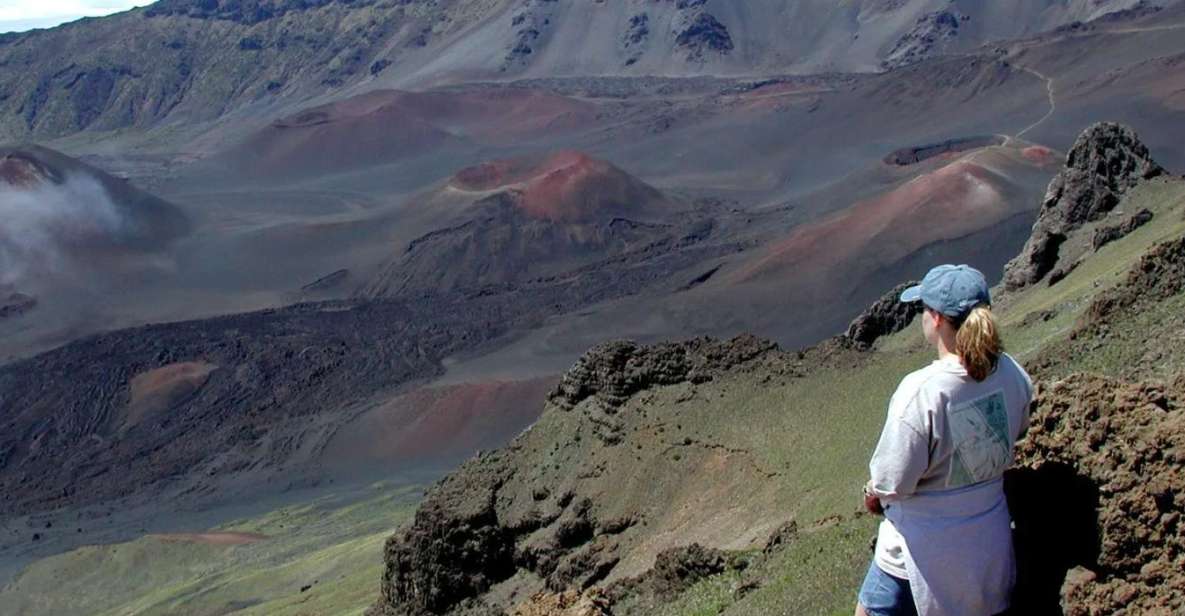
The tour includes bottled water plus snacks and a picnic lunch. That’s a big deal on Haleakala because when you’re up high, the timing can matter. You don’t want to be making last-minute decisions about where to eat while you still have walking ahead.
The lunch format matters too. A picnic-style meal fits the rhythm of the day: you pause, eat, reset, and then continue. Since this is a 7-hour outing, the included food helps you maintain energy through both hike segments instead of front-loading all your carbs at the start.
Bring your best “altitude eating” mindset: small steady bites work better than forcing a huge meal right at the peak of exertion. Also, since conditions can change, having water and snacks already in your backpack is a comfort.
You can also read our reviews of more tours and experiences in Maui




What’s Included: Ponchos, Backpacks, and the Stuff You’ll Actually Use
Here’s what comes with your booking:
- Bottled water
- Snacks
- Picnic lunch
- Backpacks
- Ponchos
Those included items are practical because the crater environment can be unpredictable. Ponchos are specifically helpful if you get drizzle or wind, and the backpack support is convenient for carrying layers and water without turning the hike into a gear shuffle.
What’s not included is hotel pickup and drop-off, so you’ll need to get yourself to the meeting point. That one detail changes how you plan your day. If you’re staying far from Kahului or you’re not renting a car, you’ll want to think through transportation in advance.
You’ll also want to bring:
- Warm clothing
- Sports shoes
This is not the time for fashion sneakers. You need grip and support for slippery, rocky surfaces.
Meeting Point at Highways 311 and 380: Getting There Smoothly
The meeting point is at the intersection of Highways 311 and 380. It’s in front of a large concrete wall with a single row of parking facing Hwy 380 west of Hwy 311, just before entering Kahului.
If you like being early (and you should), arrive with a cushion. The spot is specific, and crater hikes usually leave on schedule so the group can use daylight and weather windows smartly.
A quick way to think about logistics: treat this as a self-directed travel segment to the trailhead, then let the guide handle everything once you meet up.
Guides and Safety: Trained for Real Conditions
This is one of the strongest parts of the experience. The guides have certifications that include advanced CPR, First Aid, and Wilderness Training, plus a permit for hiking in the National Park.
That matters because “how hard is the hike?” isn’t the only question. The crater has uneven ground and altitude factors, and safety is about more than toughness. You want someone who can assess conditions and keep the group moving in a way that reduces risk.
Pace and consideration also show up in real feedback. A guide named George has been described as very helpful, and another account praised a guide for being attentive to participant limitations and consistently concerned for safety while keeping the experience enjoyable.
One more thing: tours run in most weather conditions, but they may be altered if safety issues arise. So even if the forecast looks fine, keep your plan flexible in a common-sense way.
Price and Value for a 7-Hour Haleakala Hike
At $208 per person for a 7-hour guided experience, you’re paying for more than a trail walk. You’re paying for:
- A professional guide with wilderness training and medical certifications
- Two distinct hike segments in the crater environment
- Included hydration and food (snacks plus picnic lunch)
- Gear support (backpacks and ponchos)
The value part is that a big chunk of the cost goes toward reducing hassle. If you tried to DIY this, you’d still need the gear, the route planning, and a safety plan for rocky terrain at altitude. Even then, you’d likely lose the educational layer about Maui’s heritage and what you’re seeing in the crater.
There is one extra note: for parties of 10 or more, a gratuity of $250 is collected before the trip. If you’re traveling as a larger group, that’s worth factoring into your budget.
Also, since hotel pickup/drop-off isn’t included, your total cost could creep up if you need extra transportation.
Who Should Book This (and Who Should Skip It)
This tour is a solid match if you want guided hiking on Haleakala and you’re comfortable walking rocky terrain at altitude. You’ll likely enjoy it if you like hands-on sightseeing: moving through the crater rather than just viewing it from a road.
It’s best for:
- Active travelers who want a structured hiking day
- People who appreciate learning while walking, not after the fact
- First-timers on Haleakala who want a guide to help them interpret what they’re seeing
It’s not suitable for:
- Children under 8
- People with mobility impairments
If you’re older or you have any concerns about balance, slipping, or general stamina, use the tour’s difficulty as a decision point. One review highlighted that it can be very difficult for older hikers or anyone who may struggle with slippery, rocky surfaces.
Should You Book the Haleakala Guided Hike With Lunch?
If you’re aiming for a memorable Haleakala day with less guesswork, I’d say this is a strong option. The included snacks, picnic lunch, ponchos, and backpacks make the day feel planned rather than improvised. And the guide training is the kind of detail that often separates a good outing from a stressful one.
Book it if:
- You can handle rocky trail conditions and a full 7-hour outing
- You want both crater viewpoints and meaningful context about Maui
- You like the idea of walking two different terrain types instead of doing just one short stop
Skip it or reconsider if:
- You’re not steady on your feet
- Your mobility limits you on rocky, uneven surfaces
- You’re traveling with someone under 8, since this tour isn’t suitable
If you want Haleakala as an experience, not a drive-by, this hits the mark.
FAQ
How long is the Haleakala guided hike with lunch?
The tour lasts 7 hours.
Where do we meet for the tour?
Meet at the intersection of highways 311 and 380, in front of a large concrete wall with a single row of parking facing Hwy 380 west of Hwy 311 just before entering Kahului.
What’s included in the price?
It includes bottled water, snacks, a picnic lunch, backpacks, and ponchos. A live English-speaking guide is included.
What should I bring?
Bring warm clothing and sports shoes.
Is hotel pickup and drop-off included?
No, hotel pickup and drop-off are not included.
What are the cancellation rules?
You can cancel up to 24 hours in advance for a full refund.
Is this tour suitable for children or mobility impairments?
No. It is not suitable for children under 8 and not suitable for people with mobility impairments.