REVIEW · MAUI
The Best 10 am 1.5 Hour Whale Watching Tour
Book on Viator →Operated by Blue Water Rafting · Bookable on Viator
Whale songs beat any playlist. This 10:00 whale watch heads out from Kihei with a tight schedule and a focus on what you can hear and see, including live whale songs through a hydrophone and ample free parking at the Kihei Boat Ramp. I also like that the boat crew keeps things moving once you’re on the water, so you’re not just hanging around waiting.
One possible consideration: this experience is non-refundable and depends on good weather, so you’ll want a flexible day.
In This Review
- Key highlights to know before you go
- Kihei’s 10:00 departure: why the morning matters
- What happens on the water during your 1.5 hours
- Hydrophone whale songs: the part most people remember
- Small-group spotting: capped boat sizes and quick pod hunts
- When whales come close: why the tour might stretch a little
- Comfort on board: water, viewing time, and how the crew runs it
- Price and value: is $97.30 worth it?
- Who should book this whale watch from Kihei?
- Practical details before you plan your day
- Should you book Blue Water Rafting’s 10:00 whale watch?
- FAQ
- Where is the tour meeting point?
- How long is the whale watching tour?
- What time does the tour depart?
- What should I expect to hear during the tour?
- How large are the groups?
- What happens if weather is poor?
Key highlights to know before you go
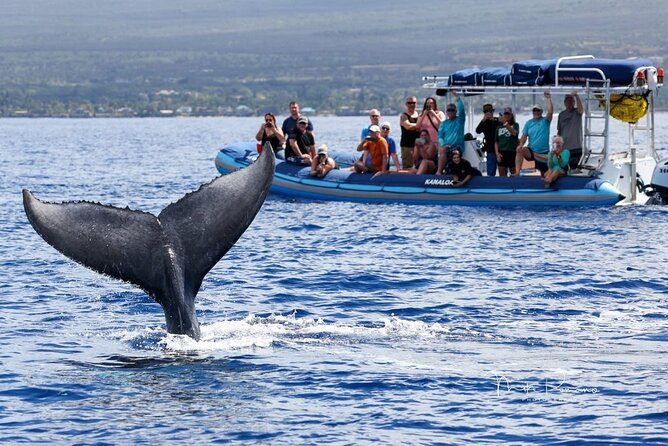
- Live whale songs via hydrophone so you’re not only watching; you’re listening in real time
- Kihei departure made easy with free parking at the Kihei Boat Ramp less than ten minutes from many Kihei and Wailea resorts
- Small group feel with a cap in the low twenties (22 max cited; 24 max listed)
- Morning timing for humpbacks with a good chance of nursing activity and calmer south-shore conditions
- Bottled water on board and a crew that answers whale questions as you sail
- Rules-first approach to close encounters if whales come in near (100 yards or less), the crew may stretch time between departures for safety and federal compliance
Kihei’s 10:00 departure: why the morning matters
This is a morning trip designed for Maui’s south shore, leaving from the Kihei Boat Ramp (2800 S Kihei Rd, Kihei, HI 96753). The goal is simple: get you out efficiently, then give you time to spot humpback whales and make sense of what you’re seeing.
I like that the morning window is tied to conditions that are usually friendlier for wildlife watching. The tour description highlights that morning departures often bring calmer conditions on Maui’s south shore, where humpbacks are common. It also notes that these times are when nursing behavior is frequently seen, which adds an extra layer of meaning to the sightings beyond just watching a breach or a tail slap.
There’s also a practical rhythm to the trip: it’s built around a quick departure and solid viewing time. If you’re planning a day around other activities, this 1 hour 30 minutes format fits well. And because the tour ends back at the meeting point, you don’t have to re-think logistics after you’re back on land.
You can also read our reviews of more whale watching tours in Maui

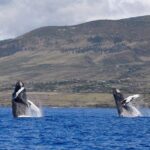
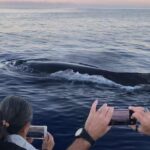
What happens on the water during your 1.5 hours
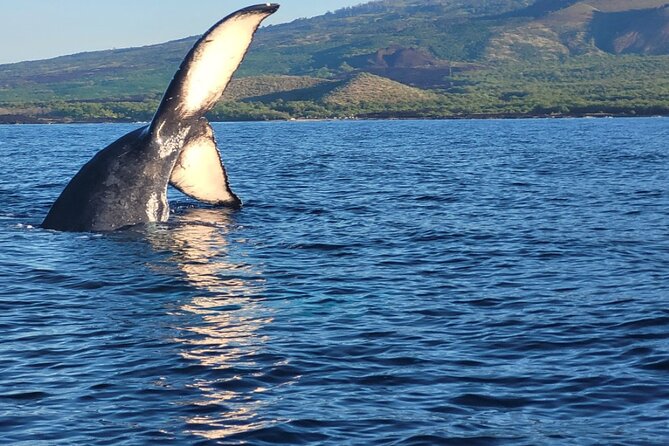
Your guaranteed whale watch runs about 1 1/2 hours. That time is structured to balance travel time out to the whales with enough viewing and listening time once you’re there.
Here’s the core flow you should expect:
- The boat heads out from Kihei quickly to start searching.
- Pods are typically found early, with the crew focusing on fast, clear viewing.
- You listen through a hydrophone while you watch the whales’ behavior.
- The crew shares facts and answers questions during the trip.
The big ingredient here is the hydrophone. Instead of hoping you’ll catch whale calls from a distance, this tour puts a sound system into the water so you can hear whale songs through live transmission. That changes the experience in a real way. Even if you don’t know whale behavior yet, you can follow the action with your ears, not just your eyes.
The tour description also emphasizes that most customers enjoy the hydrophone the most. In other words, this is one of those activities where the main event doesn’t require prior knowledge. You get prompts, explanations, and the audio component does a lot of the storytelling for you.
Hydrophone whale songs: the part most people remember
You’ll hear live whale song through a hydrophone connected to the boat’s sound system. The practical payoff is huge: humpbacks can be hard to track visually, especially if they’re at an angle or partially surfaced. The hydrophone helps you locate the moment the whales are vocalizing, even when the view is less than perfect.
This is also why the crew’s teaching matters. The tour promises facts throughout and time for questions. That turns a simple wildlife encounter into something more memorable because you’ll understand what you’re seeing while it’s happening.
One more detail that matters: you’re not just getting a passive lecture. The hydrophone is described as something the crew puts into the water so you can hear the whales sing. That means you’re listening as part of the action, not later in a recap. If you’re the type who wants the “wow” moment and a little clarity, this format tends to work well.
Small-group spotting: capped boat sizes and quick pod hunts
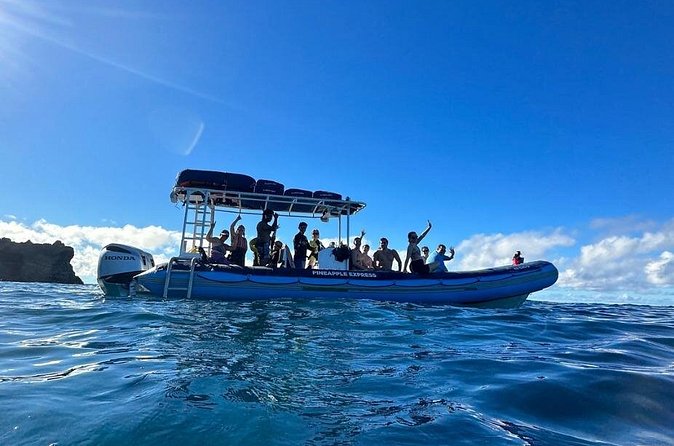
This is run as a small-group tour. The details say group sizes are capped at 22 people maximum, and another line lists a maximum of 24 travelers. Either way, the main idea is the same: you’re not packed into a huge crowd.
A smaller group has a real effect on your experience. It usually means:
- more room to find a comfortable viewing spot,
- less crowding when the crew calls out whale activity,
- and a better chance to hear the hydrophone/audio instructions clearly.
The trip also has an efficiency focus. One of the recurring themes in the supplied feedback is that the crew is great at finding whales and dolphins and gets you out to wildlife quickly. Even without knowing the exact route, you can expect the crew to prioritize locating wildlife early and using your 1.5 hours for viewing rather than long idle time.
If you care about maximizing your time on the water, that “quick to wildlife” approach is a big part of the value. Maui whale watching is best when you’re not waiting around. This tour is built around the idea that pods get spotted promptly, leaving ample time for watching and listening.
When whales come close: why the tour might stretch a little
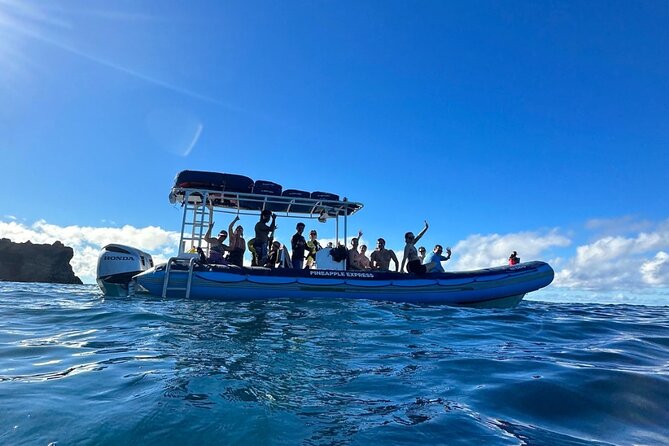
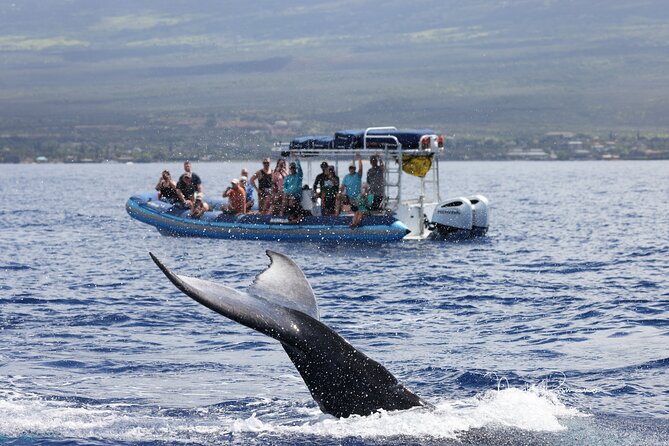
Sometimes whales get very close. The description calls out that close encounters of 100 yards or less can happen. When that occurs, the crew may need to “stretch” a tour slightly.
Why does that matter for you? It’s tied to safety and operating within federal regulations. So if you’re watching for a strict start-to-finish schedule, keep some flexibility. You’re not being asked to suffer through delays for no reason. The wording makes it clear the change is meant to protect the whales and keep operations compliant.
Also, the tour description mentions extra time may be allowed between departures. In plain terms, the crew isn’t just trying to rush through one tour; they’re accounting for how close encounters can affect timing. That’s a good sign if you prefer responsible wildlife watching over a “speedrun” mentality.




Comfort on board: water, viewing time, and how the crew runs it
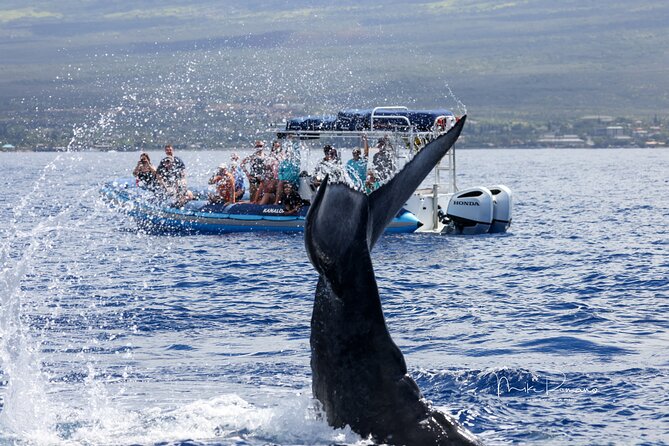
The tour includes bottled water on board, which is a small thing that pays off when you’re out on the water and the sun starts doing its job. Combined with the short 1.5-hour duration, it makes the overall outing feel manageable for most people.
The boat comfort factor is also reflected in the rating and feedback you provided. The experience is described as comfortable, and the crew is praised for finding wildlife quickly. That pairing matters: a comfortable boat helps you actually enjoy the time you’re spending viewing, and quick locating helps you avoid the “we’re still searching” feeling that can drain energy fast.
The crew also answers questions and provides facts throughout. That’s important because whales can look similar at a glance, and behavior patterns can be confusing if you’ve never seen them before. Even a few short explanations can help you interpret what you’re seeing in real time.
Price and value: is $97.30 worth it?
At $97.30 per person for about 1 hour 30 minutes, this isn’t the cheapest whale watch option on Maui. But value here is more about what’s included and how the experience is designed.
What you’re paying for:
- A structured, guaranteed 1.5-hour whale watch window
- A small-group format (cap in the low twenties)
- Live whale song via hydrophone, which many whale watching alternatives don’t provide in the same hands-on way
- Bottled water on board
- A crew focused on locating pods quickly and providing facts during the trip
If your main goal is to hear whale songs (not just see whales), this tour’s hydrophone setup is a strong reason to consider it. Many people end up remembering the audio experience more than the visuals because it turns whale watching into a full sensory event.
Also note timing. The trip is often booked about 15 days in advance on average. That suggests demand is steady. If you want the 10:00 morning departure specifically, you’ll likely get a smoother booking experience by reserving sooner rather than later.
Who should book this whale watch from Kihei?
This tour is a good fit if you want:
- A morning Maui whale watch with a calm-south-shore focus
- A smaller group experience where you can see and listen without feeling crowded
- A hydrophone-driven setup that makes whale song part of the outing
- A crew that answers questions and gives facts while you’re out there
It may not be the best match if you need:
- a no-stress reschedule option (the supplied policy is non-refundable and can’t be changed),
- or you need an itinerary that never shifts with weather.
There are also participation limits you should take seriously. The data says no children 4 and under unless called in and approved. It also says they are unable to take anyone who is pregnant. Most other people can participate, but those restrictions affect who should book.
Practical details before you plan your day
You depart at 10:00 am and return to the same meeting point. The start location is 2800 S Kihei Rd, Kihei, HI 96753.
Parking is a bright spot for this particular trip. The description notes ample free parking at the Kihei Boat Ramp, and that it’s less than ten minutes from all Kihei and Wailea resorts. That saves stress if you’re driving yourself, especially in the morning when everyone is trying to be efficient.
You’ll also use a mobile ticket. Confirmation is stated as received within 48 hours of booking, subject to availability.
One more heads-up: the experience requires good weather. If conditions are poor, it can be canceled, and the tour operator offers an alternative date or a full refund.
Should you book Blue Water Rafting’s 10:00 whale watch?
I’d book this if you’re aiming for a Maui whale watch experience with a strong chance of satisfying both your eyes and your ears. The hydrophone setup is the headline feature, and it’s paired with small-group viewing and a crew approach that prioritizes getting to wildlife quickly.
I wouldn’t book this if your schedule is locked in and non-refundable risk would cause problems. Weather can affect plans on Maui’s water. And because close whale encounters can lead to slight timing adjustments for safety and federal regulations, you should keep a flexible mental buffer.
FAQ
Where is the tour meeting point?
The tour starts at 2800 S Kihei Rd, Kihei, HI 96753, USA, and it ends back at the same meeting point.
How long is the whale watching tour?
The guaranteed whale watch is about 1 1/2 hours (approximately 1 hour 30 minutes).
What time does the tour depart?
The scheduled start time is 10:00 am.
What should I expect to hear during the tour?
You can hear live whale songs through a hydrophone sound system while the boat is out on the water.
How large are the groups?
Group sizes are capped at 22 people maximum, and the maximum listed is 24 travelers.
What happens if weather is poor?
This experience requires good weather. If it’s canceled due to poor weather, you’ll be offered a different date or a full refund.