REVIEW · MAUI
West Maui and Molokai 60-Minute Helicopter Tour
Book on Viator →Operated by Air Maui Helicopter Tours · Bookable on Viator
A helicopter hour can change how you see Maui. This six-seat West Maui and Molokai flight takes you above valleys, cliffs, and famous waterfalls, with your pilot narrating through a two-way headset.
I also love how photo-friendly the route is. You’ll get high, clear looks at places like the Honokohau Falls area, the Kapalua coast beaches, and Molokai’s dramatic north shore cliffs.
The main thing to weigh is the cost. At about $443 per person for a 60-minute flight, you’re paying for access, not time on the ground, and weather can shift what you see.
In This Review
- Key Highlights Worth Booking Around
- Getting Ready at Kahului Heliport (and Why It Matters)
- Why This Route Works: West Maui to Molokai in One Hour
- West Maui Mountains: Ridges, Rainforests, and the Waterfall Fan Club
- Cruising the Coast: Kapalua Beaches and the Feel of Scale
- The Pailolo Channel Crossing: Ocean Views and Winter Whale Odds
- Molokai Arrives: Moku Ho’oniki and Halawa Valley’s Big-Scale Falls
- The Finish: Tall Sea Cliffs and a Strong Sense of Place
- Comfort, Safety, and the Reality of a Six-Seat Cabin
- Price and Value: Is $443 for an Hour Actually Worth It?
- Best Fit: Who Should Book This Helicopter Tour?
- Should You Book West Maui and Molokai by Helicopter?
- FAQ
- How long is the flight?
- Where do I meet for this tour?
- Is hotel pickup and drop-off included?
- How many people are in the helicopter?
- Do I need to bring a recording device?
- What should I wear or bring for better photos?
- What if weather is bad and the flight can’t operate?
Key Highlights Worth Booking Around
- Six passengers max means you’re not squeezed into a big herd
- Two-way headset narration keeps the flight informative, not just scenic
- Wall of Tears and waterfall spotting on the West Maui side
- Pailolo Channel whale odds in winter (not a guarantee, but a real possibility)
- Halawa Valley sights including Moku Ho’oniki rock and major falls
- Molokai’s giant sea cliffs bring the trip home with real wow-factor
Getting Ready at Kahului Heliport (and Why It Matters)
Your tour starts at Kahului Heliport, at 108 Lelepio Pl, Kahului, HI 96732. There’s no hotel pickup, so you’ll want to plan for a straightforward drive and arrive with enough time to check in.
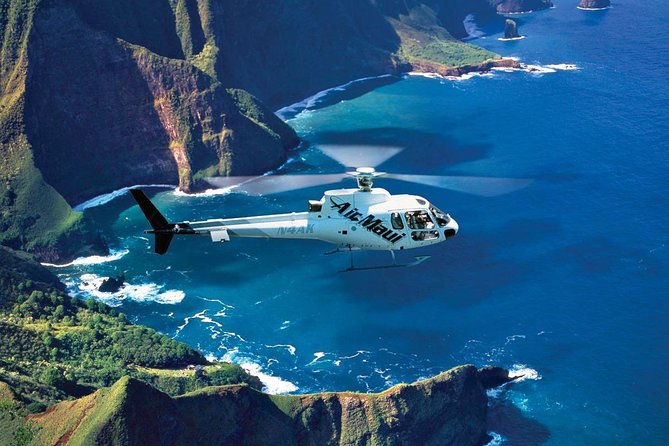
You’re in a shared cabin with the pilot, up to six passengers total. That small number is part of the value: you’re more likely to have everyone see what the pilot is pointing out, instead of watching over shoulders.
One more practical note: this tour runs on a mobile ticket, and it’s offered in English. Also, flights depend on weather, so your exact route and what you see can vary.
You can also read our reviews of more tours and experiences in Maui

Why This Route Works: West Maui to Molokai in One Hour
This isn’t just a scenic “ride.” The flight is structured to hit a sweep of Maui’s most dramatic geography: dormant volcano terrain, deep valleys, waterfall zones, beaches, and then the channel crossing to Molokai.
The payoff is perspective. From the air, you can connect the dots between ridges, erosion patterns, and where the waterfalls actually drop. It’s the kind of view that makes a map feel less abstract.
And because the helicopter is compact, you get close enough to feel the scale. Places that look impressive on land can look myth-sized from the air.
West Maui Mountains: Ridges, Rainforests, and the Waterfall Fan Club
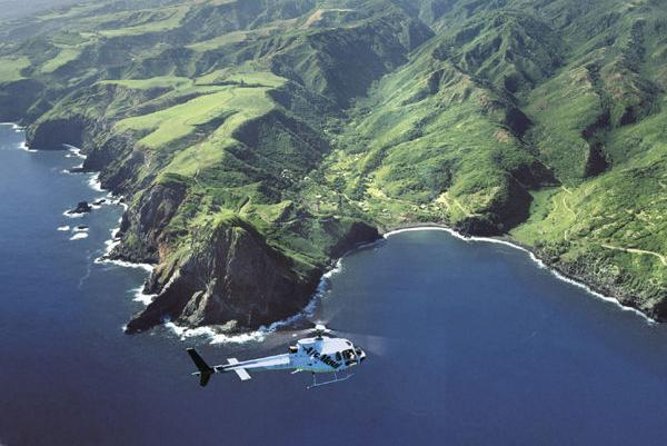
After takeoff, you’ll cruise over green sugar country and into the West Maui Mountains region. Expect views that feel layered: fields below, eroded volcano shapes in the middle, and knife-thin ridgelines stretching out ahead.
This is where the waterfall focus starts. You fly past the famous Wall of Tears, a stretch known for many cascading falls pouring down the slopes. If you like photography, this is prime time because you’re seeing the fall lines from above, not just the top of a waterfall from a viewpoint.
You may also spot Honokohau Falls in this zone. Seeing a tall waterfall system from the air helps you understand how wide the drainage area is and how the terrain funnels water.
Your pilot uses a two-way headset to share context as you go. In real-world terms, it’s one of the differences between a “look, pretty” flight and a “now I get it” flight. Names you could encounter on various departures include pilots like Drew, Cameron, Kirk, Nathan, and Dylan, and the consistent theme in their narration is safety plus clear, timely comments when you’re in the right viewing spot.
Cruising the Coast: Kapalua Beaches and the Feel of Scale
As the flight leaves the middle of the West Maui Mountains, you’ll transition toward the Kapalua coast. This is the part where the color contrast turns up: lighter beaches below, deep ocean blues, and sharp coastline edges.
It’s a satisfying change of pace from waterfalls and cliffs to coastline and shoreline shape. You get a better sense of how Maui’s resort areas sit against the ocean, and how quickly the terrain drops off.
Even if you’re not a “beach person,” this stretch helps you understand why the next leg matters. The air view makes the Pailolo Channel crossing feel like a natural bridge between islands.
The Pailolo Channel Crossing: Ocean Views and Winter Whale Odds
Then comes the Pailolo Channel, the stretch that separates Maui from Molokai. From the air, you can see why this channel is famous for marine life—there’s open water, clear visibility, and the coastline shapes set a good sightline.
In winter, there’s an excellent chance you’ll see humpback whales as they move slowly through the channel. You might catch spouting, slapping fins, or a full-on disappear-and-reappear moment when they dive and re-surface.
Even outside peak whale season, the channel itself is a visual win. You’ll see whitecaps, coastline geometry, and the kind of water texture that’s hard to capture from shore.






Molokai Arrives: Moku Ho’oniki and Halawa Valley’s Big-Scale Falls
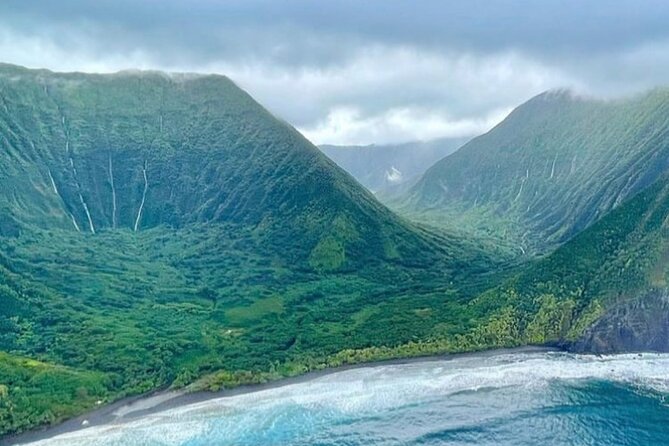
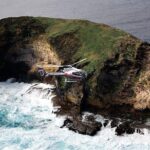
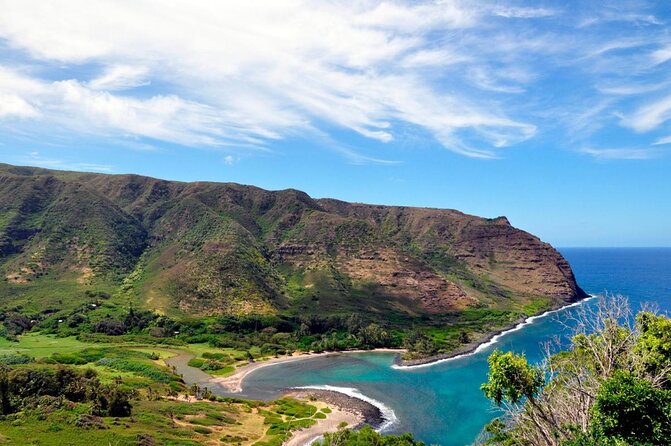
When you reach Molokai’s isolated coastline, the first standout you’ll likely notice is Moku Ho’oniki rock. This islet was used for target practice by US military bombers, and it sits offshore of Halawa Valley, described as Molokai’s first settlement area.
It’s an interesting contrast: ocean beauty right next to history. From the air, you can see the physical separation between settlement zones and the harsh ocean edges.
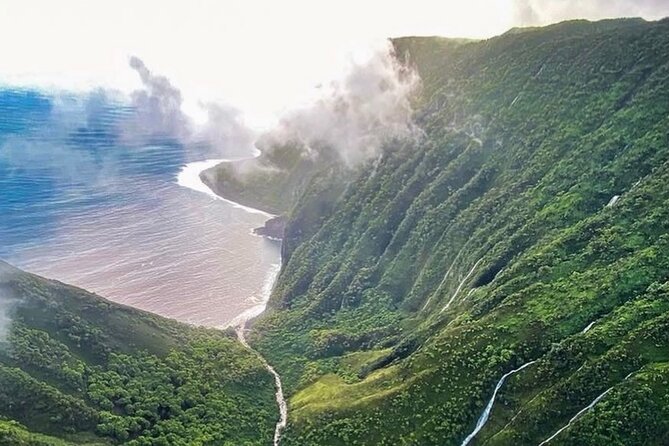
Then you move over Halawa Valley itself. Keep an eye out for Moa’ula Falls, spilling through the back of the valley. It’s not only about the water; it’s also about how the valley walls shape the flow, turning it into a set of visible channels rather than a single drop.
Next up is Kahiwa Falls, one of the major highlights. It drops about 1,750 feet (533 meters) toward a black sand beach below. That black-sand backdrop matters because it makes the waterfall look even more dramatic, with strong color contrast and clear depth cues.
If you care about photography, this is one of the best segments for window shots. The helicopter’s position often gives you a better sense of “where the fall goes,” not just that water is falling.
The Finish: Tall Sea Cliffs and a Strong Sense of Place
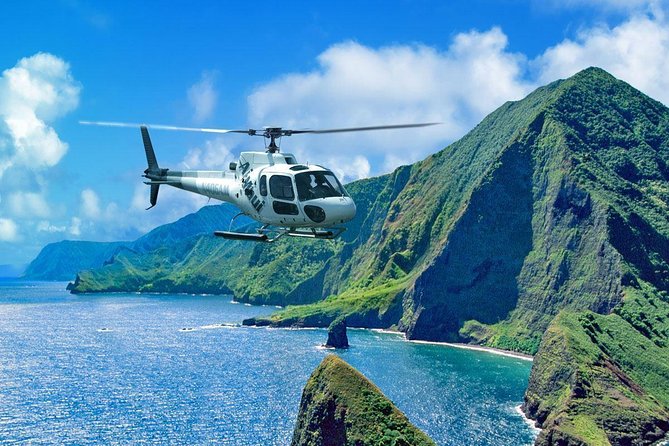
The tour ends by flying along the tallest sea cliffs in the world. This finale is the kind of visual stop that makes your brain shut up for a second, because the scale is hard to imagine while standing on land.
Cliffs like these don’t just look tall. From the air, you see how the ocean meets the rock face and how steep the drop really is. It’s a final reminder that Molokai’s north side is remote for a reason.
Your pilot may also adjust routing if weather changes visibility. That’s why this flight feels like a “best available views today” experience, not a rigid checklist.
Comfort, Safety, and the Reality of a Six-Seat Cabin
This helicopter ride is shared cabin flying. That means you’ll spend your hour in close quarters, but the upside is that you’re not competing for attention.
The two-way headset is a big deal. It helps you actually hear narration clearly as you fly past points of interest, and it reduces the usual stress of trying to lean toward someone while you’re looking out the window.
There are some rules that help you get a smoother flight:
- No bags allowed on board, including purses and small packs
- Wear dark clothing to help reduce window reflections for better photos
- All passenger weights must be provided at booking
Weight rules are strict for safety and comfort. If you’re booking at or above 240 lbs, or if combined group weights land above certain thresholds, you may need to purchase an extra seat. Also, under-representing body weight can lead to cancellation at check-in with no refund. It’s not the kind of thing you want to gamble on.
One last comfort note: the flight routes and sights may vary due to weather. That’s normal in helicopter flying, and it’s part of why booking earlier tends to help if you have flexible dates.
Price and Value: Is $443 for an Hour Actually Worth It?
This is the classic “expensive, but you’re paying for access” situation. You’re not buying a long sightseeing day; you’re buying a 60-minute aerial lens on West Maui and Molokai that most people never get.
Here’s how I’d think about value:
- You’re paying for time-compressed visibility. In one hour, you cover mountains, waterfalls, coastlines, a channel crossing, and Molokai cliffs.
- You get small-group attention rather than a cattle-call experience.
- You’re getting pilot narration tied to the sights, with two-way headset audio.
If your budget allows one big splurge and you want the trip highlight to be visual, this tends to land well. If you’re price-sensitive or you’d rather spend time on the ground exploring towns and trailheads, this might feel like money for views you could partially get elsewhere.
Best Fit: Who Should Book This Helicopter Tour?
You’ll probably love this if you’re:
- a photographer who wants waterfall and cliff views from above
- the type who gets satisfaction from learning geography from a new angle
- traveling with a group and you want one activity that feels special without a full day commitment
It also helps if you’re comfortable with flying in a small craft and following light rules like wearing dark clothing and traveling without carry-on items.
If you’re the type who hates surprises, read this as: you’ll see major highlights, but exact routing can change with weather. Plan your expectations around an aerial tour with the most dramatic options available that day.
Should You Book West Maui and Molokai by Helicopter?
Yes, I’d book it if your heart is set on seeing both islands’ most dramatic terrain in a single hour. The combination of waterfalls, channel views, and Molokai cliffs is the rare mix that’s hard to replicate any other way.
But book it with a clear mindset: this is a premium, weather-sensitive splurge. If you’re okay paying for the view access and you pack light (and weigh accurately), you’re in for one of the most memorable segments of a Maui trip.
FAQ
How long is the flight?
The flight is about 60 minutes, and the whole experience ends back at the meeting point.
Where do I meet for this tour?
You’ll meet at 108 Lelepio Pl, Kahului, HI 96732, USA.
Is hotel pickup and drop-off included?
No. Hotel pickup and drop-off are not included.
How many people are in the helicopter?
It’s a shared cabin that holds up to six passengers and one pilot.
Do I need to bring a recording device?
No USB recording is included. A flight recording on USB is listed as not included.
What should I wear or bring for better photos?
You’ll be asked to wear dark clothing to reduce window reflections. Also, no bags are allowed on board, including purses, fanny packs, and backpacks.
What if weather is bad and the flight can’t operate?
This experience requires good weather. If it’s canceled due to poor weather, you’ll be offered a different date or a full refund.
If you tell me your travel month and whether you’re traveling with kids or anyone sensitive to tight spaces, I can help you judge how likely you are to catch the whale season perks and waterfalls under typical conditions.