REVIEW · MAUI
Central Maui: Two-Island Scenic Helicopter Flight to Molokai
Book on GetYourGuide →Operated by Maverick Helicopters Hawaii · Bookable on GetYourGuide
A helicopter ride makes Hawaii feel brand-new. This Central Maui to Molokai flight is built for big, clear aerial views in just 55 minutes, with in-flight commentary and a small cabin that keeps things personal.
What I like most is the way you get up close to waterfalls and coastline drama that you simply can’t reach by car. The second standout for me is the pilot-led storytelling, with pilots such as Eddie, John, Tone, Jake, Carlos, and Eddy sharing what you’re seeing as you fly.
The only real catch: this is not a long, slow sightseeing day. You’re up, you fly, you look, and then you’re back—so it’s not ideal if you want hours of stops and wandering.
In This Review
- Key Things That Make This Flight Worth It
- Kahului Heliport Check-In and What the Cabin Experience Feels Like
- The Big Setup: Why a 55-Minute Maui-to-Molokai Flight Works
- Over the World’s Largest Sea Cliffs: Molokai’s Drama From Above
- Honokohau Falls and Kahiwa Falls: The Waterfall Sight You Can’t Replicate
- Iao Valley State Park: Rainforest Looks Like a Living Map
- Halawa Valley, Fish Ponds, and the North Shore’s Quiet Power
- Pailolo Channel and Elephant Rock: Seeing the Space Between Islands
- Haleakala in the Distance and West Maui Mountains Close Enough to Feel
- Flying With Assigned Seats: Comfort Rules You Should Know Before You Go
- What the Pilot Commentary Adds (and Why It’s Not Just Small Talk)
- Price and Value: Is $369 Worth a 55-Minute Ride?
- Who This Helicopter Flight Suits Best
- Quick Practical Tips Before You Fly
- Should You Book the Central Maui to Molokai Helicopter Flight?
- FAQ
- Where do flights depart for this Maui and Molokai helicopter tour?
- How long is the helicopter flight?
- Is hotel pickup or drop-off included?
- Do I need a photo ID to check in?
- What is required before the flight to confirm it’s running?
- How small is the group, and is there a minimum number of passengers?
Key Things That Make This Flight Worth It
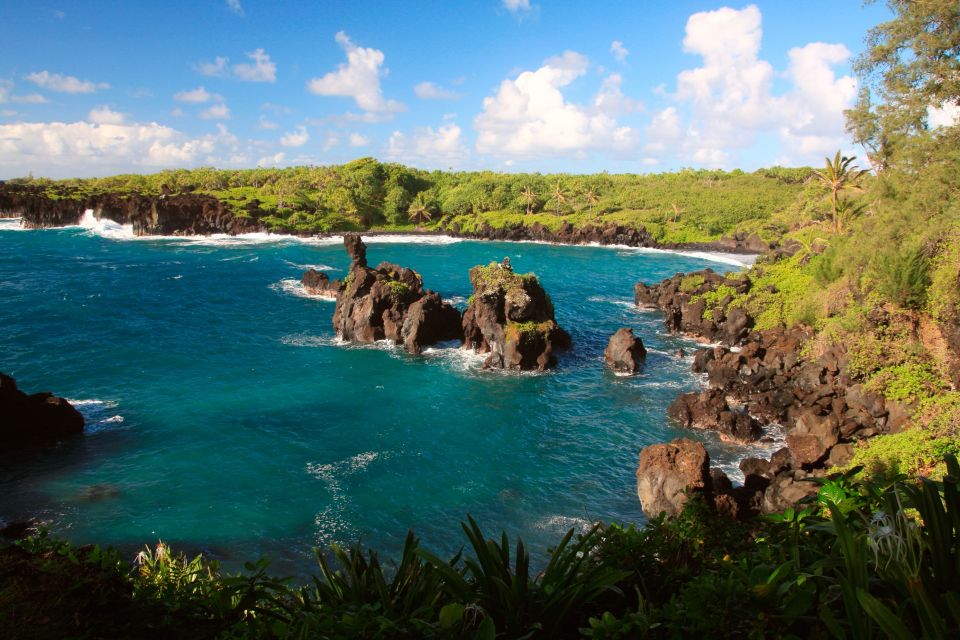
- Molokai waterfalls from above, including Kahiwa Falls and the island’s tallest waterfall area around Honokohau Falls
- Iao Valley State Park rainforest views that look like a living map below you
- Halawa Valley and fish ponds on the remote north shore—real scale, real geography
- Pailolo Channel and Elephant Rock with the open water between islands clearly visible
- Assigned seating by weight and balance, which keeps the ride safe but means you may not choose your exact spot
Kahului Heliport Check-In and What the Cabin Experience Feels Like
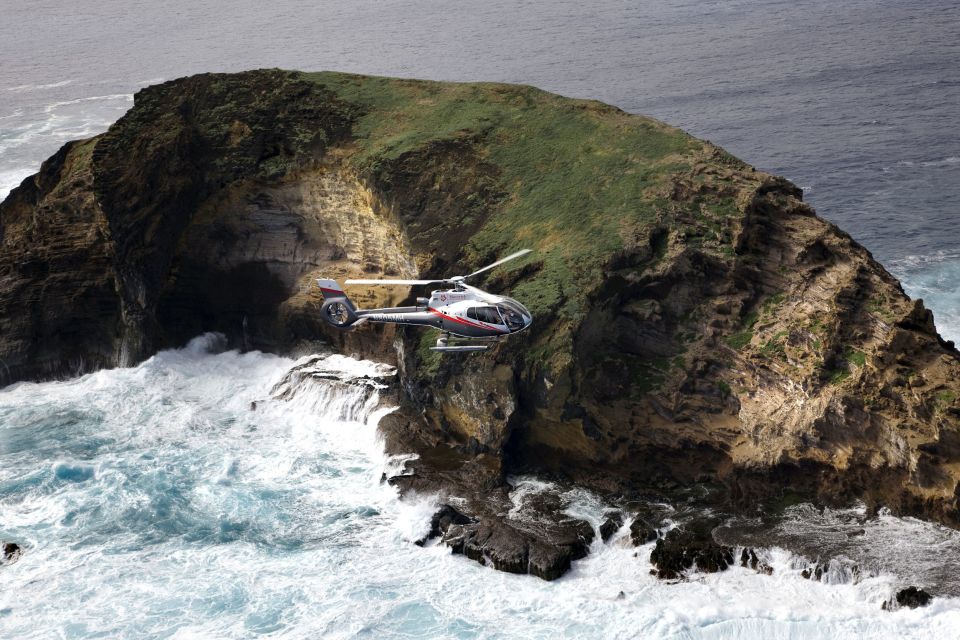
Your flight departs from Kahului Heliport (2 Lelepio Place, Kahului, Maui). Plan to arrive early: you must check in at least 30 minutes before departure, and late arrivals can lose their seat with no refund.
Inside the process, you’ll notice this is run like an aircraft operation, not a casual shuttle. All passengers need a government-issued photo ID (a REAL ID–compliant driver’s license or a valid passport). Photocopies or digital images don’t count, and no ID means no check-in and no refund.
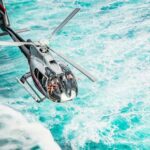
This tour is small group, limited to 6 participants. That matters more than you might think. In a big cabin, you’re stuck playing angle tennis with other people. In a small one, you tend to see the sights with fewer blockages—and the pilot’s commentary is easier to hear.
One more thing that affects comfort: seating is assigned based on legal weight and balance limits and isn’t guaranteed together. If you’re traveling as a couple or family, plan for the possibility you won’t sit side-by-side.
You can also read our reviews of more tours and experiences in Maui


The Big Setup: Why a 55-Minute Maui-to-Molokai Flight Works
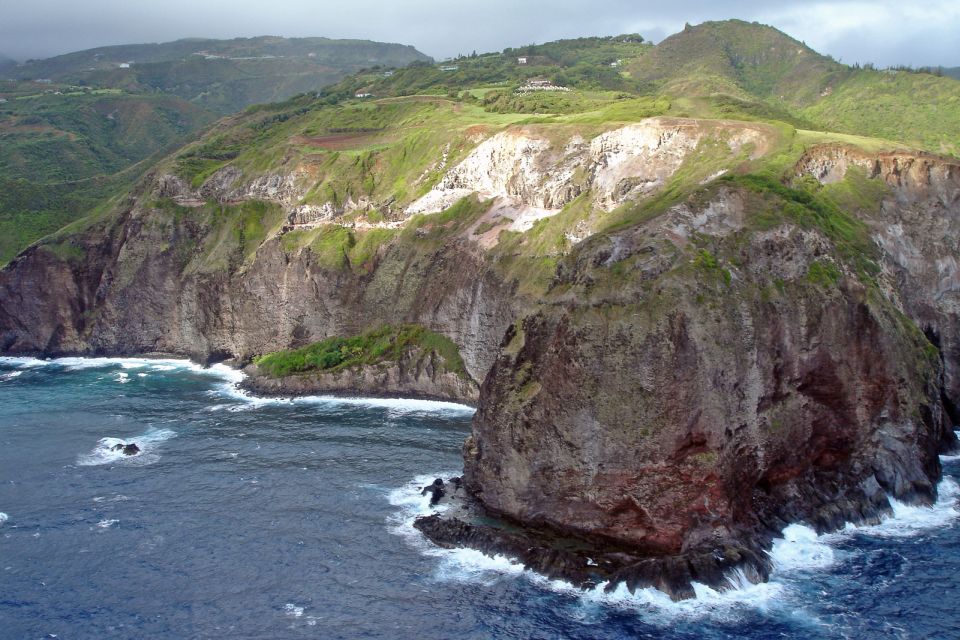
At 55 minutes, you’re not trying to “do everything.” Instead, you’re paying for the rare combination of time and altitude. Helicopters fly low enough for detail, but fast enough that you don’t spend your whole vacation strapped into a seat.
That short format is also why the route feels so packed with variety. You’re not just “flying over water.” You’re crossing from Maui to Molokai, moving between upland valleys, sea cliffs, coastal stretches, and waterfall zones—so you get a lot of Hawaii’s major shapes in one go.
The route includes a lot of the dramatic stuff people come to Hawaii for, but seen from a different angle: waterfalls, cliffs, and the blank space of ocean between islands. If you like photos, this is one of the best ways to get them without hiking or driving.
And yes, there’s a chance for extras. Some flights include sightings like whales. You shouldn’t count on it as a guarantee, but it’s enough of a possibility from past passengers that it’s worth keeping your eyes up during open-water sections.
Over the World’s Largest Sea Cliffs: Molokai’s Drama From Above
Once you leave Kahului, the flight shifts quickly into scenery that feels almost cinematic. One of the early wow moments is the flight over the world’s largest sea cliffs area.
From the air, sea cliffs stop being a distant concept and start acting like a physical force. You can see the drop-offs and the way erosion shapes the coastline. It’s the kind of view that makes you understand why Molokai is often described as remote and untamed.
This is also where the flight’s “two-island” promise really pays off. Maui gives you familiar green hills and valley shapes. Molokai brings harder edges, coastal scale, and more intense relief.
Honokohau Falls and Kahiwa Falls: The Waterfall Sight You Can’t Replicate
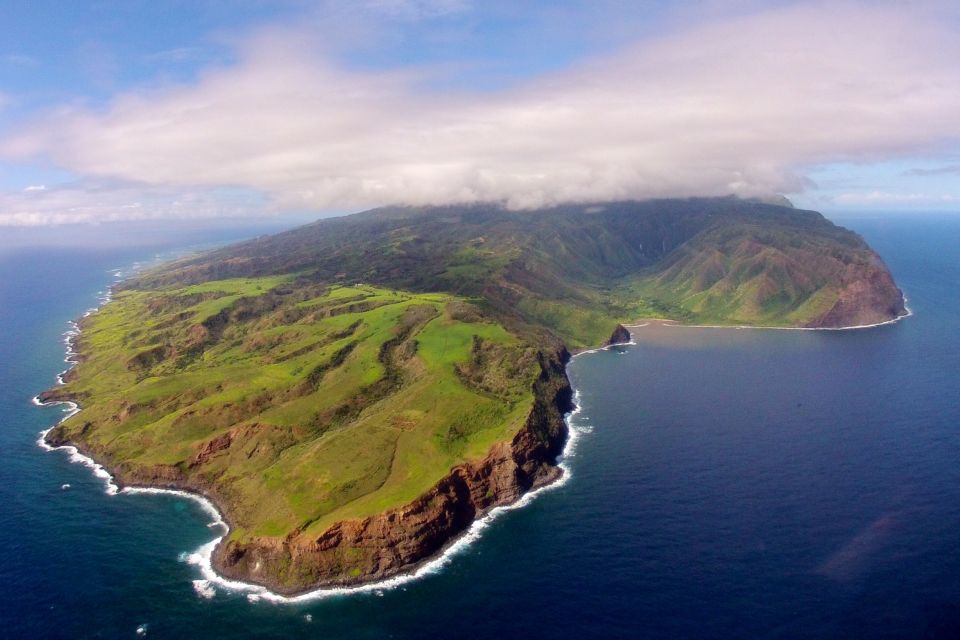
Waterfalls are the headline here, and the aerial perspective is the reason.
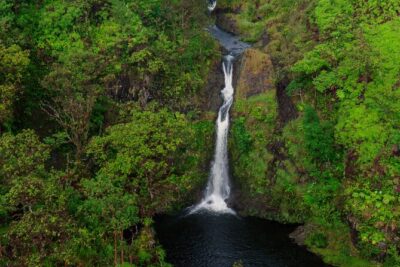
The flight includes privileged views of Honokohau Falls, described as the island’s tallest waterfall. Seeing it from above changes the whole feeling. From a trail or roadside viewpoint, you get parts of the waterfall. From the helicopter, you often get the full context—how water pours into the landscape, where it disappears, and what the surrounding terrain is doing.
The route also includes Kahiwa Falls. Together, these give you that “wait, that’s real” feeling. It’s not just a waterfall you spot once; it’s multiple waterfall zones that look different based on their shape, height, and how the rain is feeding them at that moment.
Practical note: waterfalls can look stronger on days with more recent rain. The tour doesn’t promise perfect conditions, but your best results often come after a wetter stretch.
Iao Valley State Park: Rainforest Looks Like a Living Map
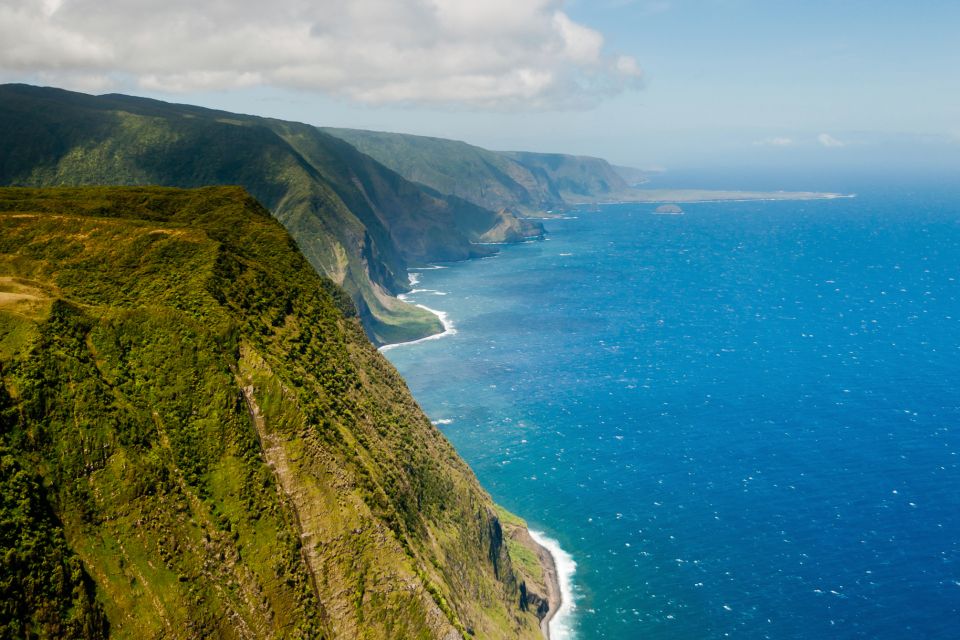
Next, you’ll head over Iao Valley State Park, and this is one of the most visually relaxing segments. Lush rainforest from above reads like a layered map: deep greens, darker pockets, and subtle texture changes that are hard to notice from the ground.
This section matters for two reasons:
- It breaks up the more jagged coastline visuals with something softer and greener.
- It gives you a sense of scale—how dense the valleys are and how quickly terrain changes.
If you’re thinking about getting photos, this is where you’ll often get the best “whole area” shots. Roads and buildings are limited compared to city views, so the land itself becomes the subject.






Halawa Valley, Fish Ponds, and the North Shore’s Quiet Power
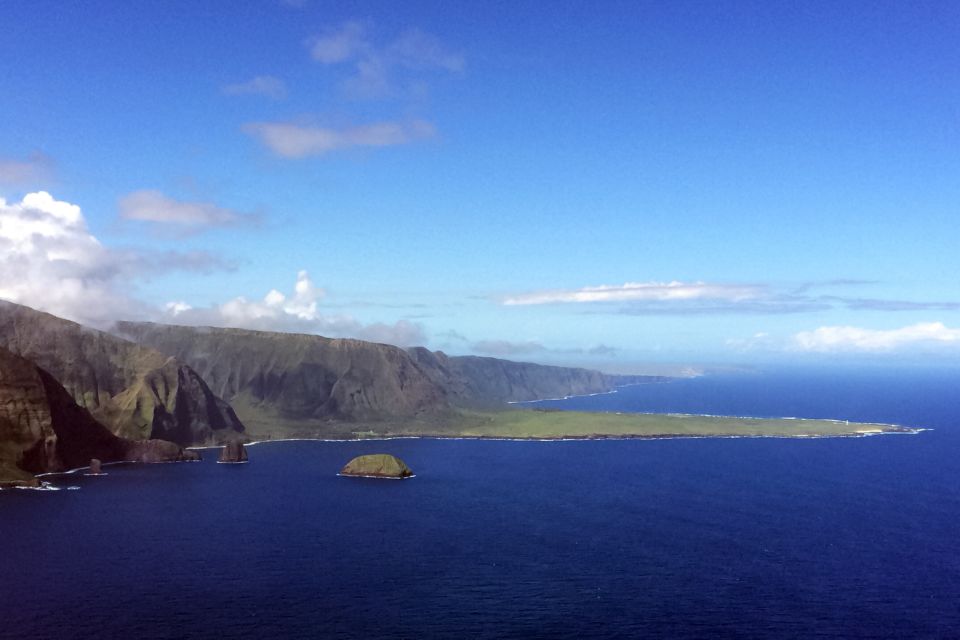
Then you’ll fly toward the remote north shore, with views down at Halawa Valley and vast fish ponds.
This is the part that quietly impresses me. Water is water from above, but these ponds have structure. You can see the work: the way ponds are arranged, how the coastline meets the system, and how the valley holds everything in place.
For a lot of people, Hawaii is association-heavy—beaches, surf, resorts. Halawa and the fish ponds bring in a different side: working landscapes that show how people use the water and land beyond the postcard.
If you’re the type who likes “how things are made” views—farming, irrigation, shaping terrain—this segment is a strong reason to book.
Pailolo Channel and Elephant Rock: Seeing the Space Between Islands
Next comes one of the most satisfying stretches for aerial photography: the Pailolo Channel.
From the air, the channel looks like a clean line separating worlds. It’s not just water between islands—it’s the route’s big geography lesson. You see where the islands end, how the water spreads, and how distance changes how shapes appear.
One named highlight here is Elephant Rock. From ground level, rocks like this can be hard to judge. From above, you can see its relationship to the shoreline and coastline curvature, which makes the landmark feel more grounded and less like a random photo spot.
This is also one of the parts where you might catch better lighting depending on sun angle. Keep your camera ready, but don’t lock into it nonstop—sometimes the best views happen when you look up and stop thinking about settings.
Haleakala in the Distance and West Maui Mountains Close Enough to Feel
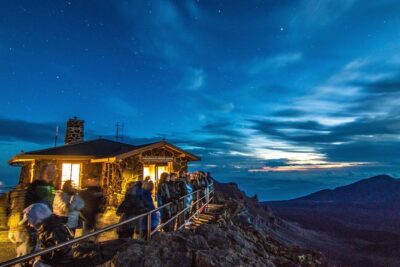
As you continue, you may get views toward the dormant volcano of Haleakala and the West Maui Mountains. Even if the mountains are partially obscured by clouds, the aerial angle still helps you read the terrain.
Haleakala from the air can feel surreal. You’re looking at a landmark that’s huge on maps, and suddenly it turns into a shape with real depth. West Maui’s rugged peaks also come through in a way that’s hard to duplicate by car.
The route notes that with favorable conditions, you may even spot the Wall of Tears waterfall. That’s not something you should treat like a guarantee, but it’s a great “bonus hope” item to have in mind while you’re scanning the terrain.
Flying With Assigned Seats: Comfort Rules You Should Know Before You Go
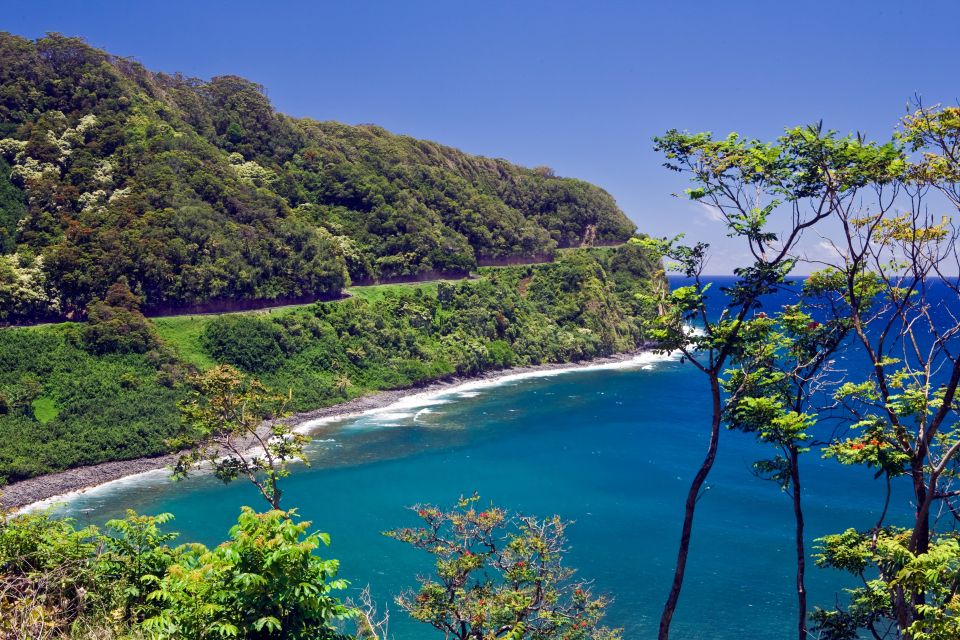
Helicopter flights are usually more comfortable than people expect—but this one has specific rules you should take seriously.
- Seating is assigned by weight and balance. Your exact spot isn’t guaranteed together.
- If you weigh 275 lbs or more, you must purchase an additional seat.
- Assigned placement is meant for safety and stability, not preference.
That weight-and-balance detail also affects how you pack your mindset. Don’t plan on swapping seats mid-flight or lobbying for a window. Treat it as a flight first, a view second.
One comfort plus: multiple passengers have highlighted that the ride feels safe and well-run, with pilots explaining safety features and making passengers comfortable. Names like John, Eddie, Tone, and Jake keep showing up for their calm, friendly approach.
And if you’re sensitive to motion: helicopter maneuvers can feel intense for some people. It’s a good idea to bring your own coping strategy (water, a light snack if allowed before boarding, and a calm mindset).
What the Pilot Commentary Adds (and Why It’s Not Just Small Talk)
The flight includes in-flight commentary from the pilot, and it’s a big part of the value.
In past flights, pilots have used a mix of safety explanations and storytelling—history, geology, and what’s going on in the landscape right now. People have specifically mentioned pilots like Eddie and Tone being entertaining and informative, with strong island knowledge and a humor-first tone that keeps the flight from feeling like a lecture.
What you should expect is a running guide as landmarks slide into view: waterfalls, valleys, coastline features, and major island points. It makes the entire 55 minutes feel like more than “scenery.” You get a reason for each look.
If you enjoy understanding how Hawaii works—why water falls where it does, how valleys form, why coastline looks the way it does—this commentary is the difference between random photos and meaningful ones.
Price and Value: Is $369 Worth a 55-Minute Ride?
At $369 per person, this isn’t the cheapest thing you can do in Maui. But the math changes when you compare what helicopters actually buy you.
You’re paying for:
- time compression: 55 minutes across Maui and Molokai
- access to impossible viewpoints: sea cliffs, waterfall zones, and remote valleys from above
- a live guide: pilot commentary, not a prerecorded system
- small-group setup: limited to 6 participants
If your vacation style is more about experiences than checklists, this can be one of your highest impact activities. You’re seeing multiple “major Hawaii” scenes with no car time, no long hikes, and no waiting for someone else to find the right viewpoint.
If your travel budget is tight or you prefer slower, longer days, this may feel pricey because the duration is short. In that case, consider whether you’re buying the view or the story—because the value is strongest when you want both.
Who This Helicopter Flight Suits Best
This is a great fit if you:
- want a once-in-a-trip view of Maui and Molokai without a full multi-day plan
- love waterfalls and coastline scale
- enjoy pilot-led facts and stories while you look around
- prefer a small cabin where the flight feels personal
It might not be ideal if you:
- need hours of on-the-ground wandering
- are very concerned about seated-together arrangements
- have motion sensitivity and you can’t manage it
Also note a couple of specific timing rules: you must wait 24 hours after scuba diving before flying, and intoxicated guests may be denied service.
Quick Practical Tips Before You Fly
Bring:
- Passport or ID card
- a camera
- biodegradable sunscreen (important in Hawaii)
Since check-in is time-sensitive, I’d also plan to buffer your morning. You want to avoid stress when you’re being weighed and assigned seats based on balance limits.
Finally, remember flights must be reconfirmed 72 hours prior to departure. That’s not a “nice-to-do.” It’s part of making sure you’re on the right schedule.
Should You Book the Central Maui to Molokai Helicopter Flight?
If you’re trying to decide, I’d book this if your priority is aerial views that are hard to replace. The combination of Honokohau Falls, Molokai coastline, Iao Valley, Halawa Valley fish ponds, and landmarks like Elephant Rock gives you a full-spectrum Hawaii experience in one flight.
I would hesitate only if you’re looking for a long day with lots of ground time, or if the idea of assigned seating (not guaranteed together) will stress you out. And if motion bothers you, plan for that before you pay.
Overall, this feels like a high-value splurge when you want the rare perspective: Hawaii from the sky, with a pilot who actually helps you understand what you’re seeing.
FAQ
Where do flights depart for this Maui and Molokai helicopter tour?
Flights depart from Kahului Heliport, 2 Lelepio Place, Kahului, Maui. You must check in 30 minutes prior to departure.
How long is the helicopter flight?
The flight duration is 55 minutes.
Is hotel pickup or drop-off included?
No. Hotel pickup and drop-off are not included.
Do I need a photo ID to check in?
Yes. Passengers 18 and older must bring a government-issued photo ID (REAL ID–compliant driver’s license or valid passport). Photocopies and digital images are not accepted.
What is required before the flight to confirm it’s running?
You must reconfirm the flight 72 hours prior to departure.
How small is the group, and is there a minimum number of passengers?
The group is limited to 6 participants. Flights also require a minimum of four passengers.