REVIEW · MAUI
Certified Divers! Scuba dive the Ka’anapali Coast and more!
Book on Viator →Operated by Aloha Maui Diving · Bookable on Viator
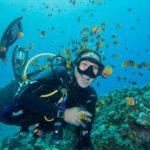
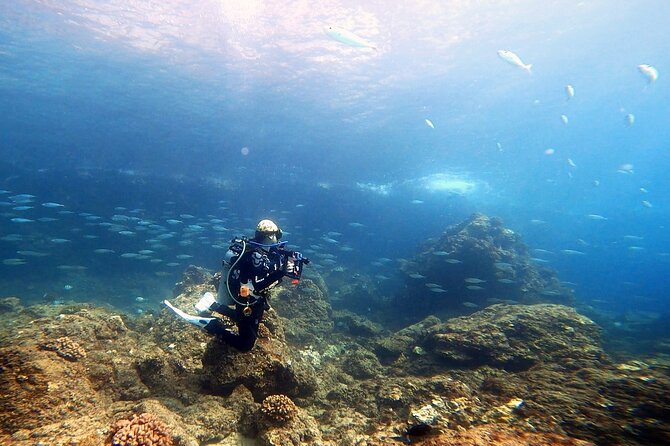
Reef time without the boat ride. This shore-based scuba outing on the Ka’anapali Coast is designed for certified participants who want a real coral-reef experience and a tight focus on marine life, led by instructors such as Sarah Sisco. You’re promised encounters with green turtles, octopus, white tip reef sharks, spotted eagle rays, and more, plus whale song when it’s in season.
I especially like the thorough pre-session briefings and the safety-conscious way the crew runs things. I also like the small size—up to 6 people—so you get real attention instead of feeling like a number in a lineup.
One thing to watch: this is physically demanding. You must be able to carry at least 50 lbs and handle the shore entry/exit with the required weight, and you’ll also need to plan for the 1000-ft rule for the 18 hours after your outing.
In This Review
- Quick hits before you go
- West Maui shore-based scuba: what you’ll actually see
- Where it starts at Kahekili Beach Park and how the timing works
- Certified-only rules, the 50-lb carry, and the English requirement
- Marine life hunting on the Ka’anapali Coast: turtles, rays, sharks, and critters
- Safety culture: why the Sarah-and-Deborah style matters
- Price and value: is $169 a smart deal?
- Gear, logistics, and the pre-reef prep you should do
- Potential sites and what to ask before you commit
- Should you book this Ka’anapali Coast shore-based scuba outing?
- FAQ
- Do I need scuba certification for this tour?
- How long is the experience?
- What’s included in the $169 price?
- Where does the tour start and end?
- What physical requirements do I need to meet?
- Is this tour offered in languages other than English?
- What are the rules for after the dive?
Quick hits before you go
- Shore-based, certified-only format: you’ll enter and exit from the beach, and you must bring proof of certification
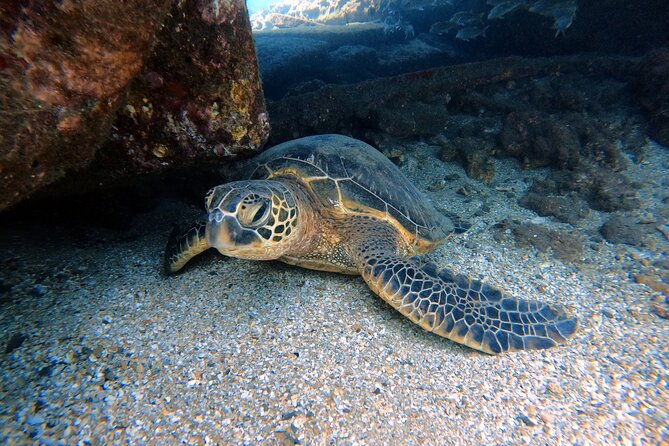
- Real reef wildlife list: green turtles, octopus, moray eels, frogfish, nudibranchs, spotted eagle rays, plus reef sharks
- Small groups (max 6): this keeps the pace manageable and the coaching more personal
- English required: you need to be fluent since instruction in other languages isn’t guaranteed
- Aftercare rule: stay below 1000 ft for 18 hours after your session
- Equipment and fees included: scuba gear and government fees are part of the $169 price
West Maui shore-based scuba: what you’ll actually see
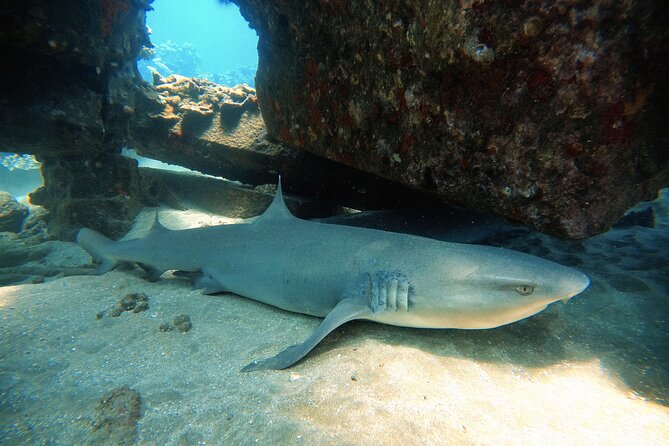
The Ka’anapali Coast is famous for warm, fishy reef habitat, but the real win here is that you’re not waiting around for a boat schedule. This is a shore-based experience, which means the crew can focus on getting you set up, getting everyone comfortable with beach entry/exit, and then getting to the underwater parts that matter.
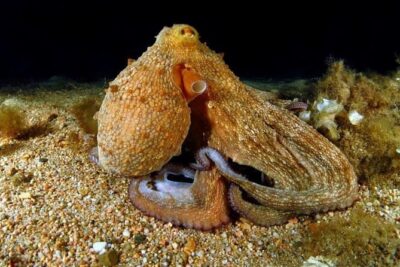
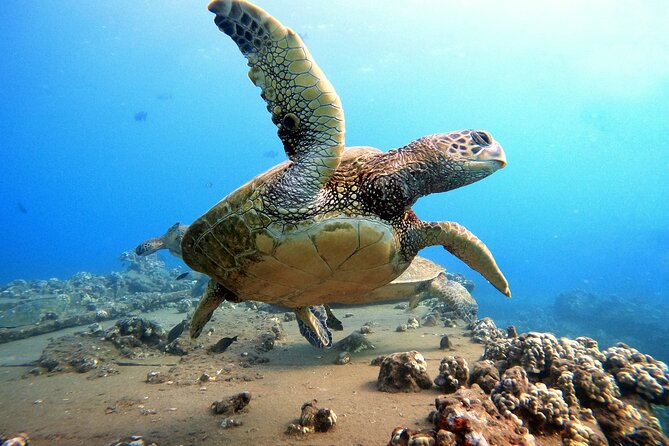
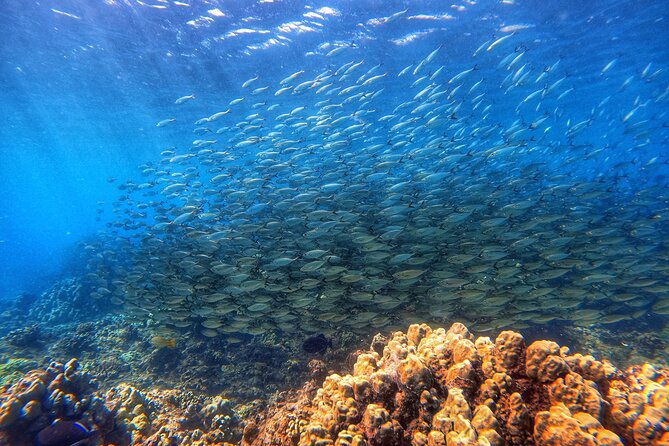
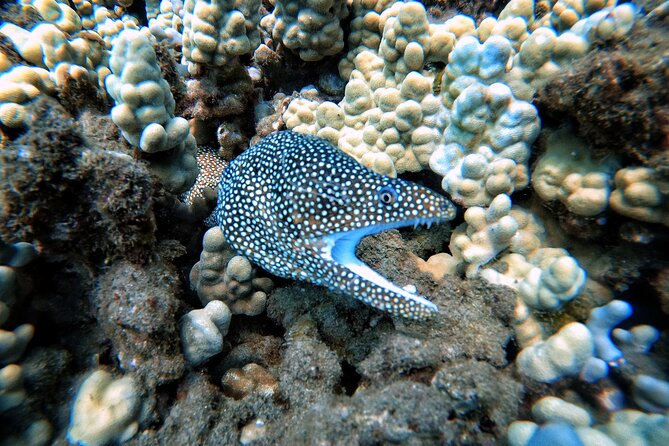
The wildlife list is a big part of the appeal. You should expect a chance to spot green turtles, octopus, moray eels, spotted eagle rays, frogfish, nudibranchs, and white tip reef sharks—plus lots of colorful reef fish. And if you’re there during the right season, there’s even mention of whale song.
That’s the kind of promise I prefer for Maui: not just scenery, but specific animals and behaviors you can look for during your time underwater.
You can also read our reviews of more scuba diving tours in Maui
Where it starts at Kahekili Beach Park and how the timing works
Your meeting point is Kahekili Beach Park, 65 Kai Ala Dr, Lahaina, HI 96761. The tour ends back at the same spot, so you don’t need to worry about a drop-off far from where you started.
It runs about 2 hours total. The exact underwater time isn’t spelled out in the details I have, but the structure is clear: you’ll arrive, confirm gear needs, get outfitted, and then head into a shore-based reef session with guided coaching and safety direction.
This format is also practical for your day. You’re not burning half a day on travel to a remote launch point, and you’ll be back at Kahekili before most people even finish their lunch plans along West Maui.
Certified-only rules, the 50-lb carry, and the English requirement
This outing is for certified scuba participants, and you’ll be asked to show proof of certification. If you haven’t been out in the last two years, a refresher is strongly recommended—because shore work can feel less automatic if you haven’t handled your gear and buoyancy in a while.
The physical requirements are not vague. You must be able to carry at least 50 lbs, and shore diving requires the ability to enter and exit the water with a minimum of 40 lbs. In plain language: be ready to do real work before you even get wet—because the beach approach is part of the challenge.
On top of that, you need to be fluent in English. The details say dive professionals are not guaranteed to speak other languages, so if you’re relying on translation, this likely won’t feel smooth.
And one more important point: if you’re unsafe or uncomfortable in the ocean and decide not to continue, you may not be able to complete the tour—and no refunds are issued in that situation. That’s not meant to scare you. It’s meant to help you take shore conditions seriously and be honest with yourself about comfort and control.
Marine life hunting on the Ka’anapali Coast: turtles, rays, sharks, and critters
Here’s how I’d think about the wildlife promise: you’re not just chasing one headline animal. The list mixes big, iconic sea life with smaller reef residents that often require careful attention.
Expect the classic “spot it if you’re watching” crew:
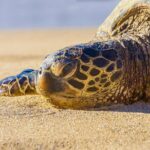
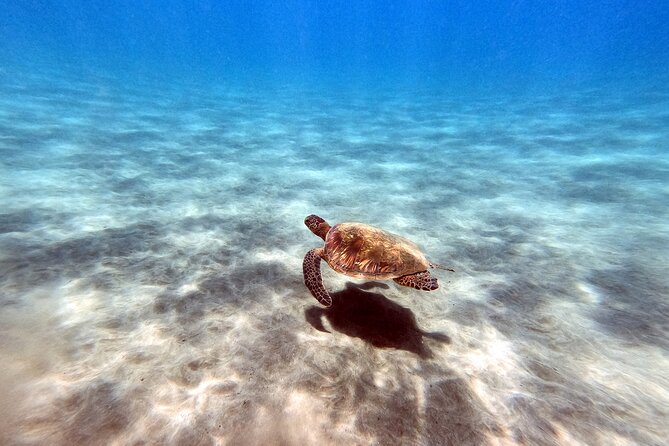
- Green turtles cruising along reef edges
- Octopus in the kind of reef corners that reward patience
- Moray eels appearing as shadows and sudden motion
- Spotted eagle rays gliding overhead and banking with the current
- Frogfish and nudibranchs, which are small but unforgettable when you actually see them
- White tip reef sharks and lots of reef fish
The whale song note is also worth flagging. The details say whale song is expected when whales are in season. If you’re visiting outside that window, you still get the reef show, but you shouldn’t plan your entire trip around whale sound.
If you want maximum odds of good encounters, go in with a calm plan: slow down, look where the habitat changes (sand-to-coral edges, shadows under ledges), and keep your buoyancy controlled so you don’t kick up silt or rush past what’s right there.
Safety culture: why the Sarah-and-Deborah style matters
What stands out in the feedback is how much the operation leans on communication, safety, and calm leadership. People praise thorough pre-session briefings and a safety-conscious approach, with instructors described as patient and professional.
Names that come up include Sarah (including Sarah Sisco), Deborah (owner/manager), and Brian. Even when the experience level varies—from someone returning after a long break to people logging many reef visits—your job is the same: listen, follow the plan, and let the leaders manage the pacing.
One practical example: there’s mention of a “spare regulator set ready to go” when something was forgotten. That kind of detail doesn’t mean you should travel careless. It does mean the crew is set up for real-life glitches.
Also, if you’re a new(er) certified participant, the shore format can be intimidating. A big part of value here is having an instructor who can keep you confident without rushing you.



Price and value: is $169 a smart deal?
At $169 per person for about 2 hours, this is built around efficiency. You’re paying for a structured guided shore-based reef session, plus equipment and government fees. That’s a useful combo because it reduces the extra add-ons that can quietly inflate the cost on Maui.
What’s not included is private transportation. That means you should budget for getting to Kahekili Beach Park on your own. The good news is the start point is described as near public transportation, so you might not need a private transfer if you’re planning well.
Value-wise, the small group cap (max 6) matters. In shore-based outings, smaller groups often mean more attention with gear setup, better pacing on entry/exit, and less crowding around the same section of reef.
If you’re looking for a “do the reef thing” trip without paying for a full-day boat schedule, this is the kind of pricing that tends to work.
Gear, logistics, and the pre-reef prep you should do
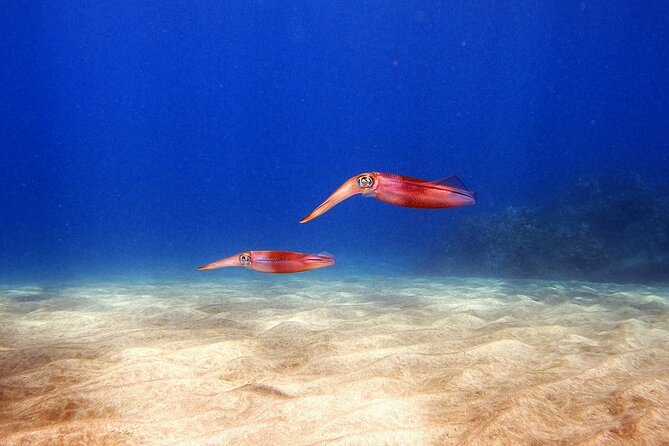
Your scuba equipment is included, which is a relief. It’s also a reason to avoid overpacking complexity—bring what you need, not what you think you might need.
You should plan your wardrobe around shore entry/exit and staying comfortable on land before the water. I like to wear something simple that can handle sand and then dry without fuss. If you have your own water-friendly gloves or mask, you can bring them, but the tour details only guarantee equipment use as included, not personal gear.
A couple “don’t ignore this” items:
- Bring proof of your certification.
- If it’s been more than two years since your last session, plan for a refresher.
- Stay below 1000 ft for 18 hours after your outing, and avoid higher-elevation spots like Mt. Haleakala, upcountry towns like Kula and Makawao, and activities such as helicopter tours, paragliding, hiking, and ziplining that could take you above that level.
That last part is the one people forget when they’re juggling a Maui itinerary. If your plan includes going upcountry the same day, rearrange your schedule. Protect the 18-hour window.
Potential sites and what to ask before you commit
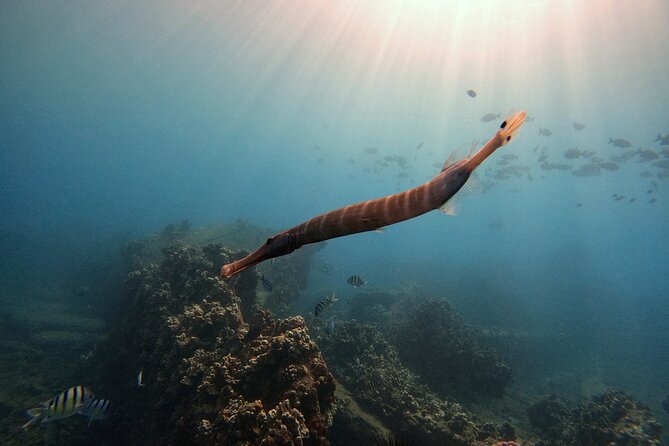
You’re signed up for Ka’anapali Coast shore-based reef time, and the crew clearly knows multiple underwater areas along the coast. In past experiences with this operator, people have referenced spots like Mala Pier, Mala Ramp, Black Rock at Ka’anapali Beach, and the Old Airport area.
You shouldn’t assume your exact location is guaranteed, but it’s totally reasonable to ask on booking or at check-in what site you’ll be working that day. The reef habitat and visibility can vary, and you’ll get more out of the experience if you know what animals your crew thinks you’ll have the best chance of seeing.
If you’re particularly interested in night underwater outings, some feedback references Sarah leading a night session at Black Rock. If night is your thing, confirm availability and what your specific plan includes.
Should you book this Ka’anapali Coast shore-based scuba outing?
Book it if you’re a certified scuba participant who wants a small-group, shore-based reef session with a strong chance of seeing both big animals (turtles, sharks, rays) and smaller critters (frogfish, nudibranchs). The $169 price works well when you value included equipment and a tight, safety-first crew.
Skip it (or choose a different option) if you’re not confident about the physical demands of shore entry and exit with the required carry weights, or if you can’t meet the English fluency requirement. Also be honest about the 1000-ft rule—if your itinerary already has upcountry plans you can’t shift, this tour may fight your schedule.
If you fit the requirements, this is a very Maui way to see the reef: guided, focused, and built around the West Maui shoreline instead of logistics.
FAQ
Do I need scuba certification for this tour?
Yes. You must bring proof of certification. If you have not dived in the last two years, a refresher is strongly recommended.
How long is the experience?
It runs about 2 hours (approximately).
What’s included in the $169 price?
The price includes use of scuba equipment and government fees. Private transportation is not included.
Where does the tour start and end?
It starts at Kahekili Beach Park, 65 Kai Ala Dr, Lahaina, HI 96761, and ends back at the meeting point.
What physical requirements do I need to meet?
You must be in good physical health and able to carry at least 50 lbs. Shore diving also requires the ability to enter and exit the water with a minimum of 40 lbs.
Is this tour offered in languages other than English?
English is the listed language. You must be fluent in English, since scuba professionals are not guaranteed to speak other languages.
What are the rules for after the dive?
You must stay below an elevation of 1000 ft for 18 hours after your dive. This includes avoiding higher-elevation activities and locations such as Mt. Haleakala, upcountry towns like Kula and Makawao, and certain activities like helicopter tours, paragliding, hiking, and ziplining.