REVIEW · MAUI
Maui Scuba Diving Introductory Lesson from Lahaina
Book on Viator →Operated by Extended Horizons Scuba · Bookable on Viator
Scuba in Maui gets real fast—without rushing you. This intro lesson starts with a 45-minute shore skills class, then moves into calm, guided water time with a max group size of four. You’ll practice mask and regulator skills, learn buoyancy control, and get paired closely with a certified instructor so you’re not guessing.
I also like the payoff: you can see green sea turtles and other reef life while you follow your guide at a pace you choose. The only big caution is the medical waiver and no-fly rules—you must answer no to every medical question (or bring a doctor’s note), and you can’t fly within 18 hours of scuba.
In This Review
- Key things to know before you go
- Lahaina Morning Starts: Shore Skills, Tight Groups, and Real Reef Time
- The Shore Class That Actually Prepares You
- From Class to Water: Expect Wading First, Then Skills at Your Pace
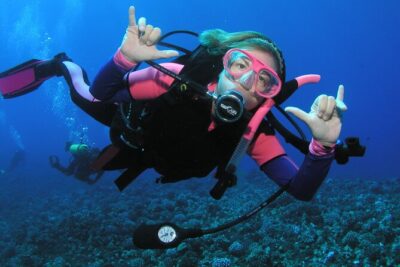
- What You’ll See Underwater: Turtles, Coral, and Reef Fish
- Walking Through the Stops: Honolua Bay, Black Rock Area, Kapalua, and North Lahaina
- Instructor Care and Pacing: What the Best Lessons Do Differently
- Gear, Water, and the PADI Certification Path
- Price and Value: Is $227.50 Worth It?
- Timing, Flight Rules, and the Medical Waiver Reality Check
- Who This Scuba Intro Lesson Fits Best (and Who Should Skip It)
- Should You Book This Maui Intro Scuba Lesson?
- FAQ
- How much does the Maui intro scuba lesson cost?
- How long is the experience?
- What do I do first when I arrive?
- How deep will I go?
- Is hotel pickup included?
- What equipment is provided?
- What marine life can I expect to see?
- Who can participate?
- Do I need a medical waiver?
- Can I fly the same day after the scuba lesson?
- Is there free cancellation?
Key things to know before you go
- Max 4 people per booking means plenty of instructor eyes on you
- 45-minute shore lesson covers mask, breathing through a regulator, buoyancy, and safety
- Depth cap of 35 feet / 10.7 meters keeps this beginner-friendly
- Marine life odds include green sea turtles and plenty of reef fish
- Counts toward certification with PADI registration included if you continue
- No flying same day and a required medical waiver before you enter the water
Lahaina Morning Starts: Shore Skills, Tight Groups, and Real Reef Time
This is the kind of Maui experience that makes sense for beginners. Instead of tossing you in water and hoping for the best, you learn the key skills on land first, then you carry those skills straight into the ocean. You’ll start at 94 Kupuohi St, Lahaina, and the start time is 7:30 am, which is handy for getting your day rolling early.
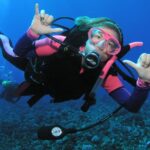
What I like most is the group size. With up to four people in your booking, you’re less likely to get lost in the crowd. Many instructors in the operator’s program are praised for being calm and attentive, with names like Chris, Bruce, Gu, Philip, Emma, Maya, Maia, and Shelby showing up repeatedly in real student notes. That matters because your comfort level depends on how fast you’re learning—and how quickly you feel safe underwater.
You can also read our reviews of more scuba diving tours in Maui
The Shore Class That Actually Prepares You
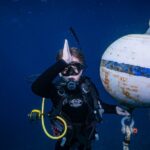
You get about 45 minutes on shore for basic scuba skills and safety. This is where you learn how to put on your mask correctly, breathe through the regulator, and move with control. You’ll also practice buoyancy and safe underwater swimming technique, which is the heart of feeling in charge rather than helpless.
In plain terms: the shore lesson is where you build the “muscle memory” you’ll need once you’re in the water. If you’re someone who gets nervous, this setup helps because you’re not meeting the gear and your breathing at the same time.
You’ll also have to fill out a medical waiver as part of the process. The rule is clear: if you can’t answer no to all questions, you’ll need a doctor’s note to participate. Plan for that before you arrive so you’re not scrambling with forms.
From Class to Water: Expect Wading First, Then Skills at Your Pace
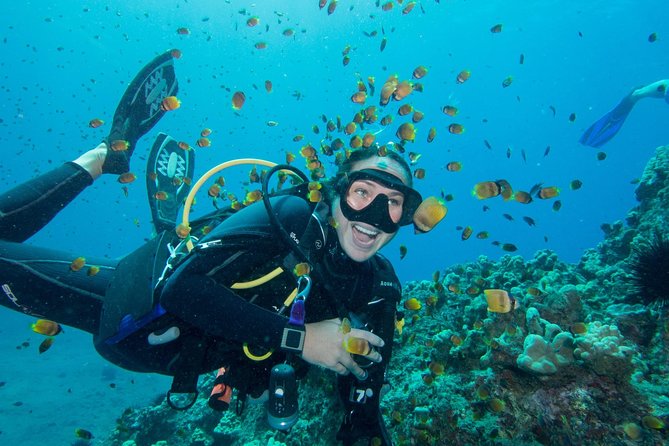
After the shore lesson, you head to a nearby beach where you can wade comfortably before going underwater. Your instructor stays right by you and talks you through the steps, so you’re not left to figure out timing, breathing, and movement on your own.
You’re not trying to “power through” an advanced course here. The goal is to help you get used to the regulator and breathing underwater, then practice the techniques you learned on land. One reason this works so well for first-timers is that you can often pause and work on what feels off—especially if your buoyancy needs more practice.
Also pay attention to what your body is telling you. A negative comment in the overall feedback mentioned an instructor being impatient during equalization, which led to ear pain for a partner. That’s not the common pattern in the positive notes, but it’s a useful reminder: tell your instructor immediately if you need to adjust your pace, or if something feels wrong with pressure or breathing.
What You’ll See Underwater: Turtles, Coral, and Reef Fish
The program is designed around beginner-friendly conditions and a short, guided reef tour once you’re comfortable blowing bubbles. Your maximum depth is capped at 35 feet / 10.7 meters, so you stay in a zone where a first-time experience still feels manageable.
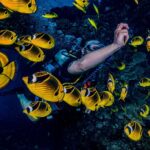
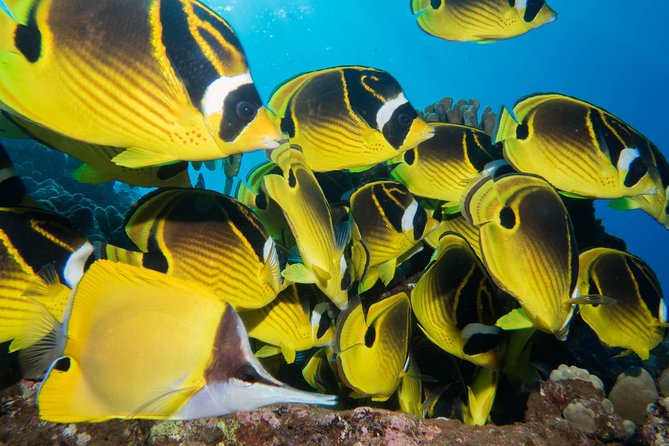
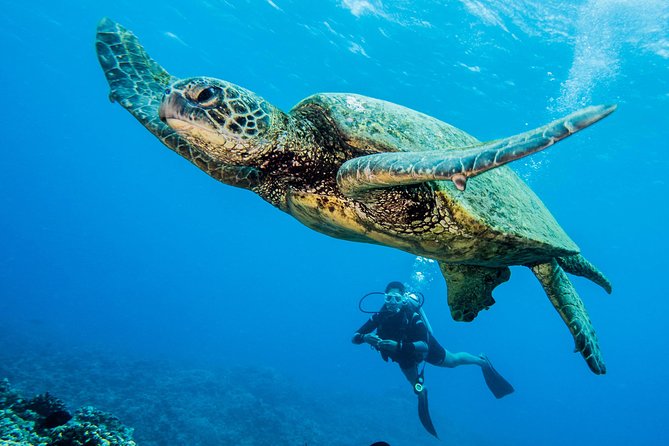
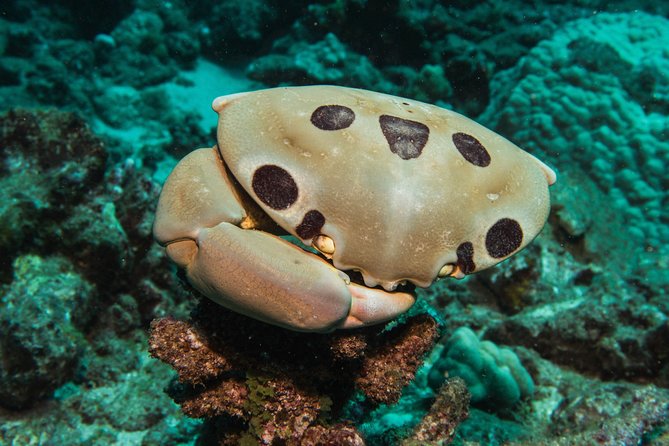
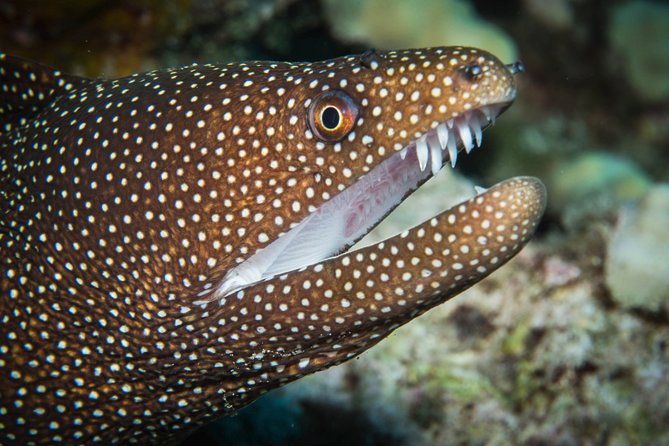
Marine life is a major part of the value here. The program specifically mentions chances to spot green sea turtles, along with other reef life. In real feedback tied to this style of lesson, people reported seeing green turtles close up, plus nurse sharks, eels, and a range of fish and coral. Even when you don’t see a turtle on cue, you’ll still be focused on learning skills over hunting a specific animal.
One more practical perk: instructors often explain what you’re looking at. Names like Chris came up in notes for pointing out fish species and sharing facts as you go, which turns the reef time from passive staring into something you can follow.
Walking Through the Stops: Honolua Bay, Black Rock Area, Kapalua, and North Lahaina
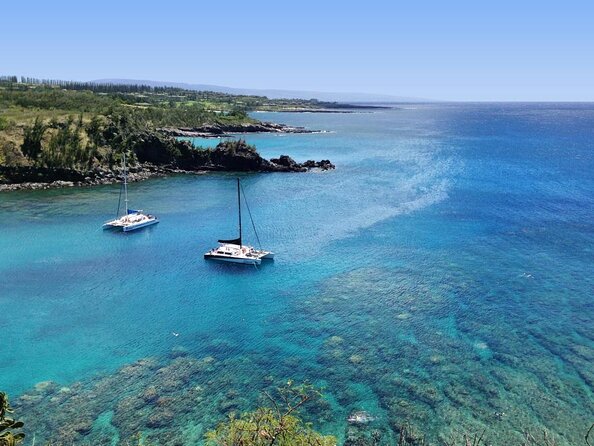
Your exact water locations can shift based on ocean conditions, but the lesson uses a set of Maui favorites. The stops you might experience include Honolua Bay, the Black Rock area (often called the Spa at Black Rock), Extended Horizons, Kapalua Beach, and Baby Beach in North Lahaina.
Here’s what that means for you as a beginner. Each stop keeps the experience within the same beginner limits—especially the depth ceiling—so you’re not dealing with a bigger drop or harder conditions just because you’re somewhere new. You’re there for a reef tour at a safe, guided pace, with time to stop and practice.
A drawback to know: since conditions can change, you can’t lock in one exact “must-see” location. Your best move is to show up ready to learn first, and treat the marine sightings as a bonus.
You can also read our reviews of more tours and experiences in Maui




Instructor Care and Pacing: What the Best Lessons Do Differently
Most of the feedback is strongly positive about instructors who make beginners feel calm and safe. In notes, people credit guides for patience with buoyancy control, easing anxiety, and taking time to explain things without making anyone feel silly. Names that came up often include Gu, Bruce, Philip, Emma, Maya, and Maia, and the common theme is steady reassurance during the learning curve.
That said, scuba is physical and mental at the same time. The “one hard moment” scenario usually comes from pressure changes or from someone trying to move faster than their body can adapt. That’s why the most important skill in this whole experience isn’t a tech skill—it’s communication. If you need to adjust your pace, speak up right away.
If you’re the type who learns best slowly, this lesson can still work well, as long as you’re willing to ask for extra time on what feels hard. If you’re the type who hates discomfort and tries to force your way through, plan to slow down—your equalization and breathing will thank you.
Gear, Water, and the PADI Certification Path
Equipment is included, and you’ll also get water during the lesson. That’s not a small detail: having gear provided in good condition reduces the chance you arrive underprepared. It also keeps the experience simpler for you, because you don’t need to buy rentals or worry about what’s compatible with your face size or comfort level.
Another big value point: if you decide you want to continue after this, the lesson can count toward certification, and you’ll be registered with PADI at no additional cost. That’s a smart setup if you want to turn this into a real skill-building path rather than a one-off souvenir trip.
Price and Value: Is $227.50 Worth It?
At $227.50 per person for roughly 2 hours 15 minutes, this isn’t the cheapest activity in Maui. But it’s also not overpriced for what you’re getting.
You’re paying for:
- A shore training session (not just water time)
- Equipment included
- A professional guide
- A small group size (max 4)
- Reef time with a depth limit
- PADI registration support if you continue
The biggest “price value” question for you is whether you’re likely to keep going. If you’re curious and want the confidence to pursue certification, this lesson can be a solid first step. If you only want a short look at fish and don’t want to learn anything new, you might decide a boat or snorkel option fits better.
Also note what’s not included: there’s no hotel pickup or drop-off. That matters if you’re relying on transportation you haven’t arranged.
Timing, Flight Rules, and the Medical Waiver Reality Check
You should plan your day like a grown-up with scuba restrictions. The experience requires good weather, and it has a strict rule: flying within 18 hours of scuba is not permitted. That means no same-day flights, helicopter rides, airplane connections, or Haleakala trips scheduled inside that window.
You’ll also need to complete a medical waiver online and submit it before going diving. If you can’t answer no to all medical questions, you’ll need a doctor’s note. This is part of responsible scuba operations, but it can catch people who assumed “I’m fine” was enough.
Other key requirements:
- Moderate physical fitness is recommended
- Basic swimming skills are needed
- Minimum age is 12 years old
Who This Scuba Intro Lesson Fits Best (and Who Should Skip It)
This experience is best for you if:
- You’re a first-timer who wants a guided learning plan
- You want small-group attention rather than a mass lesson
- You’re willing to take instruction seriously and practice skills
- You want a path toward PADI certification
You might skip it if:
- You can’t meet the medical waiver requirements without a doctor’s note
- You’re trying to fit scuba into a packed travel schedule with a tight flight timeline
- You don’t have basic swimming comfort
- You’re expecting a purely passive sightseeing outing
Should You Book This Maui Intro Scuba Lesson?
Yes, if you want a beginner scuba experience that starts with real skill-building on shore, then gives you guided reef time with a depth cap and a small group. The strongest reason to book is the structure: learn mask/regulator basics and buoyancy control first, then build comfort underwater with your instructor right there.
Before you hit confirm, do two things: complete the medical waiver early, and plan your trip so you respect the 18-hour no-flying window. If you check those boxes and you’re open to learning at your pace, this lesson is a smart first step toward becoming the kind of diver who can actually enjoy the reef.
FAQ
How much does the Maui intro scuba lesson cost?
It costs $227.50 per person.
How long is the experience?
The duration is about 2 hours 15 minutes (approx.).
What do I do first when I arrive?
You start at the dive shop in Lahaina and receive a 45-minute class on basic skills and safety.
How deep will I go?
The experience keeps depth at a maximum of 35 feet (10.7 meters).
Is hotel pickup included?
No. Hotel pickup and drop-off are not included.
What equipment is provided?
You get all required equipment included with the tour.
What marine life can I expect to see?
You’ll have a chance to see green sea turtles and other marine life on the coral reef.
Who can participate?
Minimum age is 12 years old, and you should have basic swimming skills plus moderate physical fitness.
Do I need a medical waiver?
Yes. You must fill out and submit a medical waiver online before going. If you need to mark yes on any questions, you’ll need a doctor’s note to dive.
Can I fly the same day after the scuba lesson?
No. Flying is not permitted within 18 hours of scuba, including helicopter, airplane, or Haleakala flights or trips.
Is there free cancellation?
Yes. You can cancel for a full refund up to 24 hours in advance of the start time.