REVIEW · MAUI
2 Tank Lanai Cathedral Scuba Dive Via Boat for Certified Divers
Book on Viator →Operated by Dive Maui · Bookable on Viator
Lanai’s Cathedrals look unreal from the water. This morning 2-tank scuba outing from Maui mixes caverns, arches, and swim-throughs with frequent wildlife stops—often dolphins and sometimes whales—during the crossing. I like the small group feel and how the crew keeps things organized so you get real bottom time. One watch-out: the boat ride can feel rough and cramped for some people, and early starts mean you’ll want to be ready to move fast after gear fitting.
You’ll need to be a certified diver (Open Water+) and have dived within the last 18 months, and the outing reaches depths up to about 85 feet (around 26 meters). The plan is two long underwater sessions paced by air supply, so if you’re prone to motion sickness or you’re unsure about current conditions, take that seriously before you go.
In This Review
- Quick take: why this Lanai Cathedrals outing is a standout
- Morning boat ride to Lanai: Maui views and wildlife stops
- Two underwater sessions at Lanai’s Cathedrals and beyond
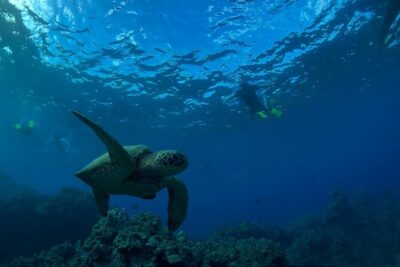
- What you’ll likely see underwater: caves, swim-throughs, and critters
- Gear, briefings, and the crew attention that makes the day feel easy
- Timing and logistics: how a 6-hour plan usually plays out
- Price and value: is $306.89 for two tanks worth it?
- Who this Lanai Cathedrals outing fits best
- Should you book this Lanai Cathedrals tour?
- FAQ
- What certification do I need for this 2-tank Lanai experience?
- How deep do you go?
- How long are the two underwater sessions?
- Do you see whales or dolphins on the way to Lanai?
- How many people are in the group?
- Is rental scuba equipment included?
- What food and drinks are provided?
- Who is this not suitable for?
- What happens if weather is bad or the tour can’t operate?
Quick take: why this Lanai Cathedrals outing is a standout
- Two underwater sessions with a snack break in between, so you’re not rushed and you get real comparison time across sites
- Lanai wildlife on the way over, with the captain stopping for whales/dolphins when they show up
- Cathedrals-focused water time, usually pairing one cathedral area with another spectacular location
- Small group size up to 14, which helps guides manage gear checks, buoyancy coaching, and current navigation
- Up to about 85 ft, giving you a meaningful range of structure and critters without making it a technical-only outing
- Strong guide reviews, with many named guides praised for safety briefings and staying attentive to everyone’s comfort
Morning boat ride to Lanai: Maui views and wildlife stops
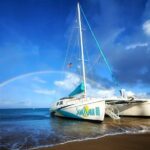
This starts early—check-in is at the shop in Lahaina by 6:30 AM, then you’ll get fitted with rental gear before heading out. Expect a quiet kind of morning energy: you’re not just traveling, you’re already part of the experience. The water crossing from Maui to Lanai is where you’ll likely get your first big payoff.
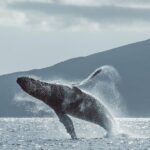
The crew often sees dolphins and whales during the crossing and will stop the boat when they do. That matters because it turns the day from purely underwater-focused into a full “on the water” outing. One smart detail is timing: a morning departure generally means more wildlife activity, and the schedule here is built around that.
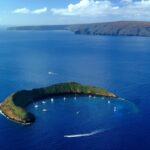
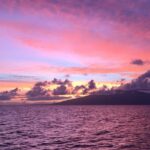
On top of the wildlife, you get classic “from-the-boat” perspective—big angles of Maui and Lanai that you can’t see from shore. Reviews also mention stops to watch dolphins playing around the boat, which is the kind of moment that makes the long day feel worth it before you even get your mask on.
Practical note: a few people report nausea from the boat being small and motion-prone. If you’re sensitive to waves, plan for it. Bring any motion-sickness support you normally use and keep your eyes on the horizon when the water gets choppy.
You can also read our reviews of more boat tours in Maui
Two underwater sessions at Lanai’s Cathedrals and beyond
Your day is built around 2-tank time. The plan is typically two underwater sessions around the cathedral areas, plus a short break between.
Here’s how the pacing generally works:
- You arrive at the first site, get a short briefing, suit up, and enter crystal-clear water around Lanai.
- The first session runs about 60 minutes, with target depths often in the 50–75 ft range (air permitting).
- After you surface, you take a surface interval and eat a light snack (there’s also optional lunch).
- The second session runs again up to about an hour, commonly around 50–70 ft, and air supply determines how long you stay down.
Two things I like about this structure. First, the air-permitting approach keeps the schedule realistic—no one is forced into unsafe breathing just to hit a timer. Second, that snack-and-reset break helps you shake off the “mask and fins” routine, drink water, and get comfortable before session two.
Do you always go to the cathedrals first? Not guaranteed. You’ll often go to a cathedral and another top site, but at least one account notes that the first water time can be a warm-up location rather than the exact cathedral structures. The upside is that you usually get gradual acclimation—depth, buoyancy, and current feel—before the main structure.
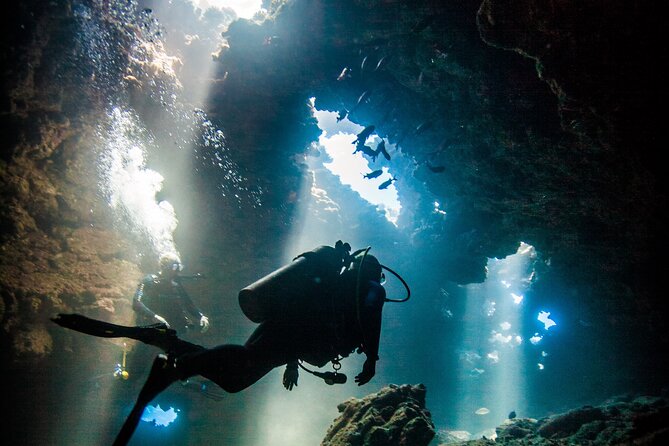
A key detail for your expectations: the “Cathedrals” experience isn’t just a single dramatic arch shot. It’s a system of caves, caverns, arches, and swim-throughs. That’s why people describe it as majestic and unforgettable: you’re not only looking at a landmark, you’re moving through it as conditions allow.
What you’ll likely see underwater: caves, swim-throughs, and critters
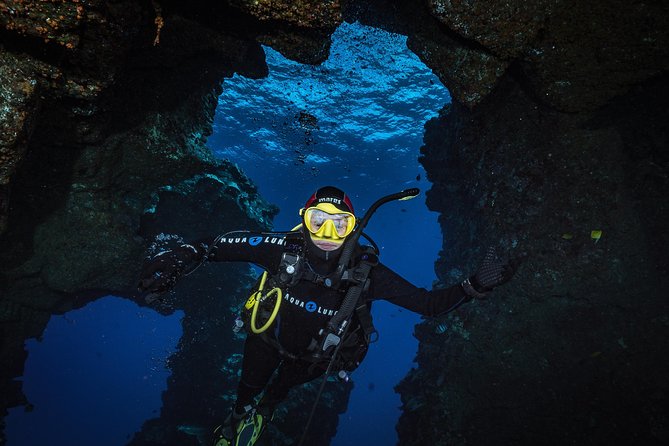
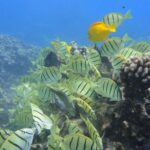
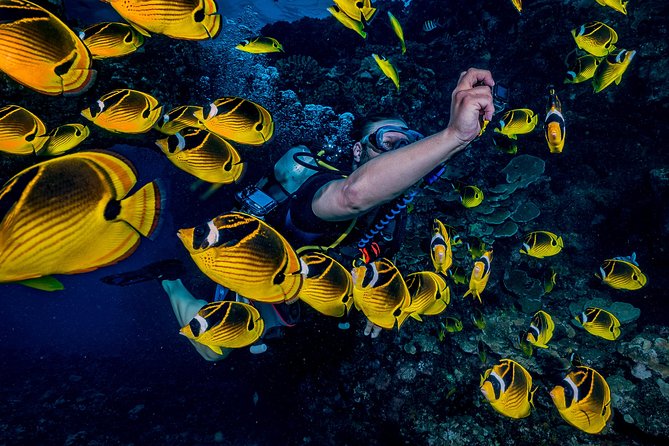
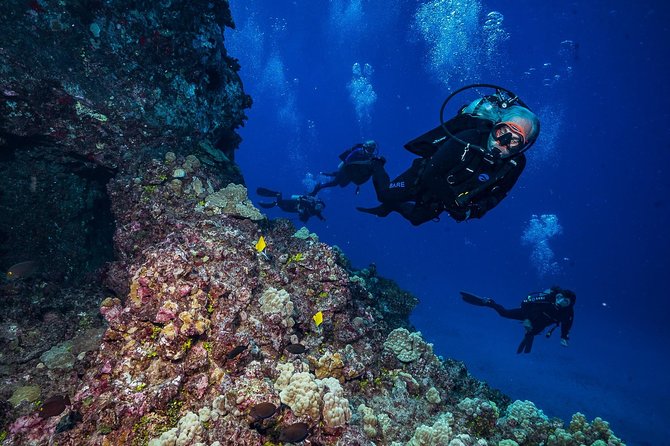
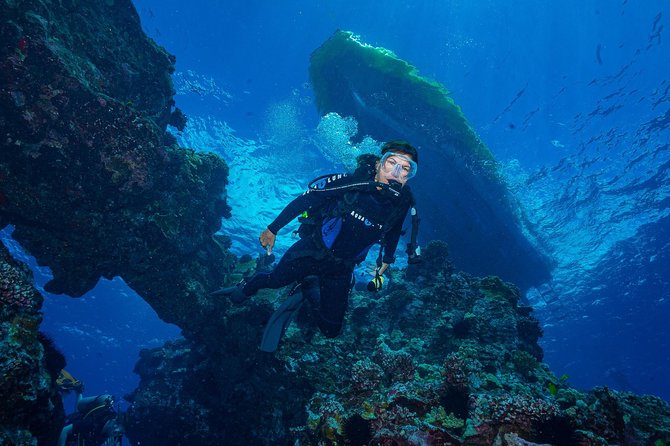
This outing is built for structure lovers. The underwater world here includes caverns, arches, lava shoots, and swim-through passages. Even if you’re not chasing “big animal” sightings every minute, you’ll usually have plenty to look at because the terrain keeps changing.
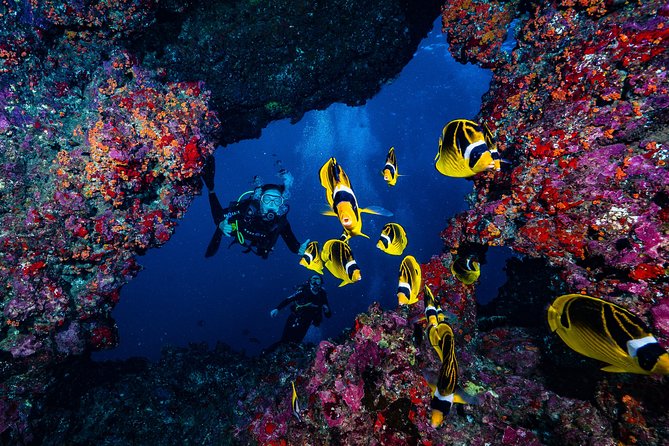
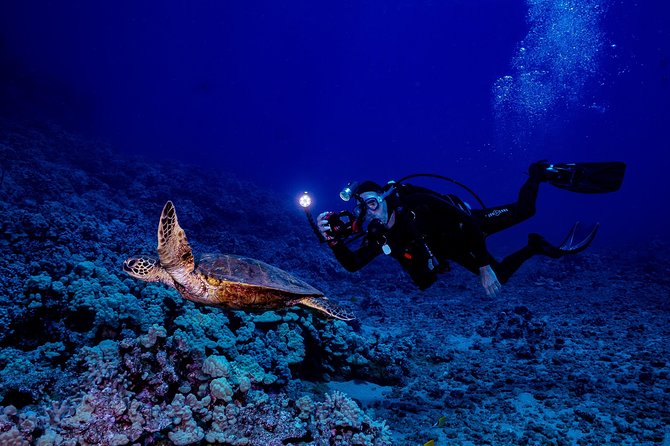
At depth (often in the 50–75 ft range), you’re also in a sweet spot for marine life variety. Based on the accounts, expect frequent fish activity and the chance of spotting:
- Eels and morays
- Lobsters
- Cleaning crabs and cowries
- Octopus
- Puffer fish (including at least one diver noting a very large one)
- Dolphins/whales are generally on the surface crossing, but the animal life you see underwater can still feel nonstop
Visibility can be excellent. Multiple reports mention visibility around 50–80 feet, which is exactly what you want for swim-throughs. Better visibility means you can actually enjoy the scale of openings and arches instead of spending the whole time guessing where the next “hole” is.
One more practical thought: strong current days can happen, and the guides handle it with line/safety procedures and careful pacing. If you’ve only done calmer conditions before, this is still a reasonable outing for Open Water certified divers, but you should respect the briefing and not treat current like a detail you can ignore.
Gear, briefings, and the crew attention that makes the day feel easy
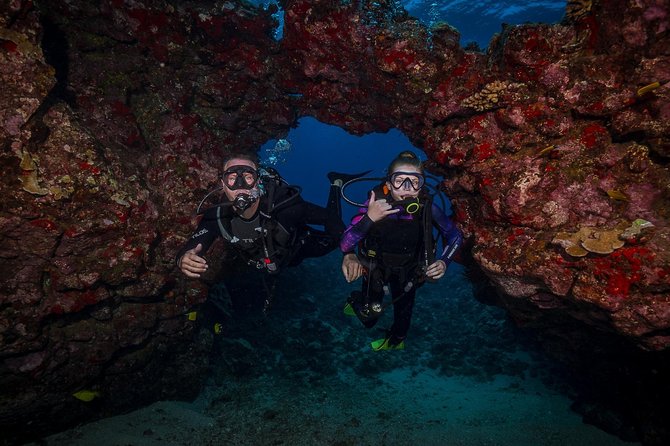
The best part of this kind of outing isn’t the scenery. It’s what happens when something feels off—buoyancy, mask fit, current, or just first-time ocean nerves. This is where the crew reputation shows up strongly.
The day starts with check-in and gear fitting, then each site includes a briefing before you go in. Many accounts praise safety-first briefings without talking down to people. That balance matters: you get real information, but you’re not treated like a kid.
Guide names that come up often in the feedback include Jess, Abby/Abbi, Brian, Sean/Shawn, and Scott. Different personalities, same theme: guides are attentive, they point out sea life, and they help divers get comfortable quickly. One diver even describes feeling noticeably more confident after comments and suggestions between the two sessions.
Also pay attention to the group size. You’re capped at 14 travelers, and several accounts describe small onboard groups (often around half-dozen divers per guide-instructor style setup). That ratio helps with:
- quicker gear checks
- more time for individualized buoyancy coaching
- better situational awareness when currents shift
If you’re a first-time ocean participant, this outing can work well because it’s not about showing off. It’s about building comfort in real conditions with structured coaching. Just remember the requirement: you must be certified and you must have dived within the last 18 months.
Timing and logistics: how a 6-hour plan usually plays out
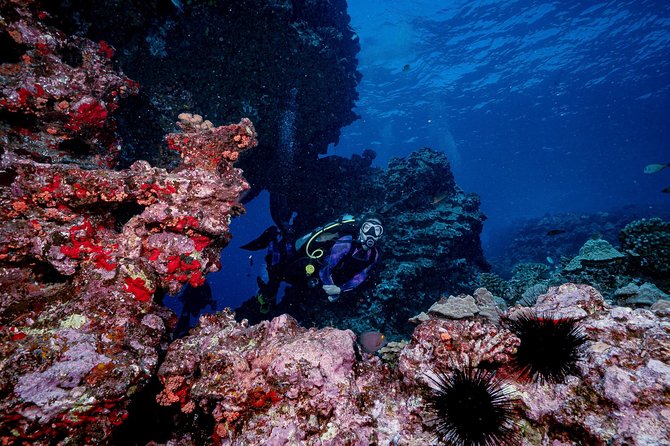
Plan on about 6 hours total. The schedule is early, but it’s also efficient: you’re not spending half the day waiting in a marina line.
You’ll do:
- 6:30 AM check-in and gear fitting
- Boat ride crossing to Lanai (with possible wildlife stops)
- Briefing, suit up, then first underwater session
- Surface interval with snacks and possible optional lunch
- Second underwater session
- Back on the boat with downtime to talk about what you saw
- Return ending back at the meeting point in Lahaina
The return timing means you’ll likely be tired afterward. One practical suggestion from real experience: consider bringing lunch if you think you’ll want more than the light snack between sessions, especially if you’re the type who gets hungry once you’re done exerting.
Also, this is an all-in “on the water” day. Don’t stack it right next to a tight dinner reservation unless your schedule is flexible.
You can also read our reviews of more scuba diving tours in Maui

Price and value: is $306.89 for two tanks worth it?
At $306.89 per person for a 2-tank Lanai Cathedrals-focused outing, you’re paying for two main things: travel from Maui to Lanai and the guided underwater time in a location that fewer boats tend to visit.
The value case is pretty straightforward:
- Two underwater sessions means you’re getting more than one chance at the structures and critters
- The morning crossing and whale/dolphin stop can add real “wild Hawaii” moments without costing you extra time
- Small group size often improves how much attention you get, which is part of why divers rate it so highly
There’s a bit of fine print you should check before you go: the listing says scuba equipment is available to rent, but it also lists “use of scuba equipment” under not included. That usually means you should confirm what’s covered in your specific booking and what rental fees apply to you.
If you’re already certified and you’ve got recent ocean experience, this price can feel fair-to-strong for the specific combination of Lanai structures, two sessions, and guide attention. If you’re trying to do a one-tank experiment only, the value drops—because the day is built to pay off with two long underwater blocks.
Who this Lanai Cathedrals outing fits best
This is designed for certified divers who want real structure time without turning the day into a technical project.
You’ll be a strong fit if:
- You’re Open Water certified (or higher)
- You’ve dived within the last 18 months
- You can handle early morning and a few hours on the water
- You want caves, arches, and swim-throughs, not just flat reef
It’s probably not for you if:
- You’re not comfortable meeting the certification rules (Open Water+ is required)
- You’re pregnant (not allowed)
- You’re expecting a kid-friendly program (minimum age is 14)
- You have strict limits for motion sickness (some report nausea on small boats in choppy conditions)
It’s also important to note the physical fitness guidance: travelers should have moderate physical fitness. That doesn’t mean “athlete,” but you’ll be doing gear work, finning, and ocean entry/exit.
Should you book this Lanai Cathedrals tour?
If your goal is Lanai’s Cathedrals underwater structures with two substantial underwater sessions, this is the kind of outing I’d put high on your short list. The biggest reasons to book are practical: small groups, consistent safety briefings, two long underwater blocks, and the chance of dolphins or whales on the crossing.
My decision advice:
- Book it if you’re certified, comfortable with ocean conditions, and you want the “caves and arches” experience.
- Consider a motion-sickness plan if you’re sensitive to boat ride conditions.
- Double-check rental gear charges for your exact booking, since the listing’s included/excluded wording is a little mixed.
If you want Lanai’s underwater world with good pacing and serious crew attention, this one is built for you.
FAQ
What certification do I need for this 2-tank Lanai experience?
You must be a certified scuba diver with Open Water certification plus. You also need to have dived within the last 18 months to participate.
How deep do you go?
You can reach depths up to 85 feet (about 26 meters).
How long are the two underwater sessions?
The first session is about 60 minutes, air permitting, usually around 50–75 feet. The second session runs up to about an hour, usually around 50–70 feet, also air permitting.
Do you see whales or dolphins on the way to Lanai?
There’s a strong chance. The crew often sees dolphins and whales during the crossing and stops the boat when they do.
How many people are in the group?
The experience has a maximum of 14 travelers, and it’s described as a small group activity.
Is rental scuba equipment included?
The information says scuba equipment is available to rent, but it also lists use of scuba equipment under not included. Confirm what your booking covers before you arrive.
What food and drinks are provided?
You’ll get water and a light snack. There’s also an optional lunch during the surface interval between the two underwater sessions.
Who is this not suitable for?
Pregnant persons are not allowed. The minimum age is 14, and the experience is for certified divers.
What happens if weather is bad or the tour can’t operate?
The experience requires good weather. If it’s canceled due to poor weather, you’ll be offered a different date or a full refund. It can also be canceled if a minimum number of travelers isn’t met, with a different date/experience or a full refund.