REVIEW · MAUI
Hana Rainforest and Haleakala Crater Helicopter Tour
Book on Viator →Operated by Air Maui Helicopter Tours · Bookable on Viator
Maui from the air changes everything. This Hana Rainforest and Haleakala Crater helicopter tour puts you above Hana’s rainforest and waterfalls with a small group feel, plus onboard context so you’re not just staring out the window. In about 45 minutes you get coastlines, deep valleys, and huge volcanic structure in one go—without the long drive stress.
What I like most is the pilot narration paired with a smooth, professional flight, with plenty of time for photos even from a shared cabin of six seats. The one thing to plan around is the no-bags on board rule, which means you’ll want to travel light (no purses, backpacks, or even fanny packs).
In This Review
- Key things to know before you fly
- Arriving at Kahului Heliport: where the tour starts and how to be ready
- Inside the helicopter: A-star comfort, window views, and the shared cabin reality
- The 45-minute flight plan: Hana rain forest, waterfalls, and remote valleys
- Haleakala’s eastern flank: how crater country looks when you’re up there
- Morning vs afternoon departures: choosing the time for your own plan
- Pilot narration and headset music: making the flight feel like a guided tour
- Weather swaps and alternate routes: what happens when Haleakala isn’t cooperating
- Photos and the optional USB flight recording: what you can buy afterward
- Is $332.67 worth it? The value case for 45 minutes in the air
- Who this tour suits best (and who should think twice)
- Should you book the Hana Rainforest and Haleakala Crater helicopter tour?
- FAQ
- How long is the helicopter flight?
- Where does the tour start and end?
- What seating and views should I expect?
- Can I bring a bag or camera gear?
- Do I need to dress a certain way for photos?
- Is there an option to buy video or footage?
- What if weather affects the route?
Key things to know before you fly
- Six seats, forward-facing views: every passenger gets a 180-degree view, so picking a seat side isn’t make-or-break.
- Dark clothing helps photos: you’ll get less glare through the windows if you wear darker colors.
- Weather can shift what you see: flight routes and sights may change, and you might get an alternate route when conditions are tough.
- Pilot commentary is part of the experience: narration and music in the headset help turn scenery into a real story.
- Optional flight video on USB: you can buy a USB of the trip after you land.
- Weight and bag rules matter: there are strict weight thresholds and nothing beyond what the tour allows should come aboard.
Arriving at Kahului Heliport: where the tour starts and how to be ready
Your trip kicks off at Kahului Heliport, at 108 Lelepio Pl, Kahului, HI 96732. It’s the kind of starting point where you’ll want to arrive with a little time cushion, because you’ll go through check-in and then get called to your aircraft when the group is ready.
A practical heads-up: parking requires a QR-code payment at the entrance of the heliport, and it’s credit card only. Also, Air Maui asks you to contact them directly for your check-in and departure time at least 72 hours before your flight—so don’t assume the schedule you booked is the final timing.
If you’re traveling with lots of stuff, start making “helicopter-friendly” decisions now. There are rules about what can go on board, and you’ll feel it quickly once you’re standing in the check-in line.
You can also read our reviews of more tours and experiences in Maui



Inside the helicopter: A-star comfort, window views, and the shared cabin reality
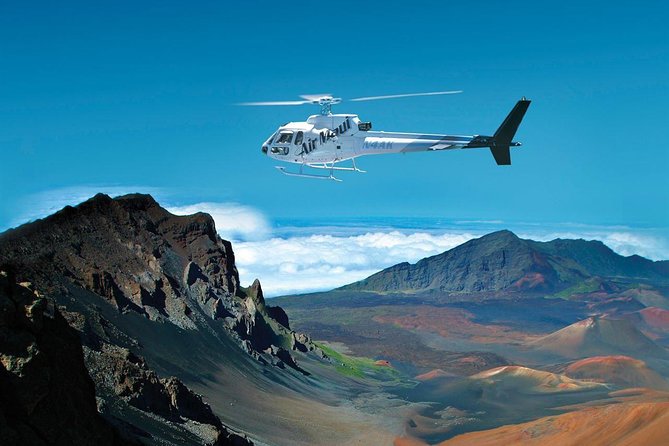
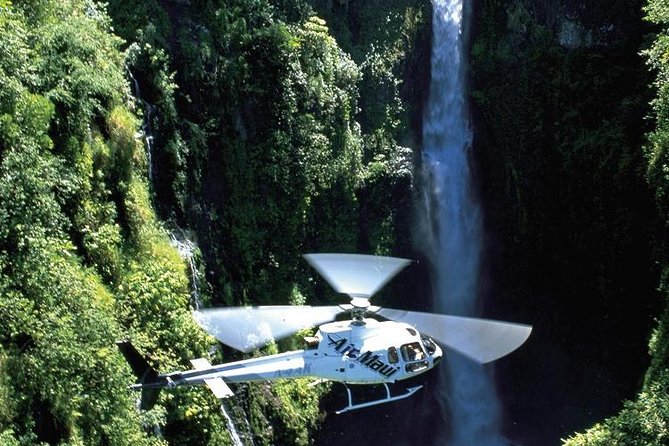
This tour runs in an A-star helicopter with six forward-facing seats and one pilot. The cabin is air-conditioned, and the seats are leather—so you’re not bouncing around on plastic seats for 45 minutes. Each passenger has 180-degree views, which is a big deal for photography because you’re not trapped staring out one narrow angle.
Do plan for close quarters. Even though it feels intimate, it is still a shared cabin with six passengers plus the pilot. If you’re someone who hates tight seating, you’ll want to mentally budget for that.
Two other details really affect your comfort:
- Wear dark clothing to reduce window glare. This matters because Maui’s bright light can wash out photos if the windows reflect your shirt or jacket.
- Expect no-bag handling. The tour is explicit that bags aren’t allowed on board, including purses, fanny packs, and backpacks. Go with minimal items that fit how the operator allows.
The 45-minute flight plan: Hana rain forest, waterfalls, and remote valleys
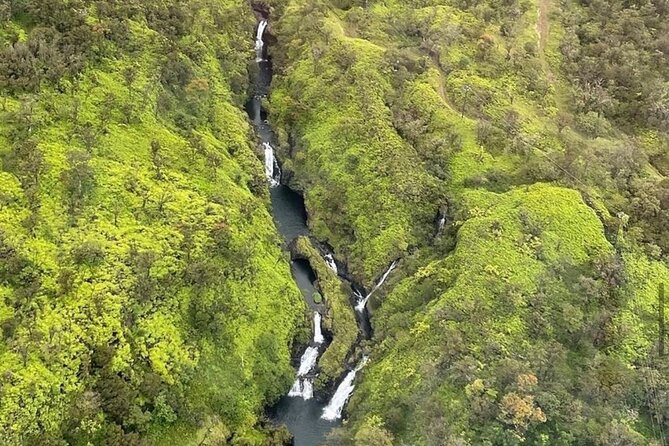
Once you lift off from Kahului Heliport, you’ll start with a narrated flight that gives you context as you move across the island. After takeoff, the route heads toward East Maui’s rain forest, with waterfalls showing up relatively quickly.
What makes the aerial view special is the access. You’re flying over valleys and hidden pools that are basically impossible to reach on foot or by car. From the air, you also get a clear sense of how much of Maui stays undeveloped—far from roads, far from viewpoints you can drive to.
As you continue along the Hana coastline, you’ll see bays and rugged stretches of shoreline, then watch waterfalls spilling down toward the sea. It’s a different kind of scenery than what you get from road stops: instead of short glimpses, you get the full system—water, terrain, and where it all ends.
And because it’s a 45-minute flight, you’re not stuck in helicopter time wondering when it’ll end. The pacing is built around giving you variety without dragging.
Haleakala’s eastern flank: how crater country looks when you’re up there
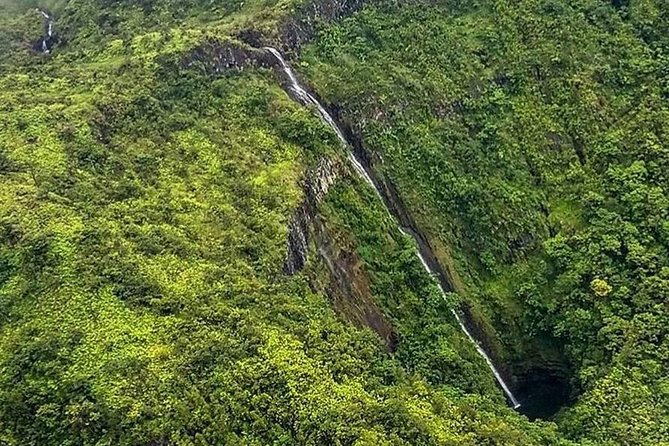
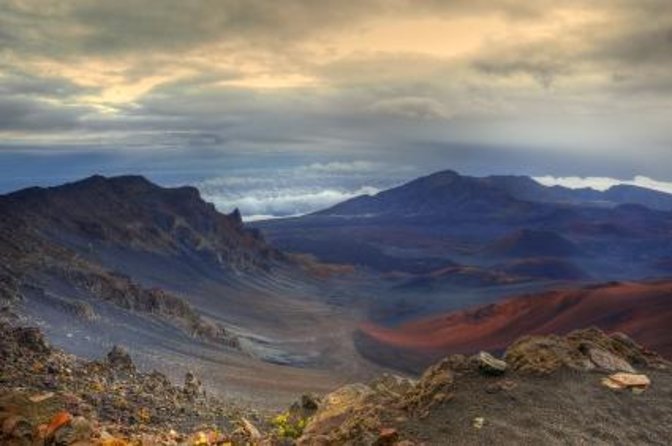
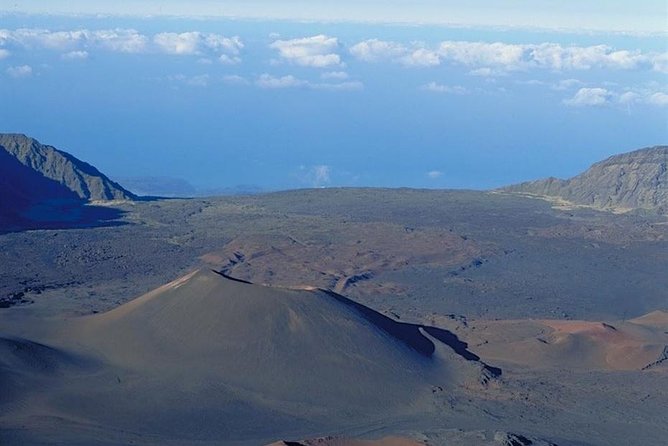
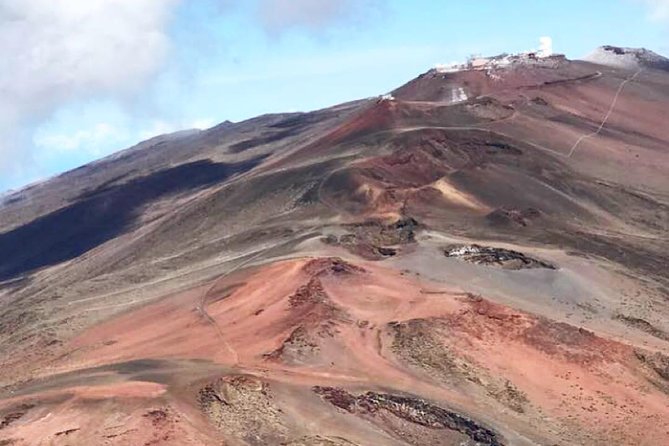
Later in the flight, you climb high up Haleakala’s eastern side. Haleakala is a dormant volcano with a summit just over 10,000 feet, and from the air you can see how the terrain is built—cinder cones, trails, and the raw texture of the volcanic surface.
Seeing Haleakala from above matters because so much of what you can experience on the ground depends on time, weather, and route choice. From the air, you’re getting a structural view: how the slope changes, where the crater area sits, and how the terrain patterns connect.
This is also where weather starts to matter. Helicopter routes and sights can vary due to conditions, and if conditions are rough around Haleakala, you may not get the exact look you booked.
If you’re the type who hates uncertainty, accept this up front: Maui weather is real. The tour is designed to be flexible, which is part of why so many people treat it as a top Maui moment.
Morning vs afternoon departures: choosing the time for your own plan
You can usually choose between morning and afternoon departures, which is useful for fitting the helicopter into the rest of your Maui days.
One reason timing matters is that the view quality depends on conditions. Clearer conditions often make a huge difference for photos of valleys, waterfalls, and volcanic ridges. If your schedule is tight and you want the best shot, I’d still pick the departure time you can realistically show up for without rushing.
Also, since the operator notes that routes and sights may change due to weather, your best strategy is to choose a time when you can stay calm if the route shifts.






Pilot narration and headset music: making the flight feel like a guided tour
This is one of the strongest parts of the experience. The pilot provides narration so you understand what you’re seeing—why this valley looks like that, where water falls into the ocean, and what you’re flying over as the route transitions.
The headset experience can include music, and that turns the flight into something you actually remember. It’s not just visual; it’s sensory.
In particular, I’ve seen repeated praise for pilots like Christian, Drew, Kirk, Marty, Vince, Nathan, Cameron, and others tied to smooth flying, friendly professionalism, and making sure everyone can see what’s important. There’s also a nice “we’re in this together” vibe—pilots who adjust how they fly and how they manage the moments so passengers get a fair look no matter which side they’re seated on.
One story that stands out: Marty was singled out for remembering names and for helping with the small stuff like ensuring people had water, juice, and snacks, plus making time for photos and support wherever needed. That’s the difference between a flight that’s merely scenic and a flight that feels cared for.
Weather swaps and alternate routes: what happens when Haleakala isn’t cooperating
A key part of this tour’s real-world value is flexibility. Flight routes and sights can vary because of weather, and the operator has a track record of offering alternative routes when the original plan isn’t workable.
So if Haleakala weather is rough for a given day, you might get a different route rather than losing the entire trip. Some people have been offered an alternate tour that included Molokai’s sea cliffs and valleys instead of the crater-focused route.
That doesn’t mean you should ignore weather. It does mean your best chance of still getting a top aerial experience is booking with an operator that can switch plans.
Photos and the optional USB flight recording: what you can buy afterward
Before you leave, the crew takes photos. You can purchase those photos, and you can also purchase a USB containing flight footage for an extra charge.
The video option is described as backed by tropical Hawaiian music and narration from onboard the trip. For a lot of people, that turns the helicopter memories into something you can share at home without retelling every moment from scratch.
One caution from real-world outcomes: if equipment fails, the video purchase may not work as expected. So it’s worth treating it as a bonus, not the main event.
Is $332.67 worth it? The value case for 45 minutes in the air
At $332.67 per person for an approximately 45-minute flight, this isn’t a “cheap thrill.” But the value makes sense if you care about access.
About 75% of Maui is hard to access on the ground due to terrain and rainforest, and that’s exactly what helicopters solve. You’re paying for shortcut access to waterfalls, remote valleys, and volcanic structure you simply won’t see the same way from the road.
The other value ingredient is the small group setup (max six travelers). With fewer seats to share, you’re more likely to get sightlines that aren’t constantly blocked and more personal handling from the crew.
One more factor that can change the real cost: weight rules. If you’re at or over the listed thresholds, you may need an additional seat purchased for safety and comfort. That’s not common for everyone, but it can matter for family budgeting.
If you already know you want at least one “Maui wow” moment, this is one of the clearest choices: short time, huge variety, and guided context.
Who this tour suits best (and who should think twice)
This tour is ideal if you:
- Want a major view upgrade over car travel, with waterfalls and volcanic country in one outing
- Like photography, especially if you appreciate window photography and photos from multiple angles
- Prefer not to drive the more intense Hana road stretches and still want Hana-area scenery
- Are traveling with kids who can handle a short flight and still enjoy the novelty (this experience has worked well for families, including kids in the younger range)
It might be less ideal if you:
- Hate tight shared seating and the idea of no bags on board
- Want to bring lots of gear, snacks, or camera equipment without a plan for storage
- Are booking as a “must see Haleakala crater for sure” day. Routes can vary with weather, so your mindset needs to be flexible.
Should you book the Hana Rainforest and Haleakala Crater helicopter tour?
I’d book it if you want one concentrated Maui highlight that combines rainforest waterfalls, ocean-adjacent coastline views, and Haleakala’s volcanic geometry in under an hour. The small group feel, pilot narration, and the strong history of smooth, professional operation make this a solid pick for first-timers who want a guaranteed aerial perspective.
Book it with realistic expectations, though. This is a weather-dependent flight, and sightlines can shift. Also, commit to the practical rules: wear darker clothes, travel light (no bags), and be ready for weight limits.
If you do those things, this is the kind of tour that often feels like the best use of vacation time—because it compresses the wow factor into a short window and doesn’t require road stamina.
FAQ
How long is the helicopter flight?
The tour is about a 45-minute flight over East Maui.
Where does the tour start and end?
It starts at Kahului Heliport, located at 108 Lelepio Pl, Kahului, HI 96732, and ends back at the same meeting point.
What seating and views should I expect?
The helicopter has six forward-facing seats in a shared cabin with one pilot, and every passenger has 180-degree views. The cabin is air-conditioned.
Can I bring a bag or camera gear?
No bags are allowed on board, including purses, fanny packs, and backpacks. Plan to travel light based on what the operator allows.
Do I need to dress a certain way for photos?
You’re recommended to wear dark clothing to help reduce reflections in the windows for better photos.
Is there an option to buy video or footage?
Yes. You can buy a USB containing footage of the flight for an additional charge.
What if weather affects the route?
Flight routes and sights may vary due to weather. If the experience is canceled due to poor weather, you’ll be offered a different date or a full refund.