
REVIEW · MAUI
Hula Lesson on Maui (Basics)
Book on Viator →Operated by Oni Foundation Inc - Wonderful World of Aloha Cultural Activity Center · Bookable on Viator
Bare feet, big culture, no dance experience needed. In one hour at the Oni Foundation Inc – Wonderful World of Aloha Cultural Activity Center in Kahului, you learn hula with an English guide, starting with legends and history behind the dance before you practice and put it together.
I also like that it’s genuinely for all ages and skill levels, so first-timers and people who already dance can still feel challenged. The one drawback is simple: with only about an hour, you’ll learn a lot, but you won’t master a full show-length routine.
In This Review
- Key things to know before you go
- A One-Hour Maui Hula Lesson That Fits Real Life
- Where You Start at Oni Foundation and the Queen Ka’ahumanu Center
- What Happens in Class: Legends, Terms, and Basic Moves
- Getting Your First Routine Down Without Feeling Behind
- Price and Value for $25 in Maui
- Timing, Duration, and How to Pair It With the Rest of Your Day
- What to Wear, Bring, and Know Before You Go Barefoot
- Family-Friendly and Beginner-Proof: Who This Suits
- Should You Book This Maui Hula Basics Lesson?
- FAQ
- How long is the hula lesson on Maui?
- How much does the experience cost?
- What time does the lesson start?
- Where do we meet for the hula lesson?
- Do I need prior hula experience?
- Is the guide available in English?
- How large is the class?
- Are service animals allowed?
- Are meals or refreshments included?
- Can I cancel for a full refund?
Key things to know before you go
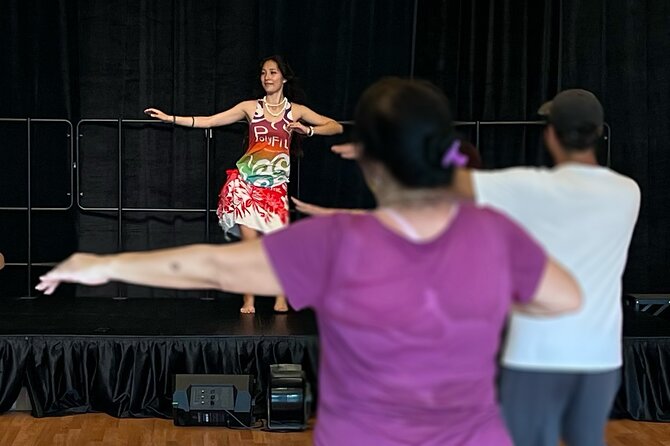
- All-ages hula basics: no previous experience required
- History, legends, and terminology before you start moving
- Practice leading to a short dance (so you finish with something to show)
- English guide and a friendly learning pace
- Small class size with a maximum of 25 travelers
A One-Hour Maui Hula Lesson That Fits Real Life
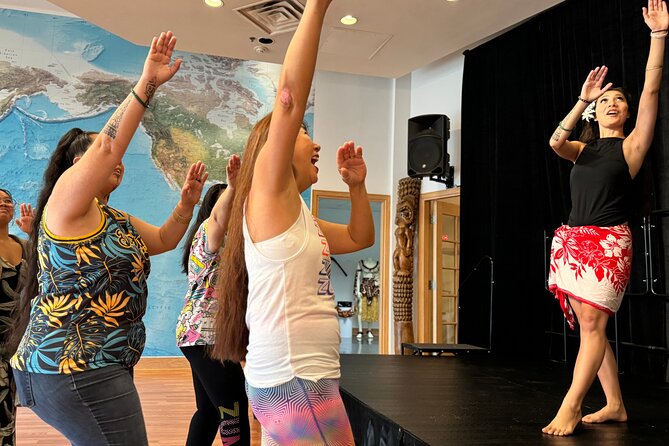
If your Maui trip includes sun, beaches, and a few great meals, you may still want one hands-on activity that feels more like learning than sightseeing. This hula lesson is that sweet spot. You get the basics, but you also get the why behind the movements: the stories, the meaning, and the terminology that makes hula more than hand-waving to a catchy tune.
The format is also practical. At about 1 hour, it’s long enough to learn a couple of key ideas and build confidence, but short enough that you don’t have to rearrange your whole day. And because it’s designed so that anyone can join, it’s ideal if you’re traveling with mixed ages or mixed abilities.
One more thing I appreciate: you’re not asked to perform like a pro. The goal is comprehension and participation. You leave with a routine you can recognize as hula, not just random arm motions.
You can also read our reviews of more tours and experiences in Maui



Where You Start at Oni Foundation and the Queen Ka’ahumanu Center
You meet at the Oni Foundation Inc – Wonderful World of Aloha Cultural Activity Center, 275 W Kaahumanu Ave, Kahului, HI 96732. The start time is 11:00 am, and the class ends back at the meeting point.
This matters for planning. Kahului is where a lot of people pass through, and it’s easier to reach than if you were trying to fit something on the far side of the island. Also, the experience is noted as near public transportation, which can help if you’re not driving everywhere.
The lesson is scheduled at the Queen Ka’ahumanu Center, and the address you use to get there is the Oni Foundation cultural activity center on Kaahumanu Ave. In plain terms: you’re meeting in a real community setting, not on a random hotel lawn.
What Happens in Class: Legends, Terms, and Basic Moves
The heart of this lesson is order. You don’t jump straight into dancing first. You start with context.
Here’s what the session is built around:
- History and legends of hula
- Important hula terminology
- Basic movement practice
- A chance to put it all together into a dance or two
That sequence is one of the biggest reasons this class feels more meaningful. When you learn even a few terms and understand what a movement is trying to say, your body remembers better. You’re not just copying. You’re mapping.
Expect the instructor to guide you through basics at a pace that makes participation feel possible. Hula can look complicated from the outside, but in class you’ll work on the fundamentals—how to position your body, how to use your hands, and how to coordinate movement with the song. The goal isn’t perfection. It’s control and understanding.
And yes, you’ll practice enough that it turns into something you can recognize as a routine. One of the best practical details from people’s experiences is how quickly the class adds up—learning enough to feel real progress within the hour.
Getting Your First Routine Down Without Feeling Behind
If you’re worried you’ll be the slowest one in the room, this is the kind of class that helps. The teaching style is built for a wide range of learners, including kids and adults who don’t consider themselves dancers.
Past experiences also point to something important: the instructor can cater to different learning styles. That doesn’t mean everyone learns the exact same way. It means the instruction stays usable, whether you pick things up fast or you need a little extra time to get the timing right.
A helpful way to think about your expectations:
- You’re learning basics and building muscle memory.
- You’re learning meaning, so the movements make sense.
- You’re ending with a short routine, so you have a finish line.
That last part is key. A lot of vacation activities are “try something new” with no real payoff. Here, you actually practice to the point where you can put together a dance or two. Even if it’s not perfect, it’s still yours.
And if you’re a serious dancer yourself, you’re not wasting time either. One experienced dancer described it as a good way to support the local dance community while still having fun and meeting others. So the class isn’t only for first-timers—it’s just paced so first-timers can keep up.
Price and Value for $25 in Maui
At $25 per person, this hula lesson is priced like an affordable experience, not a big splurge. For Maui, that’s notable. You’re paying for:
- An English-speaking instructor
- A structured lesson plan (history, terminology, basics, and a short routine)
- A limited-size group (maximum 25)
In other words, your money goes toward instruction, not just ambiance.
Also, the timing helps value. At about an hour, you’re not buying a half-day commitment. That makes it easier to justify even if you’ve got other expensive Maui plans like whale trips or luau tickets.
Two small costs to keep in mind:
- Gratuity isn’t included
- Meal/refreshments aren’t included
So plan on bringing your own snack strategy. If you’re doing the 11:00 am lesson, you’ll likely want breakfast before or a meal afterward.






Timing, Duration, and How to Pair It With the Rest of Your Day
This lesson starts at 11:00 am and returns you to the meeting point. That timing is handy for Kahului-based days.
A simple plan:
- Eat a normal breakfast before you go.
- Take the lesson.
- Then use the afternoon for beach time, shopping, or another cultural stop.
It’s also the kind of experience you can pair with watching hula performances later. One person paired their lesson with going to watch a hula show at Wailea and said it was impressive, especially since the instructor was performing. You don’t need to make it that exact. The point is: after you learn the basics, you’ll watch performances with new eyes.
If you’re staying in a place where you’re driving anyway, the lesson can act like your culture anchor for the trip. If you’re doing a more relaxed itinerary, the class still feels like a meaningful use of time.
What to Wear, Bring, and Know Before You Go Barefoot
The experience includes one very clear preparation note: all you’ll need is your bare feet and some Aloha.
So wear something you can get barefoot easily. Sandals that slip on are your friend. Avoid shoes that trap you in straps and buckles. You’re not going to spend the hour thinking about footwear, but you also don’t want to start the lesson wrestling clothing.
A couple other practical notes:
- The class is English-guided.
- Confirmation is received at booking.
- The experience allows service animals.
- It’s listed as near public transportation.
Because meals and refreshments aren’t part of it, treat the lesson like a workout-adjacent activity: you’ll be using energy and focus. Bring water if you usually like it. And after you change out of your barefoot mode, you’ll be ready to keep touring.
Family-Friendly and Beginner-Proof: Who This Suits
This is one of those rare activities where it’s easy to bring a group without everyone needing to be the same age or the same skill level.
This lesson fits well if:
- You’re traveling with kids who want an interactive activity.
- Your group includes non-dancers who still want to learn something real.
- You want Hawaiian culture explained in a hands-on way, not just as a photo backdrop.
- You’re looking for a low-pressure bonding activity.
It also works if you’re the only non-dancer in a dancing family. The class is built to be beginner-friendly, and it gives you a path to follow.
For families, timing helps too. One parent described how their five-year-old stayed engaged the whole time and ended up understanding the talent behind the hula dancers they’d seen. That’s the kind of outcome that makes a classroom on vacation worth it.
And for couples or friend groups, it’s a shared challenge. You’re learning together, laughing at missteps, and then ending with a routine you can actually do from start to finish.
Should You Book This Maui Hula Basics Lesson?
I’d book this if you want a structured, culture-focused activity that still feels fun and approachable. The best argument is the combination of teaching elements: history and legends, terminology, basic movement practice, and then a short dance routine you complete within the hour.
Skip it if you’re chasing something longer or more intense. This is a basics lesson. If what you want is hours of technique training, costume craft, or a performance rehearsal, you’ll probably want a different kind of class.
If you’re on Maui and you want one activity that checks the box for learning, movement, and bonding, this is an easy “yes.”
FAQ
How long is the hula lesson on Maui?
The hula lesson runs for about 1 hour.
How much does the experience cost?
It costs $25.00 per person.
What time does the lesson start?
The start time is 11:00 am.
Where do we meet for the hula lesson?
You start at Oni Foundation Inc – Wonderful World of Aloha Cultural Activity Center, 275 W Kaahumanu Ave, Kahului, HI 96732.
Do I need prior hula experience?
No. The lesson is designed so that anyone can join, and no experience is necessary.
Is the guide available in English?
Yes, the guide provides the experience in English.
How large is the class?
This activity has a maximum of 25 travelers.
Are service animals allowed?
Yes, service animals are allowed.
Are meals or refreshments included?
No. Meal/refreshments are not included.
Can I cancel for a full refund?
Yes. You can cancel for a full refund up to 24 hours in advance of the experience start time (local time).