REVIEW · MAUI
Maui: 2-Hour Molokini Snorkel Trip
Book on Viator →Operated by Redline Rafting · Bookable on Viator
Molokini snorkel turns the ocean into a fishbowl. This 2-hour Molokini trip runs from Kihei on a small boat with sanitized snorkel gear, plus a guide who talks through the local ecosystem and keeps you safe. I especially like how the crew’s hands-on teaching helps you feel confident fast, whether you’re new or just rusty.
I also like the timing options. The early 7AM departure often means calmer water and fewer boats crowding the crater. One catch: this outing is not for everyone. If you get seasick, or you have back/neck/head injuries or are pregnant, it’s a no-go.
In This Review
- Quick Key Points (What Makes It Worth Your Time)
- Molokini Crater: Why This Snorkel Spot Feels Different
- Redline Rafting Boat Ride from Kihei to the Crater
- Your 2-Hour Snorkel Plan: 15 Minutes Out, 1+ Hour in Molokini
- What You’ll See Underwater: Fish, Coral, and Possible Wildlife Detours
- Small-Group Guide Help: Safety, Local Ecosystem, and Gear Fit
- Timing Choices: 7AM Calmer Waters vs 9:30 Warmer Temps
- Is $143.93 Worth It for Two Hours at Molokini?
- Who This Tour Suits Best, and Who Should Skip It
- What to Bring and What Redline Provides
- Should You Book This Molokini 2-Hour Trip?
- FAQ
- How long is the Molokini snorkel trip?
- Where do I meet for the tour?
- What’s included in the price?
- What should I bring with me?
- What departure times are offered?
- Is this tour okay if I get seasick?
- When can I cancel for a refund?
Quick Key Points (What Makes It Worth Your Time)
- Small group size (max 24): more attention and easier supervision in the water
- Sanitized snorkel equipment: gear is provided, and it’s handled responsibly
- Real guidance for snorkel safety: step-by-step help for first-timers and everyone else
- Fast ride to Molokini: about 15 minutes out before you’re in the water
- Two departure times: 7AM for calmer water, 9:30 for warmer air
- Possible wildlife sightings en route: whales and other marine life can show up on the boat ride
Molokini Crater: Why This Snorkel Spot Feels Different
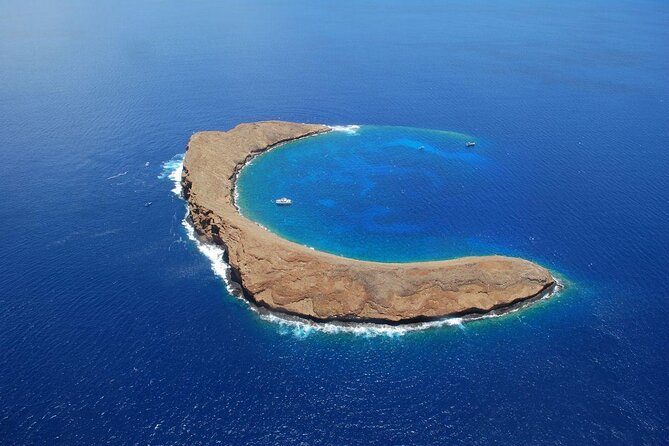
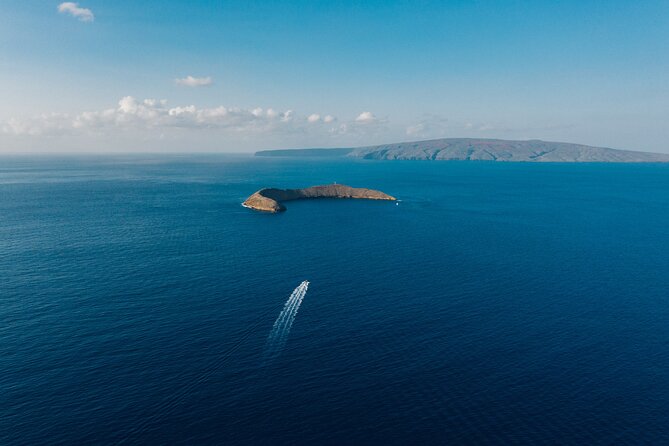
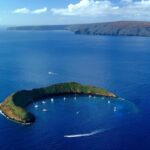
Molokini is a submerged volcanic crater off South Maui. The key idea is simple: you’re not snorkeling “random reef,” you’re snorkeling around a specific underwater landmark that traps clear water and attracts marine life. That combination is why the experience often feels like you’re swimming in a giant, clear-window aquarium.
The crater’s shape also helps create a sense of variety in a short time. Even if you’re only in the water for about an hour, you’re still likely to see schools of fish moving through different parts of the reef area. The result is that you get that wow factor quickly, without burning half a day on transit and lineup time.
And because the tour is built around a small-boat approach, you’re usually not stuck feeling like a number. When the crew can keep visual contact and adjust the pace, snorkeling time feels more like a guided session than a timed drop-off.
You can also read our reviews of more tours and experiences in Maui

Redline Rafting Boat Ride from Kihei to the Crater
You start at Redline Rafting, 2800 S Kihei Rd, Kihei, HI 96753. The trip ends back at the meeting point, so you’re not scrambling to coordinate a separate return plan.
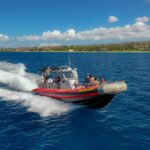
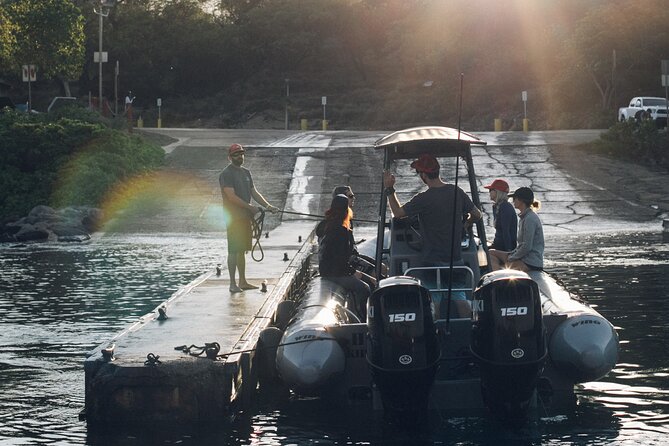
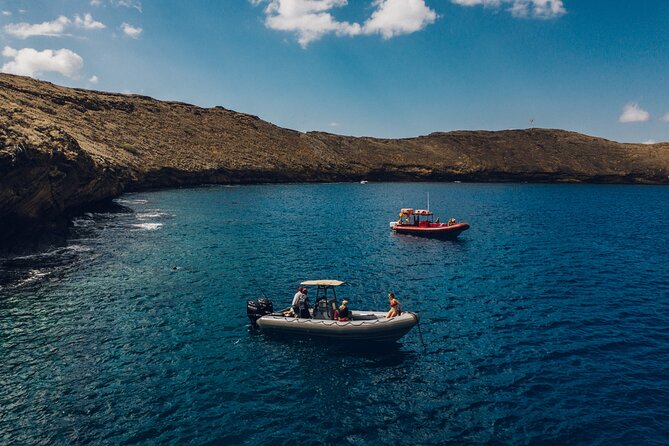
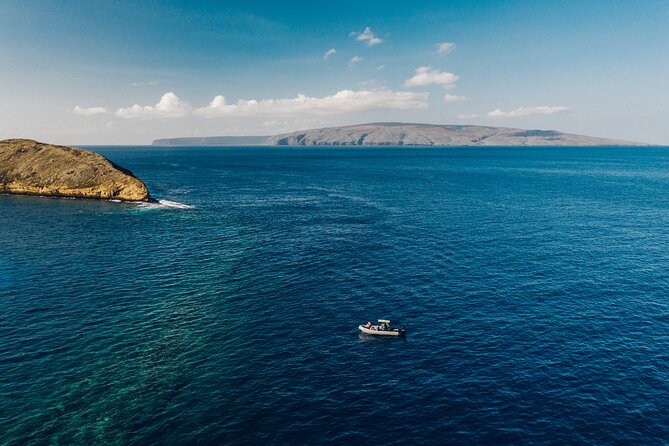
This is a raft-style ride, and it can feel lively. Some people love the energy; others just want the smoothest possible ride. The upside is that the boat gets you out to Molokini quickly, which helps you maximize water time in a short total duration.
The crew is also part of the experience. Many visitors highlight that captains and guides are professional and tuned in to how everyone is doing. You may hear safety reminders repeatedly (in a good way), and the tone is typically calm but clear—especially if you’re new to snorkeling.
One practical warning: this isn’t the kind of tour to “tough out” if you’re prone to motion sickness. The operator explicitly says it’s not recommended for individuals that experience seasickness. If you know you’re sensitive on boats, take that seriously.
Your 2-Hour Snorkel Plan: 15 Minutes Out, 1+ Hour in Molokini
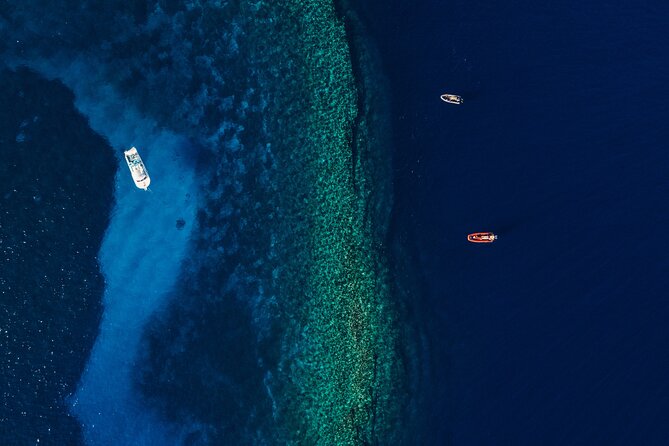
Your schedule is built for efficiency:
- Get to the crater area quickly (about a 15-minute ride)
- Spend 1+ hour snorkeling inside the crater
- Return back to the meeting point
That rhythm matters. If you’re snorkeling for the first time, a long trip can feel like you’re either rushing or getting tired. If you’re experienced, a long day can mean fewer breaks and less time to focus on what you’re actually seeing.
Here, the balance is more practical. You’ll get enough time in the water to settle in and spot fish patterns, while still having the rest of your morning (or early afternoon) back in Maui life.
Also, this is the kind of tour where the guide’s timing helps you learn the flow fast: how to breathe and move steadily, how to keep the snorkel clear, and how to enjoy the view without constantly adjusting everything.
What You’ll See Underwater: Fish, Coral, and Possible Wildlife Detours
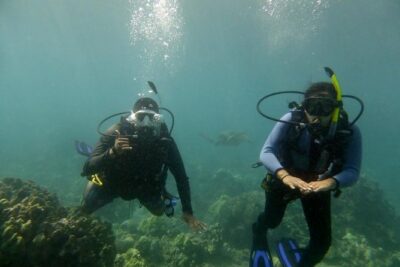
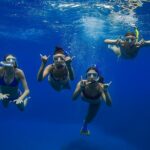
Molokini is known for clear water and plenty of marine activity. The most consistent theme you’ll hear is that visibility is excellent and the variety of fish feels nonstop. Expect to float above the reef and see fish moving in different directions rather than one small patch.
Coral and reef structure help create that “fishbowl” feeling. Even if you don’t have fancy underwater skills, you can still follow motion—schools sweep by, individual fish hover, and the reef gives you reference points so you’re not just staring at blank blue water.
Wildlife sightings can happen on the boat rides too. Some outings include whale sightings, and winter timing can be a factor since humpbacks are more likely in cooler months. You could also see other marine life such as sea turtles or dolphins depending on what the ocean is doing that day.
One nice bonus from the crew approach: if something interesting shows up nearby, you may get a short look rather than a strict, ignore-everything schedule. That flexibility is exactly what you want on a short tour.
Small-Group Guide Help: Safety, Local Ecosystem, and Gear Fit
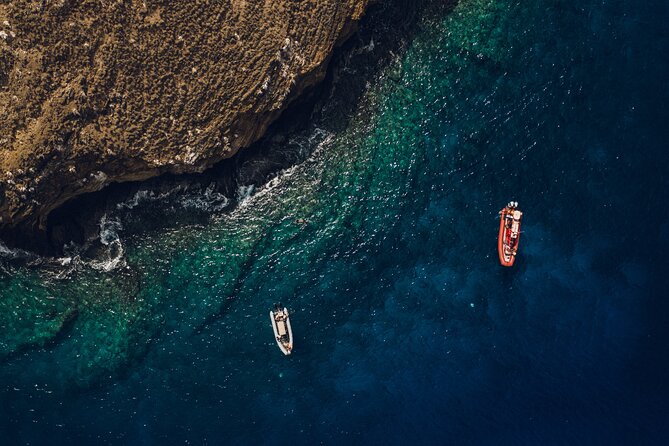
This tour is built around “small group” attention, with a maximum of 24 travelers. That number matters more than it sounds. In water, it’s easier for the guide to watch spacing, make sure everyone is breathing comfortably, and help you adjust if the snorkel setup isn’t behaving.
What I like most is the guide role beyond pointing. You get eco talk—not in a lecture way, but in a practical way that connects what you’re seeing to the local ecosystem. When you understand what you’re looking at (and why it’s there), snorkeling feels more meaningful and less random.
The guide and captain team is also commonly praised for being patient with first-timers. If you’ve never snorkeled before, the step-by-step coaching can be the difference between panic and enjoyment.
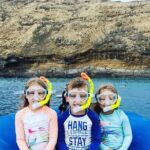
And the equipment is provided. The operator says snorkeling equipment is provided and handled with sanitization practices. You’ll still want to do your part: make sure the fit feels comfortable and adjust straps before you get in.
Also, you should know the tour isn’t for everyone physically. The experience states travelers should have a strong physical fitness level, and it specifically excludes people with back, neck, head injuries, or pregnancy.


Timing Choices: 7AM Calmer Waters vs 9:30 Warmer Temps
You can choose between two morning times: 7:00AM and 9:30AM.
- 7AM option: calmer waters and fewer boats on the early run. This is the choice if you want the easiest water conditions and you’d rather not fight chop.
- 9:30 option: warmer temperatures in the air. The ocean temperature stays about the same, so you’re mainly choosing comfort on deck and during entry/exit.
If you’re sensitive to motion, I’d lean toward the early departure. The company also gives a clear heads-up that this is not for seasickness, but calmer water gives you the best shot if you’re on the fence.
If you’re more comfortable dealing with boat motion but want less chill in the morning air, the 9:30 start can feel better. Either way, it’s still a short tour—so you’re not paying a full day premium for your timing choice.
Is $143.93 Worth It for Two Hours at Molokini?
At $143.93 per person for about two hours, you’re not just paying for water access. You’re paying for a guided, small-group trip to a standout snorkel location with provided equipment and crew supervision.
Here’s where the value usually comes from:
- Included gear: you don’t have to rent locally or bring your own setup.
- Sanitized equipment: reduces that nagging worry about shared gear.
- Small-group attention: you’re more likely to get help, especially if you’re a beginner.
- Time efficiency: about 15 minutes to the crater, then 1+ hour in the water.
If you’ve been considering longer Molokini tours, the two-hour format can actually be the smarter use of your time. You get the signature spot without turning your whole morning into a long boat schedule. If your main goal is snorkeling quality, this format fits.
One pricing note: towels, sunscreen, and bottled water are not included. That’s not a dealbreaker, but it’s part of the real cost of comfort. Plan to bring what you need so you don’t end up buying it at the last second.
Who This Tour Suits Best, and Who Should Skip It
This is a strong match if you’re:
- A capable swimmer or at least comfortable floating with guidance
- A first-time snorkeler who wants coaching and a structured plan
- Someone who wants a shorter outing rather than a half-day excursion
- Anyone who prefers small-group attention over a crowded, “watch from the edge” vibe
It’s also a good fit if you want a morning activity that still leaves you time for beaches, lunch, and driving around Maui.
You should skip it if:
- You’re pregnant
- You have current back, neck, or head injuries
- You have had those injuries and aren’t sure about safe movement and boarding
- You get seasick on boats
The ride is lively, and the tour requires enough physical comfort for boarding, shifting positions, and handling your snorkel setup. Even if you love snorkeling, it’s not worth pushing past limits.
What to Bring and What Redline Provides
Redline Rafting provides snorkel gear and fins. The crew also provides the setup for you to get moving fast once you’re at the crater area.
Bring your own:
- Sunscreen
- Towel (not included)
- Water (bottled water isn’t included)
A small practical tip: apply sunscreen before you head out and again if you’re the type to wipe your face or rub your eyes. You’ll be on the water in strong sun, and Molokini’s clear conditions can make you underestimate how much you’re exposed.
You may also want to wear something you’re comfortable getting wet in. Most people do fine with simple swimwear plus an easy-to-rinse outer layer for the ride back.
Should You Book This Molokini 2-Hour Trip?
Book it if you want a focused snorkel experience with sanitized gear, a small group, and crew help that makes the water feel manageable. The timing options are practical, and the short format is ideal if you’d rather spend your day on Maui instead of stuck in a long boat schedule.
Skip it if you know you get seasick, you have pregnancy or injury restrictions, or you’re not comfortable with a raft-style boat ride. This is not the right choice to test your limits.
If you’re choosing between morning times, I’d go 7AM for calmer conditions and fewer crowds, then stick to what the crew recommends once you’re on board.
FAQ
How long is the Molokini snorkel trip?
It’s approximately 2 hours total, with about 15 minutes to reach the crater area and 1+ hour of snorkeling inside Molokini.
Where do I meet for the tour?
You meet at Redline Rafting, 2800 S Kihei Rd, Kihei, HI 96753. The tour ends back at the same meeting point.
What’s included in the price?
The tour includes the 2-hour Molokini snorkel trip and use of snorkeling equipment.
What should I bring with me?
Bring a towel and sunscreen. Bottled water is not included.
What departure times are offered?
There are two morning timeslots: 7:00AM and 9:30AM.
Is this tour okay if I get seasick?
No. The tour is not recommended for people who experience seasickness.
When can I cancel for a refund?
You can cancel for a full refund up to 24 hours before the experience’s start time. The experience also requires good weather, and if it’s canceled due to poor weather, you’ll be offered another date or a full refund.