REVIEW · MAUI
Turtle & Shark Scuba Dive in Lahaina: Certified
Book on Viator →Operated by Banyan Tree Divers Maui · Bookable on Viator
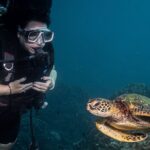
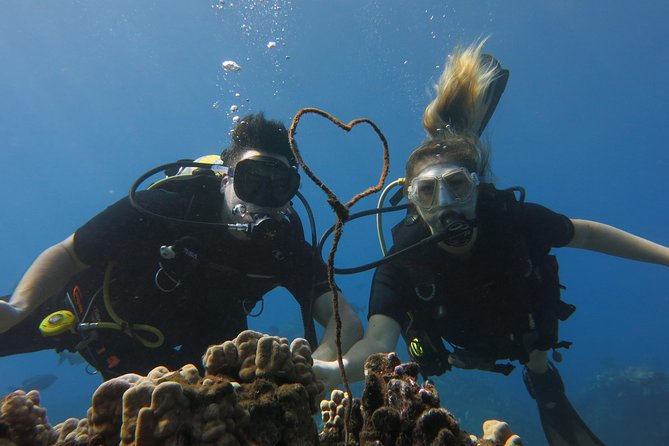
Turtles up close beat any aquarium. This certified-only Turtle & Shark scuba experience in Lahaina keeps things simple: shore entry, close marine-life focus, and a plan tailored to your level. You’ll be in the water exploring endemic species while the instructor stays locked in on safety and comfort.
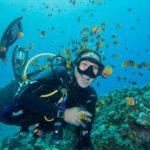
I love the combination of all scuba equipment provided and the small size (max 8). I also like that the guide gives you undivided attention, which matters when you’re trying to relax, control your buoyancy, and actually enjoy the animals instead of fighting gear.
The main catch is the fine print: you must be certified (and have recent experience), and after your time in the water you need to wait at least 18 hours before flying or ascending above 1,000 feet. Add that there’s no transportation or bottled water included, and you’ll want to plan your logistics ahead.
In This Review
- Why This Turtle & Shark Program Feels So Personal
- The “$259” Question: Is This Good Value in Maui?
- Meeting at Ala Moana and Front Street: The Part That Sets the Tone
- Shore Entry Rules You Need to Respect (Before You Even Think About Sharks)
- What You’ll Actually See: Turtles, Turtle Cleaning Stations, and Reef Sharks
- How the “Tailored” Part Works in Real Life
- Gear, Snacks, and Water: Tiny Details That Matter
- Weather and Timing: Why Booking Ahead Helps
- Who Should Book This, and Who Should Skip It
- Should You Book Turtle & Shark in Lahaina?
- FAQ
- Is this scuba experience only for certified divers?
- How long is the Turtle & Shark session?
- Where do I meet the group in Lahaina?
- What do I need to bring for check-in?
- Is scuba equipment provided?
- Are snacks and water included?
- What’s the group size?
- Do I need to be physically fit?
- How long should I wait before flying or ascending after scuba?
- What if weather is poor?
- Can I cancel for a full refund?
Why This Turtle & Shark Program Feels So Personal
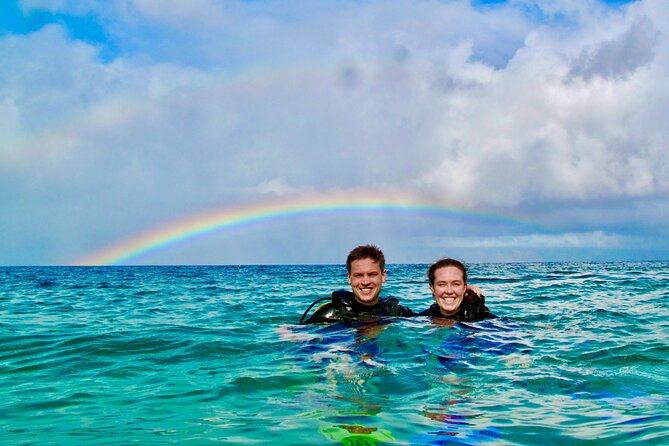
This is shore-based scuba for certified divers only, and it shows in how smooth the day feels. You meet at a specific spot near the water, you do a safety briefing, then you walk out to the ocean entry point from the scuba truck. Because the group is limited to 8, you get the kind of attention that helps you spot more marine life and feel less rushed.
From the instructor names that come up repeatedly (Simon, Shane, David, Caitlin, Abby, Jen, Kevin), the theme is consistent: clear teaching, calm pacing, and comfort-building for people at different experience levels. If you’re nervous, that matters. If you’re experienced, it still helps—less time sorting out problems means more time watching turtles and reef life.
Endemic marine life focus is also part of the appeal. This tour is built around what’s actually there in Maui waters, including turtle activity and shark sightings that aren’t just a maybe. One diver even described a black seahorse sighting, which is the kind of detail you only get when the group is paying attention and staying engaged.
The “$259” Question: Is This Good Value in Maui?
At $259 per person for about 2 hours, the value comes from what’s included and how small the experience is. You get scuba equipment provided, plus a private instructor/guide. That combo costs money elsewhere—especially in Hawaii, where “transport included” packages often charge extra.
Here’s how I’d think about it:
- You’re paying for a guided, shore-based experience with gear handled for you.
- You’re paying for tighter attention than you’d typically get in a large-boat setup.
- You’re also paying for the strict “certified divers only” nature, which keeps the group moving at a diving pace that’s realistic.
What you should watch is what’s not included. There’s no private transportation, and bottled water isn’t provided. If you show up without a reusable bottle, you’ll be thinking about logistics while everyone else is already focused on the water.
You can also read our reviews of more scuba diving tours in Maui
Meeting at Ala Moana and Front Street: The Part That Sets the Tone
The day starts at the dive-site area in Lahaina. Your meeting point is near Ala Moana Street and Front Street, and you’re looking for the scuba truck parked near that corner. The tour description is clear about this because it reduces waiting and confusion.
You’ll also do the paperwork steps before you step into the ocean:
- Show your scuba certification card at check-in.
- Sign the online scuba waiver before arrival.
Then, after your safety briefing, you walk to the ocean from the scuba truck on Front Street. That walk sounds short, but it’s part of why the tour lists a moderate physical fitness requirement and asks you to be able to carry 30 pounds on your back for a short distance.
Practical tip: wear something you can get wet, and have a plan for where your personal items go during setup. The day is built around getting in the water quickly, so fussy setups slow the group.
Shore Entry Rules You Need to Respect (Before You Even Think About Sharks)
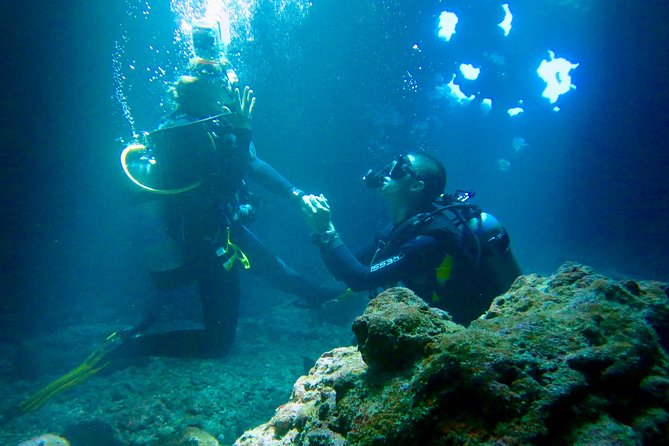
This experience is tailored to your scuba experience level, but the rules are strict for safety. After your time underwater, you must wait at least 18 hours before ascending above 1,000 feet. The tour explicitly calls out flying, zip-lining, and ascending Haleakalā after scuba.
That means you should check your whole Maui schedule, not just the morning of the trip. People often book a helicopter or a flight on the last day, assuming it’s fine because the water was earlier. For this tour, it’s not a guess. Plan your day so you’re not forced into an awkward calendar scramble.
Also, because this is shore entry, conditions can affect where you enter and what the team chooses for the water portion. One report described a storm off-shore leading to a different beach choice that still allowed lots of sea life viewing. That’s a good sign: the instructors adjust rather than cancel instantly.
What You’ll Actually See: Turtles, Turtle Cleaning Stations, and Reef Sharks
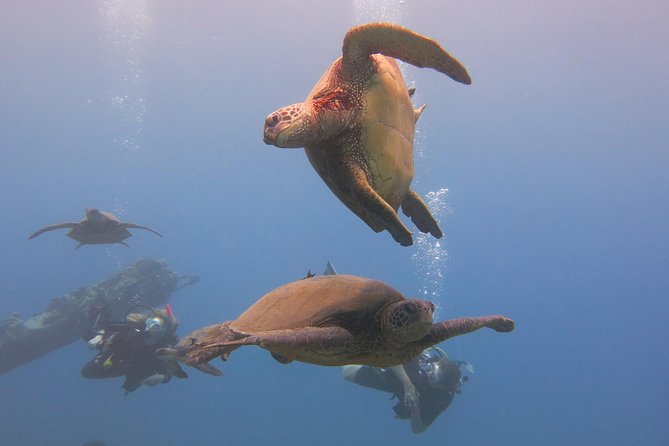
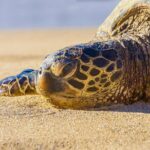
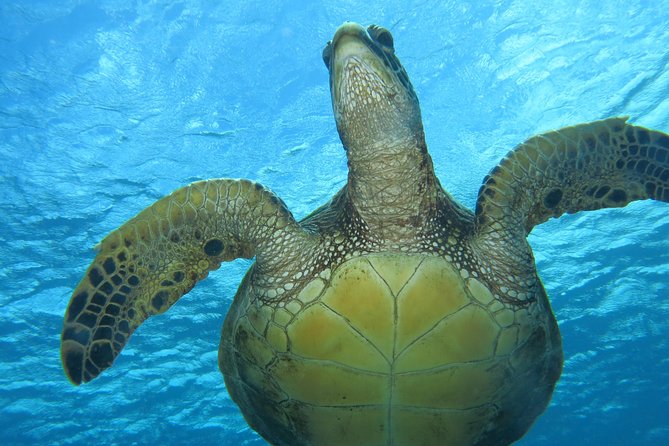
The Turtle & Shark concept isn’t vague marketing. Multiple accounts mention many turtles, including being close enough to feel genuinely impressed. One diver specifically called out a turtle cleaning station nearby, which is the kind of behavior you remember long after the trip.
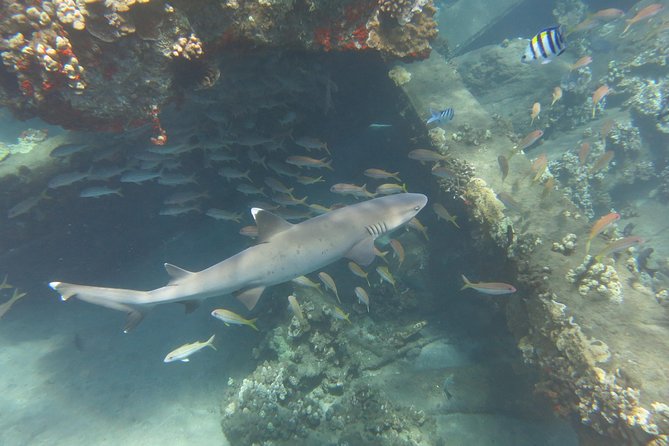
White tip reef sharks also show up in reviews. A family described seeing white tip reef sharks, and another diver reported about 8 sharks on a different dive setup. Even when the exact animal count changes by day, the overall odds seem strong because the sites are chosen for marine activity.
You should also know this is not just about animal spotting. The goal is a safe, controlled scuba experience that lets you stay aware. One diver mentioned that there weren’t underwater cameras provided, with attention placed on scuba safety. Translation: the team prioritizes training and control over distractions—so if you want photos, plan to bring your own camera or ask what’s allowed ahead of time.
And yes, your guide may teach you about endemic aquatic species during the session. That’s valuable because it turns what you see from random movement into actual meaning. You’ll stop thinking, “There’s a turtle,” and start noticing what the turtle is doing.
How the “Tailored” Part Works in Real Life
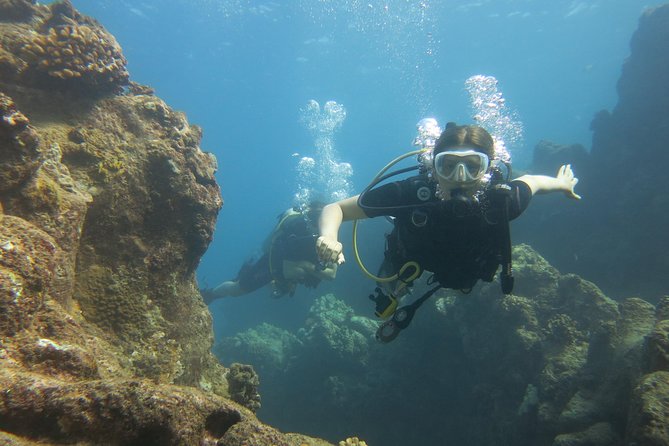
The tour says dives are tailored to your diving experience, and that fits the way the instruction is described in reviews. People repeatedly mention feeling safe and comfortable, even when it was their first ocean scuba session.
If you’re newer:
- Expect clear instructions and a calm pace.
- The focus tends to be on helping you feel steady with your gear and buoyancy.
- The goal is to make sure you can enjoy the wildlife instead of being stuck on technique.
If you’re experienced:
- The small group and private attention can still help.
- You’ll likely spend less time waiting and more time moving through the water the way you like.
Either way, the “private guide/undivided attention” language matters. With a maximum of 8 people, you’re less likely to get lost in the shuffle. That’s a big deal when you want to see turtles up close or track shark movement without losing the instructor.

Gear, Snacks, and Water: Tiny Details That Matter
Scuba equipment is included, so you don’t need to rent or pack a full setup. That’s a real convenience.
Food and drink are the area where you should pay attention. The tour lists:
- Snacks (granola bars available upon request)
- Bottled water is not included, and you’re encouraged to bring your own reusable water bottle to cut plastic waste
One review mentioned snacks and water not being provided exactly as expected, so I’d treat that as a reminder to be proactive. Bring your own reusable bottle, and if you want the granola bar, ask. It’s available upon request, not necessarily automatically handed to everyone.
Weather and Timing: Why Booking Ahead Helps
This experience requires good weather. If it’s canceled due to poor weather, you’ll be offered a different date or a full refund. That’s good flexibility.
Because you’re shore-based, weather can also change what’s comfortable and possible for entry and time in the water. The best way to reduce stress is to plan a Maui day with backup options nearby, and avoid booking a tightly timed departure right after the trip.
Also note the scheduling reality: on average, this is booked about 35 days in advance. That doesn’t mean you can’t find space later, but it does mean the most popular times can go.
Who Should Book This, and Who Should Skip It
This is a certified program. If you’re certified and comfortable with ocean conditions, it’s a strong choice—especially if you want a guided experience focused on turtles and sharks with real teaching support.
It’s a particularly good fit if:
- You want small-group attention instead of a crowded setup.
- You care about seeing endemic species and understanding what you’re looking at.
- You want equipment handled for you.
You may want to skip it if:
- You’re not currently certified, or you don’t have recent dive experience (the tour requires recent experience to complete the activity).
- You can’t meet the physical requirement to carry 30 pounds for a short distance.
- Your itinerary includes flying or ascending above 1,000 feet within 18 hours of your scuba session.
If you’re traveling as a couple or small group, the private attention angle tends to feel more satisfying. Families can also enjoy it—one parent-child group described the instructor as very good and the experience as worth it.
Should You Book Turtle & Shark in Lahaina?
I’d book it if you’re a certified diver who wants a Maui experience that’s about marine life and calm instruction, not about getting shuffled through a big logistics machine. The included gear, the small group size (max 8), and the repeated emphasis on instructors like Simon, Shane, David, Caitlin, Abby, Jen, and Kevin all point to the same payoff: you feel safe, you learn something, and you spend quality time with turtles and reef life.
I’d hesitate if you’re tight on schedule for the 18-hour rule, if you’ll struggle to carry 30 pounds, or if you don’t want to handle your own water/transport. This tour is very clear about what it does and doesn’t include—so once you match your expectations to the reality, it’s a very solid pick.
FAQ
Is this scuba experience only for certified divers?
Yes. This is a shore-based scuba experience for certified divers only, and proof of scuba certification is required at check-in. It also requires divers to have recent dive experience to complete the activity.
How long is the Turtle & Shark session?
It’s listed as about 2 hours.
Where do I meet the group in Lahaina?
You meet at the dive site area. Look for the scuba truck near the corner of Ala Moana Street and Front Street.
What do I need to bring for check-in?
Bring your scuba certification card for check-in, and sign the online scuba waiver before you arrive.
Is scuba equipment provided?
Yes. Use of scuba equipment is included.
Are snacks and water included?
Snacks are included as granola bars available upon request. Bottled water is not included, and the tour encourages bringing your own reusable water bottle.
What’s the group size?
The maximum group size is 8 travelers.
Do I need to be physically fit?
You should have a moderate physical fitness level, and you must be able to carry 30 pounds on your back for a short distance.
How long should I wait before flying or ascending after scuba?
You must wait at least 18 hours before ascending above 1,000 feet. This includes flying, zip-lining, or ascending Haleakalā after scuba.
What if weather is poor?
The experience requires good weather. If it’s canceled due to poor weather, you’ll be offered a different date or a full refund.
Can I cancel for a full refund?
Yes. Free cancellation is available up to 24 hours before the experience start time for a full refund. Cancel at least 24 hours in advance for the full refund.