REVIEW · MAUI
Waves Hawaii Surf School in Kihei Maui
Book on Viator →Operated by Waves Hawaii Surf School · Bookable on Viator
Maui’s surf lessons feel fast, in a good way. This 2-hour session is built for getting you from first-time wobbles to actual rides, using a land-to-water teaching flow and a pro instructor. I like that you show up in Kihei, get outfitted on the spot, and get practical coaching right away.
What I really like is the focus on technique without turning it into a chore. You’ll do a quick safety intro, then a land lesson so you can practice how to paddle, pop up, and dismount before you’re on the water. That approach helped instructors guide riders like Sophie and Jessica into confident starts, even for kids.
One thing to consider: you do need moderate physical fitness and the ocean can be demanding, especially if you’re nervous about paddling and getting positioned near rocks. If you’re booking for a child under 8, you’ll want to go private 1-on-1 for the best fit.
In This Review
- Key Highlights You’ll Care About
- Kihei Meet-Up at Kalama Park: Where Your Lesson Starts
- Gear-Up Routine: Rash Guard, Reef Shoes, and a Board That Fits
- Safety First, Then Land Practice: The Teaching Style That Saves Time
- Makena State Park: Turning Basics Into Actual Waves
- What You Learn in Two Hours (Even If It’s Your First Time)
- Private vs Group Lessons: Choose the Attention Level You Want
- Small Group Size: Why It Matters More Than You’d Think
- Price and Value: Is $103.12 Fair for 2 Hours?
- Ocean Reality Check: What to Bring and How to Prep
- The Instructor Factor: Encouragement That Builds Confidence
- Is This For You? Best-Fit Surfers
- FAQ
- FAQ
- Where do I meet for the surf lesson?
- How long is the Waves Hawaii Surf School lesson?
- What’s included with the lesson?
- Is this lesson only for total beginners?
- Can I choose a private lesson?
- Are there age recommendations for kids?
- Do I need good weather for the experience?
- Should You Book Waves Hawaii Surf School in Kihei?
Key Highlights You’ll Care About
- Rash guards, reef shoes, and surfboards are included, so you’re not scrambling for gear
- Land drills come first, which saves you time and frustration once you’re in the water
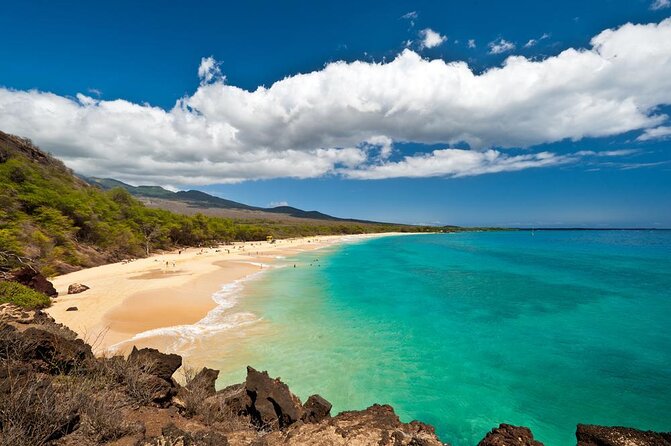
- Makena State Park is the real stage, with south Maui surf scenery as your backdrop
- You can choose private or group lessons, depending on how much attention you want
- Instructors keep the vibe encouraging, with examples like Sasha, Lucas, Carlos, and Funchie in the mix
- Sea turtle sightings can happen, and yes, that’s a memorable bonus when conditions line up
Kihei Meet-Up at Kalama Park: Where Your Lesson Starts
Your lesson begins at Kalama Park in Kihei (1900 S Kihei Rd, Kihei, HI 96753). This is a handy spot if you’re staying on Maui’s south side because you’ve got shops and places to eat nearby. I also like that the meeting point is straightforward: you check in there and your lesson group stays together.
Plan to arrive a few minutes early. You’ll want time to find the group, confirm you’re in the right lesson slot, and get geared up without feeling rushed. One practical tip: if you’re watching from the sidelines, this is the kind of shore area where others can keep an eye on what’s happening.
A small detail that matters: there’s no hotel pickup included. So you’ll either drive yourself, use rideshare, or arrange your own transport to the meeting point.
You can also read our reviews of more tours and experiences in Maui.


Gear-Up Routine: Rash Guard, Reef Shoes, and a Board That Fits
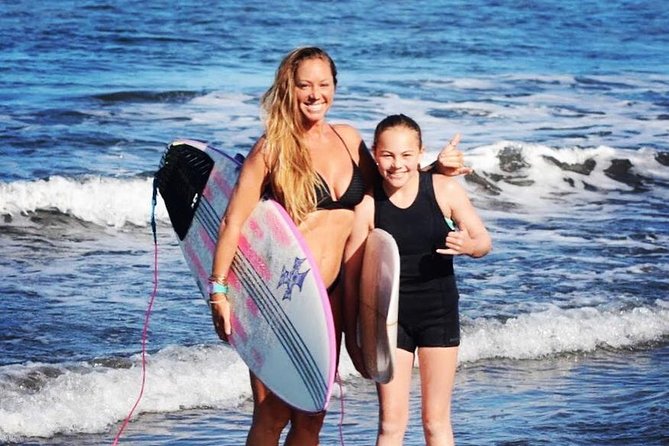
Once your instructor greets your group, you’ll get fitted with the gear. The basics are covered: rash guard, reef shoes, and a surfboard. This is a big deal for first-timers. You’re not guessing what to wear, and you’re not stuck deciding whether you need special footwear.
Reef shoes are especially important here because the ocean floor can have rocks, and at least one beginner-friendly review specifically called out needing the booties due to rocks on the bottom. That’s the kind of thing that can turn an exciting lesson into a painful one fast, so take the footwear seriously.
The lesson pacing also benefits from having your equipment sorted immediately. You can focus on learning rather than waiting around while the instructor tracks down boards or helps someone who forgot swim shoes.
Safety First, Then Land Practice: The Teaching Style That Saves Time
Your session starts with a warm welcome from your instructor, followed by brief safety guidance. The goal is simple: you learn the rules of the road before you’re asked to do anything in motion.
Then comes the part I think makes this lesson work for most people: the land lesson. Even if you’ve never surfed, you’re not thrown into chaos. You’ll practice key movements on shore so you can get muscle memory for:
- how to paddle and position your board
- how to get to your feet
- how to dismount safely
This is where real instructors shine. For example, Sasha is described as making sure kids were up on the board quickly, while Lucas was praised for getting kids learning surfing easy and fun. Carlos and Funchie also got credit for patient, encouraging coaching. You can take those stories as proof of the teaching style: clear, calm, and focused on technique, not luck.
One small reality check: the best learning happens when you listen, try the next cue immediately, and don’t overthink. The land drills are your setup. If you treat them like warm-up, you’ll benefit more when you hit the water.
Makena State Park: Turning Basics Into Actual Waves
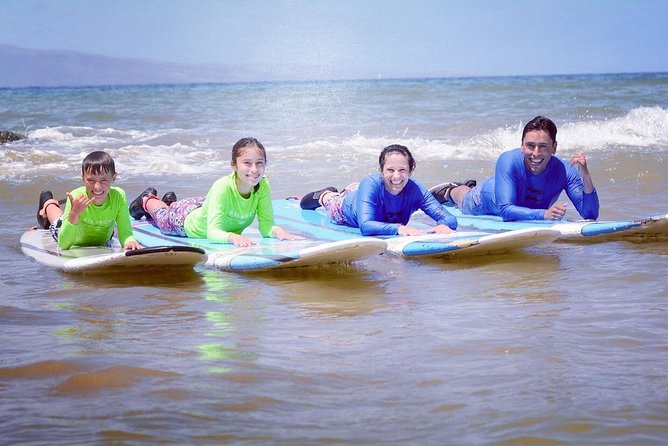
After shore practice, it’s time to get in the water. Your experience includes a stop at Makena State Park, and this is the surf payoff. This is where the ocean challenges meet your new skills.
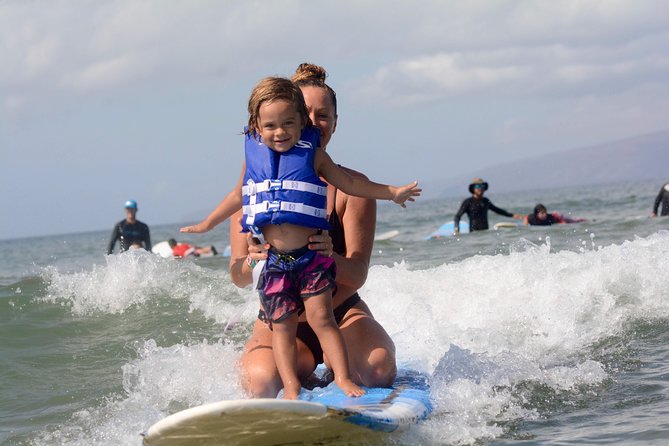
You’ll be guided on what to do as you enter the waves—when to paddle, when to position, and when to try popping up. One review described instructors maneuvering boards into place so students could focus on technique first, not timing. That’s smart teaching. It reduces the stress of doing everything at once.
You’ll also likely get help adjusting to what happens once you’re in the surf. For kids, that matters even more. One family noted that their instructor helped a younger surfer paddle back out rather than exhausting them with repeated effort. That kind of coaching keeps the lesson fun, and it helps you finish with a sense of progress.
And yes, sometimes the ocean adds a surprise. Several experiences mention seeing sea turtles while surfing. You can’t bank on it, but it’s a good reminder that Maui’s south-coast nature can make the session feel special beyond the surfing itself.
What You Learn in Two Hours (Even If It’s Your First Time)
This is a short lesson, so the teaching has to be efficient. Expect your instructor to work with you on the fundamentals that get you to the fun part sooner.
Here’s what the structure tends to cover:
- How to get up: you’ll practice the move on land first, then refine it in the water
- How to handle paddling: you’ll learn how to paddle efficiently enough to catch the waves your setup allows
- How to focus your attention: instructors cue you so you can focus on one thing at a time—like timing later, once the basics feel more natural
- How to stay safe near the rocks and shoreline: reef shoes help, and dismount technique matters
Even if you’re experienced, you’ll likely get something useful out of the lesson because the instructor adapts. One review described working with varying skill levels, including beginners who had only surfed once before, and still getting the kids up on long rides quickly.
The best part of two-hour lessons is also the biggest reason to do one: you leave with real momentum. You’re not stuck with a vague “someday I’ll try again” plan. You’ve done it.



Private vs Group Lessons: Choose the Attention Level You Want
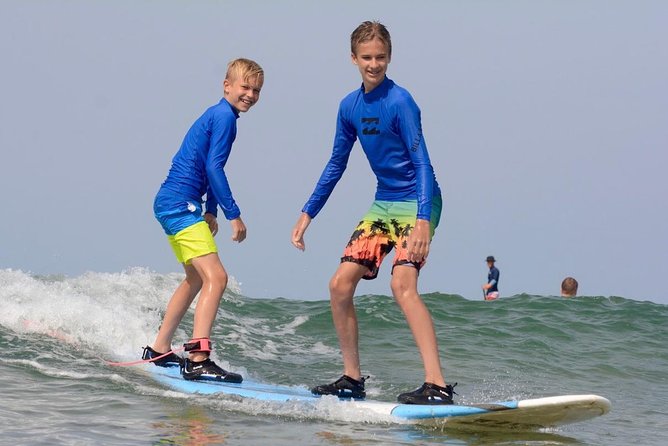
You can choose between private and group options. That choice changes the feel of the lesson.
A group lesson is often the best value for couples and groups of friends. It’s also a great way to learn if you’re comfortable being coached while other people are getting cues too.
Private lessons generally make sense if:
- you want maximum time with the instructor
- you’re traveling with a child who benefits from one-on-one pacing
- you’re a more nervous beginner who wants fewer variables
If you’re booking for kids under 8, the guidance is clear: a private 1-on-1 lesson is suggested. Smaller attention and more tailored practice help younger surfers learn without feeling overwhelmed.
Small Group Size: Why It Matters More Than You’d Think
This activity has a maximum of 30 travelers. In real-life surf terms, you’ll usually feel that as enough group capacity to run efficiently, while still keeping instruction focused.
The reviews back up the idea that the instructor-to-student attention feels strong. One family specifically called out a low ratio to teachers. Another praised the way instructors worked one-on-one based on each person’s skill level.
Bottom line: you’re paying for coaching time. A bigger class can mean longer waits for cues. The structure here aims to avoid that, so you spend more time doing and less time watching.
Price and Value: Is $103.12 Fair for 2 Hours?
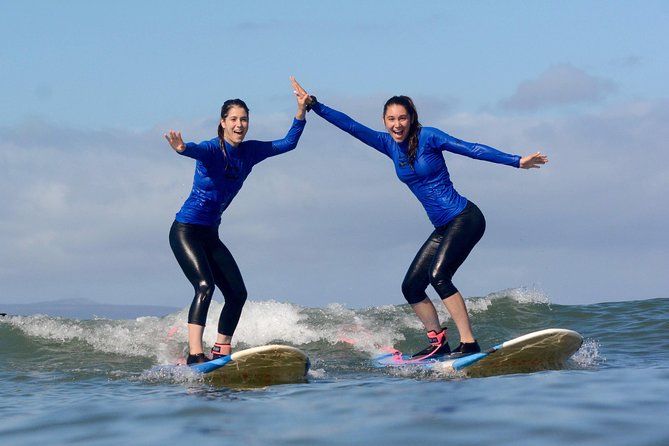
At $103.12 per person for about 2 hours, you’re paying for more than just access to water. You’re paying for:
- a professional instructor
- all surf gear (rash guard, reef shoes, surfboard)
- on-the-spot setup and coaching
That gear inclusion matters. If you tried to DIY it, you’d spend time renting boards and scrambling for footwear. This lesson compresses all of that into a simple start-to-finish block.
What’s not included: souvenir photos (available to purchase) and hotel pickup/drop-off. Photos can be worth it if you want proof you actually did the thing. But if you’re trying to keep your Maui budget tight, just plan to skip them unless the shots are clearly worth paying for.
For many first-timers, the best value is this: you get feedback fast, while you’re still excited enough to improve. That’s hard to replicate on your own.
Ocean Reality Check: What to Bring and How to Prep
You’ll get the core surfing gear, but you still want to show up ready.
Here’s what you should plan for:
- wear a swimsuit under your rash guard (you’ll already be in that mindset)
- be ready for cool splash-up and sun exposure
- bring any personal items you need after you get wet (towel, dry clothes, and water bottle are sensible)
One practical detail from real feedback: parking is described as super easy and convenient at the meet-up area. That’s great if you’re driving. Still, arrive early enough to park and check in calmly.
Also, keep your expectations aligned with the experience length. Two hours doesn’t make you a lifelong surfer. It does make you a person who can stand, try a ride, and understand how to improve next time.
The Instructor Factor: Encouragement That Builds Confidence
Surf lessons fail when instructors sound impatient. They succeed when they break the steps down and keep you trying. This school repeatedly gets praise for that exact tone.
You’ll see names in reviews like Sophie, Jessica, Sasha, Lucas, Carlos, and Funchie. While every instructor has their own style, the consistent pattern is patience and encouragement—especially for kids. One 11-year-old learning story focused on careful pacing: get up on land first, then get in the water quickly, then gradually hand more control to the student while still helping them paddle back out.
If you’re the type who hates being corrected loudly or pushed before you’re ready, this teaching approach is a good match.
Is This For You? Best-Fit Surfers
This lesson is best if:
- you’re a first-time surfer or getting back into it
- you want guided technique without a long commitment
- you like a structured approach (land lesson first)
- you’re traveling from Kihei and want a south Maui experience that’s easy to fit into a morning or afternoon plan
You should consider a private lesson if your child is very young (especially under 8) or if you want maximum instructor focus.
If you’re worried about moderate physical effort, remember: the ocean includes paddling and positioning work. If you’re comfortable with that level of exertion, you’ll likely enjoy the lesson more.
FAQ
FAQ
Where do I meet for the surf lesson?
You meet at Kalama Park in Kihei (1900 S Kihei Rd, Kihei, HI 96753).
How long is the Waves Hawaii Surf School lesson?
The lesson runs about 2 hours.
What’s included with the lesson?
A professional instructor and all surf gear are included, including a rash guard, reef shoes, and a surfboard.
Is this lesson only for total beginners?
It’s designed to be perfect for first-time surfers, but instruction is also geared to different skill levels.
Can I choose a private lesson?
Yes. You can choose between private and group options.
Are there age recommendations for kids?
Children under age 8 are suggested to book a private 1-on-1 lesson.
Do I need good weather for the experience?
Yes. The activity requires good weather. If it’s canceled due to poor weather, you’ll be offered a different date or a full refund.
Should You Book Waves Hawaii Surf School in Kihei?
If you want the most efficient path to catching your first waves, this is a smart pick. The gear is handled, the coaching is structured, and the land-first approach helps you learn faster without feeling lost. Choose group if you’re happy to learn in a shared setup, and go private if you want extra attention—especially for younger kids. If your schedule allows it, consider earlier lesson times to reduce crowd pressure in the water, because calmer conditions make learning feel easier.